



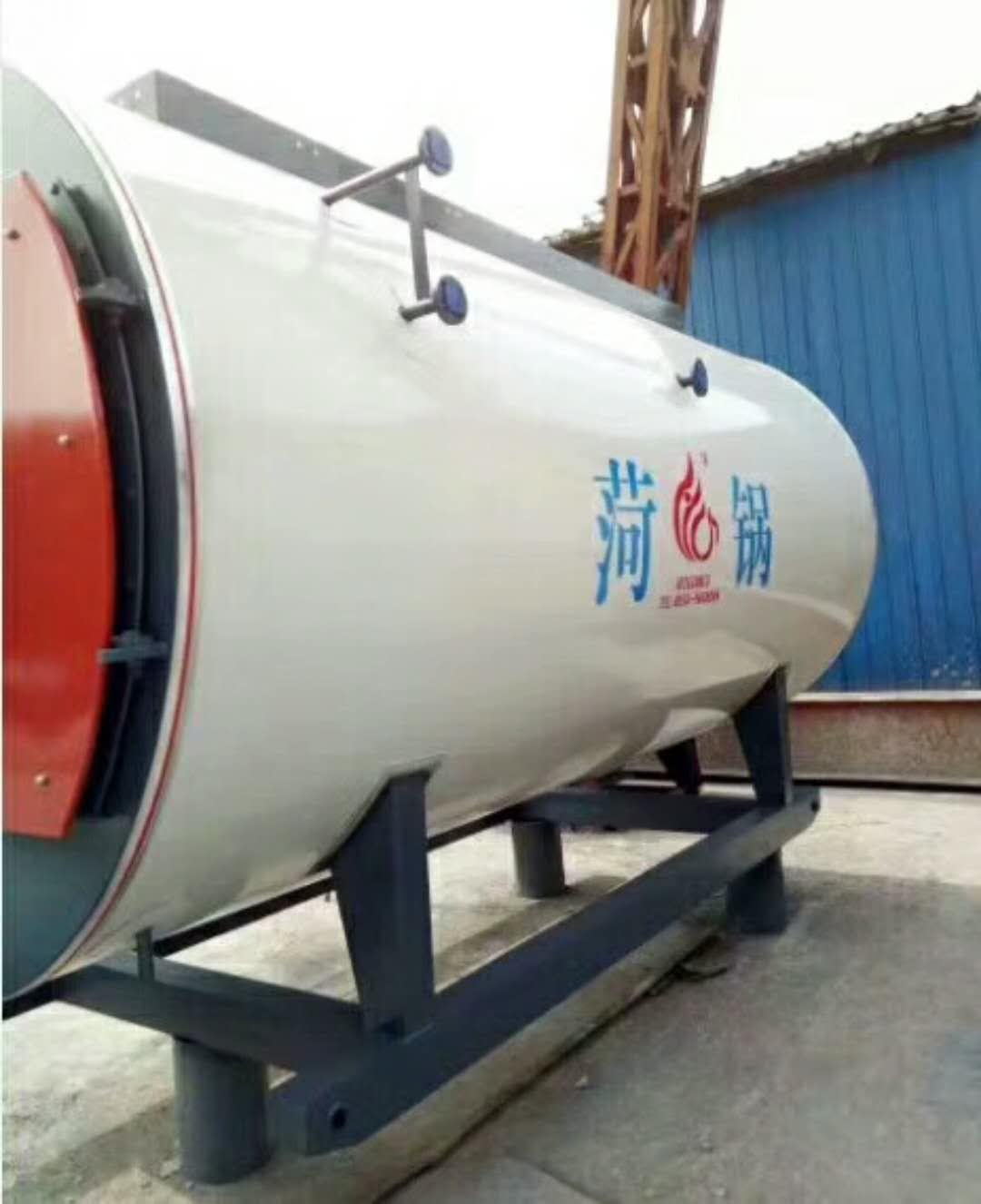



















Shandong Zhongjie Special Equipment (formerly Heze Boiler Factory Co., Ltd.) holds an A-grade boiler manufacturing license, an A2-grade pressure vessel manufacturing license, an A2-grade pressure vessel design license, a B-grade boiler installation license, and GB2/Class and GC2/Class pressure pipeline installation licenses, as well as a mechanical and electrical equipment installation contracting qualification. It is a member of the China Boiler and Water Treatment Association, the China Chemical Equipment Association, and the director unit of the Shandong Equipment Manufacturing Association. The company has also passed the ISO9001 Quality Management System, ISO14001 Environmental Management System, OHSAS18001 Occupational Health and Safety Management System certifications, and the American ASME/U2 certification.
Routine inspections and maintenance of liquid oxygen storage tanks are crucial for ensuring their safe operation. The following are general steps for the daily inspections and maintenance of liquid oxygen storage tanks:
Visual Inspection: Regularly inspect the tank's exterior, including the shell, welds, valves, and fasteners. Pay attention to any abnormal conditions such as cracks, corrosion, or deformation.
Leak Detection: Utilize appropriate leak detection equipment to inspect for leaks in storage tanks and connections. Leak detection can be conducted using methods such as gas detectors or liquid oxygen detection agents.
Pressure Testing: Regularly conduct pressure tests to check the tank's sealing and pressure resistance. Perform pressure tests in accordance with relevant standards and specifications, and record the test results.
Valve and Fitting Inspection: Verify that the tank's valves and fittings are operating properly and there are no loose or damaged conditions. Ensure the valves are easily and reliably operable.
Insulation Layer Inspection: Verify that the tank's insulation layer is intact and free from damage or detachment. Repair or replace any damaged insulation materials to ensure effective insulation.
Cleaning and Drainage: Regularly clean the interior of the tank to remove accumulated impurities and dirt. Regularly drain to prevent contaminants and sediments in liquid oxygen from damaging the tank.
Safety Equipment Inspection: Check the safety equipment around the storage tank, such as fire separation zones and alarm systems, to ensure they are functioning properly.
Record and Document Management: Document each inspection and maintenance result, including the inspection date, contents, identified issues, and corrective actions. Establish comprehensive management records and documents for tracking and managing the storage tank's operation.
Note that inspections and maintenance of liquid oxygen tanks should be conducted by trained personnel and in accordance with relevant regulations and standards. Ensure safety during maintenance and operations, and consult with experts for accurate guidance.
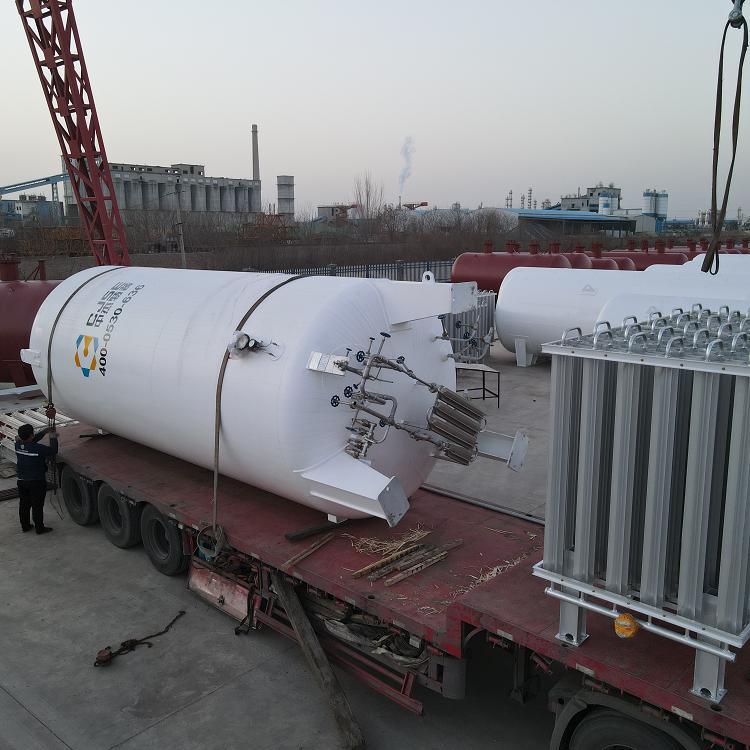
The dimensions and structure of liquid oxygen storage tanks can vary depending on specific requirements and applications. The following are common sizes and structures of liquid oxygen storage tanks:
Dimensions: The size of liquid oxygen tanks is typically determined by the storage or transport capacity of the liquid oxygen. Common capacity ranges for liquid oxygen tanks vary from a few thousand liters to several hundred thousand liters.
Structure: The structure of the liquid oxygen tank mainly includes the inner shell, outer shell, insulation layer, and supporting structure, etc.
The inner tank of a liquid oxygen storage tank is the part designed for containing liquid oxygen, typically made of stainless steel or aluminum alloy materials, offering excellent corrosion resistance and sealing properties.
Shell: The shell of a liquid oxygen tank is the external structure that protects the inner lining, typically made of carbon steel or stainless steel, offering sufficient strength and corrosion resistance.
Insulation Layer: The insulation layer of the liquid oxygen tank is used to reduce heat conduction and loss, maintaining the low-temperature state of liquid oxygen. Common insulation materials include polyethylene foam, glass fiber, and aerogel, etc.
Support Structure: The support structure of the liquid oxygen tank is used to support and secure the inner shell and outer shell of the tank. The support structure is typically made of steel, offering sufficient strength and stability.
The dimensions and structural design of liquid oxygen tanks must consider the properties of liquid oxygen, storage or transportation requirements, safety standards, and other factors. When using liquid oxygen tanks, strict adherence to relevant operational specifications and safety requirements is necessary to ensure safe use.
A 50 cubic meter liquid oxygen tank refers to a storage tank with a capacity of 50 cubic meters. Liquid oxygen tanks are commonly used for storing and supplying liquid oxygen, for applications such as experiments, research, and more.
Key features and configurations of a 50 cubic meter liquid oxygen storage tank may include the following aspects:
Volume: A 50 cubic meter liquid oxygen tank can store a large quantity of liquid oxygen.
Structure: Liquid oxygen tanks typically feature a double or multi-layered design, filled with insulating material in between to minimize heat transfer and evaporation of the liquid oxygen. The tank material is usually stainless steel or aluminum alloy, offering excellent corrosion and low-temperature resistance.
Insulation Layer: The insulation layer of liquid oxygen storage tanks typically employs multi-layered insulation materials, such as polyethylene foam, glass fiber, and vacuum layers, to reduce heat transfer and the evaporation of liquid oxygen.
Temperature Control System: Liquid oxygen tanks are typically equipped with a temperature control system to regulate the tank's temperature, maintaining the low-temperature state of the liquid oxygen.
Safety Equipment: Liquid Oxygen Tanks are typically equipped with safety devices such as pressure sensors, temperature sensors, and safety valves to ensure safe operation of the tank.
It's important to note that the use of liquid oxygen tanks must strictly adhere to relevant safety regulations and operational guidelines to ensure safe operation and usage. Liquid oxygen is highly flammable, so fire prevention measures must be taken when using liquid oxygen tanks, and there should be no sources of fire nearby.
Low-temperature liquid storage tanks feature the following characteristics and advantages:
Features:
Low-Temperature Storage: Low-temperature liquid storage tanks can store low-temperature liquids (such as liquid nitrogen, liquid oxygen, etc.) at low temperatures, maintaining their liquid state. Liquid storage significantly increases storage density and saves space.
Insulation: The low-temperature liquid storage tanks are equipped with special insulation materials and structural design, effectively reducing heat conduction and loss to maintain a stable temperature for the low-temperature liquids. This helps to minimize energy loss and liquid evaporation.
Safety: Low-temperature liquid storage tanks have excellent safety performance. The tanks are made with special materials and structural design, capable of withstanding low temperatures and high pressures. Additionally, they are equipped with safety devices such as pressure relief valves and liquid level alarms to ensure safe operation and use.
Utilization Advantages:
High Purity Supply: Low-temperature liquid storage tanks can provide high-purity liquid substance supply. Through refrigeration and purification processing, high-purity liquid gases can be obtained to meet application requirements in fields such as industry and scientific research.
Long-Term Storage: Low-temperature liquid storage tanks are designed for long-term storage of low-temperature liquids, extending their service life. By controlling the temperature inside the tank and the performance of the insulation layer, the evaporation and oxidation of the liquid can be slowed down, maintaining its stability and purity.
Versatile Applications: Low-temperature liquid storage tanks are widely used in industries such as industrial, scientific research, and others. They can be used for storing liquid oxygen, providing oxygen supply; in the industrial field, they can be used for storing liquid natural gas (LNG) and other process gases like liquid nitrogen; in the scientific research field, they can be used for storing low-temperature experimental samples.
Environmental Protection and Energy Saving: Low-temperature liquid storage tanks can effectively store and utilize low-temperature liquids, reducing energy waste and environmental pollution. Storage of liquid substances
ZJ Special Equipment adheres to the great vision of "realizing employees' dreams, creating customer value, and striving for the prosperity and strength of our motherland," focusing on the development of green energy equipment. We dedicate high-value products and services to society!
WeChat Official Account

Scan to follow Official Account




















