



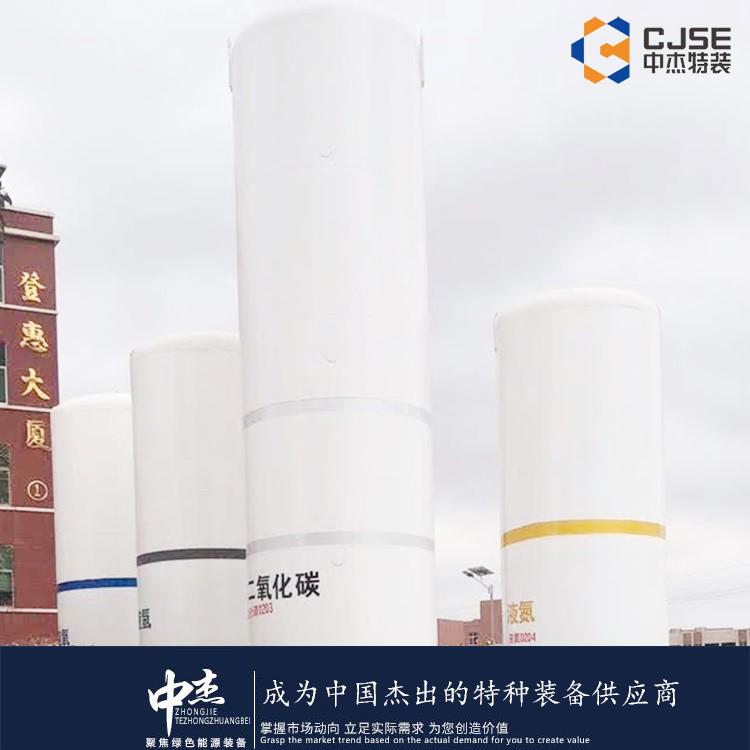



















Shandong Zhongjie Special Equipment Co., Ltd. (formerly Heze Boiler Factory Co., Ltd.) was established in 2001, located at No. 2218 Jinnan Road, Economic and Technological Development Zone, Heze City, with a registered capital of 50 million yuan and total assets of 500 million yuan. The company has 7 business centers: boiler, deep-freeze container, pressure vessel, central air conditioning, engineering installation, international trade, and Internet of Things. It has three manufacturing sites on Jinnan Road, East Changjiang Road, and Bohai Road, covering a total area of 200,000 square meters, with the main workshop spanning 83,000 square meters. Currently, there are 710 employees, including 247 engineers and technicians and 82 intermediate-level technicians. In December 2016, it was recognized as a "High-Tech Enterprise" by the Science and Technology Department. In June 2021, it was identified as a "Specialized and New Enterprise in Shandong Province" by the Industrial and Information Technology Department. In June 2022, it was recognized as a "Gazelle Enterprise in Shandong Province" and in August 2022, it was identified as a "Specialized and New Small Giant Enterprise" by the Ministry of Industry and Information Technology.
Determining the design pressure and calculation pressure for a liquid oxygen storage tank requires considering the following factors:
Design Pressure: Design pressure refers to the maximum pressure a tank can withstand under normal operating conditions. When determining the design pressure, factors such as the working pressure range of liquid oxygen, the material strength of the tank, and safety factors must be considered. Generally, the design pressure should be slightly higher than the high working pressure of liquid oxygen to ensure the tank's safety and reliability within the normal operating range.
Calculated Pressure: The calculated pressure refers to the actual working pressure of the tank under the design pressure. The calculated pressure is derived based on factors such as the properties of liquid oxygen, the geometric shape of the tank, and the material strength. The calculated pressure should consider factors like the expansion coefficient of liquid oxygen, temperature changes, and pressure fluctuations to ensure the safety and stability of the tank under actual operating conditions.
Determining the design and calculation pressures for liquid oxygen storage tanks usually requires referencing relevant standards and regulations, such as Standard GB150 for Steel Pressure Vessels and GB18442 for Technical Conditions of Storage Tanks for Liquid Oxygen, Liquid Nitrogen, and Liquid Argon. These standards and regulations provide detailed design and calculation methods to ensure the safety and reliability of the tanks.
In practical applications, the design pressure and calculated pressure of liquid oxygen storage tanks should be calculated and determined by pressure vessel designers. They will take into account specific engineering requirements, tank dimensions, materials, and other factors to ensure that the tank's design and use comply with relevant safety standards and regulations.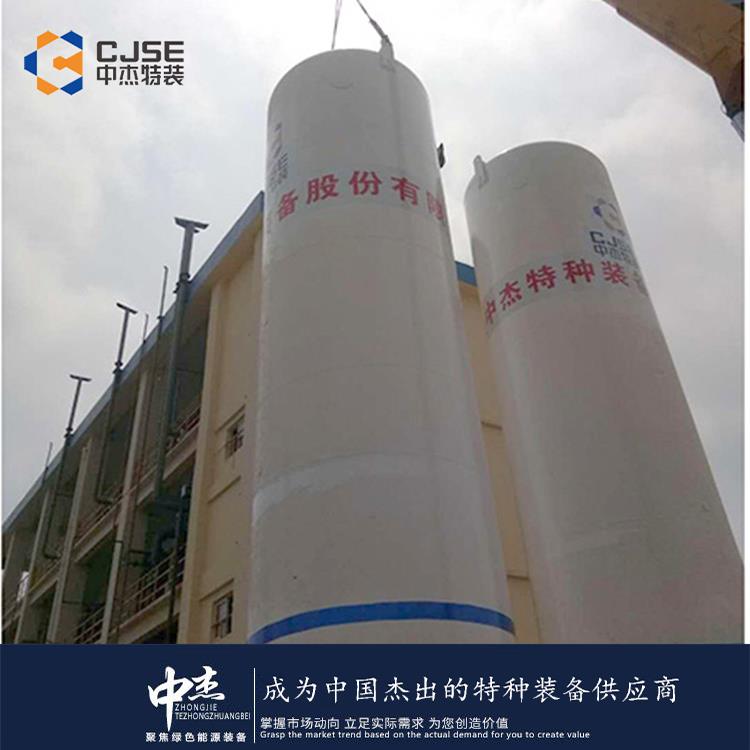
The use of low-temperature liquid storage tanks requires attention to the following matters:
Safe Operation: Operators must receive training to understand the tank's operational procedures and safety precautions. Adhere to correct operational steps to ensure safe operation.
Protective Gear: Operators should wear appropriate protective gear, such as thermal suits, gloves, etc., to safeguard themselves from injuries caused by low-temperature liquids.
Leak Protection: Regularly inspect the tank and associated pipelines for seal integrity to prevent leakage of low-temperature liquids. Keep the area around the tank clean to avoid debris obstructing leak detection and handling.
Fire Protection: Low-temperature liquids are highly flammable and fire precautions must be taken. Maintain a fire-free environment around storage tanks, prohibit smoking and open flames. Equip with appropriate fire-fighting equipment to address fire risks.
Pressure Control: Regularly inspect and maintain the pressure control system of the storage tank to ensure the pressure inside remains within the safe range. Safety valves and pressure sensors, among other equipment, should operate normally and any abnormal pressure conditions should be detected and addressed promptly.
Insulation Protection: Low-temperature liquid storage tanks should be equipped with effective insulation to reduce heat transfer and liquid evaporation. The selection and installation of the insulation should comply with relevant standards and requirements.
Regular Inspections and Maintenance: Conduct regular inspections of the tank's exterior and interior, including checking for leaks, corrosion, wear, or other damage. Pay special attention to inspecting the tank's interfaces, valves, and pipelines, ensuring they are functioning properly.
Emergency Preparedness: Develop an emergency response plan, including measures for leaks, fires, and other unforeseen incidents. Operators should be familiar with the emergency response plan and be equipped with appropriate emergency equipment and firefighting supplies.
One of the common drawbacks of pressure vessels during use is corrosion. Corrosion refers to the reaction between the metal surface and chemical substances in the environment, leading to damage to the metal surface and thinning of the material. The following are common corrosion drawbacks of pressure vessels:
Pitting Corrosion: Pitting corrosion refers to the formation of localized pits or holes on the surface of a metal. This type of corrosion is usually caused by corrosive substances present in the local environment, such as acids and salts.
Bacterial Corrosion: Bacterial corrosion is a type of corrosion caused by microorganisms. These organisms can form a biofilm inside pressure vessels and produce acidic substances, leading to corrosion of the metal surface.
Punch Corrosion: Punch corrosion refers to a penetrating corrosion phenomenon on the metal surface. This type of corrosion usually occurs due to the damage or defect of the protective layer on the metal surface, allowing corrosive substances to come into direct contact with the metal.
Stress Corrosion Cracking: Stress corrosion cracking occurs when a metal surface is subjected to both stress and a corrosive environment, leading to the formation and propagation of cracks. This type of corrosion is commonly found in pressure vessels operating under high stress and corrosive conditions.
Corrosion can lead to material thinning and reduced strength in pressure vessels, even causing severe consequences such as leaks or ruptures. Therefore, measures should be taken to address the corrosion issues in pressure vessels, including:
Regularly inspect and evaluate the corrosion of pressure vessels, including methods such as visual inspections and non-destructive testing.
Implement corrosion prevention measures, such as coating protection, cathodic protection, and selecting appropriate materials, to minimize corrosion occurrence and progression.
Regularly clean and maintain pressure vessels to remove dirt and impurities that may cause corrosion.
Comply with relevant safety regulations and operational guidelines to ensure the safe and proper operation of pressure vessels.
For severely corroded pressure vessels, repair or replacement may be necessary to ensure their safety and reliability.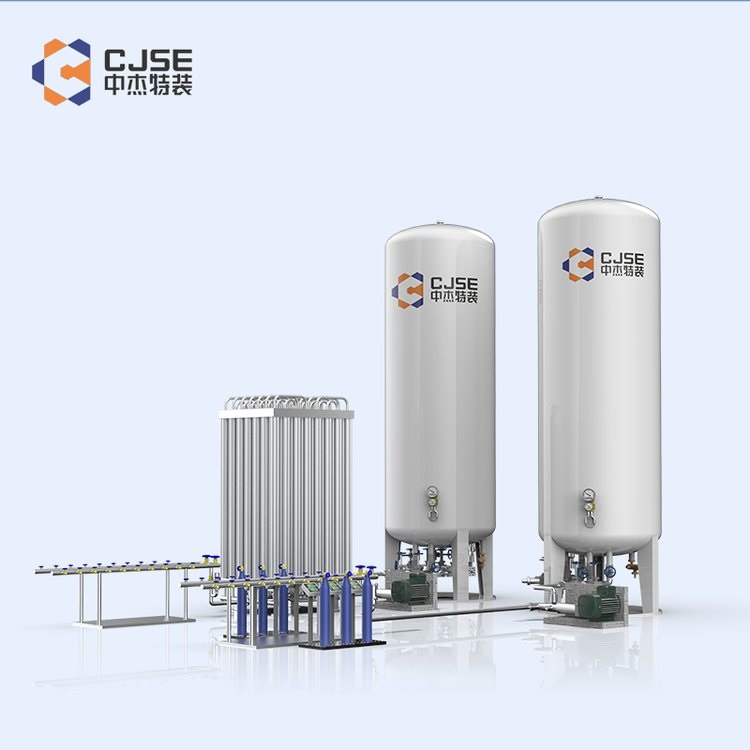
Liquid oxygen storage tanks are high-pressure, highly oxidizing equipment that require special attention to safety during use. Here are some safety precautions for liquid oxygen storage tanks:
Operation: The operation of liquid oxygen storage tanks should be performed by trained and experienced personnel. Operators should be familiar with the tank's structure, performance, and operational procedures, and should operate strictly according to the operation manual and safety regulations.
Fire Prevention Measures: Liquid oxygen is highly oxidizing and can easily cause fires and explosions. Open flames and hot objects should be prohibited around liquid oxygen storage tanks to prevent sparks and contact with the tank. Fire protection facilities and fire extinguishing equipment should be established, and regular inspections and maintenance should be conducted.
Leakage Control: In the event of a leakage in a liquid oxygen storage tank, immediate measures should be taken to control the leakage. Leaks can lead to the evaporation of liquid oxygen and an increase in oxygen concentration, increasing the risk of fire and explosion. A leakage alarm system should be established, and leakage control devices and personal protective equipment should be provided.
Insulation Protection: Liquid oxygen storage tanks should have good insulation protection to reduce the evaporation of liquid oxygen and maintain a low temperature state. The insulation layer should be inspected and maintained regularly to ensure its integrity and insulating properties.
Safety Distance: A certain safety distance should be maintained around liquid oxygen storage tanks to prevent the spread of fires, explosions, and leaks. The specific requirements for safety distances should be assessed and determined according to local regulations and standards.
Regular Inspections and Maintenance: Liquid oxygen storage tanks should be inspected and maintained regularly, including checking the structural integrity of the tank, valves, and pipelines for tightness.
Shandong Zhongjie Special Equipment, welcome customers to our factory for business discussions.
WeChat Official Account

Scan to follow Official Account




















