



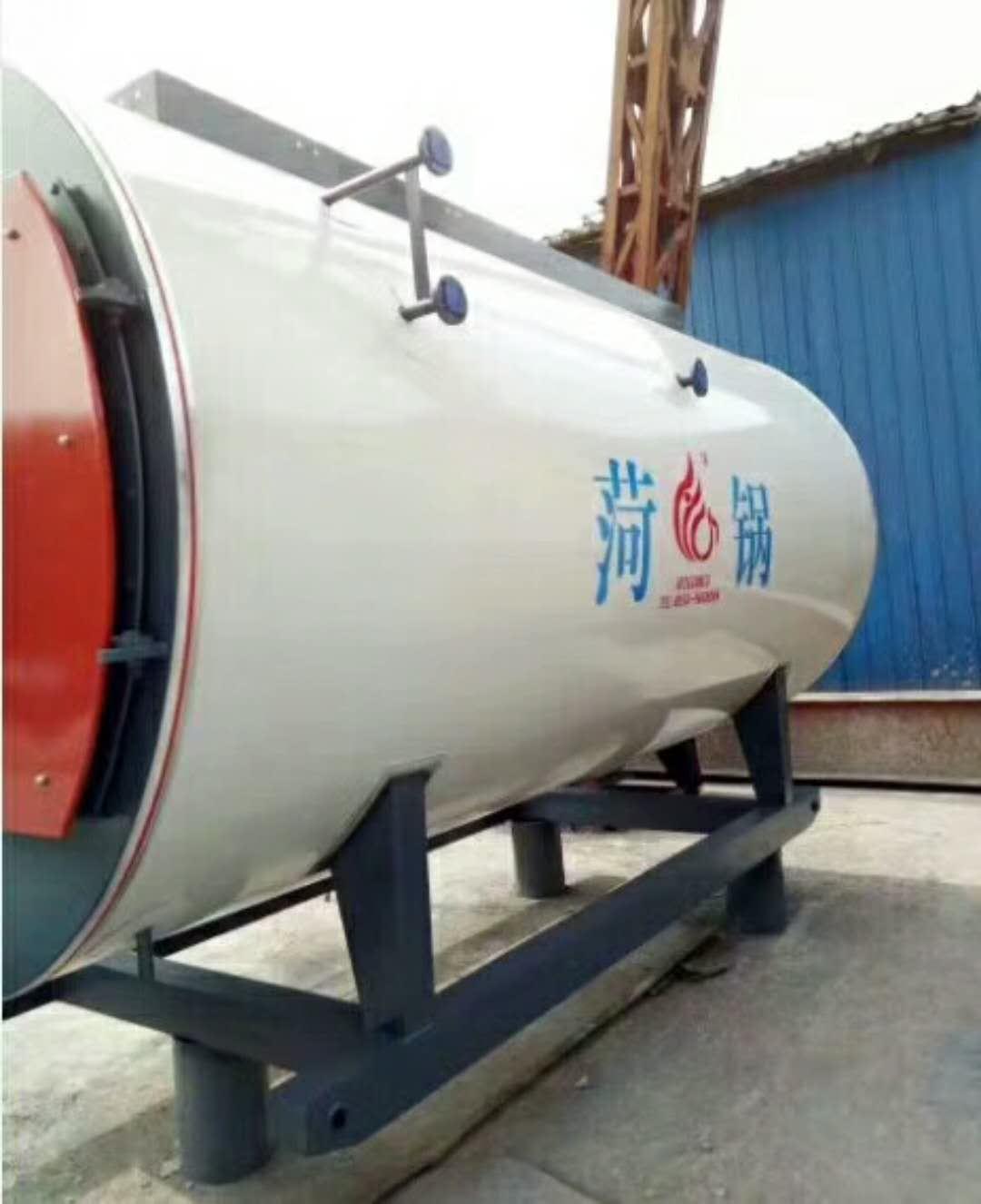



















Shandong Zhongjie Special Equipment (formerly Heze Boiler Factory Co., Ltd.) holds an A-grade boiler manufacturing license, an A2-grade pressure vessel manufacturing license, an A2-grade pressure vessel design license, a B-grade boiler installation license, and GB2/Class, GC2/Class pressure pipeline installation licenses, as well as a mechanical and electrical equipment installation contracting qualification. It is a member of the China Boiler and Water Treatment Association, the China Chemical Equipment Association, and the council unit of the Shandong Equipment Manufacturing Association. The company has also passed certifications for the ISO9001 Quality Management System, ISO14001 Environmental Management System, OHSAS18001 Occupational Health and Safety Management System, and the American ASME/U2 certification.
Low-temperature industrial gas filling stations are equipment used to fill liquid low-temperature industrial gases (such as liquid oxygen, liquid nitrogen, liquid argon, etc.) into gas storage tanks. Below is basic information about low-temperature industrial gas filling stations:
Storage Tank Type: Low-temperature industrial gas storage tanks commonly use double-walled vacuum insulated storage tanks, where the inner wall is used for storing liquid gas and the outer wall for insulating and preserving heat to minimize heat transfer and evaporation losses of the liquid gas.
Filling Equipment: Low-temperature industrial gas storage tank filling stations include liquid-gas filling pumps, filling pipelines, flowmeters, pressure sensors, and other equipment. The liquid-gas filling pump is used to extract liquid gas from storage tanks or gas holders and fill it into the target storage tank.
Filling Process: The operation flow at the filling station generally includes the following steps: Preparation (check equipment, prepare filling medium), Equipment Connection (connect filling pumps, pipelines, etc.), Equipment Activation (start filling pumps, adjust flow and pressure), Filling Operation (filling liquid gas into the target storage tank), Monitoring and Control (monitor pressure, flow, and other parameters during filling to ensure safety and quality), and Completion (shut down equipment, clean work area).
Safety Measures: Strict adherence to relevant safety operating procedures and standards is required during the operation of low-temperature industrial gas storage tank filling stations. Operators should receive training to understand the properties and safety considerations of liquefied gases. Additionally, filling stations should be equipped with safety equipment such as pressure sensors and safety valves to ensure safety during the filling process.
Quality Control: Quality control must be conducted during the filling process at the filling station, including monitoring parameters such as flow rate, pressure, and temperature of the filling medium to ensure accuracy and quality of the filling.
It is important to note that the operation of low-temperature industrial gas storage tank filling stations must be conducted by trained personnel and strictly adhere to relevant operational procedures and safety measures. Furthermore, the design and manufacture of the filling stations should comply with applicable standards and regulations to ensure the safety and reliability of the equipment.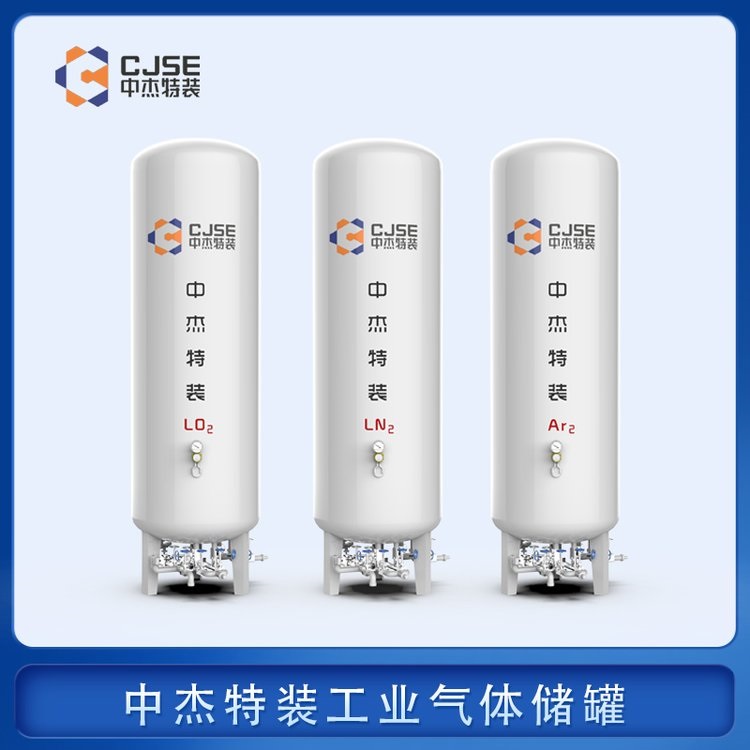
Low-temperature liquid oxygen storage tanks typically require some safety accessories to ensure safe operation and to address potential risks. The following are some common safety accessories for low-temperature liquid oxygen storage tanks:
Pressure Sensor: Used to monitor pressure changes within storage tanks. In the event of pressure exceeding the set range, it will trigger an alarm or automatically stop filling measures to prevent overpressure in the tank.
Safety Valve: Used to automatically release gas when the pressure inside the storage tank exceeds the set value, to prevent overpressure of the tank. The safety valve should be selected and installed based on the design pressure and capacity of the tank.
Pressure relief device: Used to release gas to a safe area when the pressure inside the storage tank is too high, thereby reducing the pressure on the tank. The pressure relief device typically includes relief valves, relief pipes, and the like.
Level sensor: Used to monitor the level change of liquid oxygen inside storage tanks to ensure an adequate supply of liquid oxygen and prevent overfilling.
Temperature sensor: Used to monitor temperature changes within storage tanks to ensure that the temperature of liquid oxygen inside the tanks remains within a safe range.
Fire Detectors and Fire Suppression Systems: Designed to monitor fire risks around storage tanks and activate fire suppression systems as needed to prevent the spread of fire to other areas.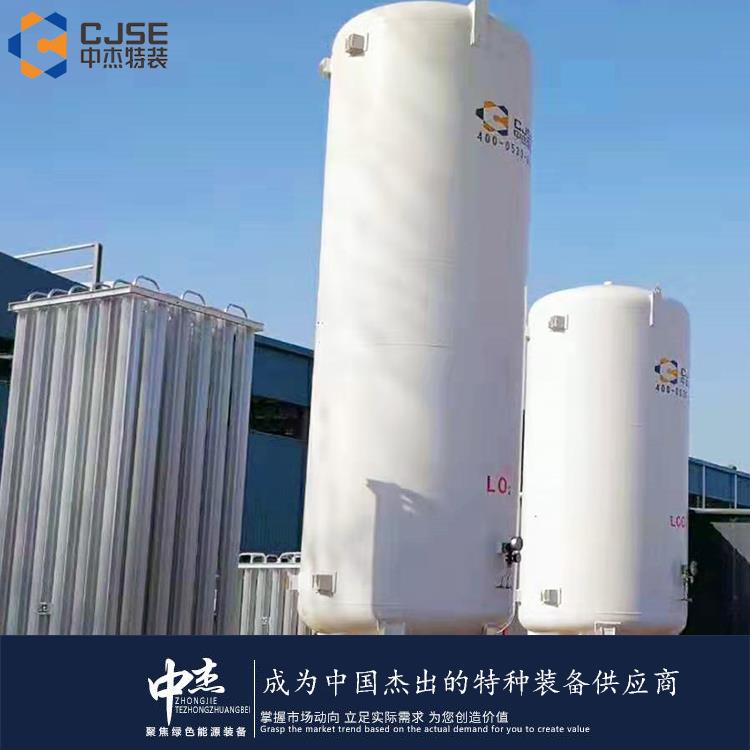
To prevent hazards caused by static electricity in liquid oxygen tanks, the following measures can be taken:
Ensure proper grounding of the liquid oxygen storage tank and related equipment. Grounding helps dissipate static electricity to the ground, reducing the likelihood of static buildup. Metal components such as tanks and pipelines should be connected to a reliable grounding system.
Static dissipative materials: Utilize static dissipative materials to reduce the accumulation of static electricity. For instance, apply conductive coatings or materials on the insulating layer of liquid oxygen storage tanks and pipelines to discharge static electricity to the ground.
Static Dissipative Equipment: Utilize static dissipative equipment, such as static conductive pipes and hoses, to minimize the accumulation and release of static electricity. These devices aid in grounding static electricity, reducing the occurrence of static sparks.
Static ground wire: Install static ground wires on liquid oxygen tanks and related equipment to discharge static electricity to the ground. These ground wires should be connected to a reliable grounding system and be inspected and maintained regularly.
Static Eliminator: Utilize a static eliminator to neutralize static. These devices can neutralize static by releasing an opposite charge, reducing the accumulation of static and the occurrence of sparks.
Electrostatic Safety Training: Provide electrostatic safety training for personnel using liquid oxygen tanks, enhancing their awareness and preventive measures against electrostatic hazards. The training content may include the principles of electrostatic formation, preventive measures, and emergency response procedures.
It should be noted that the static electricity prevention measures for liquid oxygen tanks should be designed and implemented by personnel, following relevant safety operating procedures and standards. During operation, the procedures should be strictly adhered to to avoid the generation of static sparks and ensure the tank's
Prior to filling the liquid nitrogen tank, the following checks must be conducted:
Tank exterior inspection: Check for any obvious damage, deformation, or corrosion on the tank's exterior, including the tank wall, valves, pipes, and joints.
Sealability Inspection: Verify the tank's sealing performance, including checking for any leakage at valves and pipe connections, to ensure the tank maintains good sealing integrity.
Pressure Check: Verify that the tank's pressure gauge is functioning properly and that the pressure is within the normal range to ensure the tank operates normally.
Level Check: Inspect the tank's liquid level to ensure it remains within the normal range, avoiding issues caused by levels that are too high or too low.
Insulation Layer Inspection: Check for any damage or detachment in the storage tank's insulation layer to ensure proper insulation and reduce evaporation losses of liquid nitrogen.
Leak Inspection: Check for signs of liquid nitrogen leakage around the storage tank, including frost, ice, or liquid nitrogen stains on the ground.
Safety Equipment Inspection: Verify that the safety equipment of the storage tank, such as leak detectors, alarm systems, and safety valves, is functioning properly to ensure the tank's safety.
Clean Inspection: Ensure the interior of the tank is clean, free of accumulated impurities and dirt, to maintain the tank's cleanliness and hygiene.
The above lists the checks required prior to filling the liquid nitrogen tank, ensuring safe operation of the tank and proper storage of liquid nitrogen. During the inspection process, strict adherence to relevant operational procedures and safety requirements must be maintained to ensure operational safety.
Zhongjie Special Equipment upholds the great vision of "realizing employees' dreams, creating customer value, and striving for the prosperity and strength of our motherland," and is dedicated to the development of the green energy equipment industry. We offer society products and services with high cost-performance!
WeChat Official Account

Scan to follow Official Account




















