


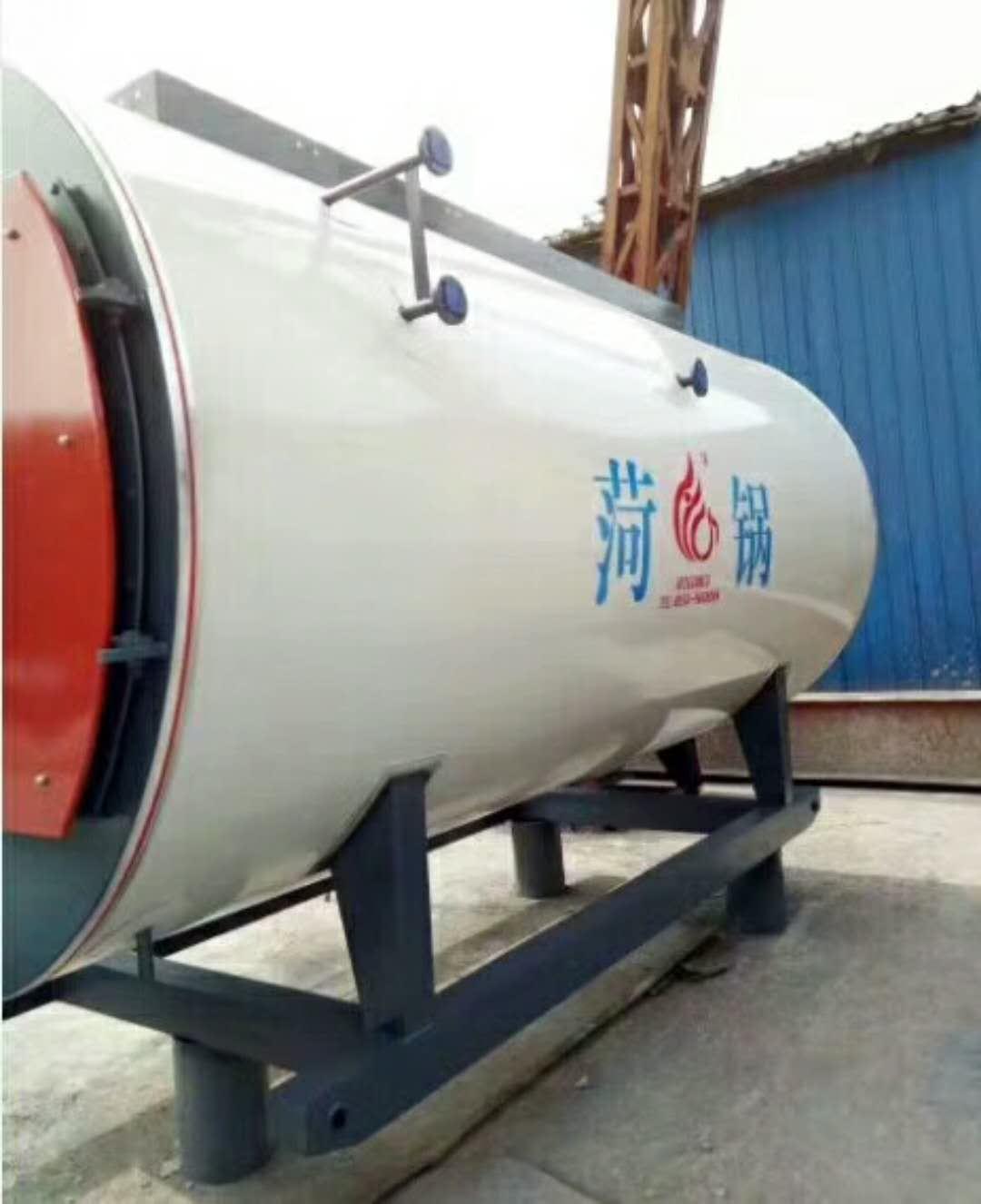



















Shandong Zhongjie Special Equipment's main products include: fuel (gas) boilers, organic heat carrier boilers, biomass boilers, waste heat recovery boilers, and other boiler products; vacuum insulation cryogenic pressure vessels such as LNG tanks, oxygen/nitrogen/argon tanks, and CO2 tanks; pressure vessel products such as denitrification engineering equipment, heat storage and energy storage equipment, and complete chemical equipment sets; central air conditioning and HVAC equipment such as ground (water) source heat pumps, air source units, water-cooled screw units, and air-cooled modular units. Planned products include large-scale energy centers, LNG transport vehicles, LNG tank containers, and other green energy equipment.
Carbon dioxide tanks are equipment used for storing and transporting carbon dioxide (CO2). They are typically sealed containers with specialized design and structure to ensure safe storage and use of CO2. Here are some common details about carbon dioxide tanks:
Storage Form: CO2 is gaseous at room temperature but can be compressed into a liquid under high pressure for easier storage and transportation. Carbon dioxide tanks usually store liquid CO2.
Storage Pressure: These tanks commonly hold high-pressure CO2, typically around 20-25 bar, which helps maintain the liquid state.
Storage Capacity: The capacity of carbon dioxide tanks can vary, from small ones holding a few thousand liters to large ones with several tens of thousands of liters. The capacity choice depends on specific application needs.
Safety: CO2 is colorless, odorless, and non-toxic, but it can be dangerous at high concentrations, causing asphyxiation. Therefore, appropriate safety measures, such as ventilation and protective gear, must be taken when using carbon dioxide tanks to ensure the safety of operators.
Application Areas: Carbon dioxide tanks are widely used in various fields, including the food and beverage industry, manufacturing, fire extinguishing, and gas supply. They are used for storing and providing CO2 to meet different industrial demands.
Note that the design, manufacturing, and use of carbon dioxide tanks must comply with relevant regulations, standards, and safety provisions. When using carbon dioxide tanks, follow the operating manual and safety guidelines, and cooperate with local regulatory agencies and personnel to ensure the tank's safety and reliability.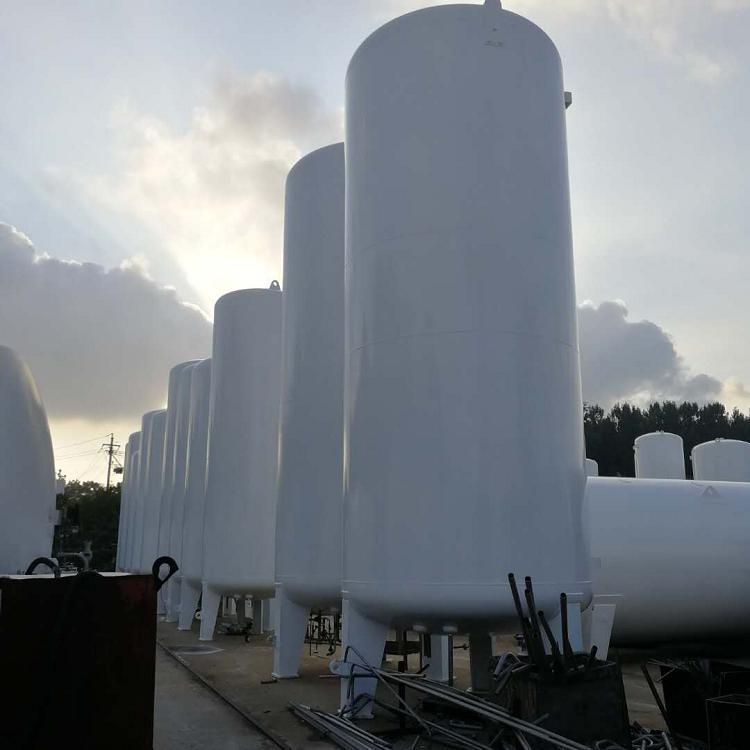
The safe operation of low-temperature carbon dioxide storage tanks is primarily crucial in the following aspects: Design and Manufacturing: The design and manufacture of the tank must comply with relevant standards and regulations to ensure it can withstand working conditions under low temperatures and high pressures. The tank should possess sufficient strength and sealing performance to prevent leaks and ruptures. Safety Valves and Pressure Control: The tank should be equipped with safety valves and pressure control devices to ensure internal pressure remains within a safe range. Safety valves should be regularly inspected and tested to ensure proper functioning. Temperature Control: Effective temperature control is necessary for low-temperature carbon dioxide storage tanks to prevent freezing or embrittlement due to excessively low temperatures. Appropriate insulation materials and equipment should be used to maintain the tank and pipeline temperatures within a safe range. Leak Detection and Alarm: The tank should be fitted with leak detection devices and alarm systems, along with corresponding monitoring equipment. These devices can detect leaks promptly and trigger alarms for appropriate action. Safe Operation and Training: Operators should receive relevant training to understand the safe operation procedures and standards for low-temperature carbon dioxide storage tanks. Operators should be familiar with the tank's characteristics, working principles, and emergency response measures. Regular Inspection and Maintenance: Tanks should be regularly inspected and maintained, including visual inspections, anti-corrosion coating maintenance, and leak detection. Regular inspections can identify potential issues early and allow for appropriate repair measures. Emergency Preparedness: Establish an emergency response plan and equip with appropriate fire-fighting and first-aid equipment. Operators should be familiar with emergency procedures and capable of responding swiftly to emergencies. Please note that the above points are general recommendations. Specific safe operation should be based on the design and usage requirements of the low-temperature carbon dioxide storage tank. Before using the tank, it is recommended to refer to relevant safety operation manuals and guidelines to ensure operational safety.
以下是一些常见的二氧化碳储罐管理守则: 安全管理:建立完善的安全管理制度,包括安全操作规程、应急预案和事故处理程序等。确保操作人员具备必要的安全知识和技能,并定期进行安全培训和演练。 储罐检查和维护:定期检查储罐的外观、阀门、连接件等,确保其完好无损。定期进行泄漏检测和压力测试,确保储罐的安全性能符合要求。 液位监测和控制:定期监测储罐内的液位,确保储罐内的二氧化碳充足。根据需要进行充填或放空操作,维持适当的液位。 废气处理:处理二氧化碳储罐产生的废气,避免对环境造成污染。采取适当的废气处理措施,如收集和处理废气。 防火防爆措施:采取防火防爆措施,确保储罐周围的环境安全。远离火源、高温区域和易燃物质,定期检查和维护防火设施。 标识和警示:储罐应明确标识,包括储存的气体类型、压力等信息。周围应设置警示标志,提醒人员注意储罐的存在和相关安全注意事项。 储存记录:记录储罐的使用情况,包括充填日期、充填量、检查记录等。定期进行储罐的检测和维护,并保留相关记录。 定期审查和改进:定期审查储罐管理制度和操作流程,及时发现问题并进行改进。根据实际情况进行风险评估和管理,提高管理水平和安全性能。 需要注意的是,具体的管理守则可能会因不同的储罐类型和应用而有所不同。在管理二氧化碳储罐时,应根据相关的规范和标准进行操作,并咨询人士以确保安全和有效性。
CO2 Storage Tank Commissioning typically involves the following steps and contents:
- Tank Installation Inspection: Check if the tank's installation location, foundation, and support structure meet design requirements to ensure stability and safety.
- Pipeline Connection Inspection: Verify the integrity and proper operation of the connections between the tank and the inlets and outlets, as well as the valves and pipelines' ability to open and close, to ensure the pipeline system's completeness and normal operation.
- Tank Cleaning and Draining: Clean and drain the tank prior to commissioning to ensure no impurities, residues, or other gases or liquids are present inside.
- Tank Pressure Testing: Conduct pressure tests on the tank, including static pressure and leak tests. The static pressure test involves increasing pressure to check the tank's sealing and pressure resistance. The leak test checks for any leaks in the tank and pipeline system.
- Control System Commissioning: Calibrate and adjust the control system of the tank, including pressure, temperature, and level sensors, to ensure accuracy and reliability.
- Safety System Testing: Test the tank's safety system, including safety valves, pressure gauges, and level gauges, to ensure normal operation and responsiveness.
- Operating Parameter Adjustment: Adjust the operating parameters of the tank according to actual needs and process requirements, such as pressure, temperature, and level, to meet process demands and ensure safe operation.
- Documentation and Reporting: Record and organize data, test results, and operational records during the commissioning process, generating a commissioning report for future reference and management.
- The above outlines the general steps and contents of CO2 storage tank commissioning. Specific commissioning tasks may vary based on tank design requirements and application scenarios. During commissioning, adhere strictly to relevant safety operating procedures and standards to ensure safety and effectiveness of the process.
Shandong Zhongjie Special Equipment, welcome customers to our factory for business discussions.
WeChat Official Account

Scan to follow Official Account




















