























Shandong Zhongjie Special Equipment (formerly Heze Boiler Factory Co., Ltd.) was established in 2001, located at No. 2218 Jinnan Road, Economic and Technological Development Zone, Heze City. With a registered capital of 50 million yuan and total assets of 500 million yuan, the company has seven business centers: boilers, deep-freeze containers, pressure vessels, central air conditioning, engineering installation, international trade, and the Internet of Things. It has three manufacturing sites on Jinnan Road, East Changjiang Road, and Bohai Road, covering a total area of 200,000 square meters, with the main workshop spanning 83,000 square meters. The company currently employs 710 people, including 247 engineering and technical personnel and 82 middle-level technical personnel. In December 2016, it was recognized as a "High-Tech Enterprise" by the Science and Technology Department. In June 2021, it was named a "Specialized and New Enterprise of Shandong Province" by the Ministry of Industry and Information Technology. In June 2022, it was identified as a "Gazelle Enterprise of Shandong Province" and in August 2022, as a "Specialized and New Small Giant Enterprise" by the Ministry of Industry and Information Technology.
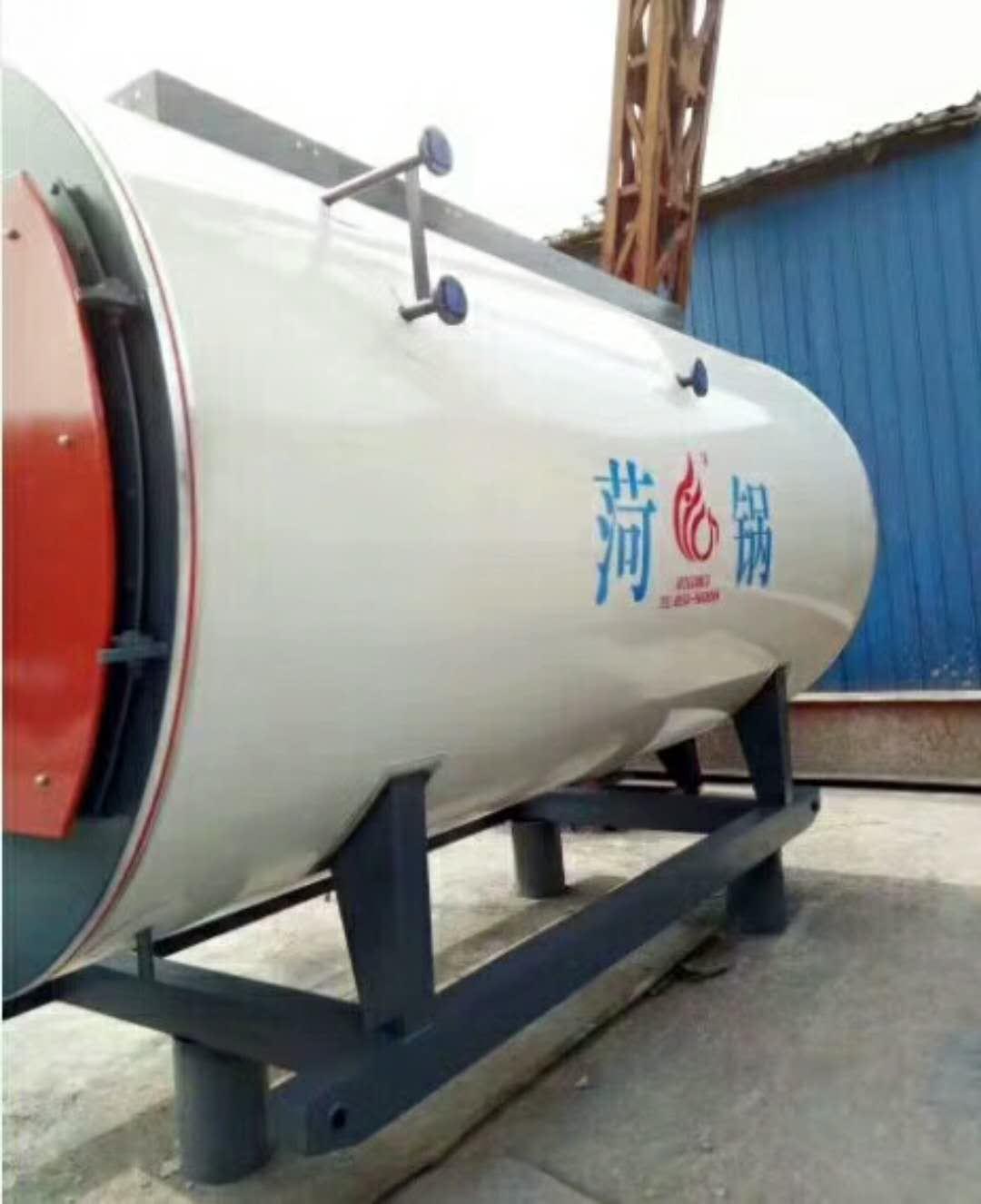
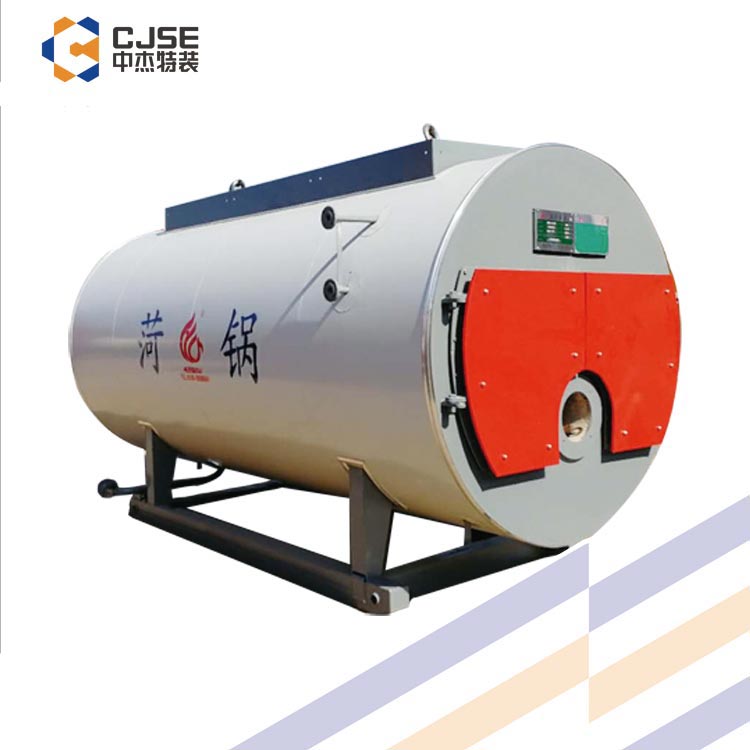
The Zhongjie modular heat transfer oil furnace is a common industrial thermal energy equipment featuring the following product characteristics: High thermal efficiency: The Zhongjie modular heat transfer oil furnace utilizes advanced combustion technology and heat exchanger design to effectively transfer the thermal energy generated by fuel combustion to the heat transfer oil, achieving energy utilization and improving thermal efficiency. Stable and reliable: Made with materials and precise manufacturing processes, this heat transfer oil furnace boasts excellent high-temperature resistance and a stable operating state, ensuring long-term stable operation with high reliability. Temperature control: Equipped with a temperature control system, the Zhongjie modular heat transfer oil furnace can monitor and adjust the temperature of the heat transfer oil in real time, guaranteeing temperature accuracy and stability during the process. Safety protection: The furnace is equipped with multiple safety protection devices, such as overheat protection, pressure protection, and burner fault protection, to effectively prevent accidents. Additionally, the furnace employs clean combustion technology, resulting in minimal emissions and environmental friendliness. Easy operation: The Zhongjie modular heat transfer oil furnace is equipped with an intelligent control system with a user-friendly interface and easy parameter adjustment, simplifying operation and reducing complexity and labor costs. Overall, the Zhongjie modular heat transfer oil furnace is characterized by stability and reliability, suitable for various industrial fields such as chemicals, textiles, and food processing, providing users with reliable thermal energy supply and process temperature control.
When selecting a suitable gas steam boiler, consider the following factors:
- Steam Demand: First, determine your steam requirements, including steam pressure and evaporation capacity. Choose a boiler with a rated evaporation capacity and steam pressure that align with your production or heating needs.
- Fuel Type: Gas steam boilers use gas as fuel, with common types including natural gas, LPG, etc. Select a fuel type based on available resources and cost considerations.
- Boiler Efficiency: Boiler efficiency directly impacts energy utilization and operating costs. Opt for a high-efficiency gas steam boiler to reduce energy consumption and operating costs. Pay attention to the boiler's thermal and combustion efficiency.
- Boiler and Manufacturer Quality: Choose a gas steam boiler from a reputable manufacturer to ensure product quality and reliability. Understand the manufacturer's production capacity, after-sales service, and technical support, and select a reliable supplier.
- Safety and Environmental Protection: Focus on the safety and environmental performance of the boiler. Ensure the boiler has necessary safety protection devices and monitoring systems, as well as a combustion system that meets environmental standards to minimize environmental impact.
- Economic Viability: Consider not only the purchase cost but also the operating and maintenance costs of the boiler. Take into account the boiler's energy consumption.
Safety requirements for steam boiler valves mainly include the following aspects: Valve Selection: Choose the appropriate type and specification of valves for steam boilers. Valves must comply with relevant standards and specifications, and possess characteristics such as high-temperature resistance, pressure resistance, and corrosion resistance. Valve Installation: Valves should be installed correctly at the corresponding positions on the steam boiler. During installation, ensure that the connections are secure and the seals are reliable to prevent leaks and loosening. Valve Operation: The operation of valves should be easy and flexible, allowing for accurate control of steam flow and pressure. The handle or device should indicate the opening and closing directions of the valve, as well as the corresponding operation methods. Valve Sealing: The sealing performance of valves is crucial. Valves should have good sealing properties to prevent steam leakage and energy loss. The sealing surfaces should be flat and smooth, and able to withstand high temperatures and wear. Valve Maintenance: Regularly inspect and maintain valves to ensure their normal operation and safety performance. This includes cleaning the valves, checking the sealing surfaces, lubricating moving parts, and promptly repairing or replacing damaged components. Safety Valve: A safety valve must be installed on the steam boiler to protect its safe operation. The safety valve must comply with relevant standards and specifications and should automatically open when the pressure exceeds the set value, releasing over-pressurized steam to prevent boiler explosion. Valve Identification: Valves should be marked with their type, specification, working pressure, and flow rate information. This helps operators correctly identify and operate valves, avoiding incorrect operations and accidents. It should be noted that the above safety requirements are general guidelines, and specific safety requirements should be determined based on the type, scale, and operating environment of the steam boiler. When using valves, follow relevant laws, regulations, and safety operation procedures to ensure the safe and effective operation of valves.
A gas heat transfer oil boiler is a device that uses gas as fuel to heat the heat transfer oil by utilizing the thermal energy produced from combustion. Here are some basic facts about gas heat transfer oil boilers:
Operating Principle: The working principle of a gas heat transfer oil boiler involves mixing gas with air, then burning it to produce high-temperature flue gas. This flue gas is then passed through the flue and heat exchanger to exchange heat with the heat transfer oil, transferring thermal energy to the oil and raising its temperature. The heat transfer oil circulates within the boiler, transferring heat to the equipment or process that requires heating.
Heat Transfer Oil: The heat transfer oil used in gas heat transfer oil boilers is typically an organic heat carrier, such as mineral oil or synthetic oil. This oil has high thermal conductivity and stability, allowing it to operate stably at high temperatures and transfer heat to the heated equipment.
Gas Combustion System: Gas heat transfer oil boilers are equipped with a gas combustion system, including burners, gas supply systems, and control systems. The burners mix gas with air and burn it to produce heat. The gas supply system provides the gas and adjusts the supply amount as needed. The control system monitors and controls the combustion process to maintain a stable operating state.
Safety Protection Devices: Gas heat transfer oil boilers are equipped with various safety protection devices to ensure safe operation of the equipment. Common safety protection devices include overheat protection, overpressure protection, and water level protection. These devices monitor and control the boiler's operating status to prevent equipment damage and safety accidents.
Application Fields: Gas heat transfer oil boilers are widely used in industrial sectors such as chemical, textile, food processing, and papermaking. They can provide stable high-temperature heating.
Shandong Zhongjie Special Equipment, welcome customers to our factory for business discussions.
WeChat Official Account

Scan to follow Official Account




















