
















Shandong Zhongjie Special Equipment Co., Ltd.VIP

中杰特装储罐主营:LNG储罐、LPG储罐、液氧储罐、化工设备等安装服务.
Enter Shop

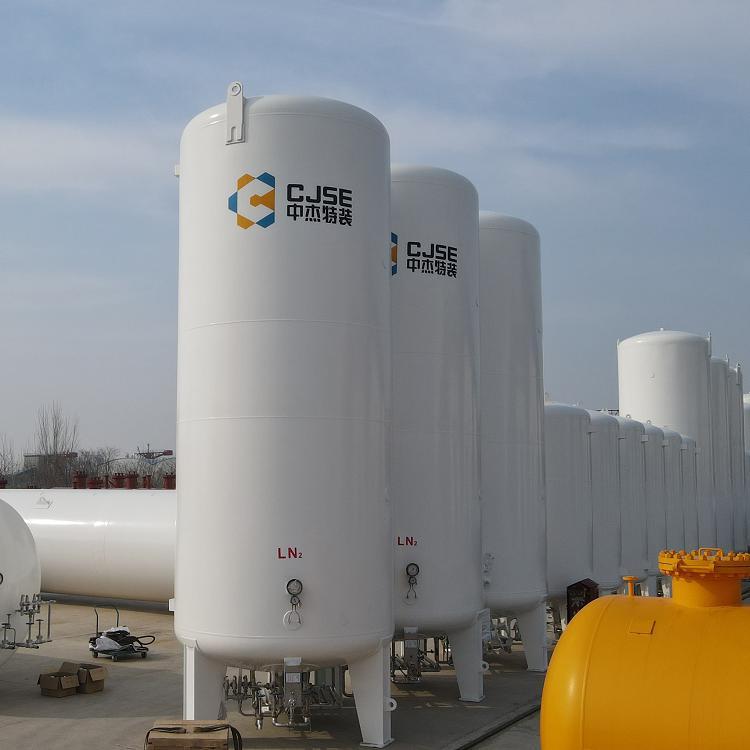
Wuhan 5 cubic oxygen storage tank, high cost-performance

平台认证
  • Unit Price

    $10000.00/Tai

  • Brand

    Zhong Jie

  • MOQ

    1Tai

Contact
Leave Msg

Platform Service

Supplier Verified


山东中杰特种装备股份有限公司

VIP   数字营销第2年
资料通过中商114认证
  • Shandong
  • 于秋波 (Mr.)   业务经理
Category
  • No Category

Product Details

Specs

Gallery

  • Brand:

    Zhong Jie

  • Unit Price:

    $10000.00 / Tai

  • MOQ:

    MOQ1Tai

  • Total:

    9999Tai

  • Address:

    Shandong

  • Delivery:

    3days

  • View More

Description

Shandong Zhongjie Special Equipment (formerly Heze Boiler Factory Co., Ltd.) was established in 2001, located at No. 2218 Jinnan Road, Development Zone, Heze City, with a registered capital of 50 million yuan and total assets of 500 million yuan. The company has 7 business centers: boilers, deep-freezing containers, pressure vessels, central air conditioning, engineering installation, international trade, and Internet of Things. It has three factory sites on Jinnan Road, East Changjiang Road, and Bohai Road, covering a total of 200,000 square meters. The main workshop spans 83,000 square meters. It currently employs 710 staff, including 247 engineers and technicians, and 82 intermediate-level technicians. In December 2016, it was recognized as a "High-tech Enterprise" by the Science and Technology Department. In June 2021, it was identified as a "Specialized and New Enterprise in Shandong Province" by the Ministry of Industry and Information Technology. In June 2022, it was recognized as a "Gazelle Enterprise in Shandong Province" and in August 2022, it was identified as a "Specialized and New Small Giant Enterprise" by the Ministry of Industry and Information Technology.
Liquid Argon Storage Tanks are equipment used for storing and transporting liquid argon, featuring the following characteristics:
Low-temperature retention performance: The liquid argon storage tank is equipped with special insulation materials and structural design, effectively maintaining the low-temperature state of liquid argon. The tank is internally lined with insulation to minimize heat transfer and loss, ensuring long-term storage of liquid argon.
High-sealing performance: The liquid argon storage tank boasts excellent sealing properties, effectively preventing any leakage or evaporation of liquid argon. The tank's valves, fittings, and seals, etc., are precision-designed and manufactured, ensuring reliable sealing performance.
High strength and corrosion resistance: The liquid argon storage tank is made of high-strength materials, capable of withstanding the high pressure and low temperature of liquid argon. Both the internal and external surfaces of the tank are specially treated for excellent corrosion resistance, able to withstand the corrosion and oxidation from liquid argon.
Safety Performance: The liquid argon storage tank is equipped with multiple safety protection measures, including safety valves, pressure sensors, and level monitoring devices. These devices can monitor and control the tank's pressure, temperature, and level, ensuring the tank operates within a safe range.
Reliability and Stability: The liquid argon storage tank has been rigorously designed, manufactured, and tested, offering excellent reliability and stability. The tank is capable of long-term stable storage and transportation of liquid argon, ensuring the quality and performance of the liquid argon remain unaffected.
Easy to operate and maintain: The liquid argon tank is relatively simple to operate and maintain, equipped with valves and connectors that are easy to use. The maintenance work mainly includes regular inspections, cleaning, and repairs, which can extend the lifespan of the tank.
The performance characteristics of liquid argon tanks make them essential for the storage and transportation of liquid argon, widely used in scientific research, industry, and other fields. When using liquid argon tanks, it is crucial to strictly adhere to the relevant operational specifications and safety requirements to ensure safe use.
武汉5方氧气储罐
To safely utilize liquid oxygen tanks, attention should be paid to the following aspects:
Training: Operators of liquid oxygen tanks must receive training to understand the properties of liquid oxygen, safety operating procedures, and emergency response measures. Only trained personnel are authorized to handle liquid oxygen tanks.
Safety Operating Procedures: Establish and adhere to the safety operating procedures for liquid oxygen tanks, including proper operational procedures, protective measures, and emergency response plans. Ensure operators follow the procedures to minimize accident risks.
Equipment Inspection and Maintenance: Regularly inspect the condition of liquid oxygen tanks and associated equipment, including valves, pipelines, pressure gauges, etc. Ensure that the equipment is in perfect condition without any damage, and promptly repair or replace any damaged parts.
Leak Control: Equipped with leak detection and alarm systems to promptly identify and control leaks in liquid oxygen storage tanks. In the event of a leak, immediate measures should be taken to contain the source of the leak and carry out repairs.
Fire Prevention Measures: Liquid oxygen contains a high concentration of oxygen, which is prone to causing fires. Measures such as setting up fire barriers around liquid oxygen storage tanks and using fire-retardant coatings are taken to prevent fires from occurring and spreading.
Electrostatic Protection: Electrostatic buildup in liquid oxygen tanks can cause sparks, increasing the risk of fire. Measures such as using electrostatic conductive materials and anti-static equipment should be taken to reduce the accumulation and release of static electricity.
Ventilation Requirements: Ensure adequate ventilation within the enclosed space of the liquid oxygen storage tank to expel gases produced by the evaporation of liquid oxygen. Avoid excessive oxygen concentration and minimize
武汉5方氧气储罐
The stable pressure design for a 15-cubic-meter liquid argon storage tank requires consideration of the following aspects:
Tank Pressure: Determine the design pressure of the tank to meet the storage and supply requirements for liquid argon. Establish an appropriate design pressure range based on the characteristics and usage conditions of liquid argon.
Stabilization System: Choose an appropriate stabilization system to maintain stable pressure within the storage tank. The stabilization system typically includes components such as pressure regulators, pressure sensors, and control valves, which are used to monitor and adjust the pressure inside the tank.
Pressure Sensor: Install a pressure sensor to monitor the pressure changes within the storage tank in real-time. The sensor transmits the pressure signal to the pressure regulation system to promptly adjust the opening of the control valve, ensuring the stability of the pressure inside the tank.
Control Valve: Select an appropriate control valve for adjusting the gas flow and pressure within the storage tank. The control valve should possess excellent regulating performance and stability to ensure the pressure within the tank stays within the set range.
Safety Valve: Install a safety valve to automatically release gas when the pressure inside the storage tank exceeds the set value, preventing overpressure. The safety valve should be selected and installed based on the design pressure and capacity of the storage tank.
Voltage Stabilization System Control: Equipped with a suitable control system for monitoring and regulating the operation of the voltage stabilization system. The control system enables automatic adjustments and alarm functions to ensure stable and safe pressure within the storage tank.
It is important to note that the design of pressure regulation should be tailored to the specific engineering requirements and operational conditions of the liquid argon storage tank, adhering to relevant local regulations, standards, and specifications. When designing and installing the pressure regulation system, it is advisable to consult with engineers or relevant institutions for guidance to ensure the reliability and safety of the system.
武汉5方氧气储罐
The daily inspection content for liquid nitrogen tanks primarily includes the following aspects:
Visual Inspection: Check for any visible damage, deformation, or corrosion on the tank's exterior, including the tank walls, valves, pipes, and joints.
Sealability Inspection: Verify the tank's sealing performance, including checking for leaks at valve and pipeline connections, and ensuring the tank's exhaust valve and safety valve are functioning properly.
Pressure Check: Verify that the tank's pressure gauge is functioning properly and that the pressure is within the normal range to ensure the tank operates normally.
Level Check: Monitor the liquid nitrogen tank's level to ensure it remains within the normal range, avoiding issues caused by either too high or too low levels.
Insulation Layer Inspection: Verify the integrity of the storage tank's insulation layer, checking for any damage or delamination to ensure optimal insulation and minimize evaporation losses of liquid nitrogen.
Leak Inspection: Check for signs of liquid nitrogen leakage around the storage tank, including any frost, ice, or liquid nitrogen stains on the ground.
Safety Equipment Inspection: Check that the storage tank's safety equipment, such as leak detectors, alarm systems, and safety valves, are functioning properly to ensure the tank's safety.
Clean Inspection: Regularly clean the interior of the tank to remove accumulated impurities and dirt, maintaining the tank's cleanliness and hygiene.
The above outlines the routine inspection requirements for liquid nitrogen tanks. Specific inspection details should be adjusted and supplemented based on the tank's model, usage, and relevant regulations. During the inspection, strict adherence to operational procedures and safety standards is essential to ensure the safe operation of the tank.
Shandong Zhongjie Special Equipment, welcome customers to visit our factory for business talks.

Disclaimer:Info provided by user, user liable for authenticity, accuracy & legality. Zhongshang114 assumes no liability.

Tip:Confirm supplier qualification & quality before purchase to avoid risks.

Unit Price $10000.00 / Tai
Sales None
Delivery Shandong3dayswithin
Stock 9999TaiMOQ1Tai
Brand Zhong Jie
Structural Form Vertical
Pressure 0.8 or 1.6 MPa
Type Oxygen, Nitrogen, Argon Storage Vessels
Expiry Long Valid
Update 2025-06-16 08:42
Gallery

Shandong Zhongjie Special Equipment Co., Ltd.Published byWuhan 5 cubic oxygen storage tank, high cost-performanceGallery Lib

Contact Merchant


Join

Successful Enterprise Join, Enjoy Multiple Privileges

Join Hotline:4006299930

Please scan with mobile phone

Customer Service

Service Hotline:4006299930

Official Account

WeChat Official Account, Get Business Opportunities

Scan to follow WeChat

Top