


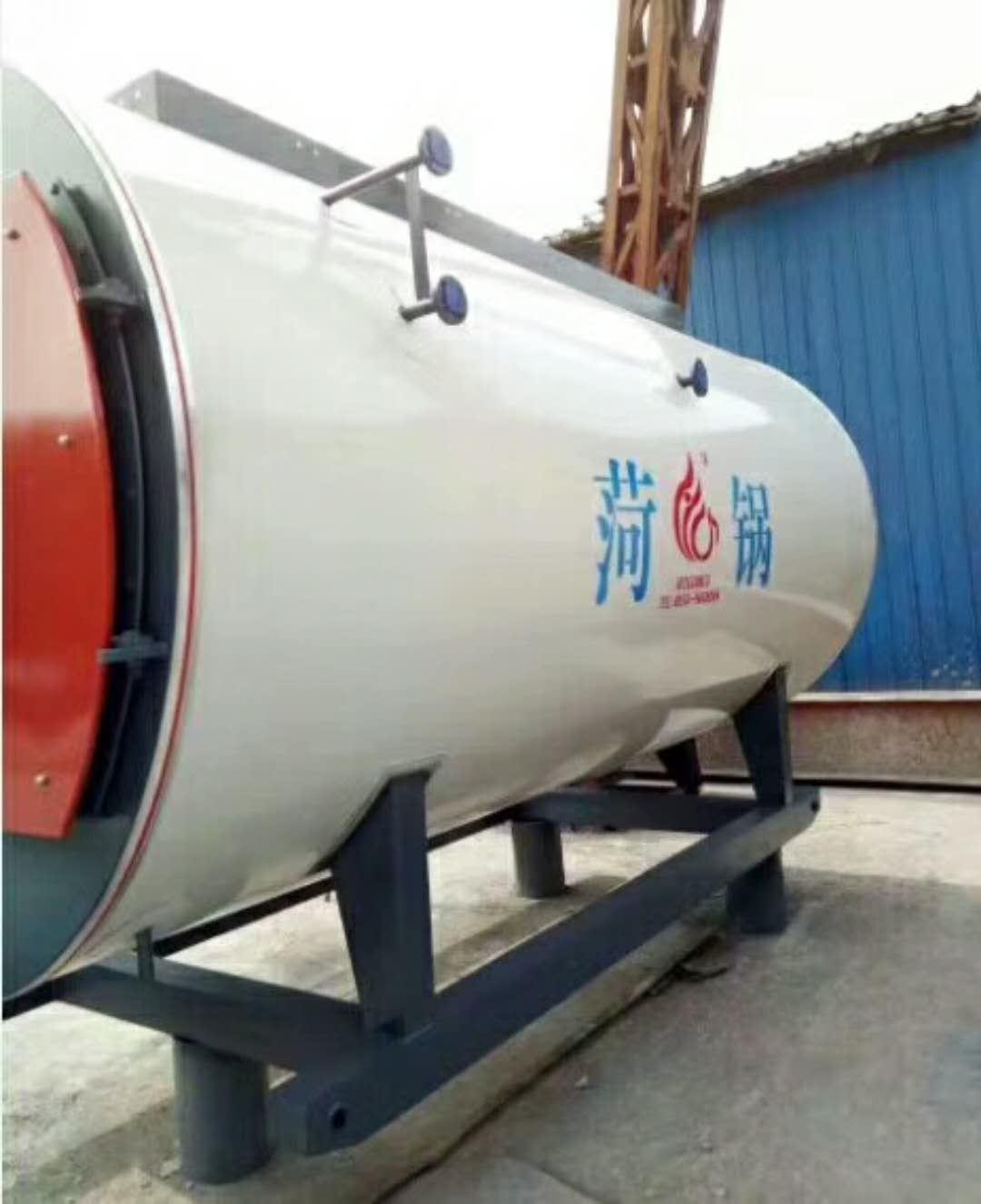

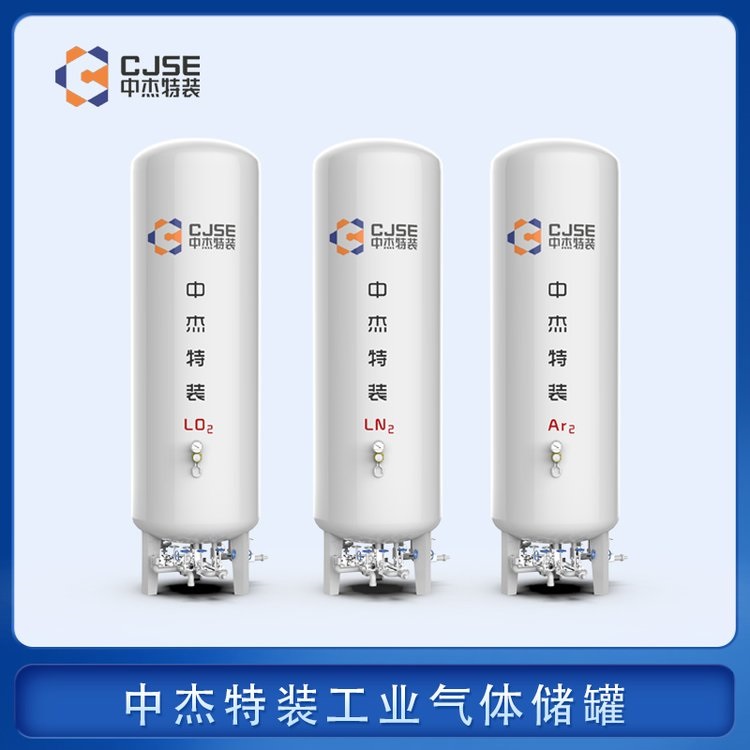
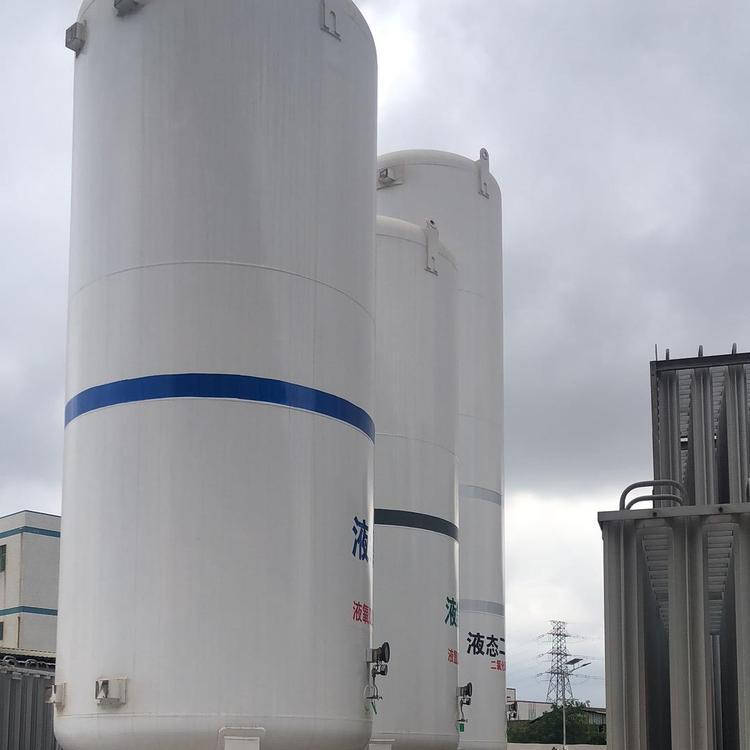



















Shandong Zhongjie Special Equipment (formerly Heze Boiler Factory Co., Ltd.) was established in 2001, located at No. 2218 Jinnan Road, Development Zone, Heze City. With a registered capital of 50 million yuan and total assets of 500 million yuan, the company has 7 business centers: boilers, deep-freezing vessels, pressure vessels, central air conditioning, engineering installation, international trade, and Internet of Things. It has three factory sites on Jinnan Road, East Changjiang Road, and Bohai Road, covering a total of 200,000 square meters, with the main workshop spanning 83,000 square meters. It currently employs 710 staff, including 247 engineers and technicians, and 82 intermediate-level technicians. In December 2016, it was recognized as a "High-tech Enterprise" by the Science and Technology Department. In June 2021, it was identified as a "Specialized and New Enterprise in Shandong Province" by the Ministry of Industry and Information Technology. In June 2022, it was named a "Gazelle Enterprise in Shandong Province," and in August 2022, it was recognized as a "Specialized and New Small Giant Enterprise" by the Ministry of Industry and Information Technology.
To extend the service life of liquid argon storage tanks, the following measures can be taken:
Regular Inspections and Maintenance: Conduct periodic visual inspections of the liquid argon storage tank, check valves and connections, and perform leak detection and pressure tests. Identify and repair potential issues promptly to ensure the tank operates normally.
Maintain the insulation layer: The insulation layer is crucial for the thermal insulation of liquid argon storage tanks. Regularly inspect the integrity and insulation performance of the insulation layer, repair or replace any damaged insulation materials, to ensure the tank's thermal insulation effectiveness.
Regulate Liquid Argon Temperature: Maintain the liquid argon temperature within an appropriate range to prevent damage to the storage tank from excessive or low temperatures. Implement suitable cooling or heating measures to ensure stable liquid argon temperature.
Corrosion Protection: The outer shell and internal structure of the liquid argon tank should be protected against corrosion and oxidation. Regularly inspect and maintain the protective coating to ensure its integrity and prevent damage.
Avoid excessive pressure and overfilling: Prevent the internal pressure of the tank from being too high or too low, as well as overfilling with liquid argon. Excessive pressure and overfilling can lead to structural破裂 or damage of the tank.
Regular cleaning and waste removal: Regularly clean the interior of the tank to remove accumulated impurities and dirt. Regularly remove waste to prevent杂质 and sediments in liquid argon from damaging the tank.
Safety Operation and Training: Ensure operators have knowledge and skills for safe handling of liquid argon tanks. Enhance safety training to improve operators' safety awareness and emergency response capabilities.
Establish comprehensive management records and documents, including tank usage, inspection, and maintenance records. Regularly review and update these records to ensure safe management and maintenance of the tanks.
These measures can help extend the service life of liquid argon storage tanks, but specific operations and management are required based on the type and application of the tank. When conducting maintenance and operation, please adhere to relevant specifications and standards, and consult with experts to ensure safety and effectiveness.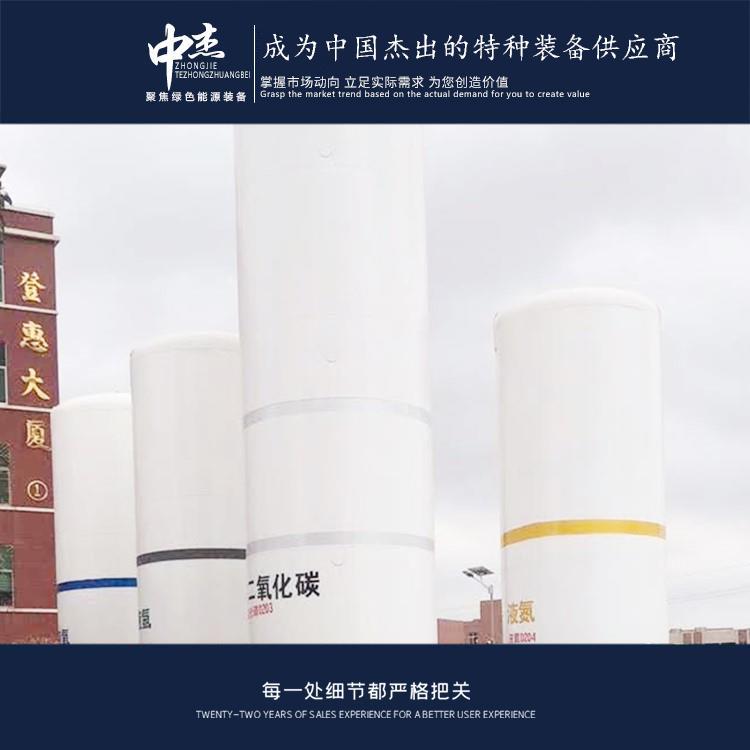
The safety distance between liquid oxygen storage tanks and buildings is typically dictated by relevant safety standards and regulations to ensure a safe distance and fire separation between them. The following is a reference for the general safety distance between liquid oxygen storage tanks and buildings:
Horizontal spacing: The horizontal distance between the liquid oxygen storage tank and the building is typically required to maintain a certain distance to prevent danger in case of tank leakage or accidents. The specific spacing should be determined based on factors such as the tank's capacity, pressure, and the nature of the building, with a general recommendation to maintain a safe distance.
Vertical spacing: The vertical distance between the liquid oxygen storage tank and the building must also comply with relevant safety requirements. This is to prevent the tank from causing danger to the building in the event of a leak or accident. The specific spacing requirements will also be determined by factors such as the tank's capacity, pressure, and the height of the building, with a general recommendation to maintain a certain safety distance.
Fire Protection Distance: Liquid oxygen has a high oxygen content and flammability, and in the event of a leak or accident, it may cause a fire. Therefore, a certain fire protection distance must be maintained between the liquid oxygen storage tank and the building to ensure that the fire does not spread or pose a danger to the building. Specific fire protection distance requirements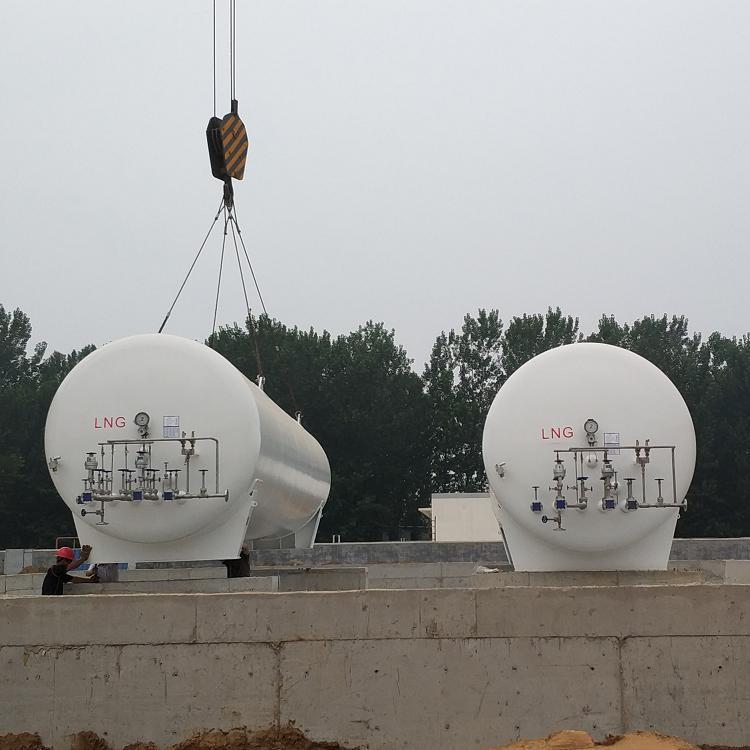
The use of liquid oxygen storage tanks requires special attention to the following safety matters:
Training: Personnel operating liquid oxygen tanks must receive training on the properties of liquid oxygen, safe operational procedures, and emergency response measures. Only trained personnel are authorized to operate liquid oxygen tanks.
Safety Operating Procedures: Establish and adhere to safe operating procedures for liquid oxygen tanks, including proper operational processes, protective measures, and emergency response plans. Ensure operators follow the procedures to minimize accident risks.
Protective Measures: When using liquid oxygen tanks, it is mandatory to take necessary precautions, such as wearing protective gloves and suits. Avoid direct contact with liquid oxygen to prevent frostbite.
Leak Control: Regularly inspect the liquid oxygen storage tank for leaks and equip with leak detectors and alarm systems. In the event of a leak, immediate action should be taken to control the leak and proceed with repairs.
Fire Prevention Measures: Liquid oxygen has a high oxygen content, which is prone to causing fires. To prevent and control fire outbreaks, measures such as installing firewalls around liquid oxygen storage tanks and using fire-resistant coatings are implemented.
Static Dissipation: The accumulation of static electricity in liquid oxygen tanks can cause sparks, increasing the risk of fire. Measures such as using static-conductive materials and anti-static equipment are taken to reduce the accumulation and release of static electricity.
Ventilation Requirements: Ensure adequate ventilation within the enclosed space of the liquid oxygen storage tank to expel vapors produced by the evaporation of liquid oxygen.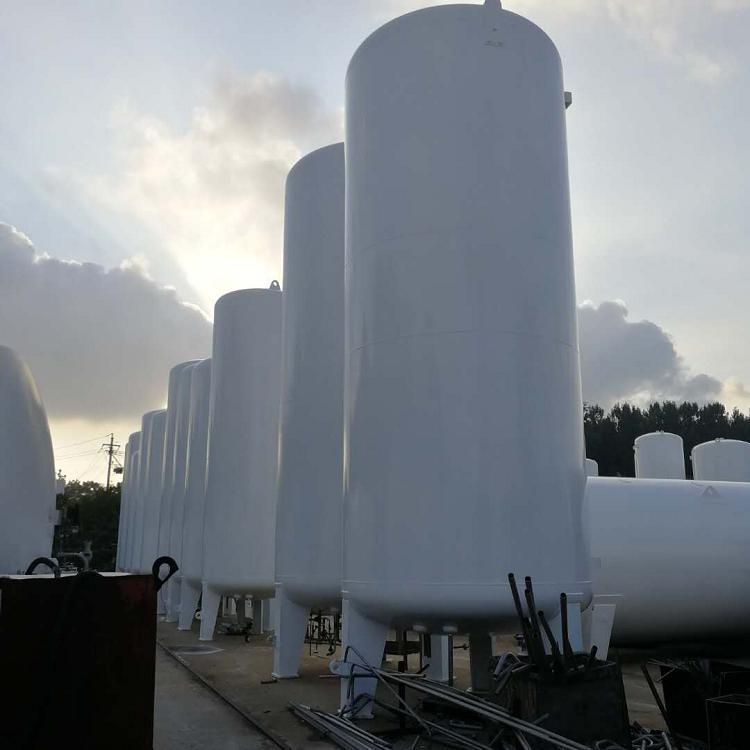
The materials used for liquid oxygen storage tanks typically require excellent low-temperature resistance and corrosion resistance. Common materials for constructing liquid oxygen storage tanks include:
Stainless Steel: A commonly used material for liquid oxygen storage tanks, stainless steel boasts excellent corrosion resistance and mechanical strength. Common stainless steel grades include 304 and 316.
Aluminum Alloy: Aluminum alloys are also commonly used in the production of liquid oxygen tanks, featuring low density and excellent corrosion resistance. Common aluminum alloy materials include 5083 and 6061 aluminum alloys.
Fiberglass Reinforced Plastic (FRP): FRP is a composite material made up of glass fibers and resin. It boasts excellent corrosion resistance and mechanical strength, making it suitable for liquid oxygen storage tanks in some special environments.
Carbon Steel: Carbon steel is a common material for tank fabrication, known for its high strength and corrosion resistance. However, it is prone to oxidation in liquid oxygen environments, necessitating anti-corrosion measures.
It's important to note that the choice of materials for liquid oxygen tanks should be determined based on specific application requirements, operating conditions, and safety standards. When selecting materials, consider the properties of liquid oxygen and the design requirements of the tank to ensure safety and reliability. Additionally, manufacturers and suppliers often provide material selection advice and technical support.
Our company highly values technological innovation and R&D, boasting a municipal-level enterprise technology center in Heze City. We have established testing facilities for non-destructive testing, physical and chemical testing, welding testing, hydrostatic testing, and more, equipped with over 600 various instruments and equipment such as CNC machines, X-ray flaw detectors, digital ultrasonic flaw detectors, mechanical property testing machines, chemical analyzers, spectrometers, tensile testing machines, and plasma welding machines. Our key products like temperature-pressure vessels, biomass boiler emission reduction, and waste heat recovery have successively been selected for multiple Shandong Provincial Department of Industry and Information Technology science and technology innovation projects, Shandong Provincial key projects, and Heze City innovation and excellence projects. We have cumulatively obtained 27 authorized utility model patents, 16 authorized invention patents, participated in drafting 2 standards, 2 industry standards, and registered 15 trademarks. The company's technical team, in collaboration with Professor Yajiang Li from Shandong University, has developed deep cryogenic vessel processing technology using the international plasma arc + filler wire tungsten inert gas arc welding (PAW-GTAW) technology. This technology has been appraised at the provincial level for its scientific and technological achievements, reaching an international level in the field of deep cryogenic vessel manufacturing. Choose Zhongjietech, let's create brilliance together!
WeChat Official Account

Scan to follow Official Account




















