


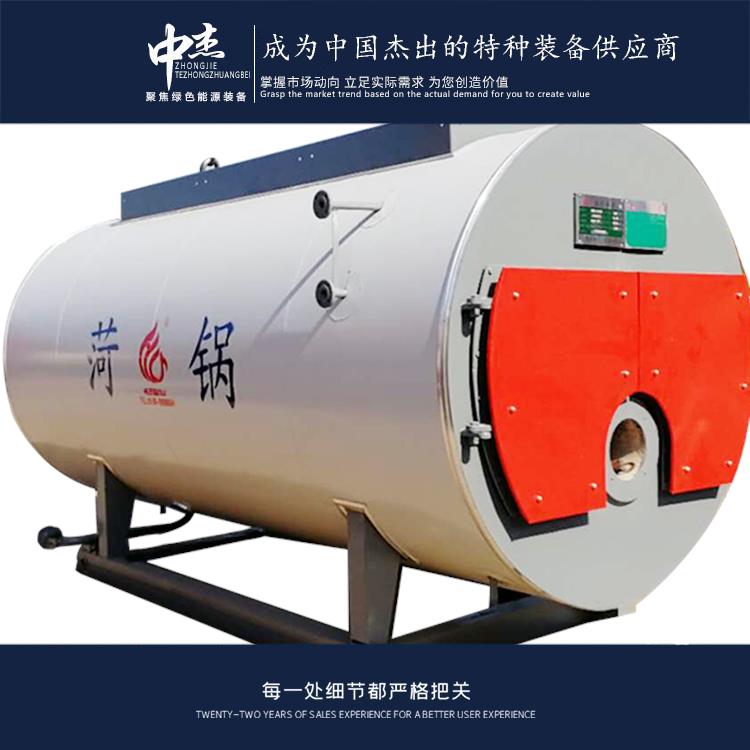

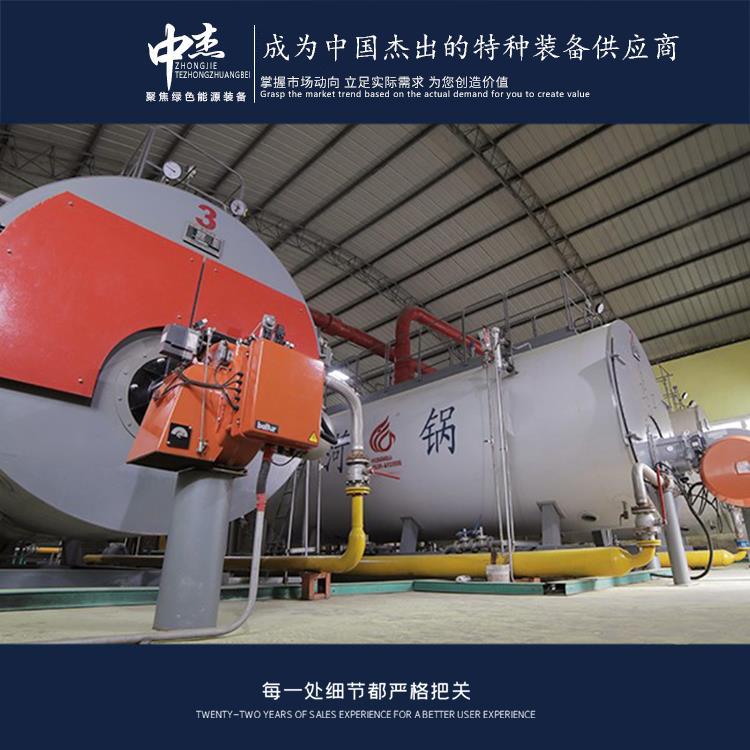
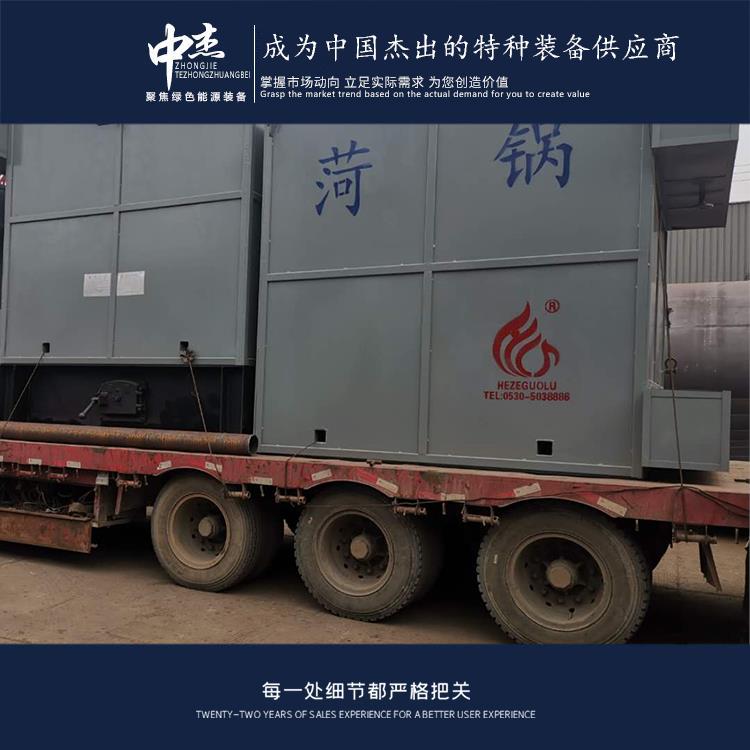



















Shandong Zhongjie Special Equipment (formerly Heze Boiler Factory Co., Ltd.) holds an A-grade boiler manufacturing license, A2-grade pressure vessel manufacturing license, A2-grade pressure vessel design license, B-grade boiler installation license, and GB2/Class, GC2/Class pressure pipeline installation license, as well as a qualification for electromechanical equipment installation contracting. It is a member of the China Boiler and Water Treatment Association, the China Chemical Equipment Association, and the Council Unit of Shandong Equipment Manufacturing Association. The company has also passed the ISO9001 Quality Management System, ISO14001 Environmental Management System, OHSAS18001 Occupational Health and Safety Management System certifications, and the U.S. ASME/U2 certification.
The inspection of the heat-conducting oil boiler tube plates is to ensure the safe operation of the boiler and prevent potential issues. The following are general steps for inspecting heat-conducting oil boiler tube plates:
- Visual Inspection: Conduct a visual inspection to check for any obvious corrosion, cracks, deformation, or other anomalies on the surface of the tube plates. Pay special attention to checking for cracks or leaks at the welds and joints.
- Clean the Tube Plates: Clean the surface of the tube plates thoroughly to remove dirt and deposits for proper inspection.
- Ultrasonic Testing: Use an ultrasonic testing device to inspect the tube plates to detect any possible cracks or other defects. Ultrasonic testing helps determine the integrity and reliability of the tube plates.
- Pressure Test: Perform a pressure test to verify the sealing and pressure resistance of the tube plates. Gradually increase the pressure during the test, observe for any leakage, and ensure the tube plates can withstand the designed pressure.
- Tube Plate Thickness Measurement: Use an ultrasonic thickness gauge to measure the thickness of the tube plates to ensure they meet the design requirements. Pay particular attention to the corrosion status, ensuring it remains within safe limits.
- Weld Inspection: Inspect the welds of the tube plates to ensure the quality of the welds meets relevant standards and specifications. Check the integrity, quality of the welds, and whether the welding process meets requirements.
- Record and Report: Record and report the inspection results of the tube plates, including any issues found, corrective measures, and recommendations. These records and reports can serve as references for future maintenance and management.
It is important to note that the inspection of heat-conducting oil boiler tube plates should be conducted by qualified personnel and performed strictly in accordance with relevant standards and specifications. If any issues or anomalies are detected, appropriate repair and maintenance measures should be taken promptly to ensure the safe operation of the boiler.
To reduce the operating costs of gas boilers, consider the following aspects:
1. Combustion System: Ensure the stability of the combustion system of the gas boiler. Regularly inspect and maintain the burner, clean the nozzles and combustion chamber, adjust the ratio of gas to air to improve combustion efficiency and reduce gas waste.
2. Energy-Saving Control System: Install and use energy-saving control systems such as smart thermostats and timers. These systems can automatically adjust the operating status of the boiler based on actual needs, avoiding unnecessary energy waste.
3. Regular Maintenance: Conduct regular maintenance on the gas boiler, including cleaning heat exchangers, inspecting and replacing seals, and clearing gas pipes. Maintain the normal operation of the boiler to reduce energy loss and prevent breakdowns.
4. Heat Recovery: Consider installing heat recovery devices such as waste heat recovery systems or flue gas heat exchangers. These devices can utilize the excess heat from the flue gas emitted by the gas boiler to heat water or other equipment requiring heat, improving energy utilization efficiency.
5. Pipe Insulation and Leak Checks: Ensure that the insulation of gas pipes and hot water pipes is good to reduce energy loss. Regularly check for pipe leaks and repair them promptly to avoid energy waste and safety hazards.
6. Energy Management and Monitoring: Establish an effective energy management system to monitor and analyze the energy consumption of the gas boiler. Through data analysis and optimizing operating strategies, identify energy-saving potential and areas for improvement.
7. Training and Awareness: Provide employee training to enhance awareness of operating and maintaining gas boilers. Improved knowledge and skills of employees contribute to effective management and operation of gas boilers, thereby reducing operating costs.
By considering these factors comprehensively, you can effectively lower the operation costs of gas boilers.
After the hot water boiler is shut down, here are some common maintenance measures:
Clean the boiler: After shutdown, the boiler should be cleaned first. Dust, dirt, and sediment inside the boiler can be washed with appropriate cleaning tools and detergents. Pay special attention to cleaning the combustion chamber, flue, and heat exchanger, among other critical areas.
Drain the water: Empty the water from the boiler to prevent the accumulation of scale and corrosive substances. Open the drain valve to expel water until the interior is completely drained.
Corrosion prevention: Before shutdown, corrosion prevention can be applied to the boiler's internal metal materials. Use appropriate corrosion inhibitors or coatings, applying them to key areas inside the boiler.
Inspection and maintenance: During shutdown, regularly check the boiler's components and connections to ensure there are no loose, damaged, or leaking issues. If problems are found, repair or replace them promptly.
Keep dry: After shutdown, maintain the interior of the boiler dry. Open the boiler's ventilation and exhaust openings to maintain air circulation, preventing moisture and mold growth.
Regular inspections: Regularly check the boiler's condition to ensure there are no abnormalities. Develop a corresponding inspection schedule based on the boiler's usage and requirements, such as a comprehensive check every quarter or year.
Preparation before startup: Before restarting the boiler, appropriate preparations should be made. This includes cleaning the boiler, checking the connections of equipment and pipelines, and inspecting the fuel supply.
The temperature control methods for gas boilers typically include:
- Manual Adjustment: The temperature of a gas boiler is controlled by manually operating valves or regulators. Adjust the valve opening or regulator settings as needed to achieve the desired temperature.
- Automatic Adjustment: Gas boilers can be equipped with an automatic control system that uses sensors and controllers for automatic temperature regulation. Sensors detect the boiler's temperature and send signals to the controller, which then automatically adjusts the gas supply and burner status within a set temperature range to maintain the desired temperature.
- Proportional Control: The temperature regulation of gas boilers can also be done using proportional control. Adjust the valve or regulator opening based on temperature changes to maintain a proportional relationship between gas supply and burner status.
- PID Control: PID control is a commonly used temperature regulation method. The PID controller adjusts the gas supply and burner status based on temperature deviation, rate of change, and integral values to achieve temperature control.
Note that different gas boilers may use different temperature control methods, and the specific method and operation should be determined by the boiler model and control system. When adjusting the temperature, follow safety operating procedures to ensure normal operation and safety performance of the boiler.
Zhongjie Special Equipment upholds the great vision of "realizing employees' dreams, creating value for customers, and striving for the prosperity and strength of our motherland," and is dedicated to the development of the green energy equipment industry. We offer products and services with high cost-performance to contribute to society!
WeChat Official Account

Scan to follow Official Account




















