


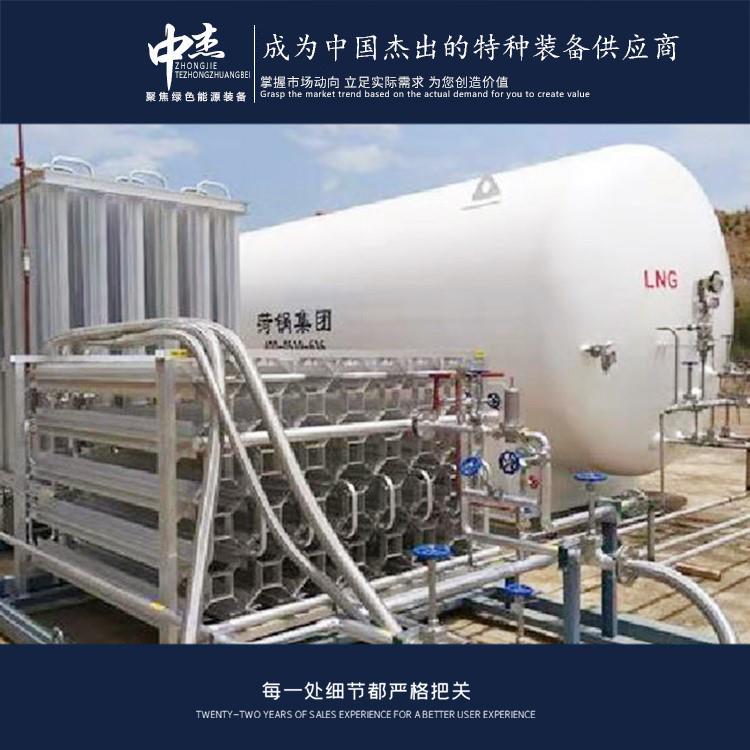



















Shandong Zhongjie Special Equipment's main products include: fuel (gas) boilers, organic heat carrier boilers, biomass boilers, waste heat boilers, and other boiler products; vacuum insulation cryogenic pressure vessels such as LNG tanks, oxygen-nitrogenargon tanks, and CO2 tanks; pressure vessel products such as denitrification engineering equipment, heat storage and energy storage equipment, and complete chemical equipment; central air conditioning and ventilation equipment like ground (water) source heat pumps, air source units, water-cooled screw units, and air-cooled modules. Planned products include large-scale energy centers, LNG transport vehicles, LNG tank containers, and other green energy equipment.
One of the common drawbacks of pressure vessels during use is corrosion. Corrosion refers to the reaction between the metal surface and chemical substances in the environment, leading to damage to the metal surface and thinning of the material. The following are common corrosion drawbacks of pressure vessels:
Pitting Corrosion: Pitting corrosion refers to the localized pits or holes that appear on the surface of a metal. This type of corrosion is often caused by corrosive substances present in the local environment, such as acids, salts, etc.
Bacterial Corrosion: Bacterial corrosion is a type of corrosion caused by microorganisms. These organisms can form biofilms inside pressure vessels and produce acidic substances, leading to corrosion of the metal surface.
Punch Corrosion: Punch corrosion refers to the penetration corrosion phenomenon that occurs on the metal surface. This type of corrosion usually occurs due to damage or defects in the protective layer of the metal surface, allowing corrosive substances to come into direct contact with the metal surface.
Stress Corrosion Cracking: Stress corrosion cracking occurs when a metal surface is simultaneously subjected to stress and a corrosive environment, leading to the formation and propagation of cracks. This type of corrosion is often found in pressure vessels operating under high stress and corrosive conditions.
Corrosion can lead to material thinning and reduced strength in pressure vessels, even causing severe consequences such as leaks or ruptures. Therefore, measures should be taken to address the corrosion issue in pressure vessels, including:
Regularly inspect and assess the corrosion of pressure vessels, including methods such as visual checks and non-destructive testing.
Implement corrosion prevention measures such as coating protection, cathodic protection, and selecting appropriate materials to minimize the occurrence and progression of corrosion.
Regularly clean and maintain pressure vessels to remove dirt and impurities that may cause corrosion.
Adhere to relevant safety regulations and operational guidelines to ensure the smooth and safe operation of pressure vessels.
For severely corroded pressure vessels, repair or replacement may be necessary to ensure their safety and reliability.
Liquid nitrogen tanks are equipment used for storing and transporting liquid nitrogen. To ensure their safe operation, here are some common safety procedures for using liquid nitrogen tanks:
Tank Installation: Tanks should be installed on a solid and level foundation, away from fire sources and flammable materials. Good ventilation around the tank is required to prevent gas accumulation. The tank should maintain a safe distance from other equipment and buildings.
Liquid Nitrogen Filling: Use appropriate liquid nitrogen transfer equipment when filling to avoid direct contact with liquid nitrogen. During the filling process, monitor the flow rate and pressure of the liquid nitrogen to prevent over-filling and excessive pressure in the storage tank.
Tank Pressure Control: Tanks should be equipped with pressure control devices to ensure internal pressure is within a safe range. Regularly inspect and maintain the pressure control devices to ensure proper functioning.
Leak Detection and Alarm Systems: Storage tanks should be equipped with leak detection and alarm systems to promptly detect and alert of any tank leaks. Regularly inspect and maintain the leak detection equipment to ensure proper functioning.
Fire and Explosion Prevention Measures: A fire-resistant isolation zone should be established around the storage tank, away from fire sources and flammable materials. The tank itself should adopt fire and explosion prevention measures, such as fire-resistant coatings and explosion-proof devices, to prevent fires and explosions.
Regular Inspections and Maintenance: Conduct regular checks of the tank's exterior, valves, and connections to ensure they are undamaged. Regularly perform leak detection and pressure tests to ensure the tank meets safety performance requirements.
Safety Training and Awareness Enhancement: Conduct safety training for operators to enhance their awareness and ability in safe operation of liquid nitrogen tanks. Regularly hold safety training and drills to respond to emergencies.
Establish comprehensive management records and documents, including tank usage, inspection, and maintenance records. Regularly review and update these records to ensure safe management and maintenance of the tanks.
Note that the above are some common protective procedures, which may vary depending on the type of tank and application. When using liquid nitrogen tanks, operate according to relevant specifications and standards, and consult with experts to ensure safety and effectiveness.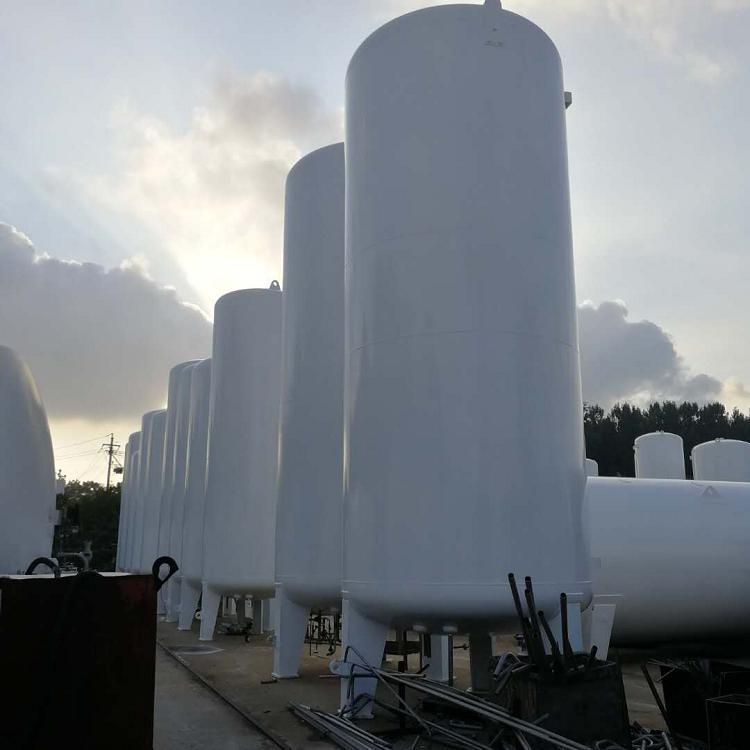
The temperature difference between the interior and exterior of a low-temperature liquid storage tank depends on various factors, including the tank's design, insulation properties, the temperature of the liquid, and the ambient temperature. Generally, the interior temperature of a low-temperature liquid storage tank is much lower than the ambient temperature.
Low-temperature liquid storage tanks are commonly used for storing liquefied nitrogen, oxygen, argon, and other low-temperature liquids. These liquids have very low boiling points, usually below -100 degrees Celsius. To maintain the low temperature of the liquids, the tanks must have good insulation to minimize heat transfer and evaporation loss.
Low-temperature liquid storage tanks typically provide a smaller temperature variance. Generally, the internal temperature of the tank can be maintained near the boiling point of the liquid, usually several tens of degrees Celsius lower than the ambient temperature. The specific temperature variance depends on the tank's design and insulation properties, as well as the characteristics of the liquid.
Note that the temperature differences in low-temperature liquid storage tanks may change over time. As time passes, the insulating material's performance may be affected by wear or aging, leading to increased temperature differences. Therefore, regular inspection and maintenance of the tank's insulation are crucial to ensure its effective and stable insulating performance.
Liquid Oxygen Stations are facilities used for storing and supplying liquid oxygen, with liquid oxygen tanks being a crucial component of these stations. Liquid oxygen tanks possess several important functions and characteristics:
Liquid Oxygen Storage: Liquid oxygen tanks are primarily used for storing liquid oxygen, cooling gaseous oxygen below its critical temperature to convert it into a liquid state. The storage density of liquid oxygen is high, allowing for the storage of large amounts of oxygen in a relatively small space.
Maintain Low Temperature: Liquid oxygen tanks are typically double-walled, with a vacuum layer between the inner and outer walls to minimize heat transfer and maintain low temperatures. This helps preserve the低温 state of the liquid oxygen, preventing premature vaporization.
Safety Design: Liquid oxygen tanks must be designed and manufactured with safety in mind. They are typically made from high-strength materials such as stainless steel or aluminum alloy to withstand high pressure and low-temperature conditions. Additionally, liquid oxygen tanks are equipped with safety valves, pressure sensors, and temperature sensors to ensure that the internal pressure and temperature of the tank remain within safe limits.
Supply System Connection: Liquid oxygen tanks are typically connected to the supply system for transporting liquid oxygen to the required locations. The supply system includes liquid oxygen pumps, pipelines, and valves, etc., which are used to extract liquid oxygen from the tank and deliver it to the user's end.
Liquid oxygen tanks play a crucial role in storing and maintaining liquid oxygen in liquid oxygen stations. Their design and use must strictly adhere to relevant safety regulations and operational procedures to ensure the safety and reliability of the storage and supply process.
Shandong Zhongjie Special Equipment, welcome customers to visit our factory for business talks.
WeChat Official Account

Scan to follow Official Account




















