



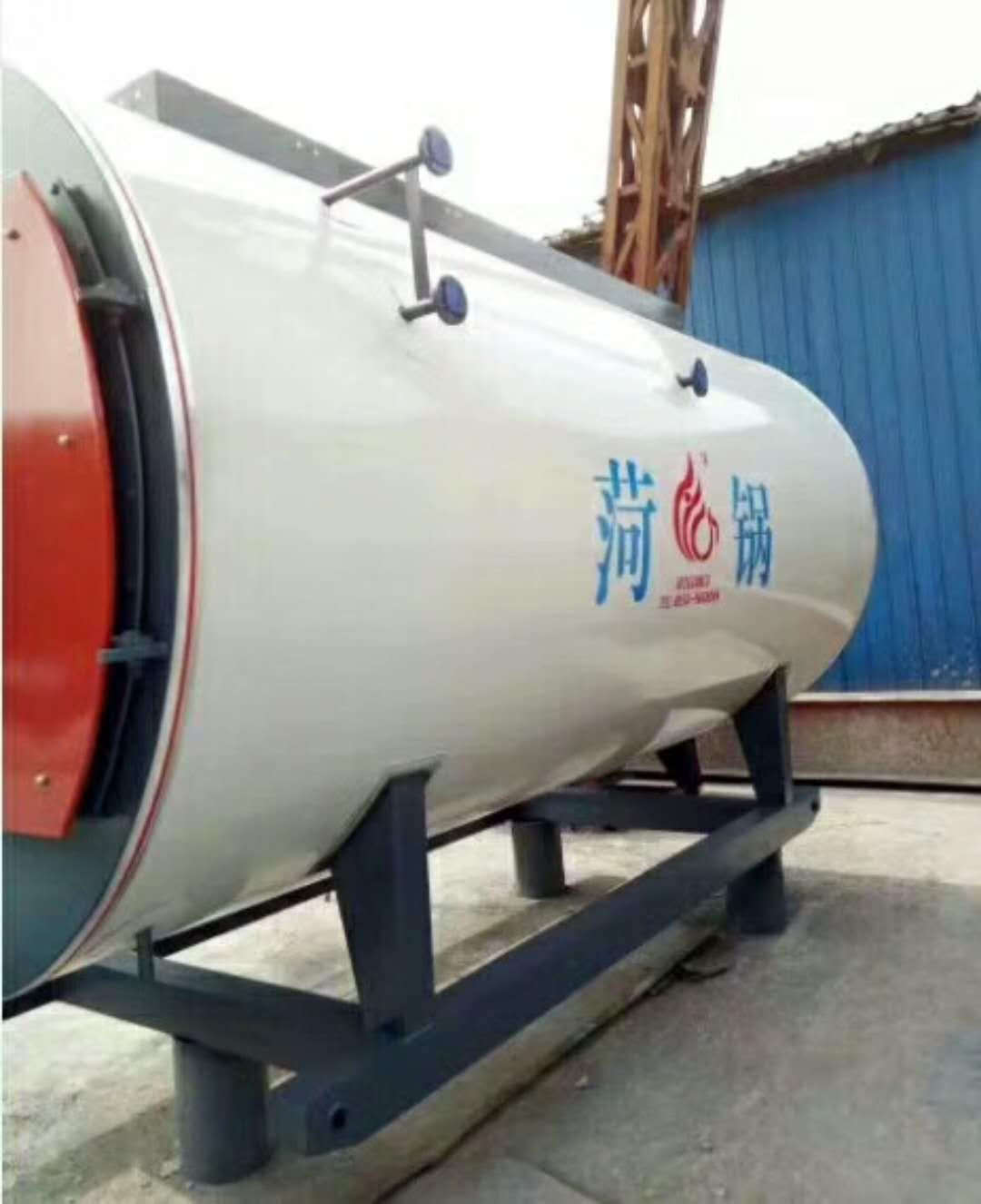
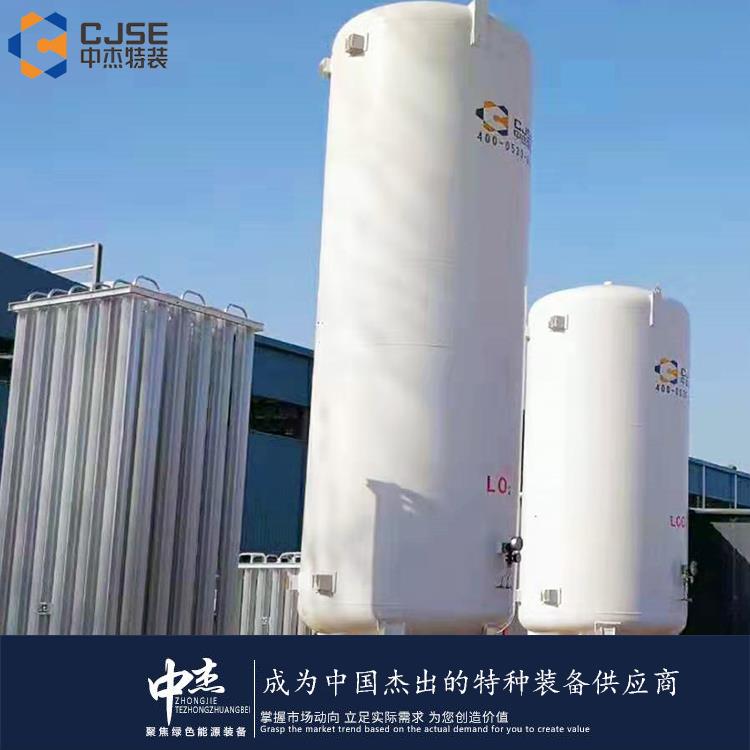



















Shandong Zhongjie Special Equipment (formerly Heze Boiler Factory Co., Ltd.) holds an A-grade boiler manufacturing license, A2-grade pressure vessel manufacturing license, A2-grade pressure vessel design license, B-grade boiler installation license, and GB2/Class and GC2/Class pressure pipeline installation licenses, as well as a qualification for the installation and contracting of electromechanical equipment. It is a member of the China Boiler and Water Treatment Association, the China Chemical Equipment Association, and a council member of the Shandong Equipment Manufacturing Association. The company has also passed certifications for the ISO9001 Quality Management System, ISO14001 Environmental Management System, OHSAS18001 Occupational Health and Safety Management System, and the American ASME/U2 certification.
Consider the following aspects to differentiate the quality of liquid nitrogen storage tanks:
Material: Liquid nitrogen tanks are typically made of high-strength, corrosion-resistant materials such as stainless steel or aluminum alloy. These materials offer excellent corrosion resistance and mechanical strength, ensuring the tank's long-term stable operation.
Sealing: The liquid nitrogen storage tank should have good sealing performance to effectively prevent leakage of liquid nitrogen. The tank's valves, pipe connections, and other areas should be designed reasonably to ensure reliable sealing.
Insulation: The liquid nitrogen tank should have excellent insulation properties to minimize evaporation loss. The tank's insulation layer should use materials like polyethylene foam to reduce heat conduction and evaporation loss.
Safety: The liquid nitrogen storage tank should have excellent safety features, including safety valves, pressure gauges, and other safety equipment, as well as fire and explosion prevention functions. The design and manufacturing of the tank should comply with relevant safety standards and regulations.
Service Life: Liquid nitrogen tanks generally have a long service life, capable of withstanding long-term use and transportation. The manufacturer and reputation of the tank are also significant factors in assessing the service life.
Price and After-Sales Service: The price of liquid nitrogen tanks should be reasonable, and excellent after-sales service is provided. Choosing manufacturers or suppliers with a good reputation and reliable after-sales service ensures access to high-quality products and technical support.
Considering these factors, one can distinguish the quality of liquid nitrogen tanks. When selecting a liquid nitrogen tank, it is recommended to choose one that meets your specific needs and operating environment to ensure safe and reliable storage of liquid nitrogen.
The materials used for liquid oxygen storage tanks typically require excellent low-temperature resistance and corrosion resistance. Common materials for constructing liquid oxygen storage tanks include:
Stainless Steel: Commonly used for making liquid oxygen tanks, stainless steel boasts excellent corrosion resistance and mechanical strength. Popular stainless steel grades include 304 and 316.
Aluminum Alloy: Aluminum alloys are also commonly used in the production of liquid oxygen tanks, offering low density and excellent corrosion resistance. Common aluminum alloy materials include 5083 and 6061 alloys.
Fiberglass Reinforced Plastic (FRP): FRP is a composite material made up of glass fibers and resin. It boasts excellent corrosion resistance and mechanical strength, making it suitable for liquid oxygen storage tanks in special environments.
碳钢(Carbon Steel):碳钢是一种常见的储罐制作材料,具有较高的强度和耐腐蚀性。然而,碳钢在液氧环境下容易发生氧化反应,因此需要采取防腐措施。
It's important to note that the choice of materials for liquid oxygen tanks should be determined based on specific application requirements, working conditions, and safety standards. When selecting materials, consider the properties of liquid oxygen and the design requirements of the tank to ensure safety and reliability. Additionally, manufacturers and suppliers often provide material selection advice and technical support.
Liquid nitrogen cylinders are widely used in various industries, mainly including the following aspects:
Industry: Liquid nitrogen tanks are used for storing and supplying liquid nitrogen, which is essential for low-temperature cryopreservation of biological samples, cells, tissues, and vaccines. These tanks are widely employed in biopharmaceutical research institutions, biobanks, and other organizations.
Experimental Research: Liquid nitrogen tanks are used in scientific research and laboratories to provide low-temperature environments, for cryopreservation and cryogenic experiments. Liquid nitrogen tanks play a crucial role in experimental research across various fields, including physics, chemistry, biology, and materials science.
Metalworking Industry: Liquid nitrogen tanks are used in the metalworking and welding industries for providing low-temperature cooling, used in processes such as metal cutting, welding, and heat treatment. Liquid nitrogen tanks can provide low temperatures, enabling metals to achieve the required hardness and toughness during the processing.
Food Industry: Liquid nitrogen cylinders are used in the food industry for freezing and refrigerating food products such as frozen meats, frozen fruits, and frozen seafood. The low temperature of liquid nitrogen can rapidly freeze food, preserving its freshness and quality.
Semiconductor Industry: Liquid nitrogen tanks are used in semiconductor manufacturing and the electronics industry to provide a low-temperature environment, for the freezing and preparation of semiconductor materials. The low temperature of liquid nitrogen can enhance the purity and performance of semiconductor materials.
The configuration of liquid nitrogen tanks typically includes the following aspects:
Tank Structure: Liquid nitrogen tanks commonly feature double or multi-layered construction, filled with insulating material in the middle to minimize heat transfer and evaporation of the liquid nitrogen. The tank material is typically made of stainless steel or aluminum alloy, offering excellent corrosion resistance and low-temperature performance.
Insulation Layer: The insulation layer of liquid nitrogen tanks typically employs multi-layer insulation materials, such as polyethylene foam, glass fiber, and vacuum layers, to minimize heat transfer and evaporation of liquid nitrogen.
Temperature Control System: Liquid nitrogen tanks are typically equipped with a temperature control system, used to regulate the tank's temperature to maintain the liquid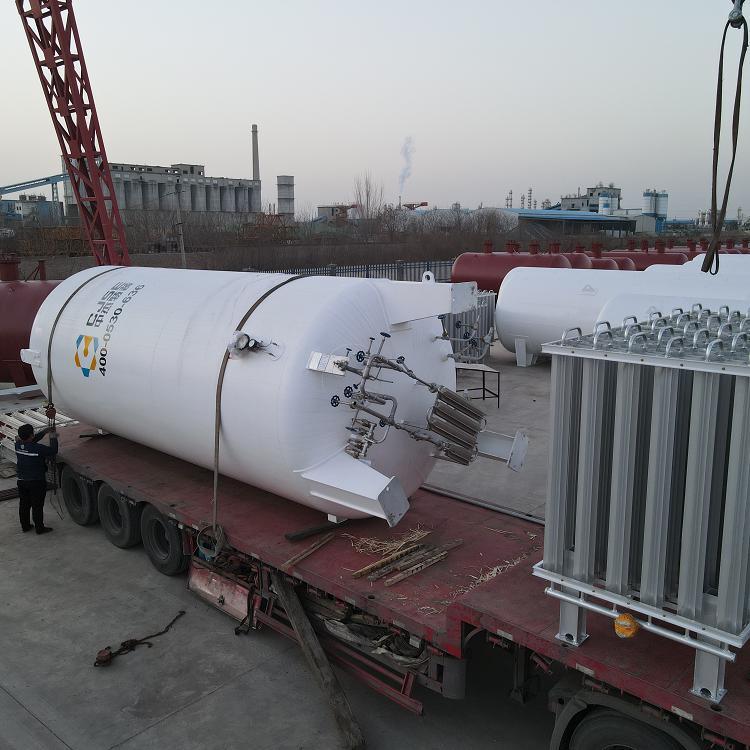
One of the common drawbacks of pressure vessels during use is corrosion. Corrosion refers to the reaction between the metal surface and chemical substances in the environment, leading to damage to the metal surface and thinning of the material. The following are common corrosion drawbacks of pressure vessels:
Pitting Corrosion: Pitting corrosion is the formation of localized pits or holes on the surface of a metal. This type of corrosion usually occurs due to corrosive substances present in the local environment, such as acids, salts, etc.
Bacterial Corrosion: Bacterial corrosion is a phenomenon caused by microorganisms. These microorganisms can form a biofilm inside pressure vessels and produce acidic substances, leading to corrosion of the metal surface.
Punch Corrosion: Punch corrosion refers to the penetrating corrosion that occurs on the surface of metal. This type of corrosion usually arises from the damage or defect of the protective layer on the metal surface, allowing corrosive substances to come into direct contact with the metal.
Stress Corrosion Cracking: Stress corrosion cracking occurs when a metal surface is simultaneously subjected to stress and a corrosive environment, leading to the formation and propagation of cracks. This type of corrosion is commonly found in pressure vessels operating under high stress and corrosive conditions.
Corrosion can lead to material thinning and reduced strength in pressure vessels, even causing severe consequences such as leaks or ruptures. Therefore, the following measures should be taken to address the corrosion issues of pressure vessels:
Regularly inspect and evaluate the corrosion status of pressure vessels, including methods such as visual inspections and non-destructive testing.
Implement corrosion prevention measures such as coating protection, cathodic protection, and selecting appropriate materials to minimize corrosion occurrence and progression.
Regularly clean and maintain pressure vessels to remove dirt and impurities that may cause corrosion.
Comply with relevant safety regulations and operational guidelines to ensure the safe and proper operation of pressure vessels.
For severely corroded pressure vessels, repairs or replacements may be necessary to ensure their safety and reliability.
Zhongjie Special Equipment upholds the grand vision of "realizing employees' dreams, creating value for customers, and striving for the prosperity and strength of our motherland," focusing exclusively on the development of green energy equipment, and dedicating products and services of high cost-performance to society!
WeChat Official Account

Scan to follow Official Account




















