

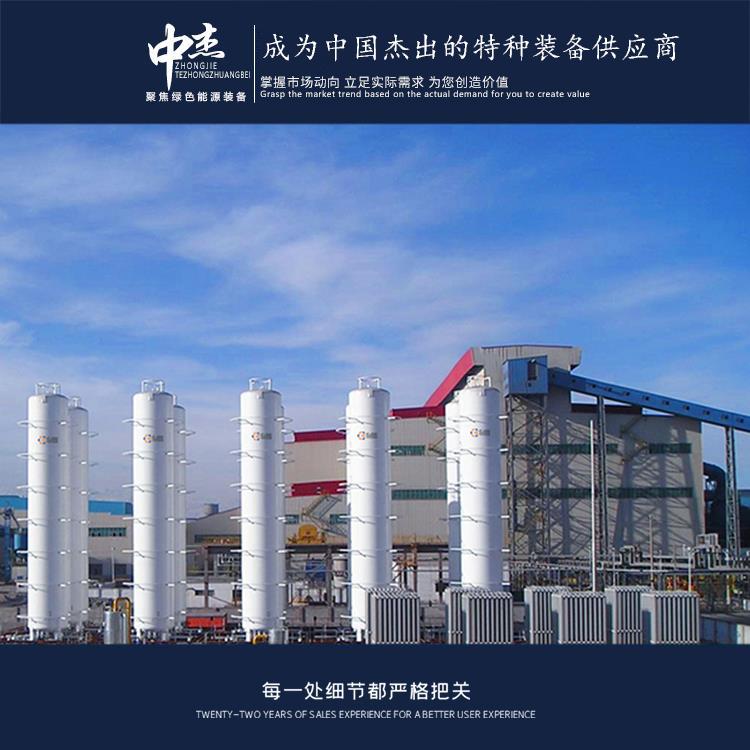

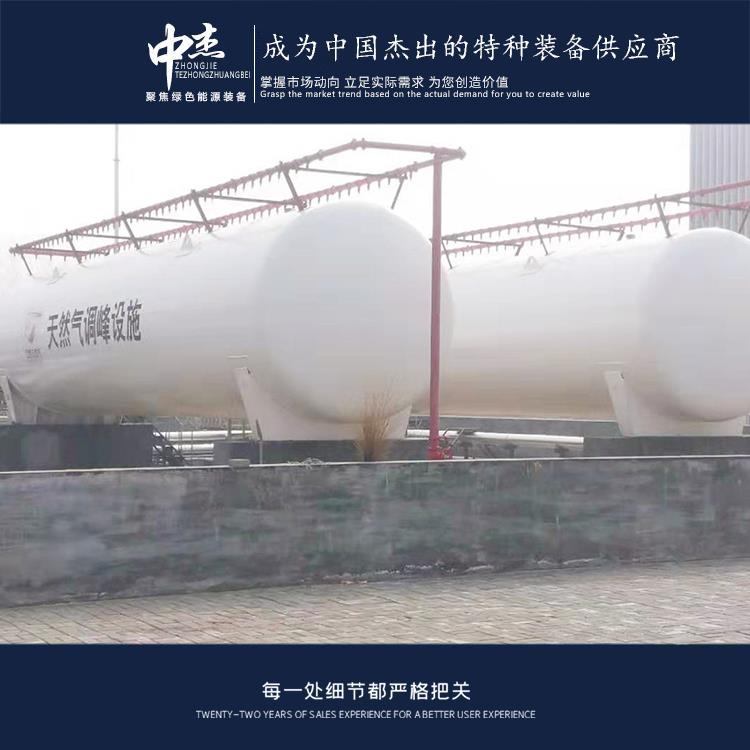
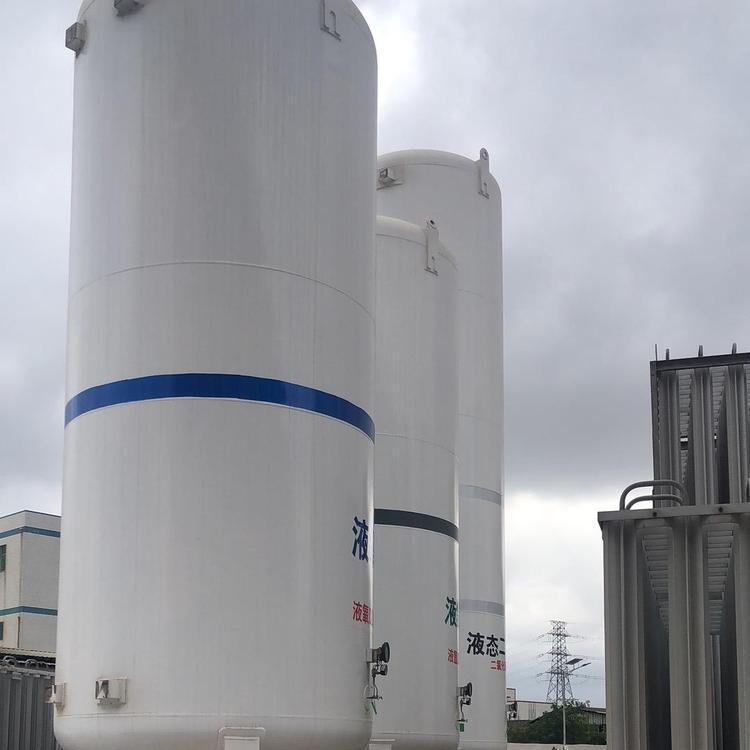



















Shandong Zhongjie Special Equipment Co., Ltd. specializes in: fuel (gas) boilers, organic heat carrier boilers, biomass boilers, waste heat recovery boilers, and other boiler products; vacuum insulation cryogenic pressure vessels such as LNG tanks, oxygen/nitrogen/argon tanks, and CO2 tanks; pressure vessel products including denitrification engineering equipment, heat storage and energy storage equipment, and complete chemical equipment sets; central air conditioning and ventilation equipment such as ground (water) source heat pumps, air source units, water-cooled screw units, and air-cooled modular units. Planned products include large-scale energy centers, LNG transport vehicles, LNG tank containers, and other green energy equipment.
The testing and maintenance of liquid oxygen storage tanks are crucial for ensuring safe operation and extending their lifespan. Below is a general outline of the testing and maintenance procedures for liquid oxygen storage tanks:
- External Inspection: Conduct regular external inspections of the liquid oxygen storage tank, checking for corrosion, wear, and cracks on the tank surface. If any abnormalities are found, repair or replacement should be done promptly.
- Internal Cleaning: Regularly clean the interior of the liquid oxygen storage tank to remove accumulated impurities and dirt. Pay attention to using appropriate cleaning agents and tools to prevent damage to the tank.
- Level Measurement: Regularly measure the liquid level to ensure it remains within a safe range within the storage tank. Use level gauges or other measuring equipment, and record the measurement results.
- Pressure Testing: Conduct regular pressure tests to verify the tank's pressure resistance. Be mindful of controlling pressure and time during testing to ensure safety and accuracy.
- Leak Detection: Regularly perform leak detection to ensure the tank's sealing integrity. Use leak detection equipment such as gas detectors or foam leak detection agents.
- Valve and Pipe Inspection: Regularly check the valves and pipe connections of the liquid oxygen storage tank to ensure proper sealing and no leakage. If issues are found, repair or replacement should be done promptly.
- Maintenance Records: Keep records of the testing and maintenance activities, including inspection dates, contents, and results. These records help track the tank's maintenance history and issue resolution.
- Scheduled Maintenance: Develop a regular maintenance plan based on the tank's usage and requirements. This includes lubrication, bolt tightening, and seal replacement to ensure normal operation.
Carbon dioxide recovery is a technology designed to capture carbon dioxide from industrial emission sources or the atmosphere, storing or utilizing it to reduce CO2 emissions. Here are some common carbon dioxide recovery techniques:
1. Coal-fired Power Plant CO2 Recovery: In coal-fired power plants, the CO2 produced by burning coal can be captured and recovered. Common methods include carbon capture technologies, which separate CO2 from flue gas for storage or use.
2. Industrial Emission Source CO2 Recovery: CO2 produced by many industrial processes can be treated through capture and recovery techniques. For instance, CO2 generated during the production processes of steel, cement, and chemical industries can be recovered to reduce emissions.
3. Atmospheric CO2 Capture: CO2 in the atmosphere can also be recovered using direct air capture technologies. This technique employs adsorbents or chemical reactions to capture and separate atmospheric CO2, then store or utilize it.
4. CO2 Utilization: Captured CO2 can be used to produce valuable chemicals and fuels. For example, through CO2 catalytic conversion technology, CO2 can be converted into fuels like ethanol or chemical raw materials.
The development of carbon dioxide recovery technologies aims to reduce greenhouse gas emissions and mitigate climate change. However, these technologies are still in continuous development and research, requiring further technological breakthroughs and practical verification for large-scale application.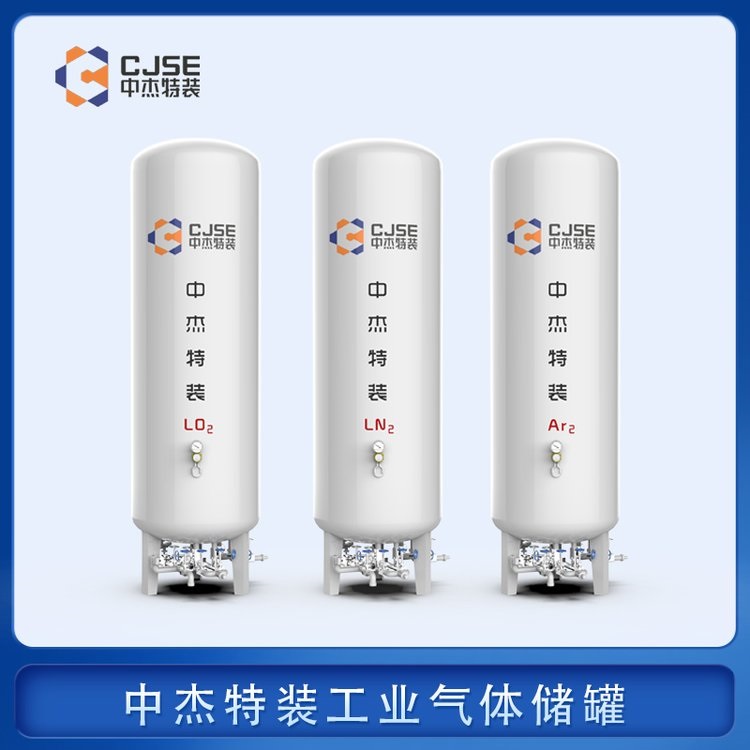
In recent years, the surge in the development of low-temperature liquid storage tanks can be attributed to the following factors:
- Increased energy demand: As the economy grows and the population expands, there's a rising need for energy. Low-temperature liquid storage tanks are primarily used for storing liquefied natural gas (LNG), liquid oxygen (LOX), and liquid nitrogen (LIN) to meet the growing energy needs.
- Greenhouse gas emission reduction: These tanks can store and transport liquid carbon dioxide (CO2), used in carbon capture and storage (CCS) technology to reduce greenhouse gas emissions. With heightened concern for environmental protection and climate change, the demand for low-temperature liquid storage tanks in CCS has also increased.
- Industrial development requirements: The application of low-temperature liquid storage tanks in the industrial sector is also on the rise. For instance, in industries like chemicals, pharmaceuticals, food and beverages, there's a need to store and transport low-temperature liquid raw materials or products, such as liquid nitrogen, liquid oxygen, and liquid ethylene. As these industries develop, so does the demand for low-temperature liquid storage tanks.
- Technological advancement and innovation: In recent years, there have been continuous advancements and innovations in the design, manufacturing, and transportation of low-temperature liquid storage tanks. The application of new materials, optimization of tank structures, and improvements in safety control systems have made these tanks safer and more reliable, further propelling their peak development.
In summary, factors such as increased energy demand, greenhouse gas emission reduction, industrial development requirements, and technological advancement and innovation have collectively driven the peak development of low-temperature liquid storage tanks in recent years. As related industries develop and technology progresses,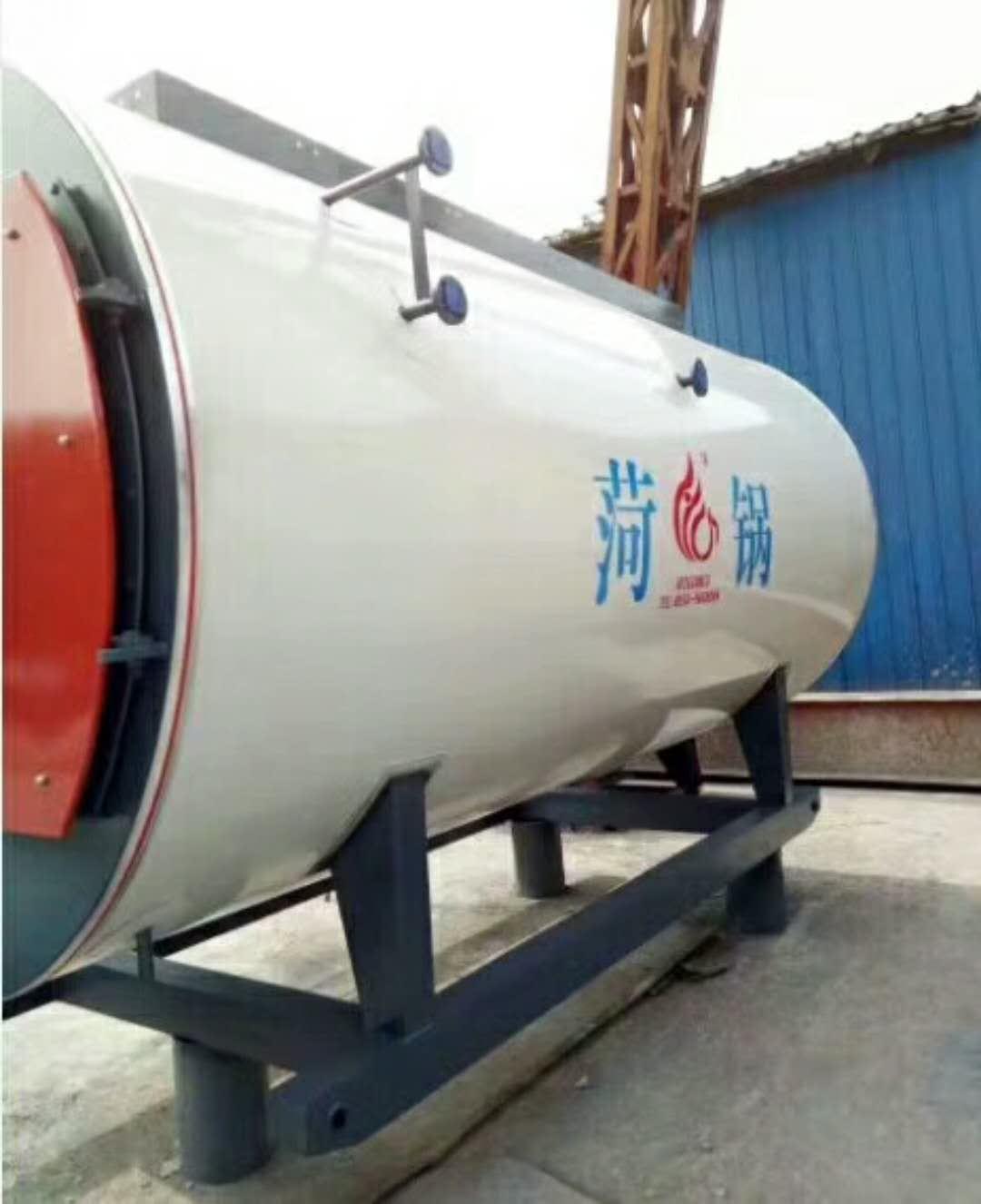
The quality of carbon dioxide storage tanks is influenced by several factors:
- Material Quality: The quality of the tank's material directly impacts its corrosion resistance, strength, and sealing performance. Common materials include carbon steel and stainless steel. Selecting high-quality materials can enhance the tank's quality and lifespan.
- Manufacturing Process: The manufacturing process significantly affects the tank's quality. Welding, heat treatment, and surface treatment during production should adhere to relevant standards and specifications to ensure the tank's structural integrity and performance stability.
- Design Standards: The tank's design must comply with applicable design specifications and standards, such as industry standards. A well-designed tank can ensure sufficient strength and safety under normal operating conditions.
- Safety Accessories: The safety accessories of the tank, such as safety valves, pressure sensors, and temperature sensors, play a crucial role in the tank's quality and safety. Choosing high-quality accessories and ensuring proper installation and tuning can improve the tank's quality and safety.
- Inspection and Testing: The tank must undergo inspections and tests during the manufacturing process, including material inspections, weld inspections, and pressure tests. These tests ensure the tank meets quality requirements and complies with safety standards.
- Usage and Maintenance: The tank's usage and maintenance also impact its quality. Proper usage and regular maintenance can extend the tank's lifespan and maintain its good working condition.
In summary, the quality of carbon dioxide storage tanks is affected by material quality, manufacturing process, design standards, safety accessories, inspections and testing, and usage and maintenance. When selecting and using storage tanks, attention should be given to these factors to ensure quality and safety.
Our company highly values technological innovation and R&D design, boasting 1 municipal-level enterprise technology center in Heze City. We have established testing facilities for non-destructive testing, physical and chemical tests, welding tests, hydrostatic tests, and more. We are equipped with over 600 instruments and equipment, including CNC machine tools, X-ray flaw detectors, digital ultrasonic flaw detectors, mechanical property testing machines, chemical analyzers, spectrometers, tensile testing machines, plasma welding machines, and others. The key products we have developed, such as thermal pressure vessel welding, biomass boiler emission reduction, and waste heat utilization, have successively been shortlisted for multiple Shandong Provincial Department of Industry and Information Technology science and technology innovation projects, Shandong Province key projects, and Heze City innovation and excellence projects. We have accumulated a total of 27 authorized utility models, 16 authorized inventions, participated in drafting 2 standards, 2 industry standards, and registered 15 trademarks. The technical team of our company, in collaboration with Professor Yajiang Li of Shandong University, has developed deep cryogenic container processing technology using the internationally recognized plasma arc+filling wire tungsten inert gas arc welding (PAW-GTAW) technology. After the provincial-level scientific and technological achievement appraisal, the technology level has reached international standards in the field of deep cryogenic container manufacturing. Choose Zhongjie Special Equipment, and let's create brilliance together!
WeChat Official Account

Scan to follow Official Account