


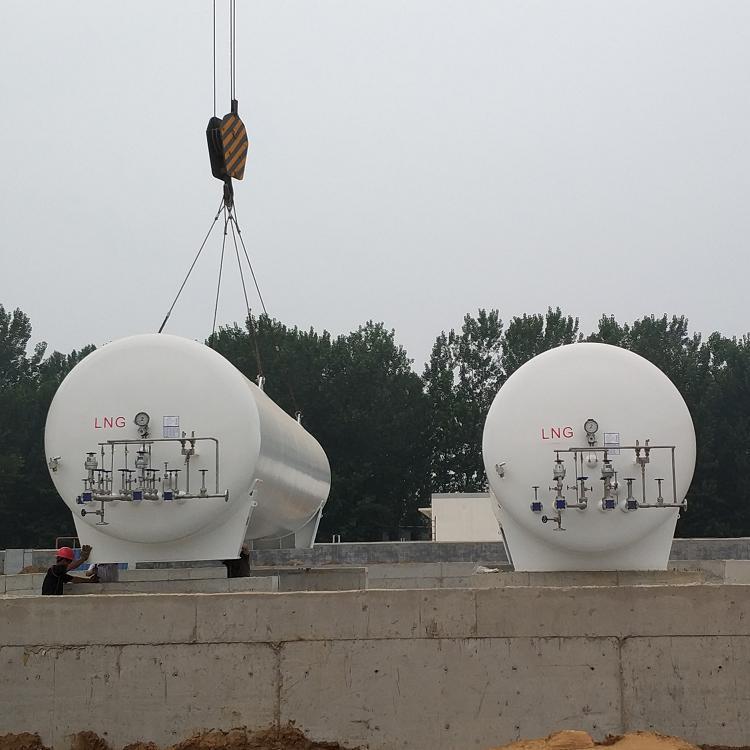

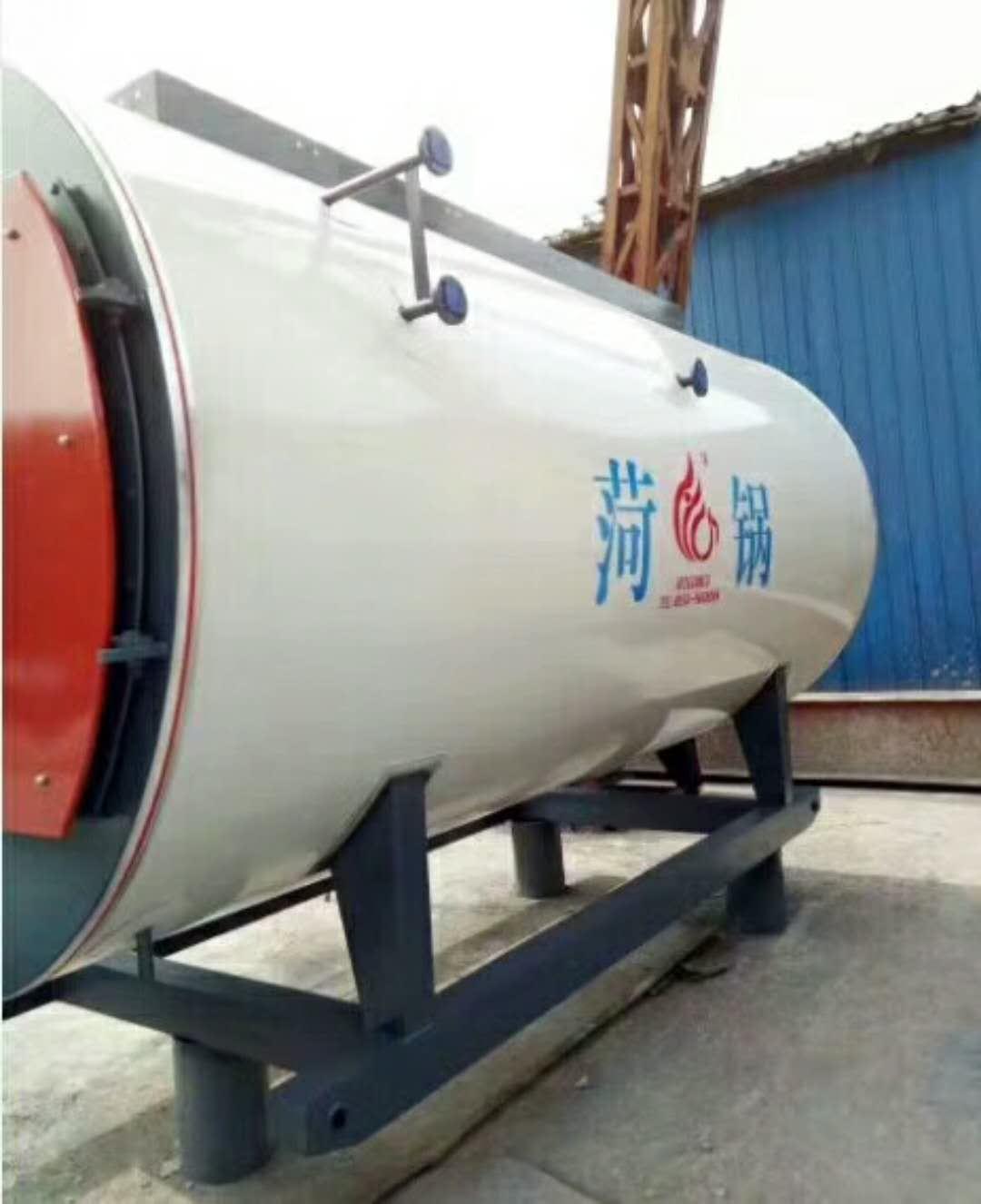



















Shandong Zhongjie Special Equipment (formerly Heze Boiler Factory Co., Ltd.) holds an A-grade boiler manufacturing license, an A2-grade pressure vessel manufacturing license, an A2-grade pressure vessel design license, a B-grade boiler installation license, and GB2/Class and GC2/Class pressure pipeline installation licenses, as well as a mechanical and electrical equipment installation contracting qualification. It is a member of the China Boiler and Water Treatment Association, the China Chemical Equipment Association, and the理事 member of the Shandong Equipment Manufacturing Association. The company has also passed the ISO9001 Quality Management System, ISO14001 Environmental Management System, OHSAS18001 Occupational Health and Safety Management System certifications, and the American ASME/U2 certification.
When storing liquid nitrogen in low-temperature storage tanks, the following points should be noted:
Protective Gear: When operating low-temperature storage tanks, it is mandatory to wear appropriate protective gear, including gloves, protective suits, and non-slip shoes. This equipment can protect the skin from the low temperatures of liquid nitrogen and other hazards.
Avoid direct contact: Liquid nitrogen is extremely cold and can cause frostbite. Hence, it is essential to avoid direct contact with liquid nitrogen, particularly with the skin. Use tools or instruments for handling, and never touch liquid nitrogen with your hands.
Ventilation Requirements: Ensure adequate ventilation in the operation area of low-temperature storage tanks to expel gases produced by the evaporation of liquid nitrogen. Maintain air circulation to avoid excessive oxygen concentration, reducing the risk of fire and explosion.
Prevent Leaks: Regularly inspect the low-temperature storage tanks for leaks, and equip with leak detectors and alarm systems. In case of a leak, take immediate action to contain and repair it. Avoid the hazards of liquid nitrogen leaks to personnel and the environment.
Fire Prevention Measures: Liquid nitrogen has a low boiling and freezing point, which is prone to fire. To prevent and control fires, fire walls and fire-retardant coatings should be installed around low-temperature storage tanks.
Static Protection: Electrostatic buildup in low-temperature tanks may cause sparks, increasing the risk of fire. Measures should be taken
One of the common drawbacks of pressure vessels during use is corrosion. Corrosion refers to the reaction between the metal surface and chemical substances in the environment, leading to damage to the metal surface and thinning of the material. The following are common corrosion drawbacks of pressure vessels:
Pitting Corrosion: Pitting corrosion refers to localized pits or holes appearing on the surface of metal. This type of corrosion usually occurs due to corrosive substances present in the local environment, such as acids, salts, etc.
Bacterial Corrosion: Bacterial corrosion is a phenomenon caused by microorganisms. These organisms can form a biofilm inside pressure vessels and produce acidic substances, leading to corrosion of the metal surface.
Porous Corrosion: Porous corrosion refers to a穿透性 corrosion phenomenon that occurs on the surface of metal. This type of corrosion usually results from the damage or defect of the protective layer on the metal surface, allowing corrosive substances to directly contact the metal.
Stress Corrosion Cracking: Stress corrosion cracking occurs when metal surfaces are subjected to both stress and corrosive environments, leading to the formation and propagation of cracks. This type of corrosion is commonly found in pressure vessels under high stress and corrosive conditions.
Corrosion can lead to material thinning and reduced strength in pressure vessels, even triggering severe consequences such as leaks or ruptures. Therefore, to address the corrosion issue in pressure vessels, the following measures should be taken:
Regularly inspect and assess the corrosion condition of pressure vessels, including methods such as visual inspections and non-destructive testing.
Implement corrosion prevention measures such as coating protection, cathodic protection, and selecting appropriate materials to minimize the occurrence and progression of corrosion.
Regularly clean and maintain pressure vessels to remove dirt and impurities that may cause corrosion.
Comply with relevant safety standards and operational guidelines to ensure the normal and safe operation of pressure vessels.
For severely corroded pressure vessels, repairs or replacements may be necessary to ensure their safety and reliability.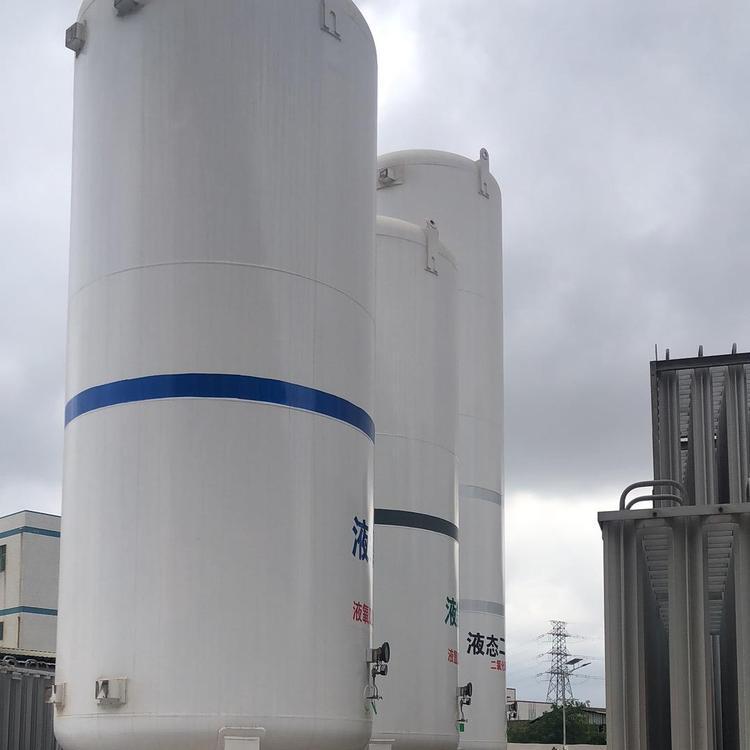
Liquid nitrogen tanks are equipment used for storing liquid nitrogen and are widely used in the following fields:
Frozen Food and Refrigerated Logistics: Liquid nitrogen tanks are utilized in the frozen food and refrigerated logistics industry to freeze or refrigerate food and other perishable items, extending their shelf life and maintaining freshness. The low temperature of liquid nitrogen can rapidly freeze food, preventing bacterial growth and spoilage.
Biological Sample Storage: Liquid nitrogen tanks are extensively used in the field for freezing biological samples, cells, tissues, and more. The low temperature of liquid nitrogen effectively preserves the integrity and viability of biological materials, used in medical research, biomedicine engineering, and transplantation fields.
Laboratory Research: Liquid nitrogen tanks are employed in scientific research and laboratories to provide liquid nitrogen as a coolant and freezing medium. The low temperature of liquid nitrogen can be used for cooling laboratory equipment, material research, superconducting electronics, and low-temperature physics.
Metalworking and Welding: Liquid nitrogen tanks are used in metalworking and welding for cooling and controlling the temperature of metals. Liquid nitrogen can rapidly cool metals, improve the hardness and strength of metals, and reduce deformation and stress.
Gas Storage and Supply: Liquid nitrogen tanks are also used for storing and supplying nitrogen gas. Liquid nitrogen can be evaporated into gaseous nitrogen for applications such as gas shielded welding, gas fire suppression systems, gas analysis, and laboratory gas supply.
In summary, liquid nitrogen tanks are widely applied in fields such as frozen food, laboratory research, metalworking, and gas supply, providing storage and supply functions for liquid nitrogen at application sites.
Low-temperature liquid oxygen storage tanks typically require certain safety accessories to ensure safe operation and to address potential risks. The following are some common safety accessories for low-temperature liquid oxygen storage tanks:
Pressure Sensor: Used to monitor pressure changes within storage tanks. If the pressure exceeds the set range, it will trigger an alarm or automatically stop filling measures to prevent overpressure in the tank.
Safety valve: Used to automatically release gas when the pressure inside the storage tank exceeds the set value, preventing overpressure. The safety valve should be selected and installed based on the design pressure and capacity of the storage tank.
Pressure Relief Device: Used to release gas into a safe area when the pressure inside the storage tank is too high, thereby reducing the pressure on the tank. The pressure relief device typically includes pressure relief valves, relief pipes, etc.
Level sensor: Used to monitor the liquid oxygen level changes within the storage tank to ensure an adequate supply of liquid oxygen and prevent overfilling.
Temperature Sensor: Used to monitor temperature changes within the storage tank to ensure that the liquid oxygen inside remains within a safe temperature range.
Fire Detectors and Fire Suppression Systems: Designed to monitor fire risks around storage tanks and activate fire suppression systems as needed to prevent the spread of fire to other areas.
Zhongjie Special Equipment upholds the grand vision of "realizing employees' dreams, creating value for customers, and striving for the prosperity and strength of our motherland," focusing solely on the development of green energy equipment. We dedicate products and services with high cost-performance to society!
WeChat Official Account

Scan to follow Official Account




















