


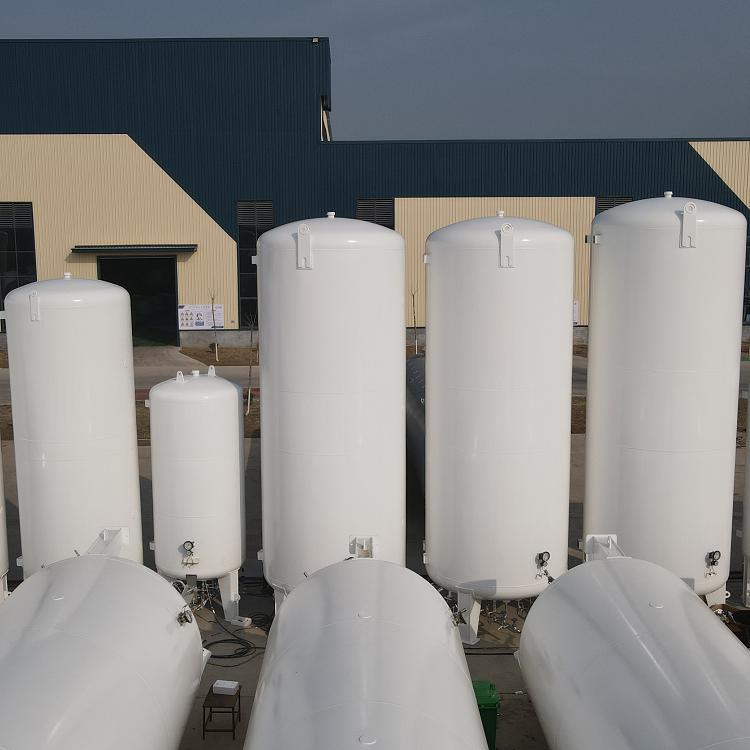


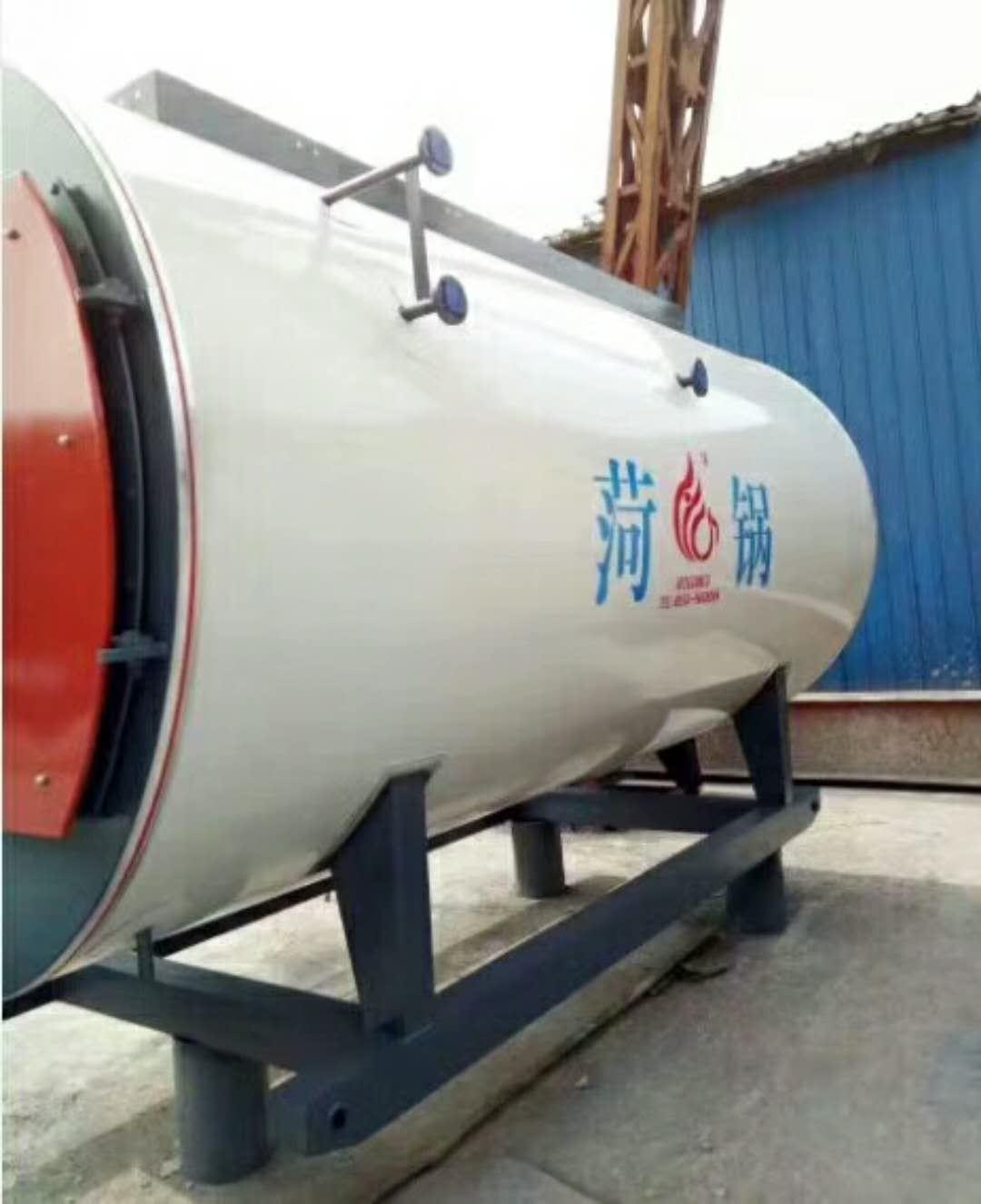



















Shandong Zhongjie Special Equipment (formerly Heze Boiler Factory Co., Ltd.) holds an A-grade boiler manufacturing license, an A2-grade pressure vessel manufacturing license, an A2-grade pressure vessel design license, a B-grade boiler installation license, and GB2/Class, GC2/Class pressure pipeline installation licenses, as well as a mechanical and electrical equipment installation contracting qualification. It is a member of the China Boiler and Water Treatment Association, the China Chemical Equipment Association, and the Council Member of the Shandong Equipment Manufacturing Association. The company has also passed the ISO9001 Quality Management System, ISO14001 Environmental Management System, OHSAS18001 Occupational Health and Safety Management System certifications, and the American ASME/U2 certification.
The testing and maintenance procedures for liquid oxygen storage tanks encompass the following aspects:
Appearance Inspection: Regularly inspect the liquid oxygen storage tank for any signs of corrosion, wear, or leakage on the tank surface to ensure the tank's appearance remains intact.
Pressure Testing: Regularly conduct pressure tests on liquid oxygen storage tanks to assess their pressure-bearing performance. The tests should be carried out in accordance with relevant standards and specifications to ensure the tanks can withstand the designed working pressure.
Leak Detection: Regularly conduct leak detection on liquid oxygen storage tanks, including using leak detection equipment to inspect the tanks to ensure their sealing performance is good and there are no leakage issues.
Cleanliness and Coating Protection: Regularly clean and apply protective coatings to liquid oxygen tanks to prevent corrosion and oxidation. Use appropriate cleaning agents during cleaning and avoid substances that react with liquid oxygen. Protective coatings can include anti-corrosion coatings or protective agents.
Regular Maintenance: Conduct regular maintenance on liquid oxygen tanks, which includes inspections and replacements of seals, valves, safety devices, etc., to ensure proper functioning and safety.
Safety Training and Operating Procedures: Conduct safety training for personnel using liquid oxygen storage tanks to ensure they are familiar with the safe operating procedures and precautions, thereby avoiding operational errors and accidents.
Record and Document Management: Establish testing and maintenance records for liquid oxygen storage tanks, including test results, maintenance logs, and inspection records, for traceability and management purposes.
It's important to note that testing and maintenance of liquid oxygen tanks should be conducted by trained personnel, following relevant safety operating procedures and standards. Additionally, a specific testing and maintenance plan should be established based on the tank's condition and usage requirements, and executed according to the plan.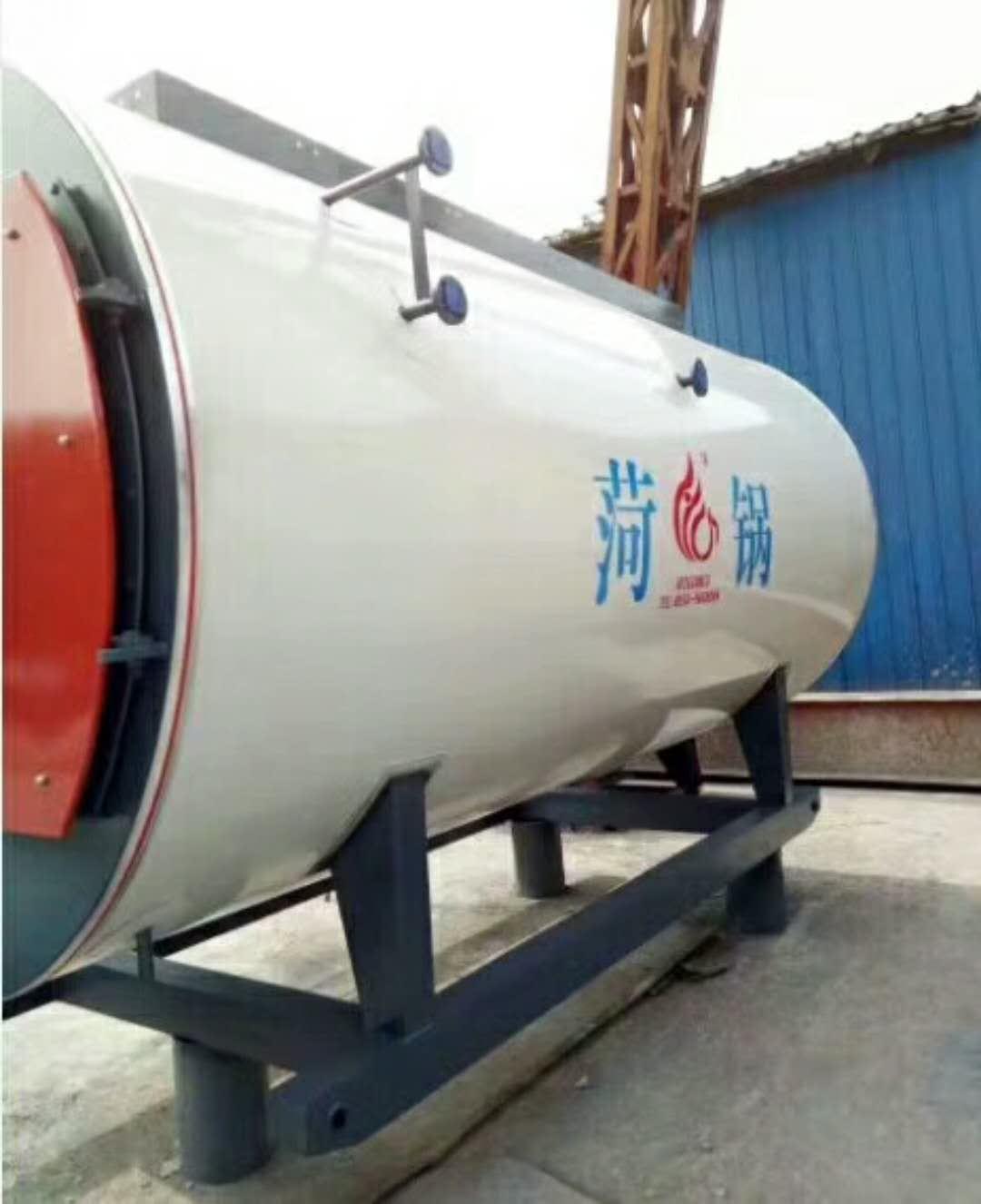
Protection techniques for liquid nitrogen tanks include the following:
Wear protective gear: When operating liquid nitrogen tanks, it is mandatory to wear appropriate protective equipment, including gloves, protective suits, and non-slip shoes. This gear protects the skin from the low temperatures of liquid nitrogen and other hazards.
Avoid direct contact: Liquid nitrogen is extremely cold and can cause frostbite. Therefore, it is essential to avoid direct contact with liquid nitrogen, especially with the skin. Use tools or instruments for handling to prevent direct hand contact with liquid nitrogen.
Note ventilation: In the operation area of the liquid nitrogen tank, ensure adequate ventilation to expel gases produced by the evaporation of liquid nitrogen. Maintain air circulation to avoid excessive oxygen concentration, and reduce the risk of fire and explosion.
Prevent Leaks: Regularly inspect the liquid nitrogen storage tank for leaks and equip with leak detectors and alarm systems. In case of a leak, take immediate action to control and repair it. Avoid any harm to personnel and the environment caused by the leakage of liquid nitrogen.
Fire Prevention Measures: Nitrogen liquid has a low boiling and freezing point, which can easily cause fires. To prevent and contain fires, fire barriers should be set up around nitrogen liquid storage tanks, and fire-resistant coatings should be used.
Static protection: Electrostatic buildup in liquid nitrogen tanks may cause sparks, increasing the risk of fire. Measures such as using conductive materials and static dissipative equipment should be taken to reduce the accumulation and release of static electricity.
Regular Inspections and Maintenance: Conduct regular checks on the condition of liquid nitrogen tanks and associated equipment, including valves, pipes, pressure gauges, etc. Ensure the equipment is in perfect condition without any damage, and promptly repair or replace any damaged parts.
Waste Gas Treatment: Liquid nitrogen tanks produce waste gas during use, and appropriate waste gas treatment measures must be taken.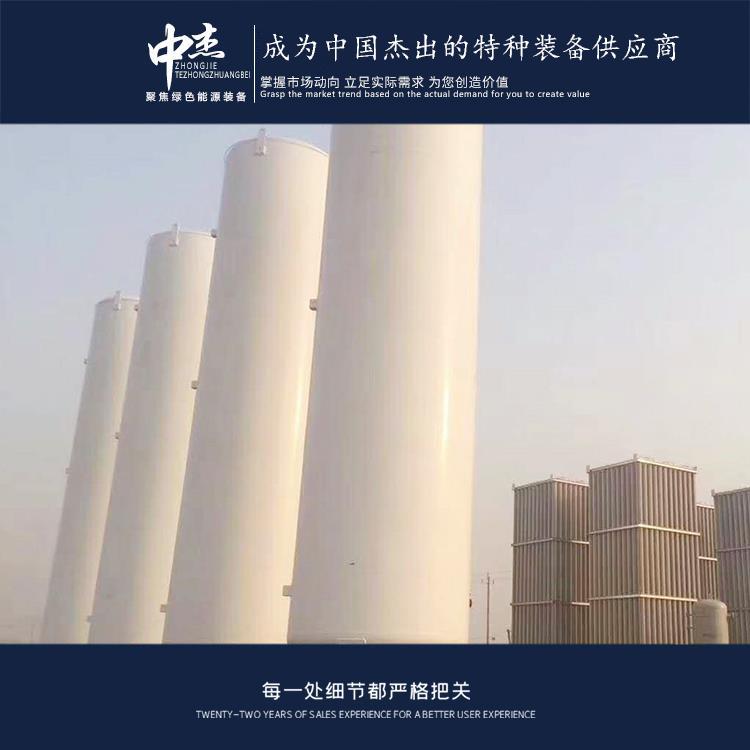
The safe placement of liquid oxygen tanks is a crucial measure to ensure that the tanks do not pose danger to the surrounding environment and personnel during use. The following are the safety requirements for the placement of liquid oxygen tanks:
Safety Distance: Liquid oxygen storage tanks should maintain a certain distance from other buildings and equipment. This is to ensure effective control and minimize the impact on the surrounding environment in the event of a tank leak or fire.
Fire and explosion prevention measures: Liquid oxygen tanks should be placed in a fire-resistant area, away from open flames, high-temperature sources, and flammable materials. The surrounding area should be equipped with fire and explosion prevention facilities, such as fire extinguishers, foam sprinkler systems, etc., to address potential fire risks.
Level placement: Liquid oxygen tanks should be placed on a solid, flat foundation to ensure stability. The bottom of the tank should make full contact with the ground to prevent the tank from tilting or rocking.
Ventilation Requirements: Liquid oxygen tanks should be placed in well-ventilated areas to ensure the normal circulation of gas emissions and oxygen supply. There should be no obstructions around the tank that hinder gas flow.
Identification and Warnings: Liquid oxygen tanks should be clearly marked with information such as the stored medium, capacity, and pressure. Warning signs and safety alerts should be placed in the surrounding area to remind personnel of the presence and potential hazards of the liquid oxygen tank.
Regular inspections and maintenance: Liquid oxygen tanks should be regularly inspected and maintained, including checking the tank's appearance, sealing, and corrosion prevention measures. Any issues found should be promptly repaired or the tank replaced to ensure proper operation and safety.
It's important to note that the safety requirements for the placement of liquid oxygen tanks may vary depending on different regions and industries. When positioning liquid oxygen tanks, adhere to relevant regulations, standards, and safety procedures, and establish appropriate safety measures based on the specific situation. If you're unfamiliar with or have doubts about the safety placement requirements, it's advisable to consult with experts or relevant institutions.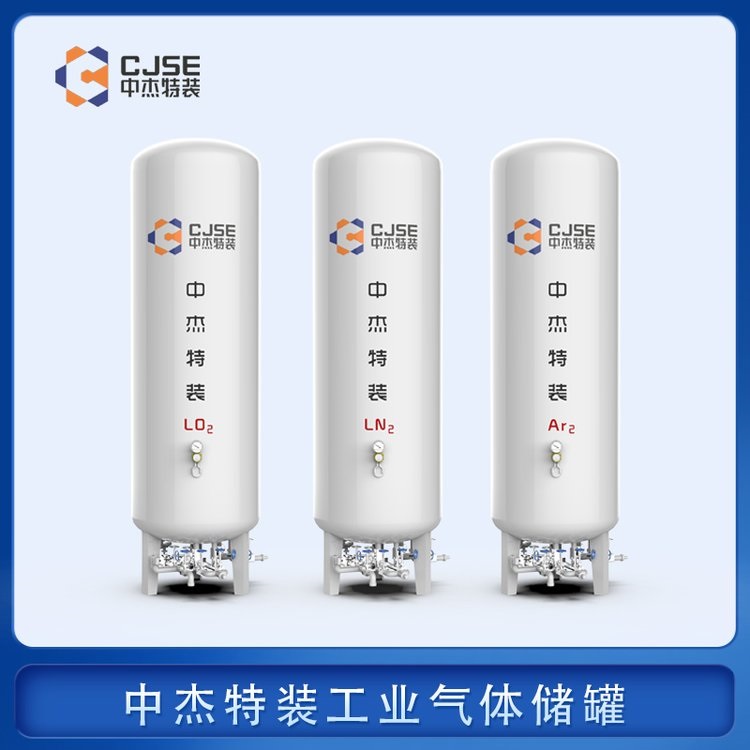
The leak treatment methods for liquid argon storage tanks mainly include the following steps:
Identified Air Leaks: Detected through odors, gas detection equipment, or abnormal pressure in liquid argon storage tanks, indicating air leaks in the liquid argon storage tank.
Confirm air leakage location: Use gas detection equipment or foam leak detection agents, etc., to pinpoint the exact location of air leakage. Inspect tank interfaces, valves, pipe connections, and other areas to locate the air leakage points.
Seal air leaks: Take appropriate measures to stop air leaks based on the leak location. For instance, for leaks at joints, inspect and adjust sealing gaskets or tighten bolts; for valve leaks, check and replace seals.
Isolate air leakage areas: During the process of dealing with air leakage, isolate the air leakage areas to ensure personnel safety. Set up warning signs, restrict access to the area, and take necessary protective measures, such as wearing protective masks, gloves, etc.
Empty liquid argon: If the air leak cannot be repaired immediately or the leak is substantial, consider emptying the liquid argon. By gradually reducing the pressure of liquid argon in the storage tank, convert it into gas to minimize the risk of air leakage.
Ventilation Treatment: During the leak treatment process, ensure adequate ventilation and promptly exhaust the gases produced by the evaporation of liquid argon. Natural ventilation or the use of ventilation equipment can be employed to expel the evaporated gas of liquid argon outdoors.
Safety Assessment and Repair: After the air leakage treatment is completed, conduct a safety assessment to ensure the tank's safety. Based on the assessment results, carry out necessary repairs and maintenance to prevent further air leakage.
Note that liquid argon is a low-temperature liquid with a low boiling and freezing point. Caution is required when handling leaks to avoid contact with liquid argon and subsequent chilling. When dealing with a leak in a liquid argon storage tank, the operation should be performed by personnel and in accordance with relevant safety operating procedures and standards.
Zhongjie Special Equipment upholds the grand vision of "realizing employees' dreams, creating value for customers, and striving for the prosperity and strength of our motherland," and is dedicated to the development of the green energy equipment industry. We offer society high-quality products and services at competitive prices!
WeChat Official Account

Scan to follow Official Account




















