


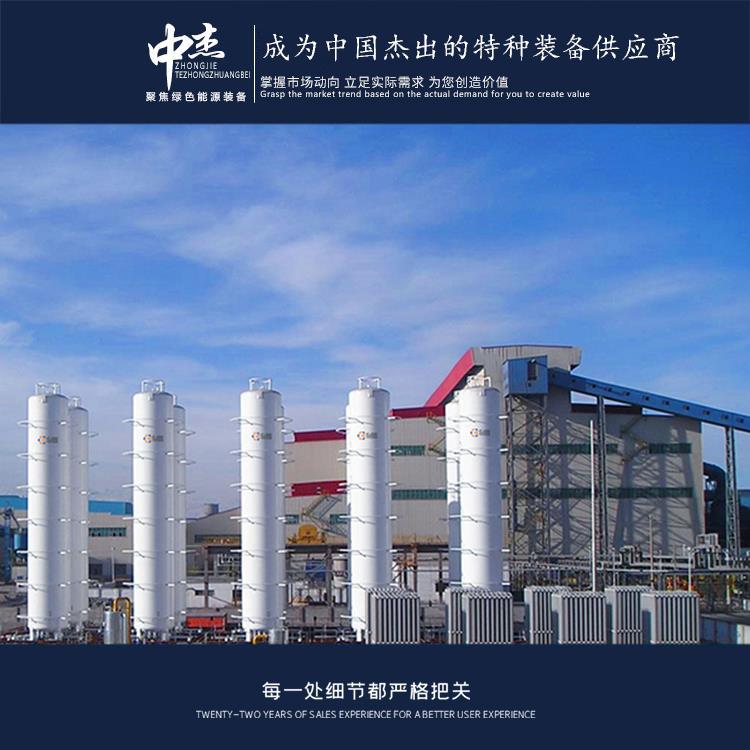

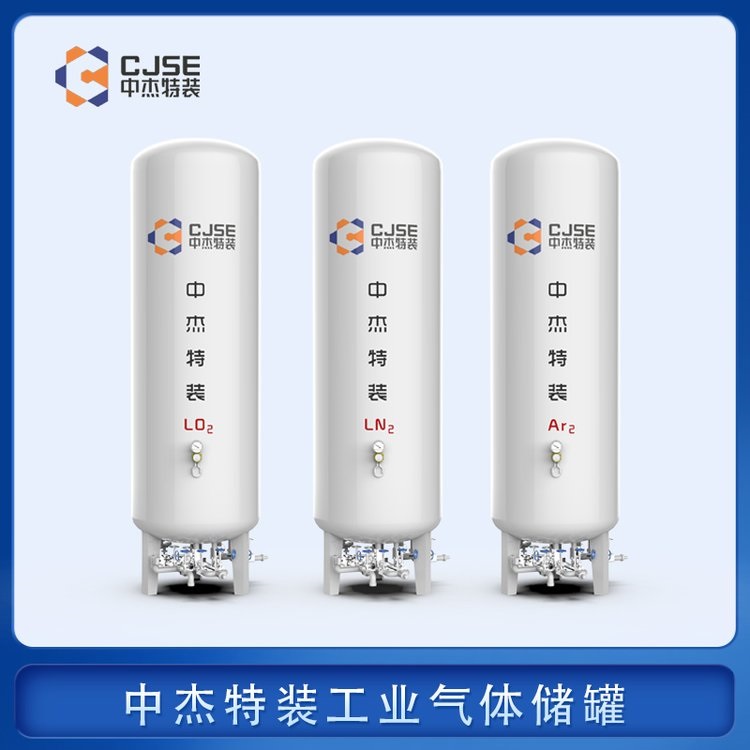



















Shandong Zhongjie Special Equipment (formerly Heze Boiler Factory Co., Ltd.) holds an A-grade boiler manufacturing license, an A2-grade pressure vessel manufacturing license, an A2-grade pressure vessel design license, a B-grade boiler installation license, and GB2/Class, GC2/Class pressure pipeline installation licenses, as well as a qualification for electromechanical equipment installation contracting. It is a member of the China Boiler and Water Treatment Association, the China Chemical Equipment Association, and a director unit of the Shandong Equipment Manufacturing Association. The company has also passed certifications for the ISO9001 Quality Management System, ISO14001 Environmental Management System, OHSAS18001 Occupational Health and Safety Management System, and the American ASME/U2 certification.
In the degreasing process of high-vacuum pipelines in low-temperature liquid storage tanks, the following steps can be taken:
Preparation: Ensure the cleanliness and readiness of the defatting equipment and tools. Check the connections and sealing of the pipeline system to ensure there are no leaks.
Pipe Cleaning: Clean pipes using suitable detergents and tools to remove surface dirt and grease. Methods can include mechanical brushing, high-pressure water jetting, or chemical cleaning.
De-greasing Process: Select an appropriate de-greaser and inject it into the pipeline system. The de-greaser can be an organic solvent or an alkaline solution, the choice depending on the pipeline material and type of dirt. Ensure the de-greaser thoroughly coats the inner wall of the pipeline and maintains a certain contact time.
Flush pipes: Drain the degreaser from the pipeline system and flush with clean water to remove any remaining degreaser and dirt. During the flushing process, high-pressure water or gas can be used for rinsing to ensure the interior surface of the pipes is clean.
Drying Pipelines: Evaporate or expel moisture from the pipeline using drying equipment or ventilation systems to ensure the interior surface of the pipeline is dry. Drying can be achieved with hot air or nitrogen.
Inspection and Testing: After degreasing, inspect and test the pipes to ensure cleanliness and seal integrity. Visual inspection, pressure testing, or other relevant tests can be conducted.
Be mindful that during the degreasing process of high-vacuum pipelines in low-temperature liquid storage tanks, adhere to the relevant safety operating procedures and guidelines. Ensure that operators possess the necessary safety awareness and operational skills to prevent accidental incidents.
Possible causes of leakage in liquid argon storage tanks include:
Design or Manufacturing Defects: Defects in the design or manufacturing process of the tank, such as loose welding, improper material selection, or poor sealing, lead to leakage issues in the tank.
Corrosion and oxidation: Liquid argon tanks are prone to corrosion and oxidation when exposed to low temperatures for extended periods. This can damage the tank's surface protective layer, leading to leakage issues.
Fatigue and stress cracking: Over time, due to temperature and pressure fluctuations during prolonged use, storage tanks may experience fatigue and stress cracking. These cracks can degrade the tank's sealing performance, leading to leaks.
Improper Operation: Failure to follow proper procedures during the operation of the storage tank, such as overfilling with liquid argon or excessive pressure, can lead to tank damage and leakage.
External Damage: The tank may sustain damage from external factors, such as mechanical impact or objects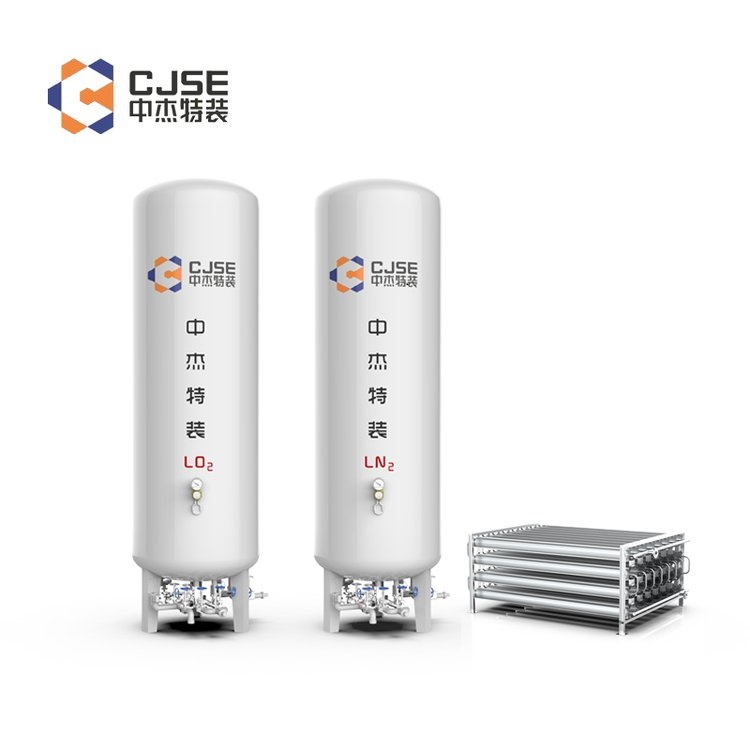
Liquid oxygen low-temperature storage tanks are primarily used for storing and supplying liquid oxygen, with their application methods varying according to specific needs and scenarios. Here are some common applications of liquid oxygen low-temperature storage tanks:
Applications: Liquid oxygen low-temperature storage tanks are widely used in the field for cryogenic preservation of biological samples, cells, tissues, and vaccines. Institutions such as biopharmaceutical research organizations and biobanks utilize liquid oxygen low-temperature storage tanks to store and protect these biological materials.
Experimental Research: Liquid Oxygen Low-Temperature Storage Tanks are used to provide low-temperature environments in scientific research and laboratories, for cryogenic preservation and experiments. These tanks play a crucial role in experimental research across various fields, including physics, chemistry, biology, and materials science.
Industrial Applications: Liquid Oxygen Low-Temperature Storage Tanks are used in the industrial field for low-temperature cooling, serving processes such as metal processing, welding, and heat treatment. These tanks provide low temperatures to achieve the required hardness and toughness of metals during processing.
Food Industry: Liquid Oxygen Low-Temperature Storage Tanks are used in the food industry for freezing and refrigerating food items, such as frozen meats, frozen fruits, and frozen seafood. The low temperature of liquid oxygen can quickly freeze the food, preserving its freshness and quality.
Liquid oxygen low-temperature storage tanks are used in the field for storing and supplying liquid oxygen as fuel. Liquid oxygen, as a high-energy fuel, is widely used in the propulsion systems of engines and devices.
During the operation of liquid oxygen low-temperature storage tanks, it is crucial to strictly adhere to relevant safety regulations and operational guidelines to ensure the safe operation and use of the tanks. Liquid oxygen is highly flammable, so fire prevention measures must be taken when using liquid oxygen low-temperature storage tanks, and it must be ensured that there are no ignition sources nearby.
Liquid oxygen storage tanks are high-pressure, highly oxidizing equipment that requires special attention to safety during use. Here are some safety considerations for liquid oxygen storage tanks:
- Operation: The operation of liquid oxygen storage tanks should be performed by trained and experienced personnel. Operators should be familiar with the tank's structure, performance, and operating procedures, and should operate strictly according to the operation manual and safety regulations.
- Fire Prevention Measures: Liquid oxygen is highly oxidizing and can easily cause fires and explosions. Open flames and hot objects should be prohibited around the liquid oxygen storage tank to prevent sparks and contact with the tank. Fire prevention facilities and fire extinguishing equipment should be established, and regular inspections and maintenance should be conducted.
- Leak Control: In the event of a leak in a liquid oxygen storage tank, immediate measures should be taken for leak control. Leaks can cause the evaporation of liquid oxygen and an increase in oxygen concentration, which can raise the risk of fire and explosion. A leak detection system should be established, and leak control devices and personal protective equipment should be provided.
- Insulation Protection: Liquid oxygen storage tanks should have good insulation protection to reduce the evaporation of liquid oxygen and maintain a low temperature state. The insulation layer should be inspected and maintained regularly to ensure its integrity and insulating properties.
- Safety Distance: A certain safety distance should be maintained around the liquid oxygen storage tank to prevent the spread of fires, explosions, and leaks. The specific requirements for safety distances should be assessed and determined according to local regulations and standards.
- Regular Inspections and Maintenance: Liquid oxygen storage tanks should be inspected and maintained regularly, including checking the structural integrity of the tank, valves, and pipes for tightness.
Shandong Zhongjie Special Equipment, welcome customers to visit our factory for cooperation negotiations.
WeChat Official Account

Scan to follow Official Account




















