


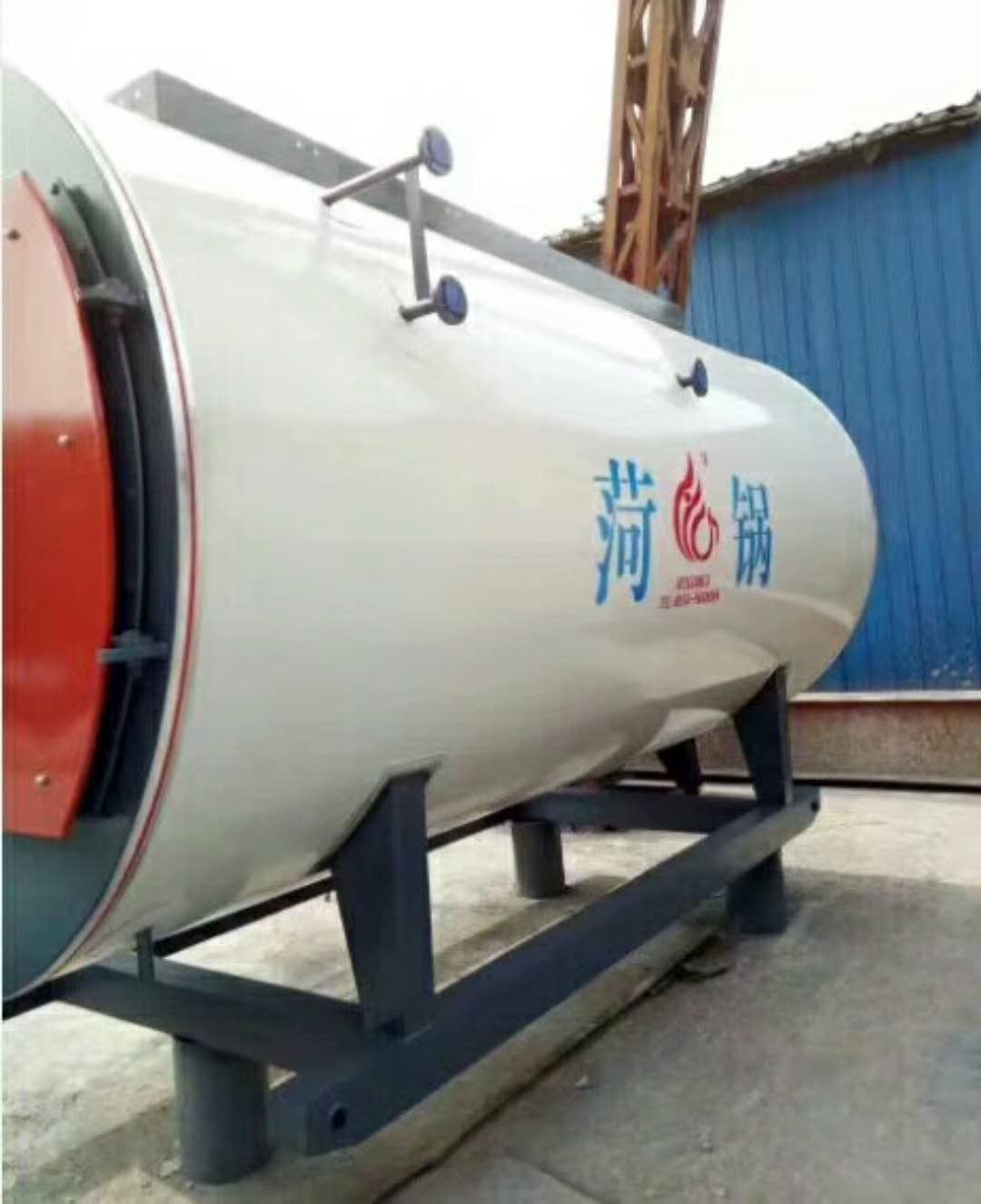



















Shandong Zhongjie Special Equipment (formerly Heze Boiler Factory Co., Ltd.) holds an A-grade boiler manufacturing license, an A2-grade pressure vessel manufacturing license, an A2-grade pressure vessel design license, a B-grade boiler installation license, and GB2/Class and GC2/Class pressure pipeline installation licenses, as well as an electromechanical equipment installation contracting qualification. It is a member of the China Boiler and Water Treatment Association, the China Chemical Equipment Association, and the council member of the Shandong Equipment Manufacturing Association. The company has also passed certifications for the ISO9001 Quality Management System, ISO14001 Environmental Management System, OHSAS18001 Occupational Health and Safety Management System, and the American ASME/U2 certification.
Protective tips for liquid nitrogen tanks include the following:
Wear protective gear: When operating liquid nitrogen tanks, it is mandatory to wear appropriate protective gear, including gloves, protective clothing, and non-slip shoes. This equipment can protect the skin from the low temperature of liquid nitrogen and other hazards.
Avoid direct contact: Liquid nitrogen is extremely cold and can cause chilling. Therefore, avoid direct contact with liquid nitrogen, especially with skin. Use tools or utensils for handling to prevent direct hand contact with liquid nitrogen.
Note Ventilation: In the operational area of the liquid nitrogen storage tank, ensure adequate ventilation to expel gases produced by the evaporation of liquid nitrogen. Maintain air circulation to avoid excessive oxygen concentration and reduce the risk of fire and explosion.
Prevent Leaks: Regularly inspect liquid nitrogen tanks for leaks, equip with leak detection and alarm systems. In case of a leak, take immediate measures to control the leak and carry out repairs. Avoid the harm of liquid nitrogen leaks to personnel and the environment.
Fire Prevention Measures: Nitrogen liquid has a low boiling and freezing point, which is prone to cause fires. Measures such as setting up fire barriers around liquid nitrogen storage tanks and using fire-retardant coatings are taken to prevent fires from occurring and spreading.
Static Protection: Electrostatic buildup in liquid nitrogen tanks may cause sparks, increasing the risk of fire. Measures such as using static-conductive materials and anti-static equipment are taken to reduce the accumulation and release of static electricity.
Regular inspections and maintenance: Conduct regular checks of the liquid nitrogen storage tank and related equipment, including valves, pipelines, pressure gauges, etc. Ensure the equipment is in perfect condition, and promptly repair or replace any damaged parts.
Waste Gas Treatment: Liquid nitrogen tanks produce waste gas during operation, which must be properly treated.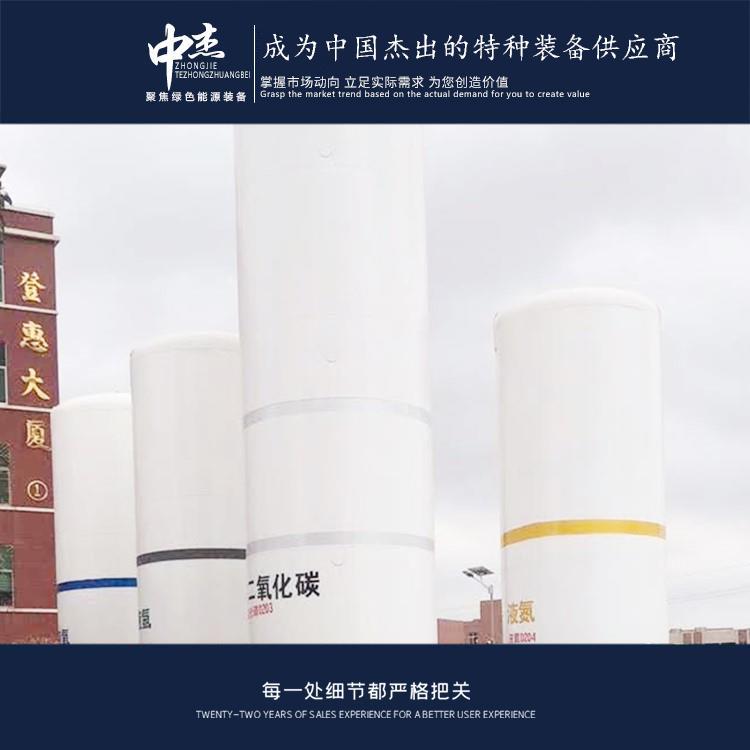
The filling process for liquid nitrogen storage tanks typically includes the following steps:
Preparation: Ensure that the storage tank and filling equipment are in good condition with no damage or leaks. Check that the insulation layer of the tank is intact and undamaged.
Safety Inspection: Check the tank and its surrounding environment for safety. Ensure there are no flammable materials or other hazardous items in the vicinity of the tank.
Connect equipment: Link the filling equipment to the storage tank. Ensure the connection is secure and leak-proof.
Prepare Liquid Nitrogen: Ready to supply liquid nitrogen, ensuring the quality and purity meet the requirements.
Open valves: Follow the operation instructions of the filling equipment to gradually open the corresponding valves, allowing liquid nitrogen to flow from the supply source into the storage tank.
Regulate Flow: Adjust the flow control valve of the filling equipment as needed to control the inflow rate of liquid nitrogen. Ensure the flow rate is moderate, avoiding too fast or too slow.
Monitor Liquid Level: Real-time monitoring of the liquid nitrogen level within the storage tank via a liquid level gauge or other level monitoring devices. Ensure the level is maintained within a safe range.
Discontinue Filling: Close the valve of the filling equipment when liquid nitrogen is filled to the storage tank or reaches the desired level, and stop the inflow of liquid nitrogen.
Disconnect: Disconnect the filling equipment from the storage tank, ensuring there are no leaks at the connection point.
Safety Inspection: Recheck the tank and its surrounding environment for safety, ensuring there are no leaks or other potential hazards.
Please note that the process described is for general reference only; the actual filling process may vary depending on the specific type of tank and filling equipment. When performing filling operations for liquid nitrogen tanks, please adhere to the relevant operational specifications and safety requirements, and ensure that the operators have received the necessary safety training and skills.
A 50 cubic meter liquid oxygen tank refers to a storage tank with a capacity of 50 cubic meters. Liquid oxygen tanks are commonly used for storing and supplying liquid oxygen, for applications such as experiments, research, and more.
Key features and configurations of a 50 cubic meter liquid oxygen storage tank may include the following aspects:
Volume: The capacity of a 50 cubic meter liquid oxygen tank is 50 cubic meters, allowing for the storage of larger quantities of liquid oxygen.
Structure: Liquid oxygen tanks typically feature a double or multi-layered design, filled with insulating material in the middle to minimize heat transfer and evaporation of the liquid oxygen. The tank material is usually stainless steel or aluminum alloy, offering excellent corrosion resistance and low-temperature performance.
Insulation Layer: The insulation layer of liquid oxygen storage tanks typically employs multi-layered insulation materials such as polyethylene foam, glass fiber, and vacuum layers, to reduce heat transfer and the evaporation of liquid oxygen.
Thermal Control System: Liquid oxygen tanks are typically equipped with a thermal control system to regulate the tank's temperature, maintaining the低温 state of the liquid oxygen.
Safety Equipment: Liquid oxygen tanks are typically equipped with safety devices such as pressure sensors, temperature sensors, and safety valves to ensure safe operation of the tank.
It's important to note that the use of liquid oxygen tanks must strictly adhere to relevant safety regulations and operational guidelines to ensure safe operation and use. Liquid oxygen is highly flammable, so fire prevention measures must be taken when using liquid oxygen tanks, and it's crucial to ensure there are no sources of ignition nearby.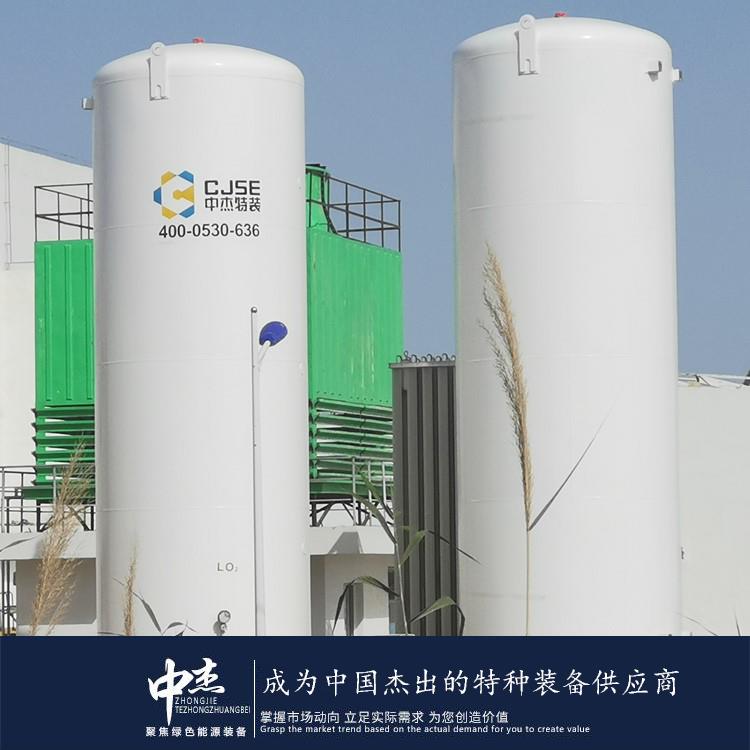
When storing liquid nitrogen in low-temperature storage tanks, be mindful of the following points:
Protective Gear: When operating low-temperature storage tanks, it is mandatory to wear appropriate protective gear, including protective gloves, suits, and non-slip shoes. This gear helps shield the skin from the low temperatures of liquid nitrogen and other hazards.
Avoid direct contact: Liquid nitrogen is extremely cold and can cause frostbite. Therefore, it is essential to avoid direct contact with liquid nitrogen, especially with the skin. Use tools or instruments for handling to prevent direct hand contact with liquid nitrogen.
Ventilation Requirements: In the operation area of low-temperature storage tanks, adequate ventilation must be ensured to expel gases produced by the evaporation of liquid nitrogen. Maintain air circulation to avoid excessive oxygen concentration, and reduce the risk of fire and explosion.
Prevent Leaks: Regularly inspect the leakage conditions of low-temperature storage tanks and equip them with leakage detectors and alarm systems. In case of leakage, take immediate measures to control and repair it. Avoid the harm caused by the leakage of liquid nitrogen to personnel and the environment.
Fire Prevention Measures: Liquid nitrogen has a low boiling and freezing point, which is prone to causing fires. To prevent and contain fires, fire walls and fire-resistant coatings are installed around low-temperature storage tanks.
Electrostatic Protection: Electrostatic buildup in low-temperature storage tanks may cause sparks, increasing the risk of fire. Measures should be
Shandong Zhongjie Special Equipment, welcome customers to our factory for business talks.
WeChat Official Account

Scan to follow Official Account




















