


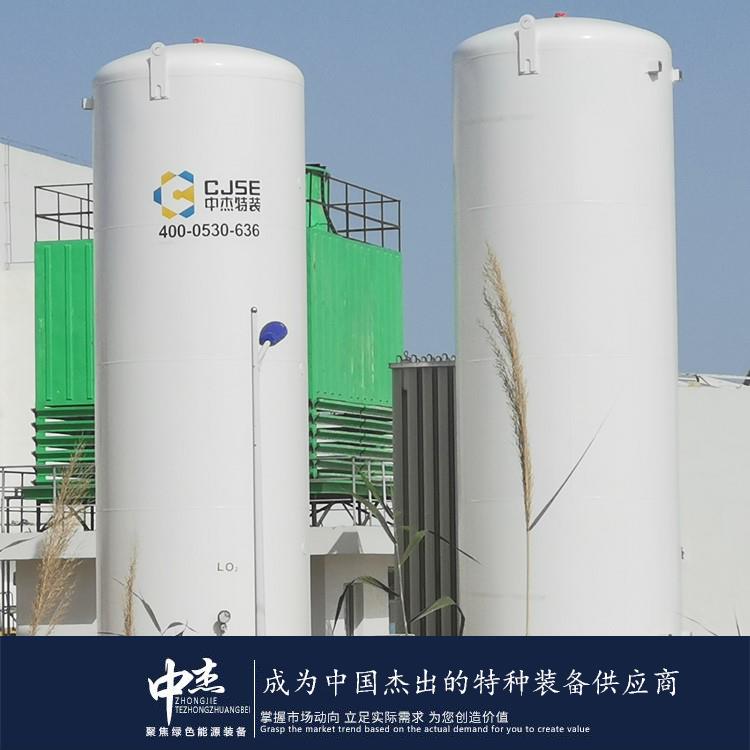



















Shandong Zhongjie Special Equipment Co., Ltd. (formerly Heze Boiler Factory Co., Ltd.) holds an A-grade boiler manufacturing license, an A2-grade pressure vessel manufacturing license, an A2-grade pressure vessel design license, B-grade boiler installation license, and GB2/Class, GC2/Class pressure pipeline installation licenses, as well as an equipment and machinery installation contracting qualification. It is a member of the China Boiler and Water Treatment Association, the China Chemical Equipment Association, and the council unit of the Shandong Equipment Manufacturing Association, and has passed certifications for the ISO9001 Quality Management System, ISO14001 Environmental Management System, OHSAS18001 Occupational Health and Safety Management System, and the American ASME/U2 certification.
Routine inspections of liquid nitrogen storage tanks involve regular checks and maintenance to ensure safe operation and efficient use. Here is a common-sense introduction to the inspection of liquid nitrogen storage tanks:
Appearance Inspection: Regularly inspect the tank's appearance, including the tank body, insulation layer, valves, and pipes, etc. Note any cracks, corrosion, wear, or other damage. Also, check if the insulation layer is intact, without any damage or detachment.
Level Check: Regularly inspect the liquid nitrogen tank's level to ensure it is within the normal range. This can be done using a level gauge or a level ruler, etc.
Pressure Check: Inspect the tank's pressure to ensure it's within the safe range. Pressure gauges or pressure sensors can be used for the check.
Leak Inspection: Check for signs of liquid nitrogen leakage around the tank, such as vapor mist, frosting, or freezing. If leakage is detected, take immediate action to repair it.
Valve and pipeline inspection: Verify that the valves and pipelines of the storage tank are functioning properly without any gas leaks or blockages. Ensure the tightness and unobstructed flow of the valves and pipelines.
Safety Device Inspection: Examine the safety devices of the storage tank, such as pressure relief valves, temperature sensors, and level alarms, to ensure they are functioning properly.
Maintenance Records: Timely record the inspection results and maintenance records of the tank, including liquid level, pressure, insulation status, leakage conditions, etc. These records help monitor the tank's operating condition and identify issues promptly.
Note that the inspection of liquid nitrogen tanks should adhere to relevant safety regulations and operational guidelines. Liquid nitrogen is highly flammable at low temperatures, so operators must wear appropriate personal protective equipment and ensure the operation area is free of any ignition sources. Regular inspections help identify issues promptly and allow for timely repairs, ensuring the safe and efficient operation of the tank.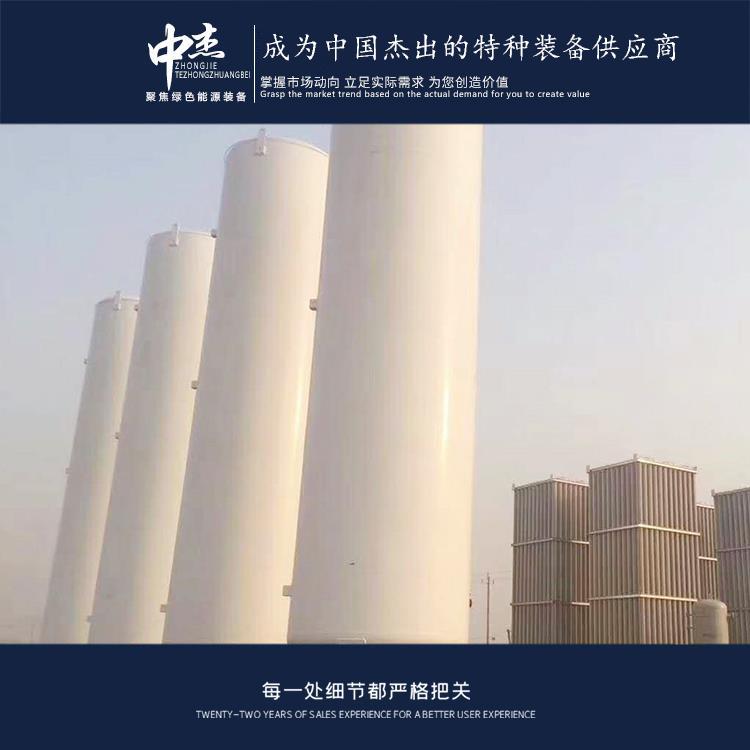
To safely utilize liquid oxygen tanks, attention should be given to the following aspects:
Training: Operators of liquid oxygen tanks must undergo training to understand the properties of liquid oxygen, safety operating procedures, and emergency response measures. Only trained personnel are authorized to operate liquid oxygen tanks.
Safety Operating Procedures: Establish and adhere to safe operating procedures for liquid oxygen tanks, including proper operational procedures, protective measures, and emergency response plans. Ensure operators follow the procedures to minimize accident risks.
Equipment Inspection and Maintenance: Regularly inspect the condition of liquid oxygen tanks and related equipment, including valves, pipes, pressure gauges, etc. Ensure that the equipment is in perfect condition without any damage, and promptly repair or replace any damaged parts.
Leakage Control: Equipped with leak detection and alarm systems to promptly identify and control any leaks in liquid oxygen storage tanks. In the event of a leak, immediate measures should be taken to control the source of the leak and initiate repairs.
Fire Prevention Measures: Liquid oxygen has a high oxygen content and is prone to cause fires. Measures such as installing firewalls around liquid oxygen storage tanks and using fire-retardant coatings are taken to prevent the occurrence and spread of fires.
Static protection: Electrostatic buildup in liquid oxygen tanks may cause sparks, increasing the risk of fire. Measures such as using static-conductive materials and anti-static equipment are taken to reduce the accumulation and release of static electricity.
Ventilation Requirements: Ensure adequate ventilation within the enclosed space of the liquid oxygen storage tank to expel gases produced by the evaporation of liquid oxygen. Avoid excessive oxygen concentration and reduce...
Liquid Oxygen Stations are facilities used for storing and supplying liquid oxygen, with Liquid Oxygen Tanks being a crucial component of these stations. Liquid Oxygen Tanks possess several important functions and features:
Liquid Oxygen Storage: Liquid oxygen tanks are primarily used for storing liquid oxygen, cooling gaseous oxygen below its critical temperature to convert it into a liquid state. The storage density of liquid oxygen is high, allowing for the storage of large amounts of oxygen in a relatively small space.
Maintain Low Temperature: Liquid oxygen tanks are typically designed with a double-layer structure, separated by a vacuum layer between the inner and outer layers to minimize heat conduction and maintain low temperatures. This helps to keep the liquid oxygen at a low temperature, preventing premature vaporization.
Safety Design: Liquid oxygen tanks must be designed and manufactured with safety in mind. They are typically made from high-strength materials such as stainless steel or aluminum alloy to withstand high pressure and low-temperature requirements. Additionally, liquid oxygen tanks are equipped with safety valves, pressure sensors, and temperature sensors to ensure that the internal pressure and temperature of the tank remain within safe limits.
Supply System Connection: Liquid oxygen tanks are typically connected to the supply system to transport liquid oxygen to the required locations. The supply system includes liquid oxygen pumps, pipelines, and valves, etc., which are used to extract liquid oxygen from the tank and deliver it to the user end.
Liquid oxygen storage tanks play a crucial role in storing and maintaining liquid oxygen at oxygen stations. Their design and operation must strictly adhere to relevant safety regulations and procedures to ensure the safety and reliability of the storage and supply process.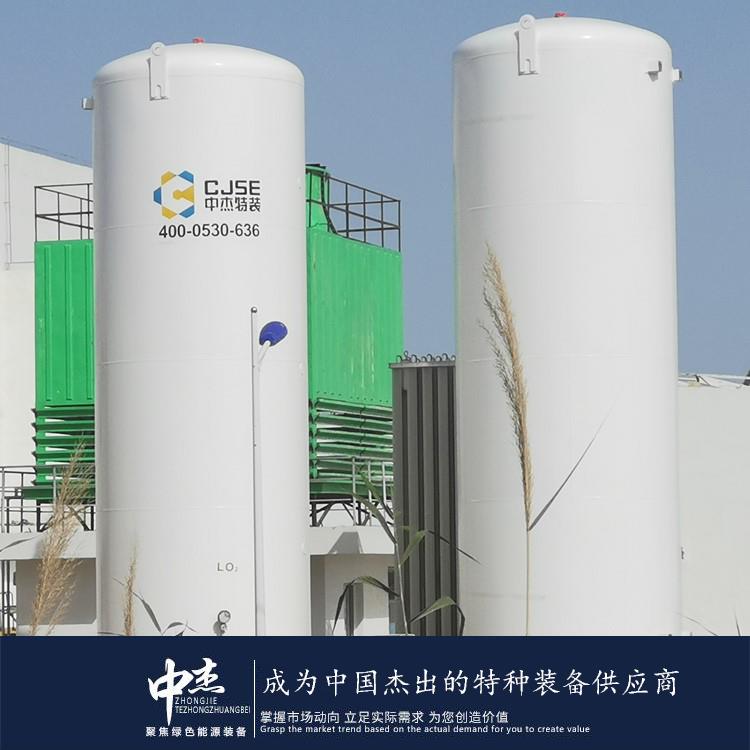
Maintenance and care are crucial for ensuring the safety of low-temperature storage tanks. Here are some common maintenance measures:
Regular Inspections: Conduct regular checks on low-temperature storage tanks, including inspections of the exterior, internal structure, and anti-corrosion coatings. Check for cracks, corrosion, wear, and other issues, and promptly identify and repair potential safety hazards.
Cleaning and De-icing: Regularly clean the exterior surface and internal structure of the low-temperature storage tank to remove accumulated dirt and ice layers. The buildup of ice can lead to structural damage and corrosion; cleaning and de-icing can extend the lifespan of the tank.
Level Monitoring: Regularly monitor the liquid level of low-temperature tanks to ensure it remains within a safe range. Excessive or low levels can lead to overpressure or over-vacuum in the tank, increasing safety risks.
Leak Detection: Install a leak detection system to regularly check for leaks in low-temperature storage tanks. Leaks can lead to the release and evaporation of liquids or gases, increasing safety risks.
Corrosion Protection Measures: Implement appropriate corrosion protection measures, such as coating protection and corrosion-resistant coatings, to safeguard the metallic structure of low-temperature storage tanks from corrosion.
Emergency Fault Handling: Establish an emergency fault handling mechanism to promptly address and repair issues with low-temperature storage tanks to prevent accidents from occurring or escalating.
Training and Development of Personnel: Train and develop operators and maintenance staff to ensure they possess the relevant knowledge and skills for the proper operation and maintenance of low-temperature storage tanks.
It's important to note that maintenance should be tailored to the specific type of tank and usage conditions, adhering to relevant local laws, regulations, and standards. During maintenance, it is advisable to consult with engineers or guidance from relevant institutions to ensure the tank's safety and reliability.
Zhongjie Special Equipment adheres to the grand vision of "realizing employees' dreams, creating value for customers, and striving for the prosperity and strength of our motherland," and is dedicated to the development of the green energy equipment industry. We commit to society with high-quality, cost-effective products and services!
WeChat Official Account

Scan to follow Official Account




















