



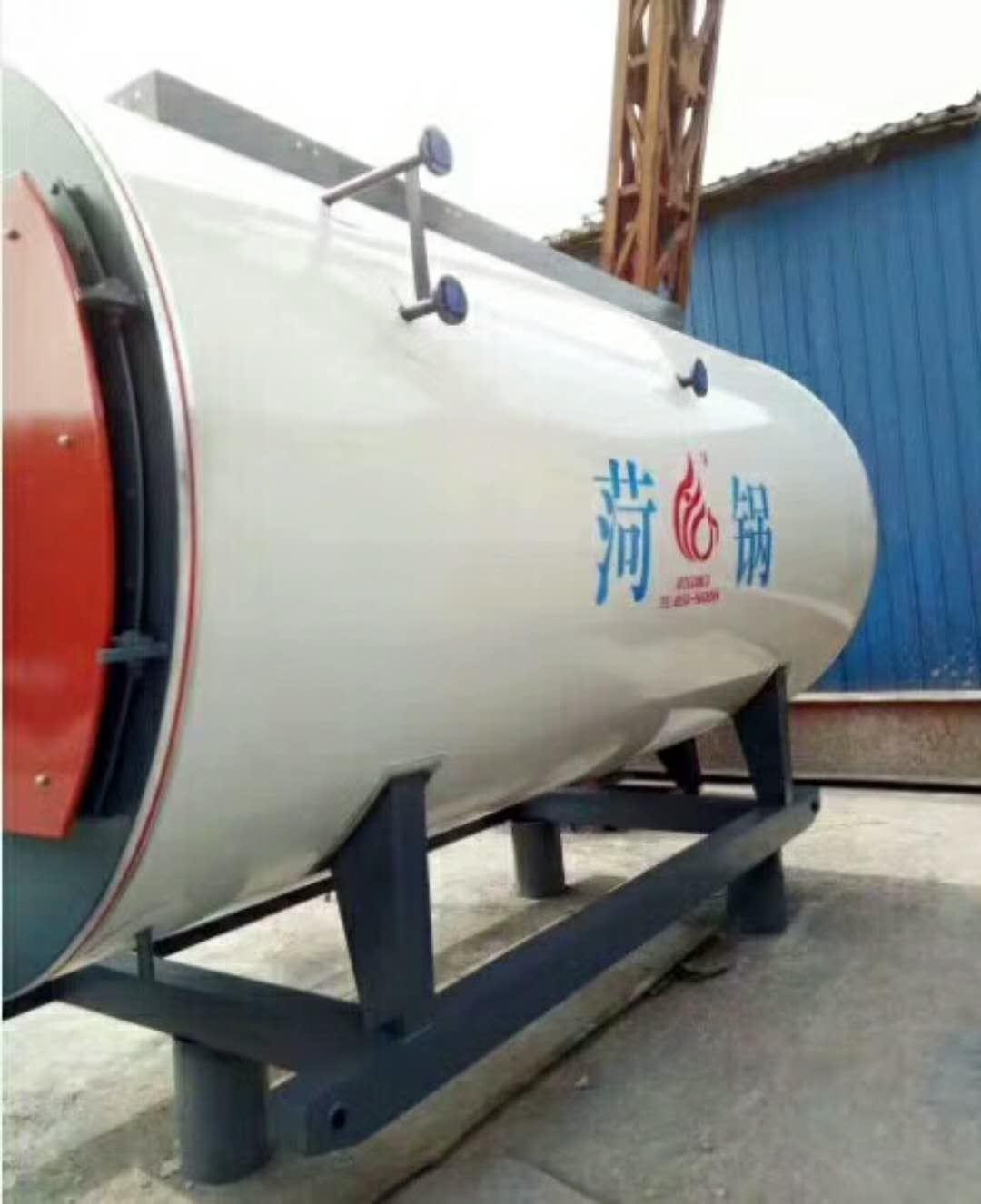
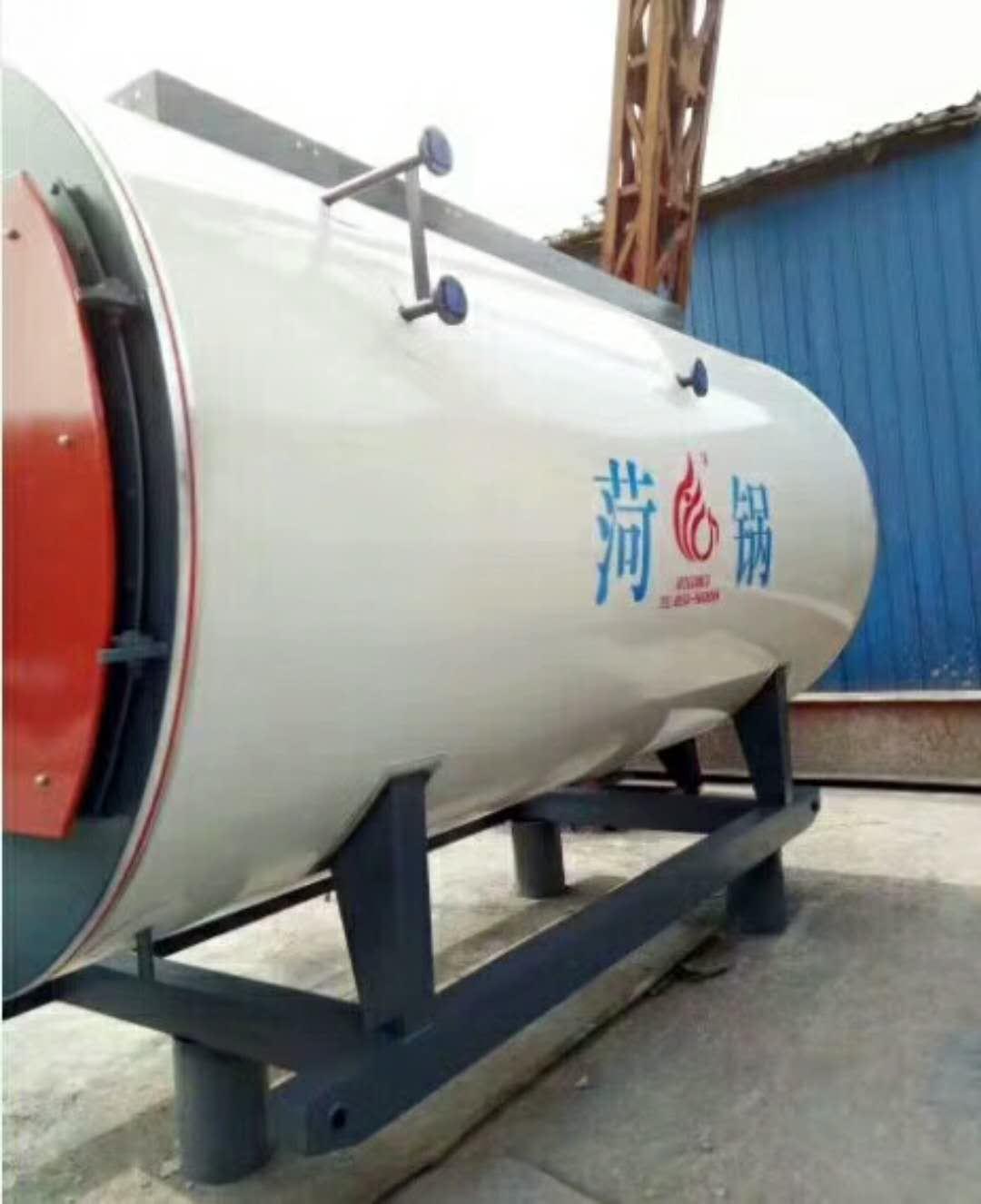



















Shandong Zhongjie Special Equipment (formerly Heze Boiler Factory Co., Ltd.) holds an A-grade boiler manufacturing license, an A2-grade pressure vessel manufacturing license, an A2-grade pressure vessel design license, B-grade boiler installation and GB2, GC2 pressure pipeline installation licenses, as well as a mechanical and electrical equipment installation contracting license. It is a member of the China Boiler and Water Treatment Association, the China Chemical Equipment Association, and the council member of the Shandong Equipment Manufacturing Association, and has passed the ISO9001 Quality Management System, ISO14001 Environmental Management System, OHSAS18001 Occupational Health and Safety Management System certifications, and the American ASME/U2 certification.
The temperature difference between the interior and exterior of a low-temperature liquid storage tank depends on multiple factors, including the tank's design, insulation performance, the temperature of the liquid, and the temperature of the external environment. Generally speaking, the temperature inside the low-temperature liquid storage tank is much lower than that of the external environment.
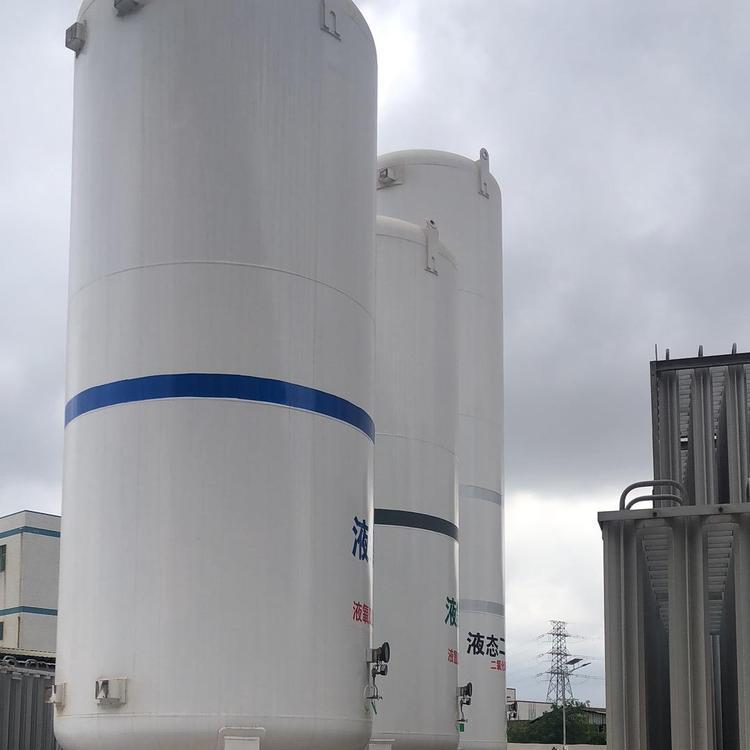
Low-temperature liquid storage tanks are commonly used for storing cryogenic liquids such as liquid nitrogen, liquid oxygen, and liquid argon. These liquids have very low boiling points, usually below -100 degrees Celsius. To maintain the low temperature of the liquids, the internal insulation of the tank must be excellent to minimize heat transfer and evaporation loss.
Low-temperature liquid storage tanks typically offer a smaller temperature difference. Generally, the internal temperature of the tank can be maintained near the boiling point of the liquid, usually several degrees lower than the ambient temperature. The specific temperature difference depends on the tank's design, insulation properties, and the characteristics of the liquid.
It's important to note that the temperature differences in low-temperature liquid storage tanks may change over time. As time goes by, the insulating material's performance may be affected by wear or aging, leading to increased temperature differences. Therefore, regular inspections and maintenance of the tank's insulation are crucial to ensure its effective and stable insulating performance.
Liquid oxygen storage tanks are equipment used for storing and supplying liquid oxygen. Liquid oxygen is a state where oxygen is cooled below its boiling point, converting it to a liquid. Liquid oxygen storage tanks typically feature a double or multi-layered structure with insulating material in between to minimize heat transfer and the evaporation of liquid oxygen.
Liquid Oxygen Storage Tanks Feature the Following:
High Purity: The liquid oxygen storage tank contains high purity liquid oxygen, typically exceeding 99.5% purity. This makes the liquid oxygen storage tank crucial in applications requiring high purity oxygen, such as medical, industrial, and research fields.
Low Temperature: As the boiling point of liquid oxygen is -183°C, liquid oxygen storage tanks must have excellent insulation properties to maintain the low temperature state of the liquid oxygen. Tanks are typically designed with double or multi-layer structures, filled with insulating material in between to minimize heat transfer and evaporation of the liquid oxygen.
High Pressure: Liquid oxygen tanks typically need to withstand high pressure to maintain their liquid state. The design and material selection of the tank must consider the pressure requirements of liquid oxygen to ensure the tank's safety and reliability.
Flammability: Liquid oxygen is highly flammable and can support combustion. Therefore, fire prevention measures must be implemented during the design and use of liquid oxygen storage tanks to ensure there are no ignition sources nearby and that appropriate fire extinguishing equipment is available.
High Density: Liquid oxygen has a higher density, allowing liquid oxygen tanks to store more oxygen than gas oxygen tanks. This gives liquid oxygen tanks an advantage in applications requiring large amounts of oxygen supply, such as in the field of and .
The use of liquid oxygen tanks must strictly adhere to relevant safety regulations and operating guidelines to ensure safe operation and usage of the tank.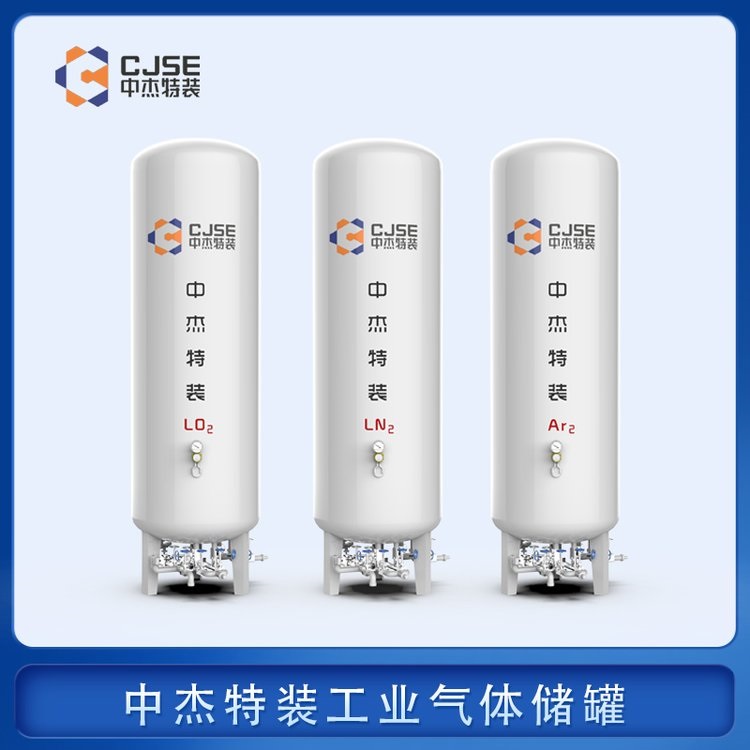
When selecting liquid oxygen storage tanks with medical oxygen concentrators, consider the following factors:
Requirement: First, determine the oxygen demand of the institution or individual. Select the appropriate oxygen concentrator model and specifications based on the required oxygen flow rate and pressure.
Safety and Reliability: Ensure the selected oxygen concentrator has high safety and reliability. Choose products that comply with relevant standards and regulations, featuring safety functions such as overpressure protection, leakage protection, and overload protection.
Ease of operation: Choose an oxygen concentrator that is simple to operate and user-friendly. Consider the methods for adjusting oxygen flow and concentration, as well as the clarity and readability of the operating interface.
Quality and Reputation: Choose an oxygen concentrator with excellent quality and reliability. Refer to user reviews, word-of-mouth, and institutional recommendations when selecting products.
Maintenance and After-Sales Service: Understand the maintenance requirements and after-sales support for the oxygenator. Ensure timely access to repairs and technical assistance to ensure the normal operation and maintenance of the oxygenator.
Cost-Effective: Considering the price, performance, and features of the oxygenator, choose a product with a good cost-performance ratio. Select an oxygenator that fits your actual needs and budget.
Be mindful that when selecting a liquid oxygen tank with a medical oxygen concentrator, adhere to relevant equipment procurement regulations and standards. It's advisable to consult with equipment suppliers or relevant institutions to ensure the chosen concentrator meets requirements and safety standards.
The operation and protection procedures for the application of low-temperature liquid nitrogen storage tanks should include the following:
Staff Training: All operators must undergo safety training for liquid nitrogen storage tanks, familiarize themselves with the properties, hazards, and proper operation procedures, as well as emergency response measures.
Protective Gear: Operators must wear appropriate protective gear, including gloves, protective suits, and non-slip shoes, to safeguard themselves against the low temperatures of liquid nitrogen and other hazards.
Ventilation Requirements: Sufficient ventilation must be maintained in the operational area of the liquid nitrogen storage tank to exhaust gases produced by the evaporation of liquid nitrogen. Avoid excessive oxygen concentration to reduce the risk of fire and explosion.
Leak Control: Tanks must be equipped with leak detection and alarm systems to promptly identify and control the leakage of liquid nitrogen. Upon detection of a leak, immediate measures should be taken to control the source of the leak and proceed with repairs.
Fire Prevention Measures: Nitrogen liquid has a low boiling and freezing point, which is prone to fire. To prevent fires and their spread, fire barriers should be set up around nitrogen liquid storage tanks and fire-retardant coatings should be used.
Electrostatic Protection: Electrostatic buildup in liquid nitrogen tanks can cause sparks, increasing the risk of fire. Measures such as using electrostatic conductive materials and anti-static equipment should be taken to reduce the accumulation and release of static electricity.
Regular Inspections and Maintenance: Conduct regular checks on the condition of liquid nitrogen tanks and related equipment, including valves, pipes, pressure gauges, etc. Ensure that the equipment is in perfect condition without any damage, and promptly repair or replace any damaged parts.
Waste Gas Treatment: Nitrogen liquid storage tanks produce waste gas during operation, and appropriate waste gas treatment measures must be taken to prevent harm to the environment and human health.
Emergency Response Plan: Develop an emergency response plan for liquid nitrogen tanks, including procedures for handling leaks, emergency rescue measures, and protocols for notifying relevant departments. Operators
Shandong Zhongjie Special Equipment, welcome customers to visit our factory for business discussions.
WeChat Official Account

Scan to follow Official Account




















