


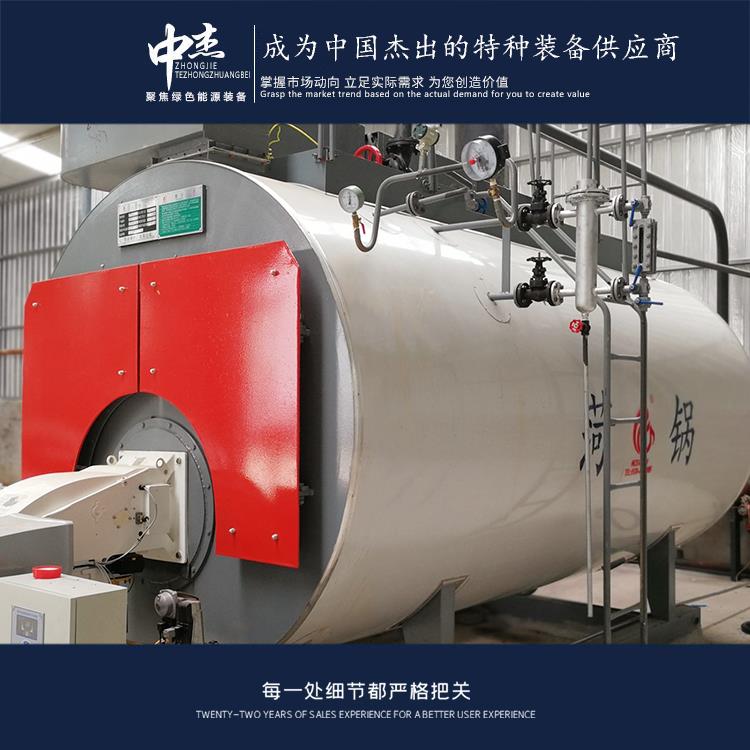


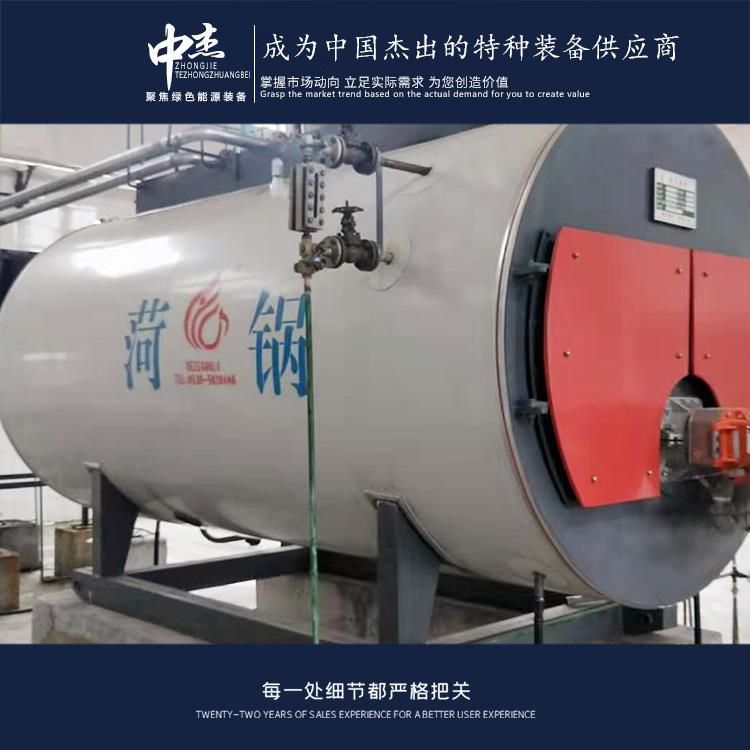



















Shandong Zhongjie Special Equipment (formerly Heze Boiler Factory Co., Ltd.) was established in 2001, located at No. 2218 Jinnan Road, Development Zone, Heze City, with a registered capital of 50 million yuan and total assets of 500 million yuan. The company has 7 business centers: boilers, deep-freeze containers, pressure vessels, central air conditioning, engineering installation, international trade, and Internet of Things. It has three factory areas on Jinnan Road, East Changjiang Road, and Bohai Road, covering a total area of 200,000 square meters, with the main workshop spanning 83,000 square meters. It currently employs 710 people, including 247 engineers and technicians and 82 intermediate-level technicians. In December 2016, it was recognized as a "High-tech Enterprise" by the Science and Technology Department. In June 2021, it was identified as a "Specialized and New Enterprise in Shandong Province" by the Ministry of Industry and Information Technology. In June 2022, it was recognized as a "Gazelle Enterprise in Shandong Province" and in August 2022, as a "Specialized and New Small Giant Enterprise" by the Ministry of Industry and Information Technology.
When addressing issues with gas boilers during the heating process, consider the following aspects:
- Check the gas supply: Ensure the gas supply is normal, and inspect the gas pipes for blockages or leaks. If problems are found, repair or replace the gas pipes promptly.
- Clean the burners and combustion chamber: Regularly clean the burners and combustion chamber to remove accumulated soot and dirt. This improves combustion efficiency and reduces gas waste.
- Check and adjust the gas-to-air ratio: Ensure the gas-to-air ratio is appropriate for optimal combustion. An incorrect ratio can lead to incomplete combustion or excessive exhaust gas production.
- Inspect and clean the heat exchanger: Regularly inspect and clean the heat exchanger to remove soot and dirt. This enhances heat exchange efficiency and ensures heat is effectively transferred to the heating system.
- Check and maintain the circulating pump and valves: Ensure the circulating pump and valves operate correctly to allow smooth flow of hot water or steam into the heating system.
- Inspect and maintain the control system: Ensure the gas boiler's control system operates properly, allowing accurate control of parameters such as temperature, pressure, and flow. If issues arise, repair or replace the controller promptly.
- Regular maintenance: Perform regular maintenance on the gas boiler, including cleaning, lubricating, and securing bolts. This extends the boiler's lifespan and reduces the occurrence of malfunctions.
- Training and awareness: Provide employee training to enhance awareness of operating and maintaining gas boilers. Improved knowledge and skills among staff contribute to better management and resolution of heating issues.
- If issues cannot be resolved or there is a potential safety
Common faults and troubleshooting methods for gas boiler burners are as follows:
1. No flame or unstable flame: Check if the gas supply is normal and ensure the gas valve is open. Clean the burner nozzle to ensure the passage is clear. Inspect the ignition electrode for cleanliness, carbon buildup, or dirt. Adjust the ratio of gas to air to ensure a proper mixture.
2. Incomplete combustion or black smoke: Check if the gas supply is sufficient and adjust the gas pressure. Clean the burner nozzle and combustion chamber to ensure the passage is clear. Adjust the ratio of gas to air to ensure a proper mixture. Check for carbon buildup or dirt in the burner and clean or replace damaged parts.
3. Difficulty in ignition or ignition failure: Inspect the ignition electrode for cleanliness, carbon buildup, or dirt. Adjust the position and gap of the ignition electrode to ensure normal spark generation. Check if the ignition transformer or controller is functioning properly, repair or replace damaged parts.
4. Abnormal noise from the burner: Check if the gas supply is normal and ensure the gas valve is open. Inspect the burner and combustion chamber for loose parts, tighten or replace damaged parts. Clean the burner and combustion chamber to ensure there is no carbon buildup or dirt.
If the above methods do not resolve the issue, it is recommended to contact a gas boiler maintenance professional for inspection and maintenance. Additionally, to ensure safety, follow the relevant safety operation procedures when using a gas boiler.
A condensing steam boiler is an energy-saving boiler equipment, with the following working principle and features:
Working Principle:
- Steam Generation: The condensing steam boiler produces high-temperature flue gas by burning gas, which then exchanges heat with the water pipes inside the boiler, heating the water into steam.
- Steam Condensation: After steam is generated, it enters the condenser where it exchanges heat with the condensing medium (usually cold water or recycled water), releasing heat from the steam and condensing it back into water.
- Flue Gas Reuse: The flue gas after condensation still contains a certain amount of heat, which can be recovered and reused through a flue gas reuse system to improve the boiler's thermal efficiency.
Features:
- Energy Saving: The condensing steam boiler utilizes the principle of steam condensation to make full use of the heat in the steam, enhancing the thermal energy utilization efficiency and saving energy consumption.
- Low Emissions: Due to the recovery of most of the heat during the flue gas condensation process, the flue gas temperature is lower, resulting in relatively low emissions of pollutants and a smaller environmental impact.
- Compact Structure: The condensing steam boiler typically features a compact design, occupying less space, making it suitable for places with limited space.
- Fast Startup: The condensing steam boiler has the characteristics of fast startup and shutdown, allowing for flexible adjustments and operation according to actual needs.
- Wide Application Range: The condensing steam boiler is suitable for heating and steam requirements in industrial production processes, such as power plants, chemical factories, and textile mills.
It is important to note that proper maintenance and regular cleaning of the condenser and flue gas reuse system are necessary during the operation of the condensing steam boiler to ensure its normal operation and performance.
If the thermal oil furnace circulating pump encounters issues, follow these steps for troubleshooting:
- Shutdown and inspect: First, stop the thermal oil furnace and disconnect the power. Check for any obvious signs of failure in the pump, such as unusual noises, oil leaks, or leaks. Inspect the motor for proper operation and for any abnormal heat generation.
- Clean the pump body: If sediment or impurities are found in the pump body, clean them. Use appropriate tools and cleaning agents to remove dirt and blockages from within the pump. Ensure safe operation to avoid damaging the pump body.
- Inspect pump connections: Check the pump's connection parts, including inlets and outlets, valves, and seals. Ensure that connections are tight, valves operate smoothly, and seals are intact. Repair or replace any loose or damaged parts promptly.
- Check the pump motor: Verify that the pump motor is operating normally, with no unusual sounds or overheating. Inspect the power lines and control system of the motor to ensure normal power supply and correct control signals.
- Inspect the lubrication and cooling system: Ensure the pump's lubrication and cooling system are functioning properly. Check the supply of lubricating oil or grease, and inspect the circulation and temperature control of cooling water or coolant.
- Adjust pump parameters: Depending on the situation, you may need to adjust pump parameters like flow rate and head. Adjust the pump speed or valve opening according to equipment requirements and operating conditions to meet the thermal oil furnace's energy needs.
- Seek repair if necessary: If the above steps do not resolve the issue or more extensive maintenance and repair are needed, consider seeking professional repair services. Contact a repair technician or manufacturer's technical support for further troubleshooting and repair.
- Safety is paramount: When dealing with thermal oil furnace circulating pump issues, always operate safely and follow relevant operational procedures and safety requirements. If unsure about the handling or if there are safety hazards, seek assistance immediately.
Chongjie Special Equipment adheres to the great vision of "realizing employees' dreams, creating value for customers, and striving for the prosperity and strength of our motherland," and is dedicated to the development of the green energy equipment industry. We offer the society products and services with high cost-performance!
WeChat Official Account

Scan to follow Official Account




















