


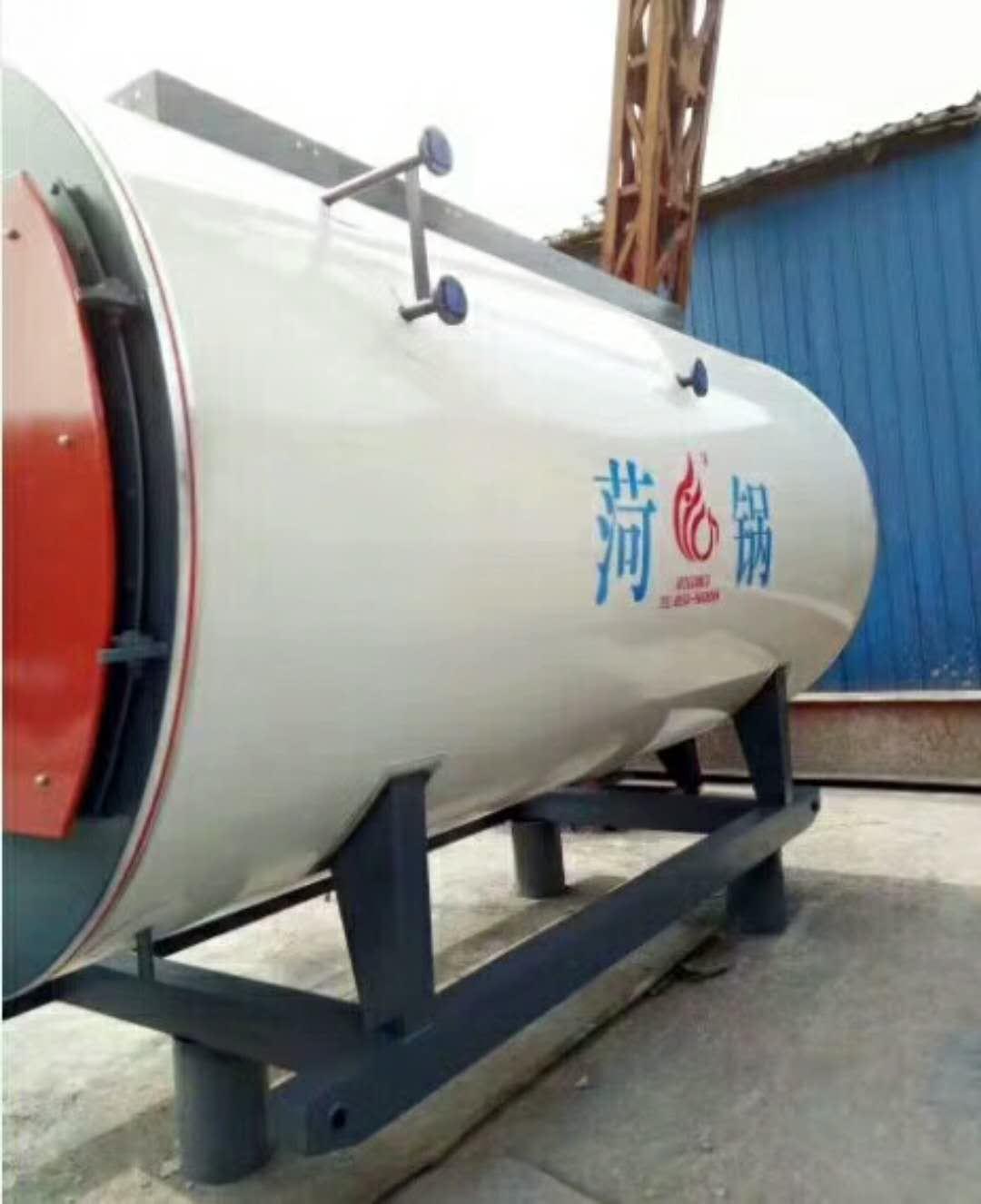


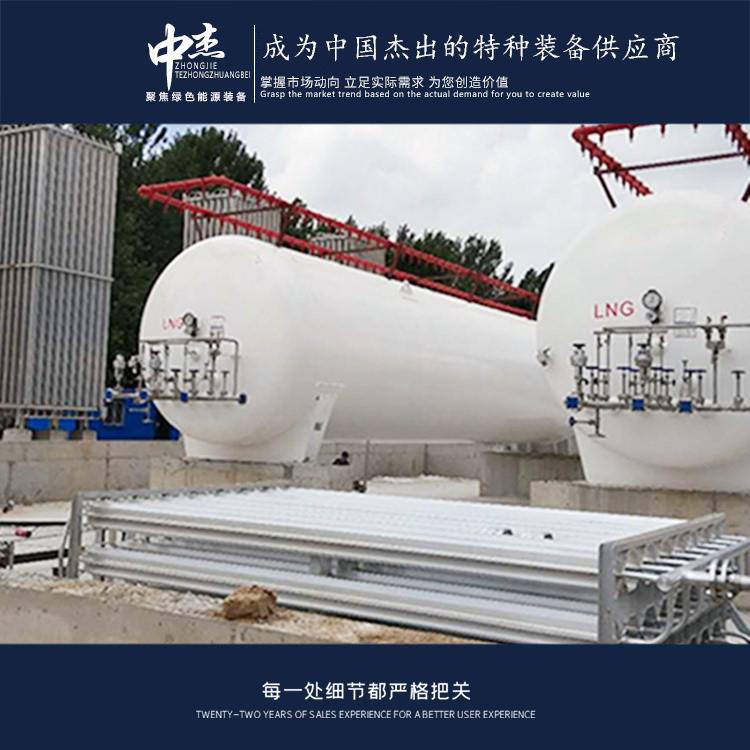



















Shandong Zhongjie Special Equipment (formerly Heze Boiler Factory Co., Ltd.) holds an A-grade boiler manufacturing license, an A2-grade pressure vessel manufacturing license, an A2-grade pressure vessel design license, a B-grade boiler installation license, and GB2/Class, GC2/Class pressure pipeline installation licenses, as well as a qualification for electromechanical equipment installation contracting. It is a member of the China Boiler and Water Treatment Association, the China Chemical Equipment Association, and a director unit of the Shandong Equipment Manufacturing Association. The company has also passed certifications for the ISO9001 Quality Management System, ISO14001 Environmental Management System, OHSAS18001 Occupational Health and Safety Management System, and the American ASME/U2 certification.
Carbon dioxide synthesis is a chemical reaction that utilizes carbon dioxide. This process has several applications:
- Fertilizer production: It is an essential raw material for manufacturing fertilizers, and carbon dioxide synthesis represents a sustainable production method. By reacting with carbon dioxide, it can synthesize compounds used in nitrogen fertilizers, such as urea. This approach reduces reliance on fossil fuels used in traditional production methods, thereby lowering greenhouse gas emissions.
- Energy storage: Carbon dioxide synthesis can also serve as a form of energy storage. By reacting carbon dioxide and storing energy in the form of chemical bonds, energy can be released by reversing the reaction when needed.
- Fuel cells: It can be used as a clean fuel in fuel cells. By synthesizing carbon dioxide and using it in fuel cells, electricity can be generated, with water and nitrogen as the only byproducts, thus reducing environmental pollution.
- Chemical synthesis: It is an important raw material for many chemical syntheses. Carbon dioxide synthesis can provide a sustainable supply for the chemical industry, used to synthesize other chemicals such as etc.
The development of carbon dioxide synthesis technology aims to reduce reliance on fossil fuels used in traditional production methods, lower greenhouse gas emissions, and promote the development of sustainable energy and the chemical industry. However, this technology is still under development and research, requiring further technological breakthroughs and practical verification to achieve large-scale application.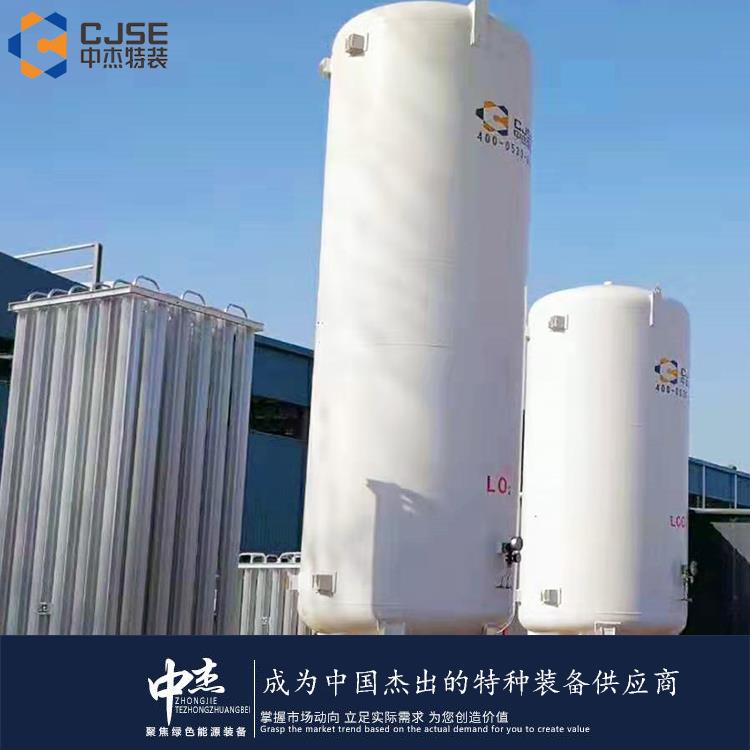
Before using a CO2 storage tank, certain inspection and filling points must be addressed. Here are some common precautions:
- Inspect the tank's exterior: Check for any signs of visible damage, corrosion, or leakage. Ensure the tank shell is undamaged.
- Check valves and fittings: Verify that the valves and fittings on the tank are securely fastened and there are no leaks. Ensure the proper functioning of valves and fittings.
- Inspect the pressure gauge: Check if the pressure gauge on the tank is working correctly and the readings are accurate. Replace or repair if abnormal.
- Check the level indicator: Ensure the level indicator on the tank is functioning properly and accurately displaying the level. Repair or replace if abnormal.
- Inspect the pressure relief device: Check if the pressure relief device (e.g., safety valve) on the tank is working correctly and the set pressure meets requirements. Repair or replace if abnormal.
- Inspect filling equipment: Verify that the filling equipment (e.g., filling pipes, pumps) is working properly with no leaks or blockages. Ensure the safety and reliability of the filling equipment.
- Filling operations: During the filling process, note the following:
- Control the filling speed, avoiding too fast or too slow.
- Control the filling pressure, not exceeding the tank's rated pressure.
- Monitor the level to ensure proper filling.
- Regularly check the filling equipment and valves to ensure they are functioning correctly.
- Safety measures: Adhere to relevant safety regulations and procedures during the filling process. Operators should wear appropriate protective gear, such as static-proof clothing, gloves, etc.
- Note that specific inspection and filling points may vary depending on the tank type and application. Before using a CO2 storage tank, check and operate according to relevant specifications and standards, and consult with experts to ensure safety and effectiveness.
The safe operation of low-temperature carbon dioxide storage tanks is primarily crucial in the following aspects: Design and Manufacturing: The tank's design and construction must comply with relevant standards and regulations to ensure they can withstand working conditions in low temperatures and high pressures. The tank should have sufficient strength and sealing performance to prevent leaks and ruptures. Safety Valves and Pressure Control: The tank should be equipped with safety valves and pressure control devices to ensure the internal pressure remains within a safe range. Safety valves should be regularly inspected and tested to ensure proper functioning. Temperature Control: Effective temperature control is necessary for low-temperature carbon dioxide storage tanks to prevent freezing or embrittlement due to excessively low temperatures. Appropriate insulation materials and equipment should be used to maintain the tank and pipeline temperatures within a safe range. Leak Detection and Alarm: The tank should be fitted with leak detection devices and an alarm system, along with corresponding monitoring equipment. These devices can detect leaks promptly and trigger alarms to take appropriate actions. Safe Operation and Training: Operators should receive relevant training to understand the safe operation procedures and standards for low-temperature carbon dioxide storage tanks. Operators should be familiar with the tank's characteristics, working principles, and emergency response measures. Regular Inspections and Maintenance: Tanks should be regularly inspected and maintained, including visual inspections, anti-corrosion coating maintenance, and leak detection. Regular inspections can identify potential issues early and take appropriate corrective actions. Emergency Preparedness: Establish an emergency response plan and equip with appropriate fire-fighting and first-aid equipment. Operators should be familiar with emergency procedures and be able to respond quickly to emergencies. Please note that the above key points are general recommendations only. Specific safe operation should be based on the design and usage requirements of the low-temperature carbon dioxide storage tanks. It is recommended to refer to relevant safety operation manuals and guidelines before using the tank to ensure operational safety.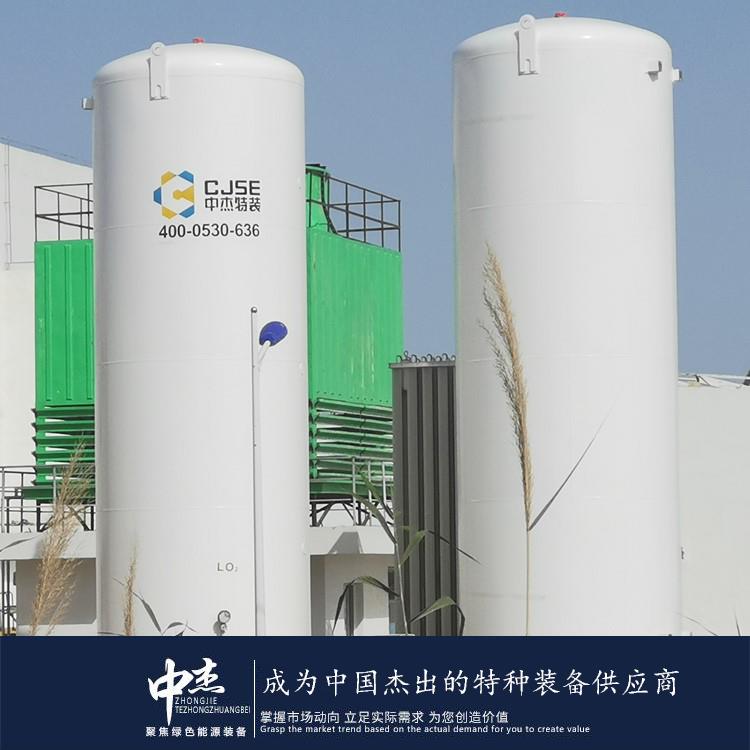
Carbon dioxide storage tanks are equipment used for storing and supplying carbon dioxide gas, with the following parameters, functions, and features:
Parameters:
- Capacity: The capacity of carbon dioxide storage tanks can be customized to meet requirements, typically expressed in the volume of liquid carbon dioxide, such as kiloliters or cubic meters.
- Pressure: The internal pressure of the tank is usually controlled within a safe range to ensure the safety of storage and supply.
- Temperature: Carbon dioxide storage tanks typically need to be maintained at low temperatures to keep the carbon dioxide in a liquid state.
Functions:
- Storage: The tanks can compress carbon dioxide gas into a liquid, enabling high-density storage, saving space and costs.
- Supply: Carbon dioxide within the tank can be supplied to the required fields via pipelines or other means, such as the food and beverage industry, fire suppression, etc.
Features:
- Environmental and Renewable: Carbon dioxide is an environmentally friendly gas. By storing and utilizing it, the amount released into the atmosphere can be reduced, achieving environmental protection and sustainable development.
- Safe and Reliable: During design and manufacturing, carbon dioxide storage tanks usually employ high-strength materials with excellent pressure resistance and safety. The tanks are equipped with safety valves, pressure gauges, and other accessories to ensure safe operation.
- Multiple Applications: Carbon dioxide storage tanks are widely used in the food and beverage industry, fire suppression, and other fields. Carbon dioxide can be used as a food preservative, beverage effervescent agent, gas, fire extinguisher, etc., with a wide range of applications and market demand.
In summary, carbon dioxide storage tanks have the characteristics of high-density storage, safety and reliability, environmental friendliness, and renewability, as well as multiple application fields, making them an important equipment for storing and supplying carbon dioxide gas.
Shandong Zhongjie Special Equipment, welcome customers to our factory for business talks.
WeChat Official Account

Scan to follow Official Account




















