


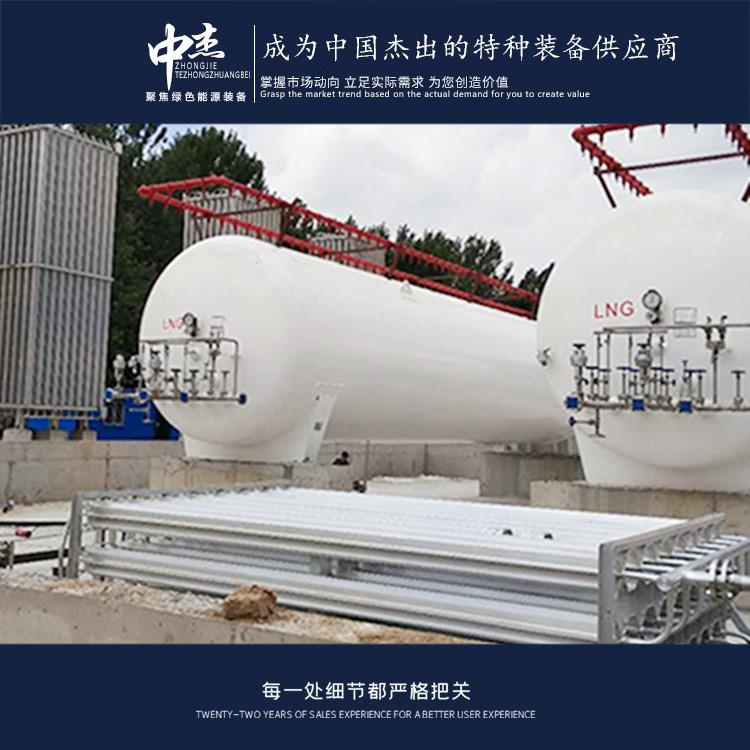

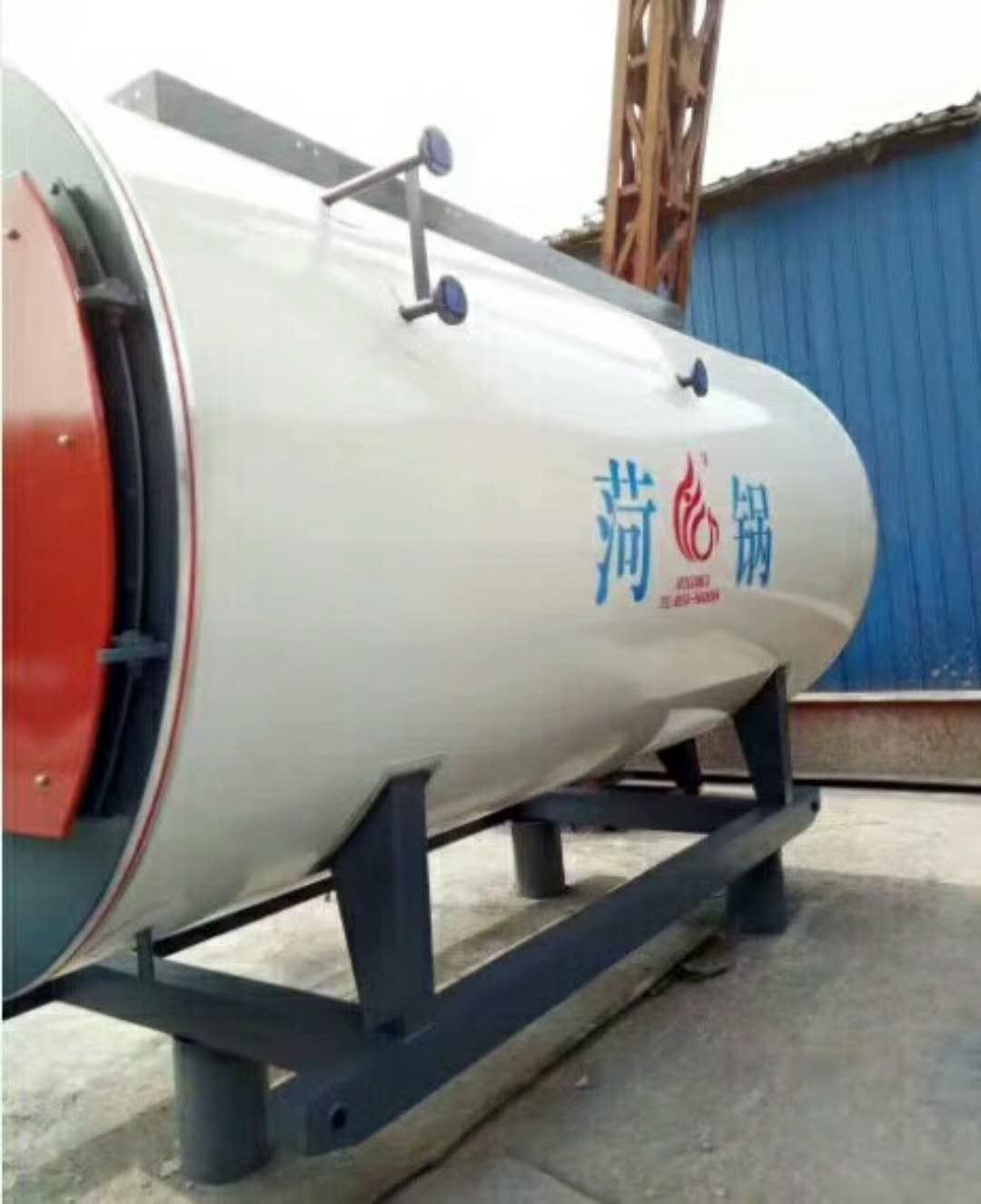
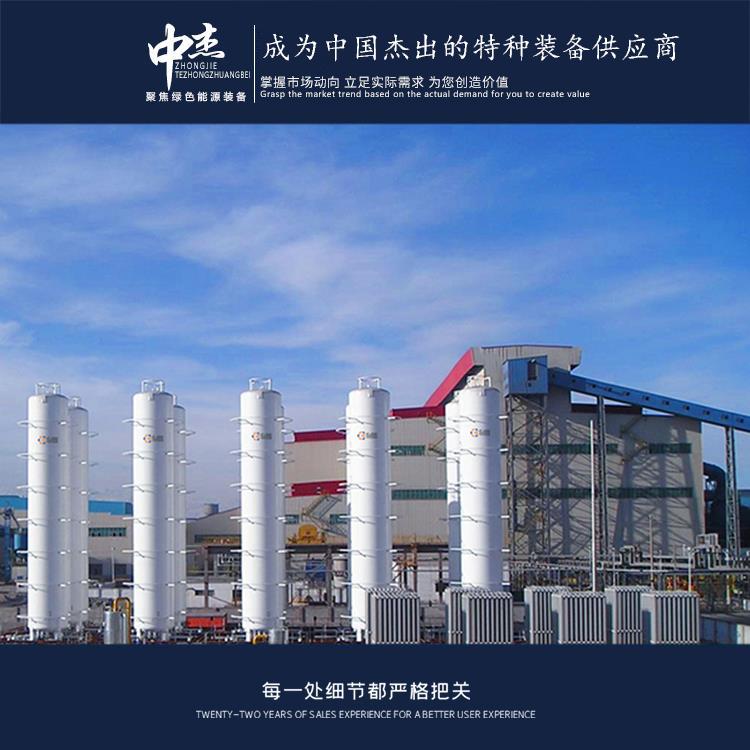



















Shandong Zhongjie Special Equipment (formerly Heze Boiler Factory Co., Ltd.) was established in 2001, located at No. 2218 Jinnan Road, Development Zone, Heze City, with a registered capital of 50 million yuan and total assets of 500 million yuan. The company has 7 business centers: boilers, deep-freezing vessels, pressure vessels, central air conditioning, engineering installation, international trade, and Internet of Things. It has three factory sites on Jinnan Road, East Changjiang Road, and Bohai Road, covering a total area of 200,000 square meters, with the main workshop spanning 83,000 square meters. It currently employs 710 people, including 247 engineers and technicians, and 82 intermediate-level technical personnel. In December 2016, it was recognized as a "High-tech Enterprise" by the Science and Technology Department. In June 2021, it was identified as a "Specialized and New Enterprise in Shandong Province" by the Ministry of Industry and Information Technology. In June 2022, it was recognized as a "Gazelle Enterprise in Shandong Province" and in August 2022, it was identified as a "Specialized and New Small Giant Enterprise" by the Ministry of Industry and Information Technology.
The stable pressure design of a 15 cubic meter liquid argon storage tank requires consideration of the following aspects:
Tank Pressure: Determine the design pressure of the tank to meet the storage and supply requirements for liquid argon. Establish an appropriate design pressure range based on the properties and usage conditions of liquid argon.
Stabilization System: Select an appropriate stabilization system to maintain stable pressure within the storage tank. The stabilization system typically includes components such as pressure regulators, pressure sensors, and control valves, which are used for monitoring and adjusting the pressure inside the tank.
Pressure Sensor: Install a pressure sensor to monitor the pressure changes inside the storage tank in real-time. The sensor transmits pressure signals to the voltage stabilization system, allowing for timely adjustment of the control valve to maintain stable pressure within the tank.
Control Valve: Select an appropriate control valve for regulating the gas flow and pressure inside the storage tank. The control valve should have excellent regulating performance and stability to ensure the pressure inside the tank remains within the set range.
Safety Valve: Install a safety valve to automatically release gas when the pressure inside the storage tank exceeds the set value, preventing overpressure. The safety valve should be selected and installed based on the design pressure and capacity of the storage tank.
Voltage Regulation System Control: Configure an appropriate control system to monitor and manage the operation of the voltage regulation system. The control system can achieve automatic adjustment and alarm functions to ensure stable and safe pressure within the storage tank.
Note that the design of the pressure-stabilizing system should be tailored to the specific engineering requirements and operating conditions of the liquid argon storage tank, adhering to relevant local laws, regulations, and standards. When designing and installing the pressure-stabilizing system, it is recommended to consult with an engineer or a relevant institution for guidance to ensure the reliability and safety of the system.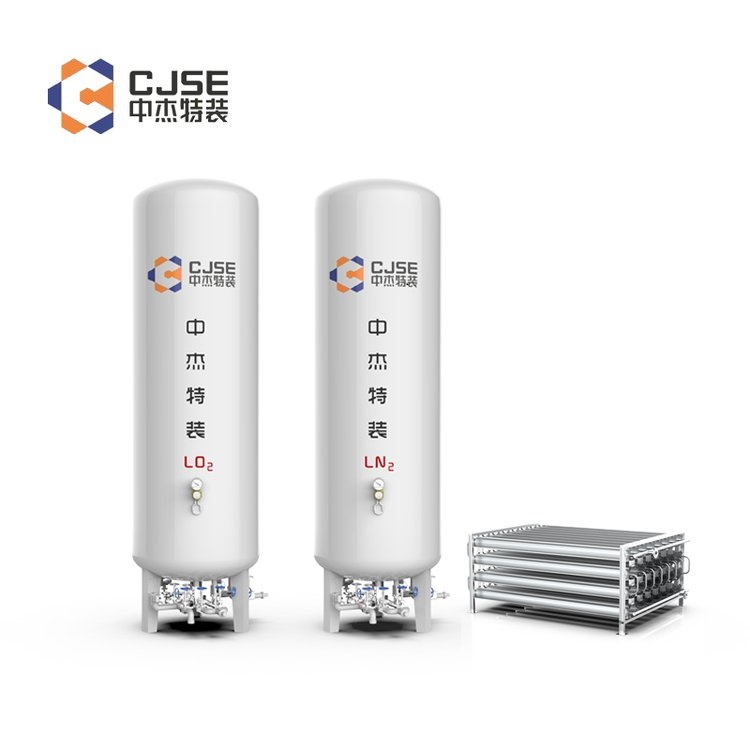
Standard specifications for liquid oxygen storage tanks may vary by region. Here are examples of some common standards:
US Standards: The American National Standards Institute (ANSI) and the American Petroleum Institute (API) have issued a series of standards for liquid oxygen storage tanks, such as ANSI/API Standard 2510 "Design and Construction of Liquid Oxygen Storage Tanks" and ANSI/API Standard 2510A "Supplement to the Design and Construction of Liquid Oxygen Storage Tanks."
European Standards: The European Committee for Standardization (CEN) has issued a series of standards for liquid oxygen storage tanks, including EN 13458 "Liquid Oxygen Storage Tanks. Design and Construction" and EN 14015 "Vertical Welded Steel Fixed Storage Tanks. Design and Construction."
Chinese Standards: The Standardization Administration of the People's Republic of China (SAC) has issued a series of standards for liquid oxygen storage tanks, such as GB/T 18442 "Design Code for Liquid Oxygen Storage Tanks" and GB/T 18443 "Construction and Acceptance Code for Liquid Oxygen Storage Tanks."
These standards typically cover requirements for the design, manufacturing, installation, operation, maintenance, and inspection of liquid oxygen storage tanks. They encompass provisions for the tank's structure, materials, safety valves, insulation, leak control, fire protection measures, and safety distances to ensure the safety and reliability of the tanks.
When designing, manufacturing, and using liquid oxygen storage tanks, it is essential to adhere to applicable standards and regulations and collaborate with local regulatory authorities and personnel to ensure compliance with relevant safety requirements and regulations.
The manufacturing process for the heads and cylinders of low-temperature storage tanks typically includes the following steps:
Material Preparation: Select suitable materials, such as low-temperature alloy steel or stainless steel, based on design requirements and specifications. Inspect and verify the materials to ensure they meet quality standards.
Sheet Cutting: Sheets are cut according to design dimensions and shapes. Common cutting methods include flame cutting, plasma cutting, or laser cutting, etc.
Bending and Shaping: Cut sheets are bent and shaped to form heads and cylinders. Common shaping methods include cold bending, hot bending, or hydraulic forming, etc.
Welding: Welds the shaped plates together to form the structure of the head and cylinder. Common welding methods include manual arc welding, gas shielded welding, or laser welding, etc.
Weld Seam Treatment: Process the weld seams after welding, such as sanding, polishing, or applying anti-corrosion coatings, to enhance the quality and appearance of the welds.
Inspection and Acceptance: Perform inspections and acceptances on the finished heads and cylinders to ensure their quality and compliance with design requirements. Common inspection methods include ultrasonic testing, radiographic testing, or liquid penetrant testing, etc.
Reinforcement and support: As required, process and install reinforcement and support on the heads and cylinders to enhance the structural strength and stability.
Surface Treatment: The heads and cylinders are subjected to surface treatment, such as coating with anti-corrosion paint, hot-dip galvanizing, or polishing, to enhance their corrosion resistance and aesthetic quality.
It's important to note that the manufacturing process for low-temperature storage tanks must comply with relevant standards and regulations to ensure the quality and safety of the production process. During manufacturing, strict adherence to safety operation procedures and the implementation of necessary protective measures are required to ensure the safety of the operators.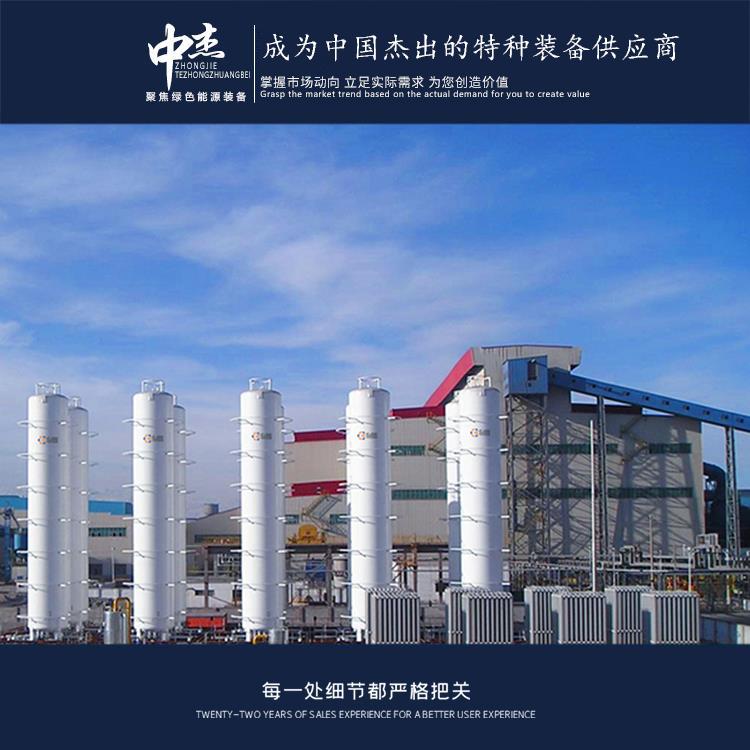
To extend the service life of liquid argon storage tanks, the following measures can be taken:
Regular inspections and maintenance: Conduct regular visual inspections of the liquid argon tank, check valves and connections, and perform leak detection and pressure tests. Identify and repair potential issues promptly to ensure the normal operation of the tank.
Maintain Insulation: The insulation is crucial for the thermal preservation of liquid argon tanks. Regularly inspect the integrity and insulating properties of the insulation, repair or replace damaged insulation materials to ensure the tank's insulating effectiveness.
Control Liquid Argon Temperature: The temperature of liquid argon should be maintained within an appropriate range to prevent damage to the storage tank due to excessive or low temperatures. Implement suitable cooling or heating measures to ensure the stable temperature of liquid argon.
Corrosion Protection: The exterior shell and internal structure of the liquid argon tank should be protected against corrosion and oxidation. Regular inspections and maintenance of the protective coating are essential to ensure its integrity and prevent damage.
Avoid excessive pressure and overfilling: Prevent the internal pressure of the tank from being too high or too low, as well as overfilling with liquid argon. Excessive pressure and overfilling can lead to structural破裂 or damage to the tank.
Regular cleaning and waste removal: Regularly clean the interior of the tank to remove accumulated impurities and dirt. Regularly remove waste to prevent contaminants and sediments in liquid argon from damaging the tank.
Safety Operation and Training: Ensure operators are equipped with the knowledge and skills for safe operation of liquid argon tanks. Enhance safety training to boost operators' safety awareness and emergency response capabilities.
Establish comprehensive management records and documents, including tank usage, inspection, and maintenance records. Regularly review and update these records to ensure safe management and maintenance of the tanks.
These measures can help extend the service life of liquid argon tanks, but specific operations and management are required based on the type and application of the tank. When performing maintenance and operation, follow relevant specifications and standards, and consult experts to ensure safety and effectiveness.
Shandong Zhongjie Special Equipment, welcome customers to our factory for business talks.
WeChat Official Account

Scan to follow Official Account




















