


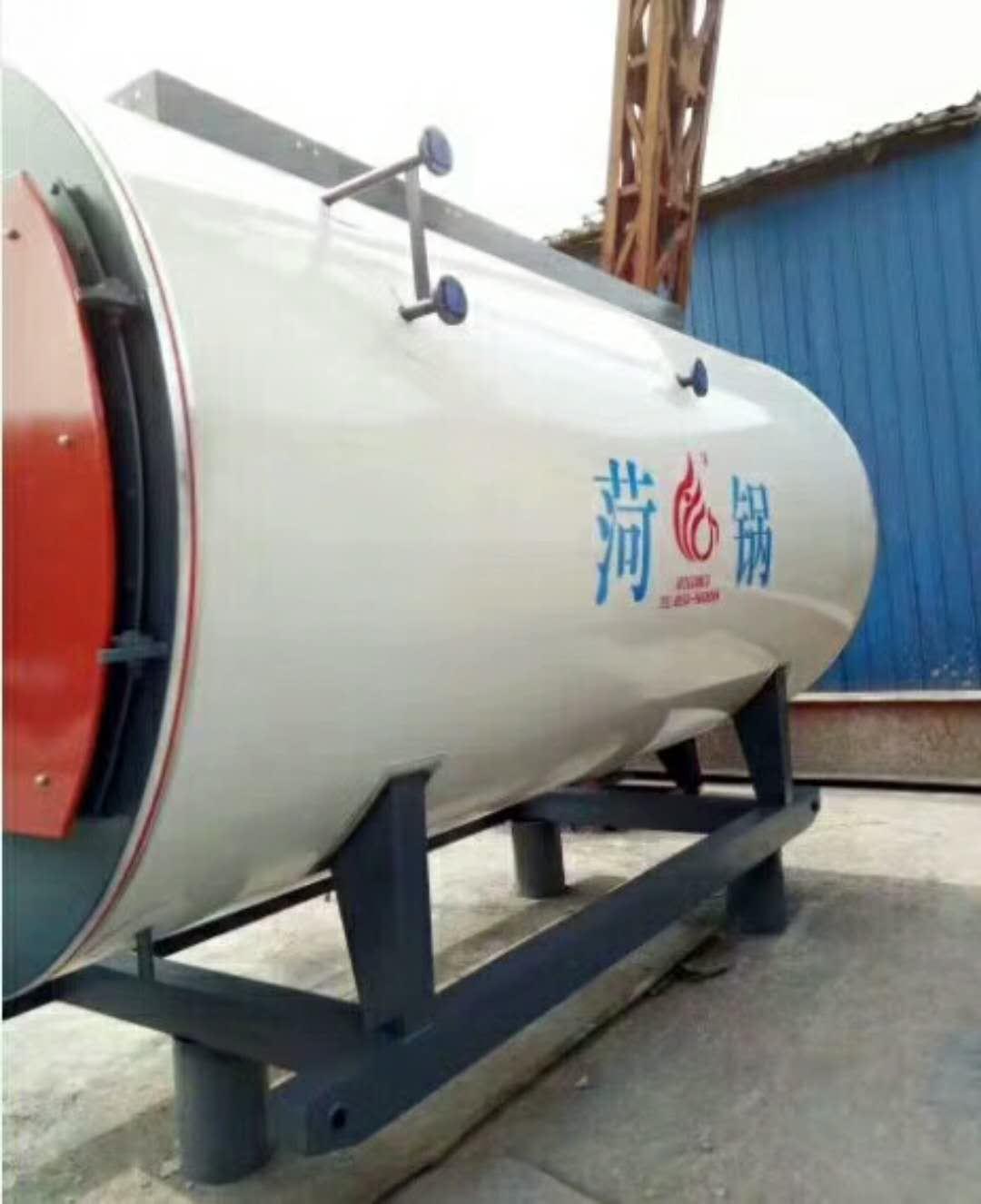

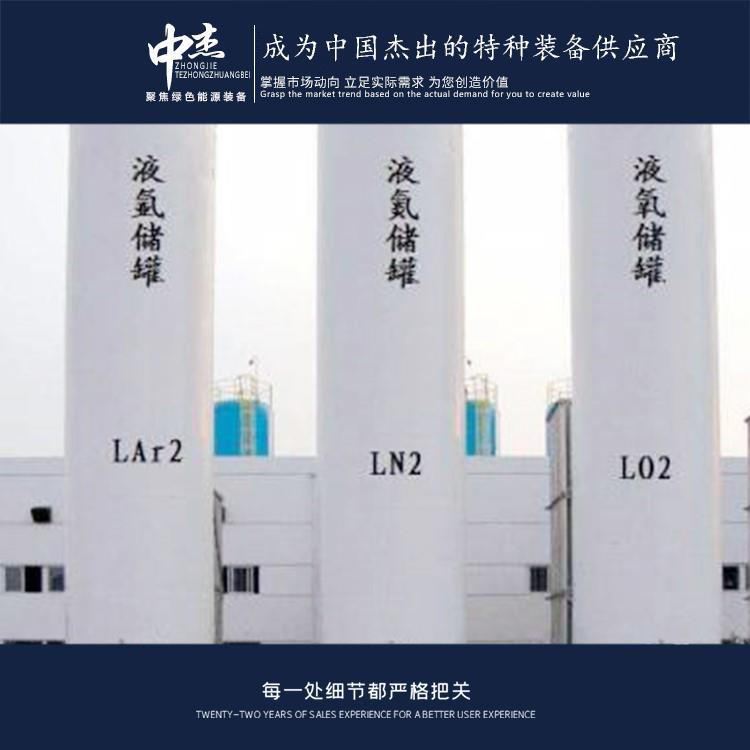
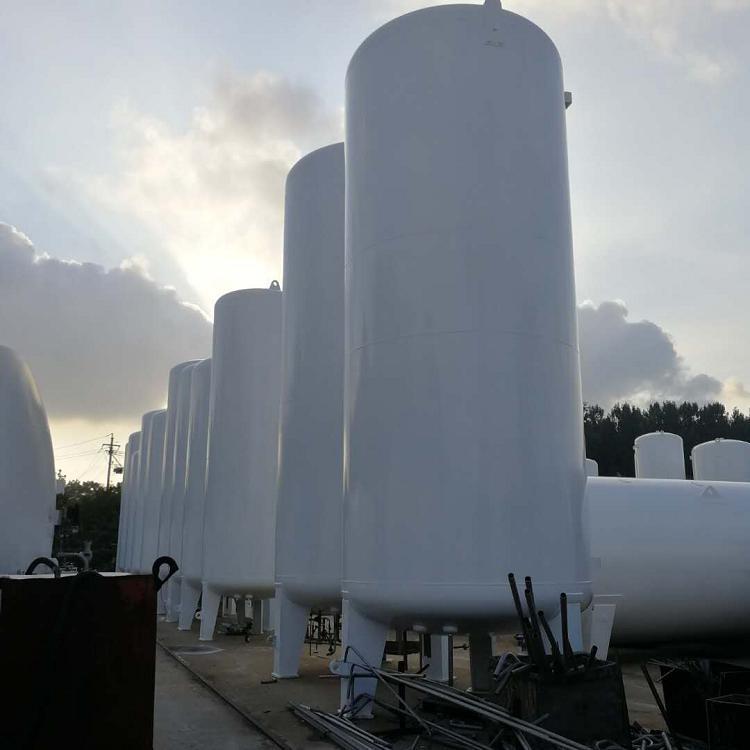



















Shandong Zhongjie Special Equipment's main products include: fuel (gas) boilers, organic heat carrier boilers, biomass boilers, waste heat boilers, and other boiler products; vacuum insulation deep-chilled pressure vessels such as LNG storage tanks, oxygen-nitrogen-argon storage tanks, and CO2 storage tanks; pressure vessel products such as denitrification engineering equipment, heat storage and energy storage equipment, and complete chemical equipment; central air conditioning and ventilation equipment such as ground (water) source heat pumps, air source units, water-cooled screw units, and air-cooled modular units. Planned products include large-scale energy centers, LNG transport vehicles, LNG tank containers, and other green energy equipment.
Carbon dioxide has several key applications in the battery industry:
- Solvent in Electrolytes: Carbon dioxide can serve as one of the solvents in battery electrolytes. In certain battery types, it can be mixed with organic solvents to enhance the performance and stability of the electrolyte.
- Protective Gas in Battery Manufacturing: During battery production, carbon dioxide can be used as a protective gas. For instance, during assembly and encapsulation, it can replace air to prevent oxidation and corrosion of battery materials due to oxygen and moisture in the battery.
- Battery Performance Improvement: Carbon dioxide can improve battery performance by altering the atmosphere within the battery. For example, by injecting carbon dioxide gas into the battery, pressure and temperature can be regulated, enhancing the battery's cycle life and safety.
- Carbon Dioxide Capture and Storage: The production of batteries generates carbon dioxide emissions. Carbon dioxide capture and storage technologies can be employed to reduce these emissions. By capturing and storing carbon dioxide, atmospheric emissions can be minimized, reducing environmental impact.
- Note: The application of carbon dioxide in the battery industry is continuously evolving and being researched. With technological advancements and innovation, there may be more breakthroughs and developments in the use of carbon dioxide in this field.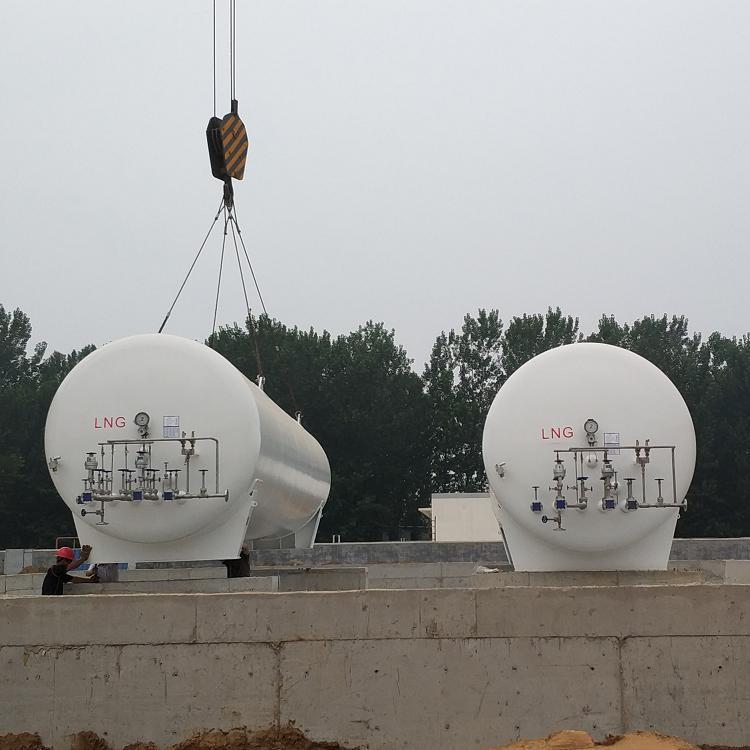
The application standards for liquid carbon dioxide storage tanks primarily include the following aspects: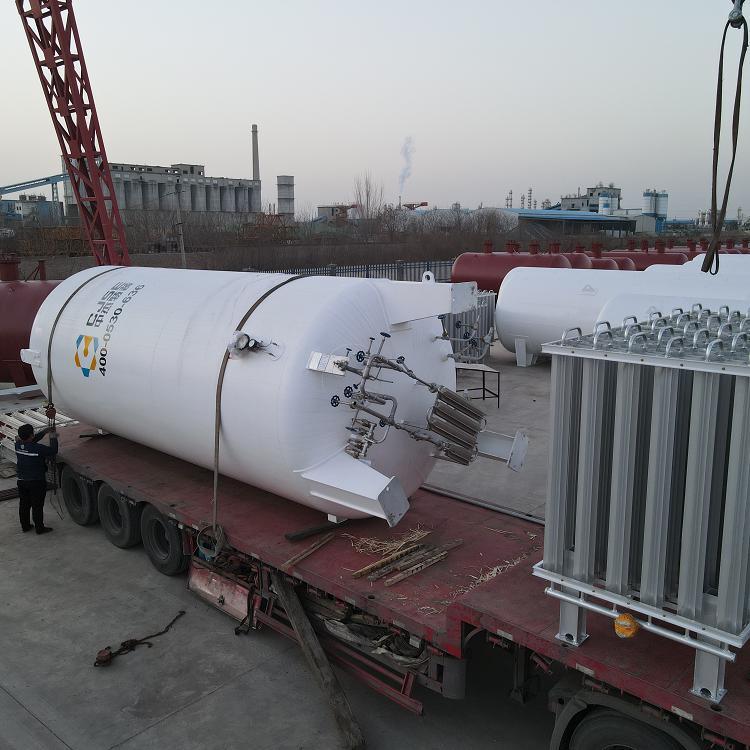
When using CO2 storage tanks, attention should be given to the following aspects:
Safety Operation: Operators must be trained to understand the characteristics, operational requirements, and safety measures of CO2 storage tanks. Adhere to relevant safety operation procedures and standards to ensure operational safety.
Tank Inspection: Regularly inspect the tank's appearance, sealing, valves, and pipeline connections before use. Promptly repair or replace if any abnormalities or damages are found.
Tank Placement: Store tanks in well-ventilated, dry areas away from fire sources. Avoid direct sunlight and high temperatures to prevent overheating.
Leak Prevention: Ensure that valves and pipeline connections are properly sealed to prevent CO2 leakage. Regularly check and replace seals, and promptly address any leaks.
Pressure Control: Maintain internal tank pressure within a safe range. Check the pressure gauge and safety valve before use to ensure proper functioning. Avoid excessive or low pressure to prevent safety incidents.
Fire Prevention Measures: CO2 is flammable, so fire prevention measures must be observed during use. Smoking, open flame operations, or placing flammable items near the tank are prohibited.
Waste Gas Emission: Properly discharge waste gases produced during CO2 storage tank use to prevent CO2 accumulation in enclosed spaces, which can lead to asphyxiation and safety risks.
Emergency Response Plan: Develop and implement an emergency response plan, including procedures for leak incidents, evacuation, and first aid measures. Operators should be familiar with the plan and conduct regular drills.
Note that CO2 storage tank usage should be performed by trained operators and in accordance with relevant safety operation procedures and standards. Seek advice and guidance from experts.
When using CO2 storage tanks, the following precautions should be taken:
Safety Operation: Prior to operating a CO2 storage tank, it is essential to familiarize yourself with and adhere to the relevant safety operating procedures and guidelines. Ensure that operators have received necessary training and understand the tank's working principle, operating procedures, and emergency measures.
Tank Inspection: Regularly inspect the external and internal conditions of the CO2 storage tank, including checking for corrosion, leaks, and welds on the tank walls. If any abnormalities or damage are found, take prompt corrective or replacement actions.
Tank Pressure Control: Maintain the internal pressure of the tank within a safe range. Monitor and control the tank's pressure to prevent damage or safety risks from excessive or low pressure.
Fire Prevention Measures: CO2 is a flammable gas, so fire prevention measures must be observed when using it. Avoid open flame work near the tank and ensure the surrounding environment is flame-free.
Leakage Handling: In the event of a CO2 leak, immediate appropriate emergency measures should be taken. Quickly notify relevant personnel, ensure safe evacuation, and take steps to prevent the spread of the leak.
Tank Maintenance: Regularly maintain and service the tank, including cleaning, lubrication, and corrosion prevention. Follow the manufacturer's recommendations and guidelines to ensure the tank operates normally and has a long service life.
Compliance: Adhere to local regulations, standards, and specifications to ensure that the tank's design, manufacture, installation, and use meet the corresponding requirements.
It is crucial to strictly follow safety operating procedures when using CO2 storage tanks and to cooperate with relevant personnel to ensure the tank's safety and reliability.
Our company attaches great importance to technological innovation and research and development. We have one municipal enterprise technology center in Heze City, equipped with testing facilities for non-destructive testing, physical and chemical testing, welding testing, hydrostatic testing, etc. We have over 600 pieces of various equipment such as CNC machine tools, X-ray flaw detectors, digital ultrasonic flaw detectors, mechanical property testing machines, chemical analyzers, spectrometers, tensile testing machines, plasma welding machines, and more. The key products we have developed, such as temperature and pressure vessel welding, biomass boiler emission reduction, and waste heat utilization, have successively been selected for multiple Shandong Provincial Department of Industry and Information Technology science and technology innovation projects, key projects in Shandong Province, and Heze City innovation and excellence projects. We have accumulated 27 authorized utility models, 16 authorized inventions, participated in drafting 2 standards, 2 industry standards, and registered 15 trademarks. Our technical team, in collaboration with Professor Yajiang Li of Shandong University, has developed deep cryogenic container processing technology, utilizing the international plasma arc + filler wire tungsten inert gas arc welding (PAW-GTAW) technology. After provincial scientific and technological achievement identification, the technology level has reached an international standard in the field of deep cryogenic container manufacturing. Choose ZJ Special Equipment, and let's create brilliance together!
WeChat Official Account

Scan to follow Official Account




















