


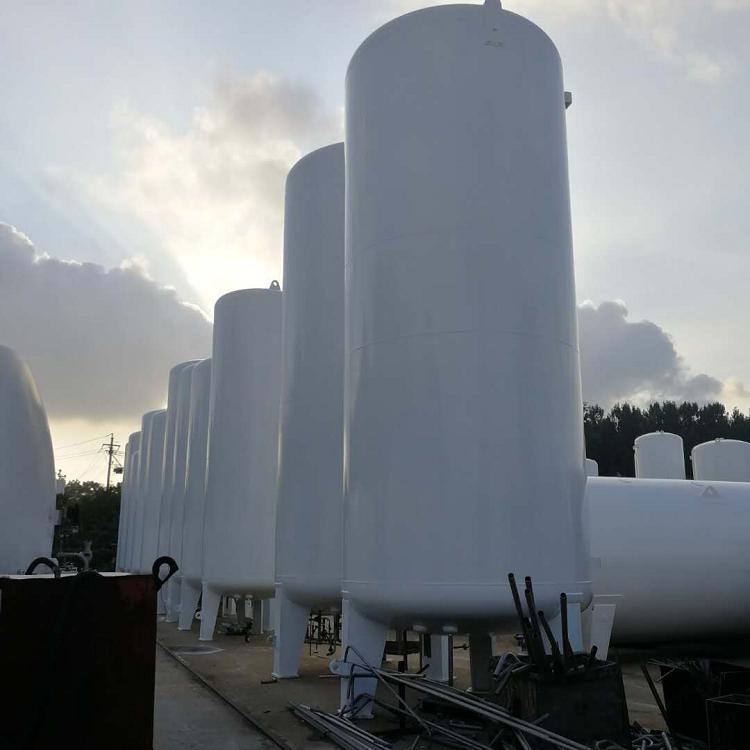

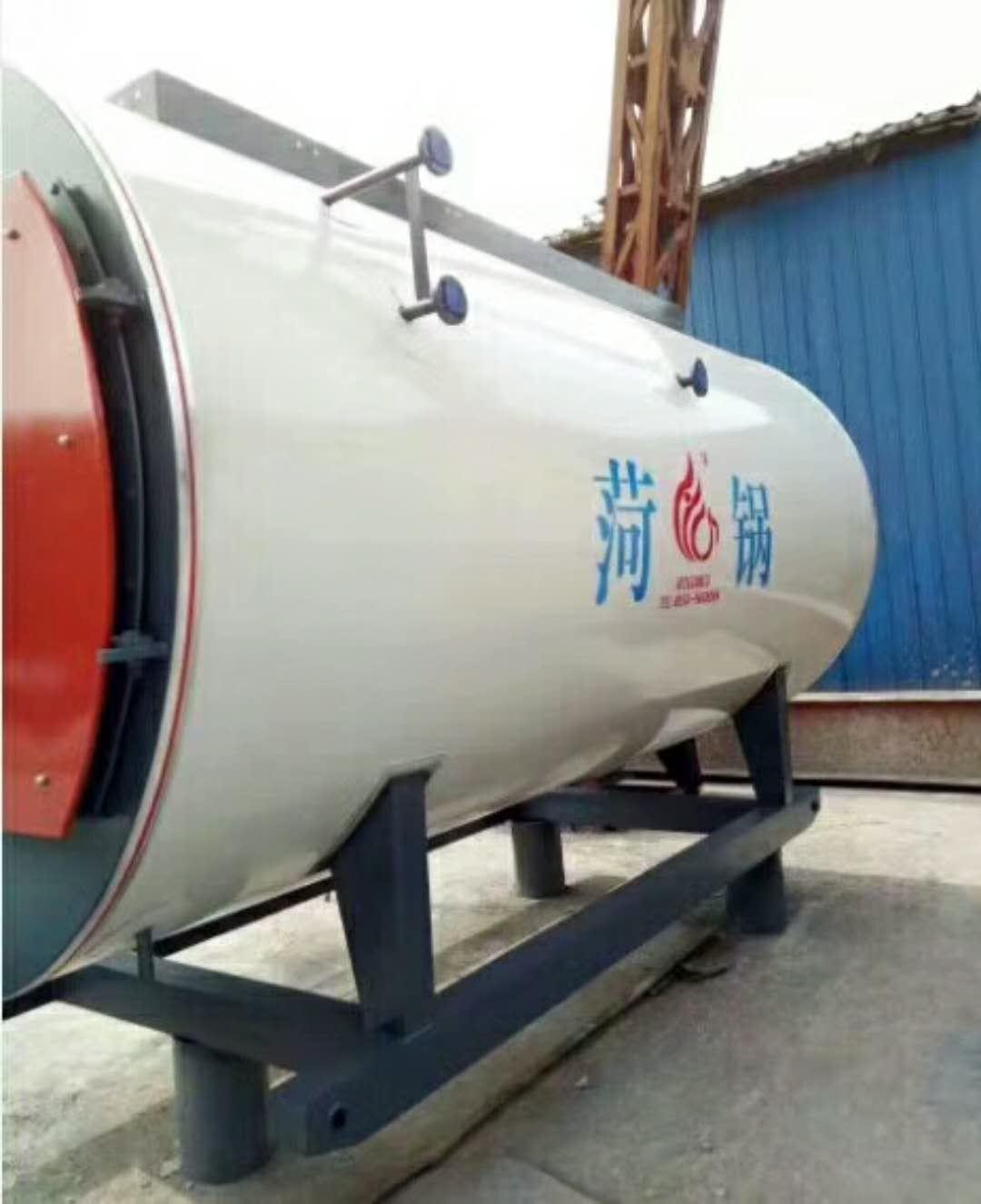
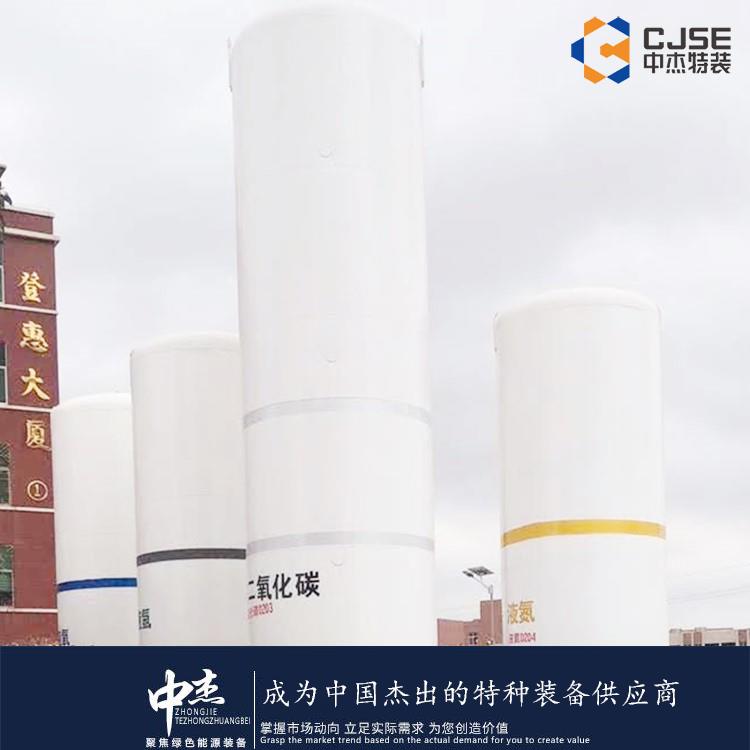



















Shandong Zhongjie Special Equipment (formerly Heze Boiler Factory Co., Ltd.) holds an A-grade boiler manufacturing license, an A2-grade pressure vessel manufacturing license, an A2-grade pressure vessel design license, a B-grade boiler installation license, and GB2/GB3-grade pressure pipeline installation licenses, as well as an electromechanical equipment installation contracting qualification. It is a member of the China Boilers and Water Treatment Association, the China Chemical Equipment Association, and the Standing Committee of the Shandong Equipment Manufacturing Association. The company has also passed certifications for the ISO9001 Quality Management System, ISO14001 Environmental Management System, OHSAS18001 Occupational Health and Safety Management System, and the American ASME/U2 certification.
Liquid nitrogen tanks are equipment used for storing liquid nitrogen, widely applied in the following fields:
Frozen Food and Refrigerated Logistics: Liquid nitrogen tanks are used in the frozen food and refrigerated logistics industry to freeze or refrigerate food and other perishable items, extending their shelf life and maintaining freshness. The low temperature of liquid nitrogen can quickly freeze food, prevent bacterial growth, and prevent spoilage.
Biological Sample Storage: Liquid nitrogen tanks are extensively used in the field for freezing and storing biological samples, cells, tissues, and more. The low temperature of liquid nitrogen effectively preserves the integrity and viability of biological materials, used in medical research, biomedical engineering, and transplantation fields.
Laboratory Research: Liquid nitrogen tanks are utilized in scientific research and laboratories to provide liquid nitrogen as a coolant and freezing medium. The low temperature of liquid nitrogen can be used for cooling laboratory equipment, material research, superconducting electronics, and low-temperature physics.
Metalworking and Welding: Liquid nitrogen tanks are used in metalworking and welding for cooling and controlling the temperature of metals. Liquid nitrogen can rapidly cool metals, improve their hardness and strength, and reduce deformation and stress.
Gas Storage and Supply: Liquid nitrogen tanks are also used for storing and supplying nitrogen gas. Liquid nitrogen can be converted into gaseous nitrogen through evaporation, used in applications such as gas shielded welding, gas fire suppression systems, gas analysis, and laboratory gas supply.
In summary, liquid nitrogen tanks are widely used in the fields of frozen food, laboratory research, metalworking, and gas supply, providing storage and supply functions for liquid nitrogen at application sites.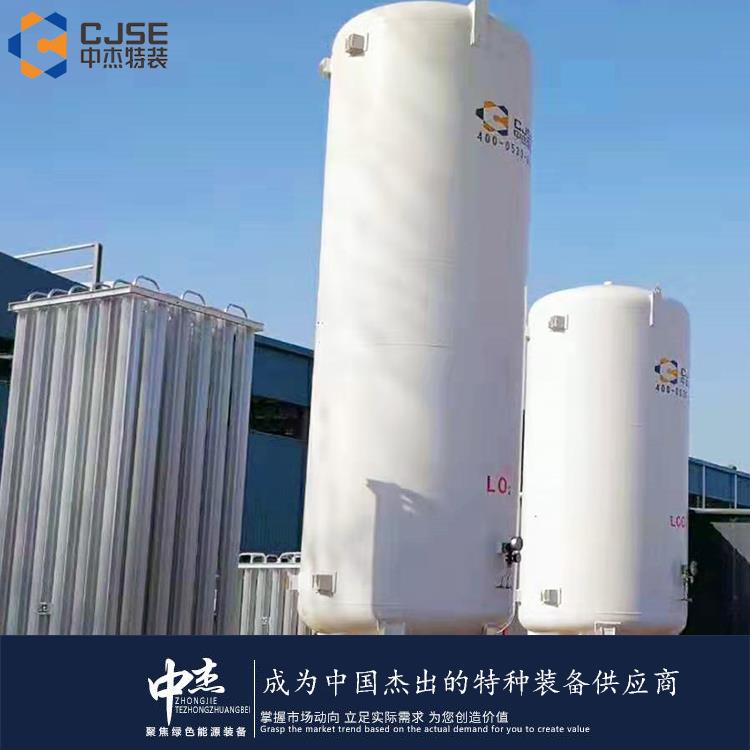
The safe operation of low-temperature liquid storage tanks primarily involves the following key aspects:
Tank design and material selection: The tank design must comply with relevant safety standards and regulations, capable of withstanding the pressure and temperature of low-temperature liquids. Select suitable materials such as stainless steel and aluminum alloys to ensure the tank's corrosion resistance and low-temperature performance.
Insulation and Protection Measures: Low-temperature liquid storage tanks should be equipped with an effective insulation layer to minimize heat transfer and evaporation of the liquid. The selection and construction of the insulation layer should comply with relevant standards and requirements. In addition, protective measures such as anti-freezing and anti-explosion measures should be taken to ensure the safe operation of the tank.
Pressure Control and Safety Valves: Low-temperature liquid storage tanks should be equipped with reliable pressure control systems and safety valves to ensure that the pressure within the tank remains within a safe range. The pressure control system should be capable of promptly detecting and adjusting the pressure inside the tank to prevent safety risks caused by excessive or insufficient pressure.
Leak and Fire Protection: Low-temperature liquids are highly flammable, so measures should be taken to prevent leaks and fires. Storage tanks and associated pipelines should have good sealing properties and be regularly inspected and maintained to prevent leaks. Additionally, appropriate fire protection equipment and fire extinguishing materials should be provided to address fire risks.
Safety Operation and Training: Operators must undergo relevant safety training to understand the safe operating procedures and emergency response measures for low-temperature liquid storage tanks. Adhere to proper operational steps to ensure safe operation.
Regular inspections and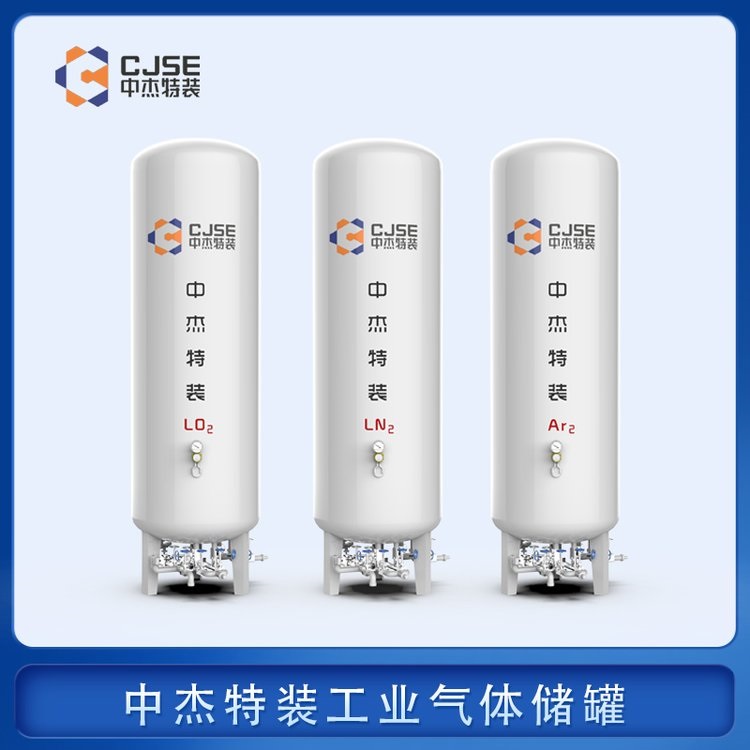
The medical oxygen steel cylinder filling area, in addition to the liquid oxygen storage tank, includes the following sections:
Oxygen Compressor: Oxygen compressors are used to compress gaseous oxygen into high-pressure oxygen. These compressors are typically made with special materials and designs to ensure safe handling and compression of oxygen.
Oxygen Purification System: The oxygen purification system is designed to remove impurities and contaminants from oxygen, ensuring the purity and quality of the supplied oxygen. The system typically includes filters, adsorbents, and molecular sieves.
Oxygen Storage System: In addition to liquid oxygen tanks, an oxygen filling area may also include a gaseous oxygen storage system for temporary storage and supply of gaseous oxygen. The gaseous oxygen storage system typically includes high-pressure oxygen cylinders or gas storage tanks.
Filling Equipment: Filling equipment is used to transfer oxygen from liquid oxygen storage tanks or gaseous oxygen storage systems into medical oxygen steel cylinders. The filling equipment typically includes filling machines, filling pipelines, and filling control systems.
Oxygen Quality Monitoring System: The oxygen quality monitoring system is used to monitor the quality and purity of oxygen being filled. Quality testing and supervision of the filled oxygen are conducted through an oxygen analyzer or other detection equipment.
Safety Facilities: The filling area should be equipped with corresponding safety facilities, such as fire alarm systems, oxygen leak detection systems, and ventilation systems, to ensure the safety and protective measures during the filling process.
It is important to note that the design and equipment configuration of a medical oxygen cylinder filling plant should comply with relevant regulations, standards, and specifications. During the filling process, strict adherence to operational procedures and safety requirements is essential to ensure the safe supply of oxygen.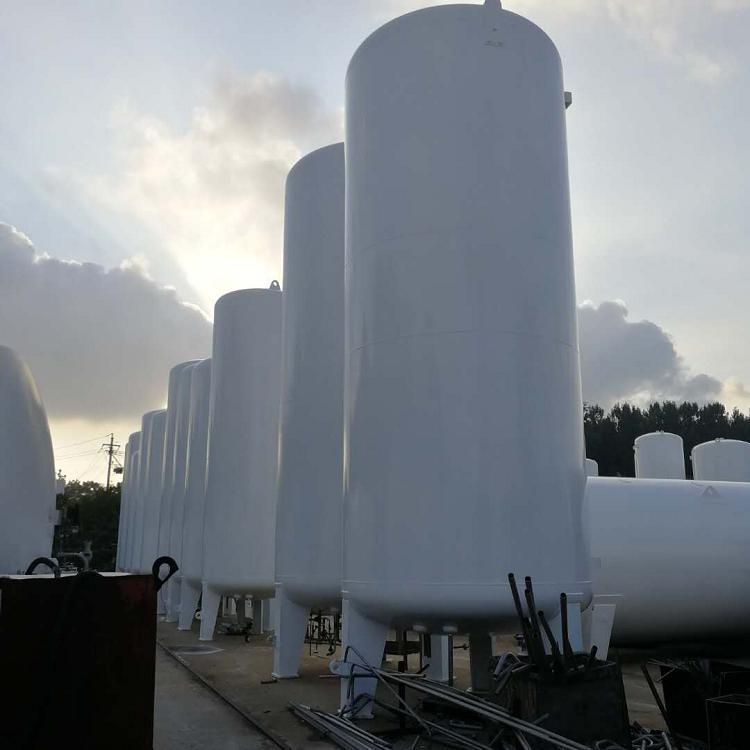
The reasons for not allowing a liquid oxygen tank to be left empty for long periods are mainly as follows:
Evaporation Loss of Liquid Oxygen: Liquid oxygen has a low boiling point, and prolonged empty storage will cause it to continually evaporate, resulting in a loss of liquid oxygen within the storage tank. The evaporation rate of liquid oxygen is relatively fast, with daily evaporation amounts potentially reaching several percent of the tank's capacity. Prolonged empty storage can lead to wastage of liquid oxygen.
Safety Risk: Liquid oxygen is a strong oxidizer with high flammability and explosive properties. Extended empty storage of liquid oxygen tanks increases the opportunity for contact with the surrounding environment, thereby increasing the risk of accidental fires and explosions.
Risk of Tank Damage: Long-term storage of liquid oxygen can lead to internal oxidation reactions in the tank, accelerating corrosion and damage. Tank damage can affect its sealing performance and structural integrity, increasing the risk of leaks and safety accidents.
Therefore, to ensure the safe storage and effective use of liquid oxygen, liquid oxygen tanks should be regularly maintained and serviced to prevent long-term empty storage. When the tank is not in use, appropriate measures should be taken, such as sealing the tank and reducing the evaporation of liquid oxygen, to minimize losses and safety risks.
Zhongjie Special Equipment upholds the grand vision of "realizing employees' dreams, creating customer value, and striving for the prosperity and strength of our motherland," and is dedicated to the development of the green energy equipment industry. We offer society high-value products and services!
WeChat Official Account

Scan to follow Official Account




















