



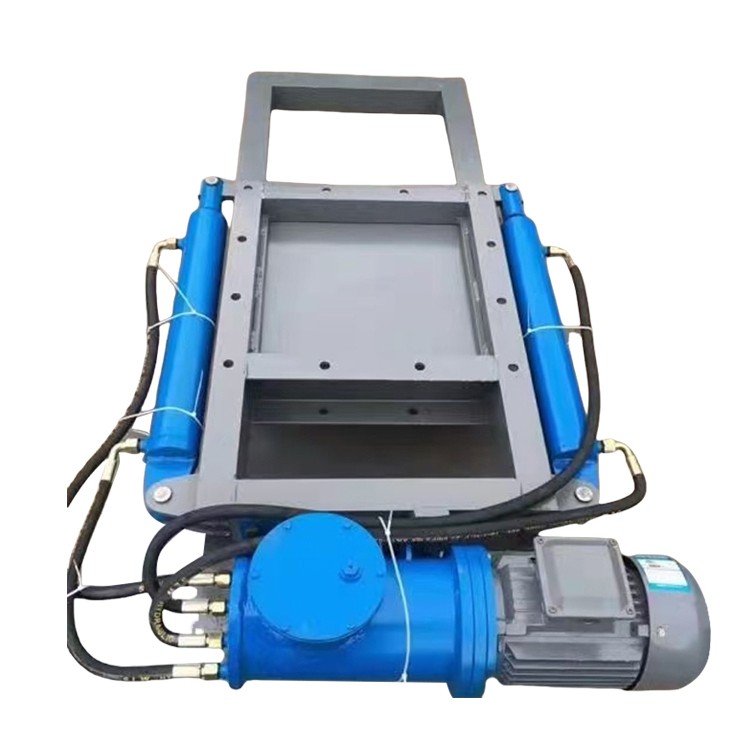















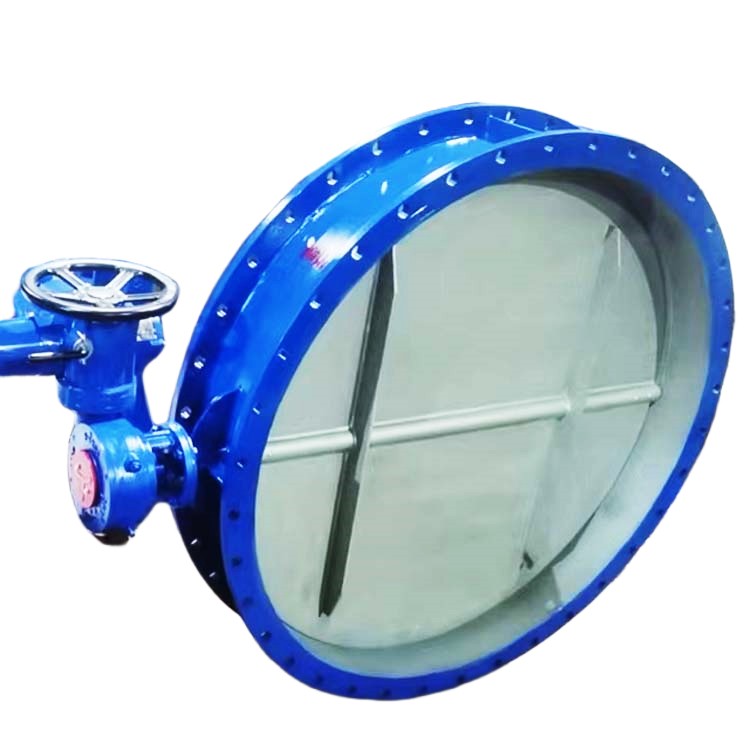
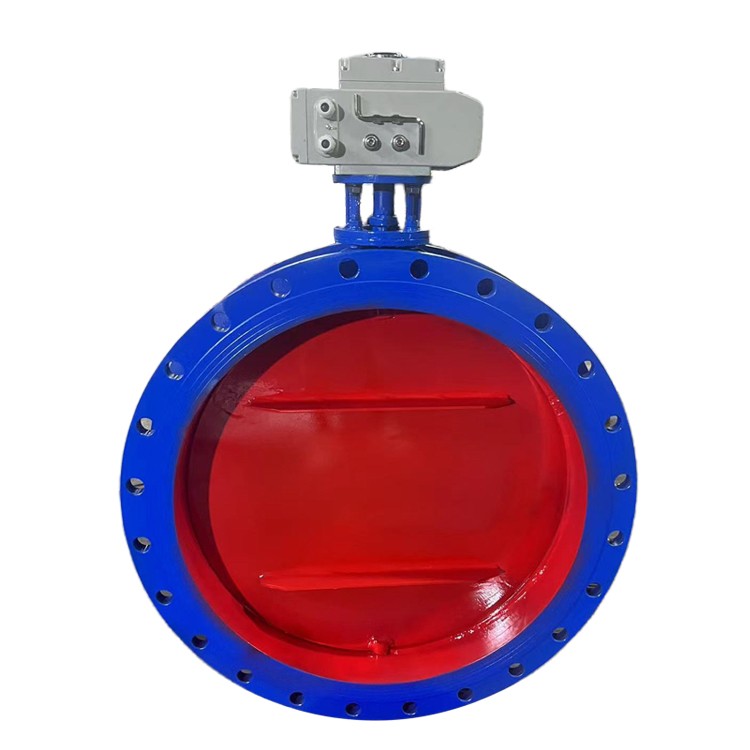
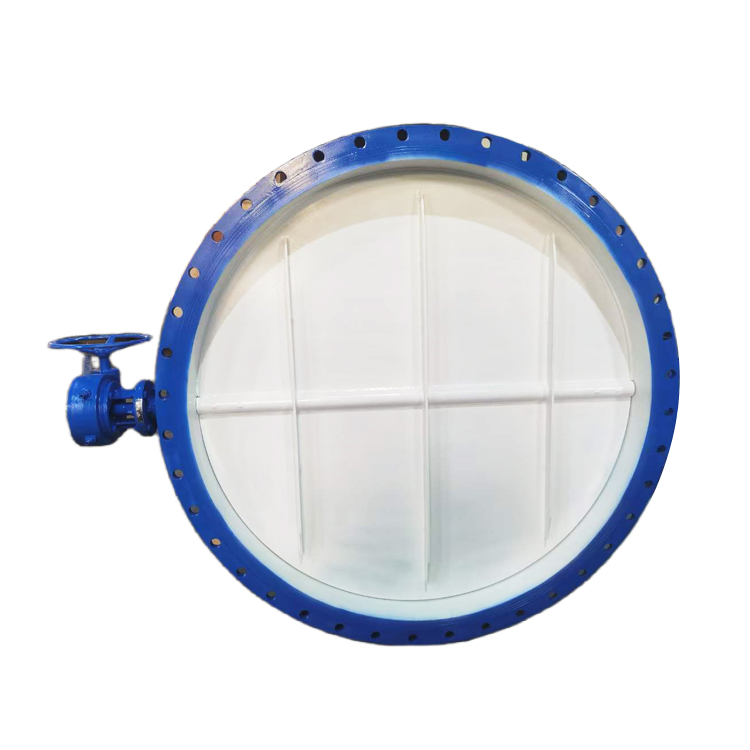

Electro-hydraulic flat gate is a device that uses electro-hydraulic actuators to drive the gate plate for horizontal reciprocating movement, thus achieving the opening and closing function. It is mainly composed of frame, gate plate, electro-hydraulic actuator, seal ring, valve seat, and wedge block, etc. The electro-hydraulic flat gate relies on medium pressure to press the gate plate against the valve seat for sealing, with some models featuring a forced sealing design.
Working Principle
Electro-hydraulic flat gate valves are driven by electro-hydraulic rods to move the gate horizontally back and forth, creating a seal through the compression of the gate and sealing ring. Their self-sealing design utilizes medium pressure to push the gate against the valve seat for sealing, with some models featuring a forced-sealing design. Additionally, electro-hydraulic flat gate valves are equipped with an automatic slag cleaning function, capable of cutting fiber materials and scraping away debris from the sealing surface.
Structural Features
The electro-hydraulic flat gate features a compact structure with a square DC channel design that reduces flow resistance, occupying less floor space, and offers flexible installation. Its high reliability and sealing performance, along with its long lifespan, make it suitable for high-frequency opening and closing applications. Moreover, the electro-hydraulic flat gate is widely used for handling materials such as particles, dust, and fibers, especially suitable for cutting soft materials.
Application Scenarios
Electro-hydraulic flat gate valves are widely used in various industrial fields, particularly in mining, metallurgy, power, and chemical industries. For example:
Mine: Used for coal storage unloading and material flow control.
Power/Electricity/Metallurgy: Excellent performance in conveying pipeline regulation under high-temperature dust environments.
Hydroengineering: Used for canal water storage and irrigation sluices for farmland.
Special Conditions: Explosion-proof hydraulic cylinders are required for explosion-proof environments, and low-temperature hydraulic oil and sealing components must be customized for extremely cold regions._


















