
















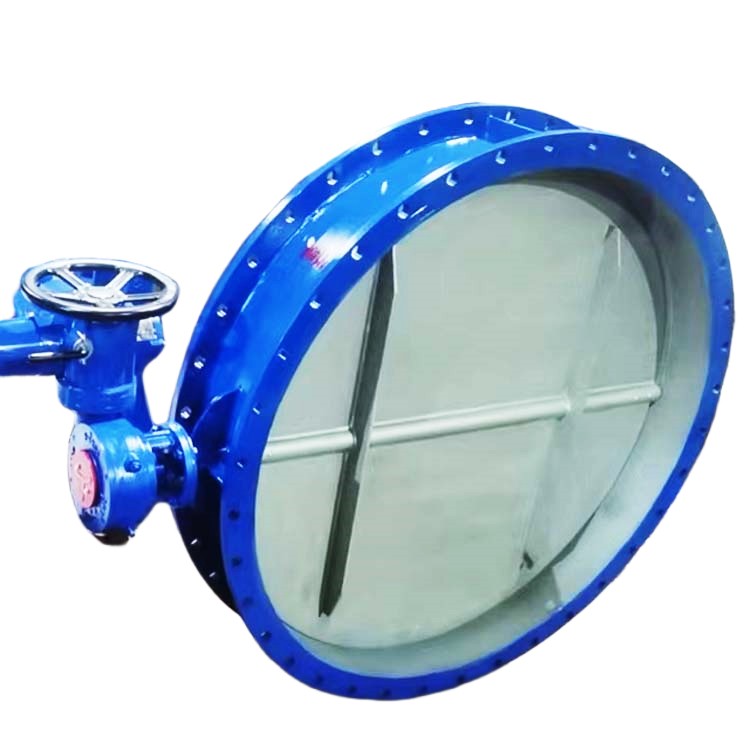
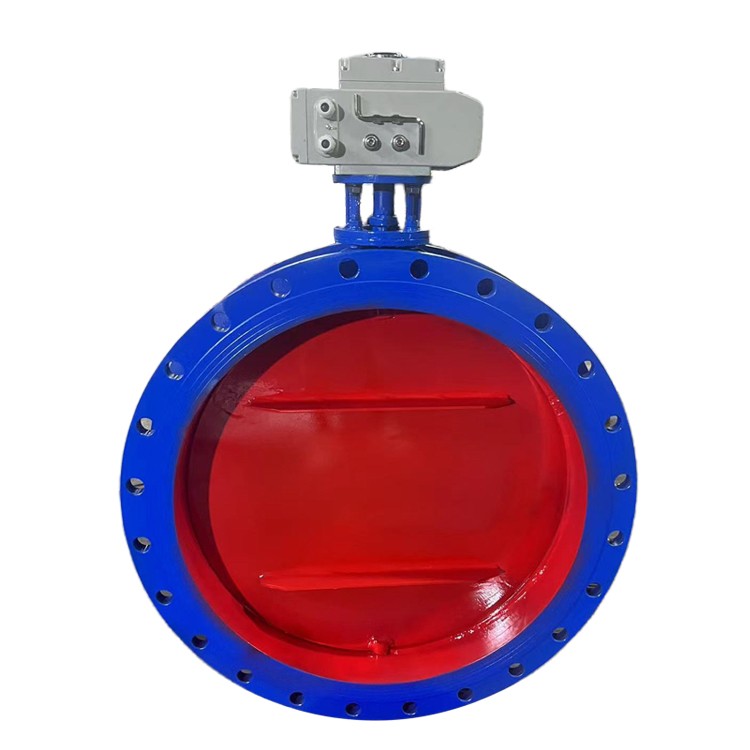
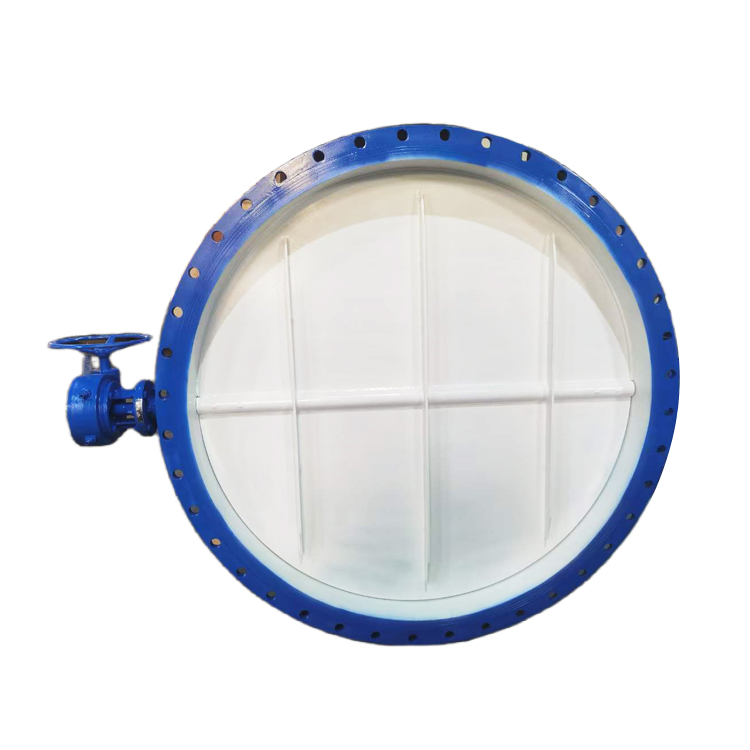

Water distribution gate is a crucial equipment used for regulating or interrupting water flow in pipelines, widely applied in municipal water supply, industrial circulating water systems, and wastewater treatment fields. Its basic function is to control the opening and closing of water flow by moving the gate plate vertically with the valve rod. The design of the water distribution gate combines stability, suitable for high-pressure and high-flow working conditions.
Structural Features
Water gate valves are typically made of high-strength materials such as ductile iron or cast steel, which are resistant to corrosion and have excellent pressure-bearing capacity, suitable for complex water quality environments. Their structural features include:
High-strength material: The valve body is made of ductile iron or cast steel, offering excellent corrosion resistance and high-pressure bearing capacity.
Bidirectional Sealing Design: The gate and valve seat feature an elastic sealing structure, ensuring a tight closure under both forward and reverse pressure.
Modular structure: Easy for disassembly and maintenance, reducing long-term operation and maintenance costs.
Low Flow Resistance: Direct channel in full open state, reducing energy loss.
Working Principle
The water gate is actuated by a valve rod to vertically lift or lower the gate plate for opening and closing. When the valve rod rotates clockwise, the gate plate is pressed down and tightly seals against the seat surface, cutting off the water flow; when rotated counterclockwise, the gate plate rises, the passage opens, and the water flow resumes. This structure effectively reduces water hammer effects, ensuring smooth system operation.
Application Scenarios
Water gate valves are widely used in water supply, mine drainage, groundwater, chemical industry, food and other fields. Specific application scenarios include:
Water Supply System: Adjust or cutoff water flow to ensure stable operation of the water supply system.
Mine Drainage: Used underground in mines for water distribution among various water intake wells, ensuring the effective operation of the drainage system.
Chemical and Food Industry: Regulate and interrupt water flow in various industrial circulating water systems and wastewater treatment to ensure the smooth progress of production processes.


















