
















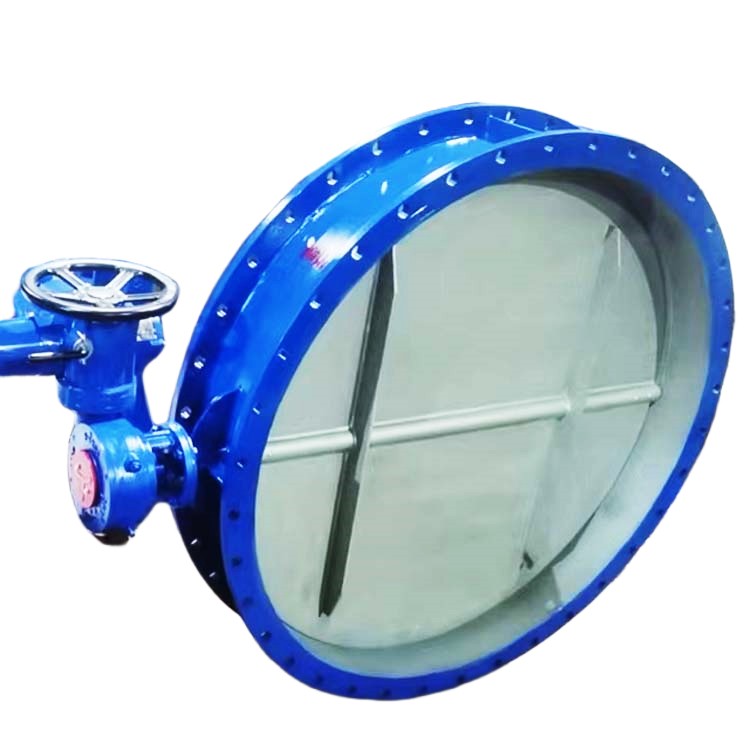
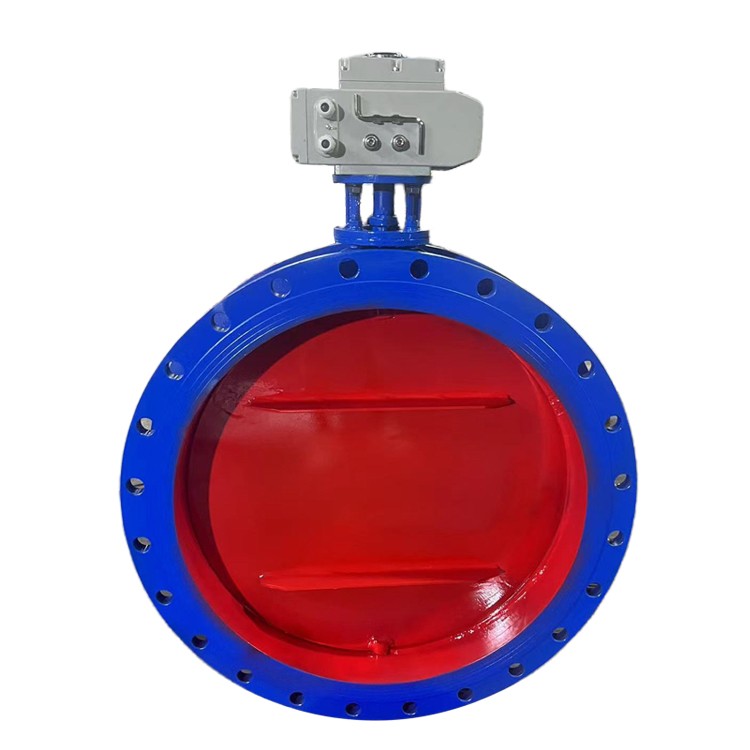
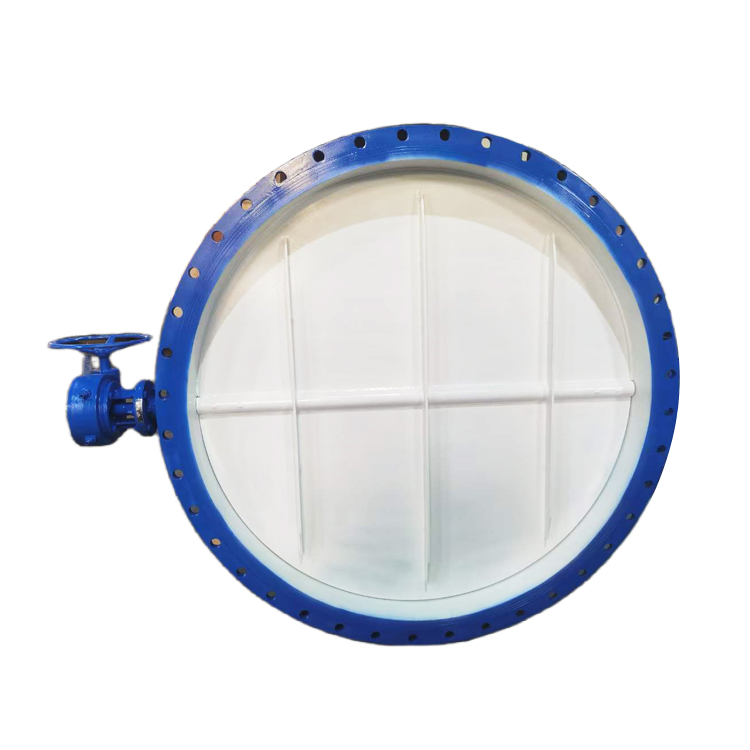

Stainless steel gate valves are industrial equipment used for controlling fluid flow, primarily applied in municipal, hydraulic engineering, mining and industrial, corporate, and research institutions. Their core features include strong corrosion resistance, excellent sealing performance, and a long service life.
Structure Composition and Working Principle
The stainless steel gate is mainly composed of the frame, door body, guide rail, transmission screw, lifting lugs, sealing surface, and opening/closing mechanism. The frame and door body are installed in the underwater section, with the guide rail mounted at the top of the frame to ensure the door body moves up and down along the rail. The opening/closing mechanism is typically installed on the water surface, allowing the door body to move up and down by rotating the handwheel of the opening/closing machine or pressing the power switch button of the electric opening/closing machine, thereby rotating the screw or worm gear and achieving the function of cutting off or clearing the flow.
Application Fields and Features
Stainless steel gates are widely used in water supply and drainage projects, wastewater treatment plants, irrigation and drainage systems, primarily for blocking water flow, regulating flow rates, controlling water levels, and discharging sediment. Their corrosion resistance makes them suitable for various corrosive media, such as clean water, wastewater, and seawater. The bidirectional pressure-bearing design of stainless steel gates, along with rubber seals, ensures excellent sealing performance and extends their service life.
Installation and Debugging Procedures
When installing stainless steel gate, it is necessary to correct the deviation between the guide rail and the plumb line to ensure the gate is vertical. During installation, check that all components are complete and undamaged, and ensure the model and specifications match the civil engineering dimensions. After installation, adjust the vertical and parallel positions to ensure the guide rail is parallel to the gate frame, and the distance between the guide groove face and the inner face cannot be less than the gate guide groove face.


















