
















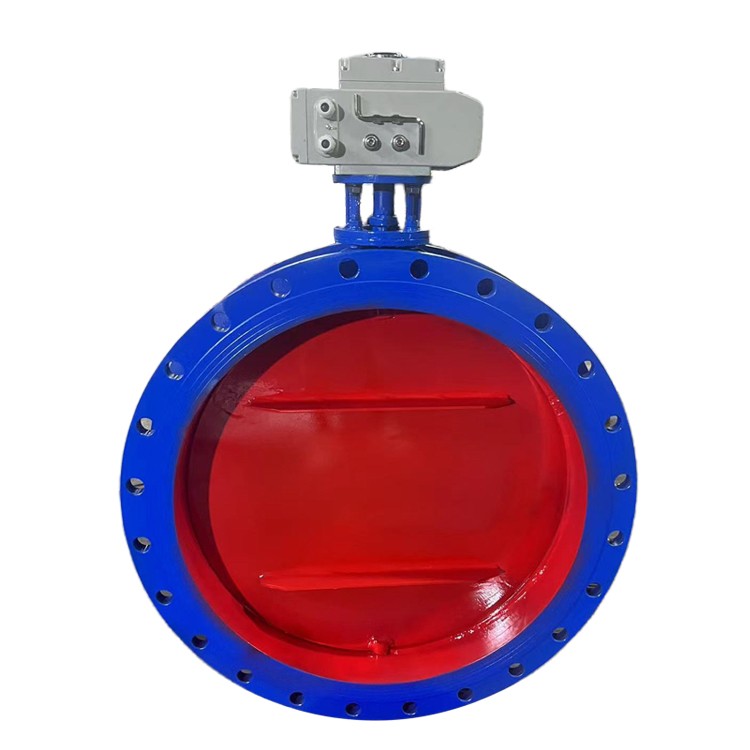
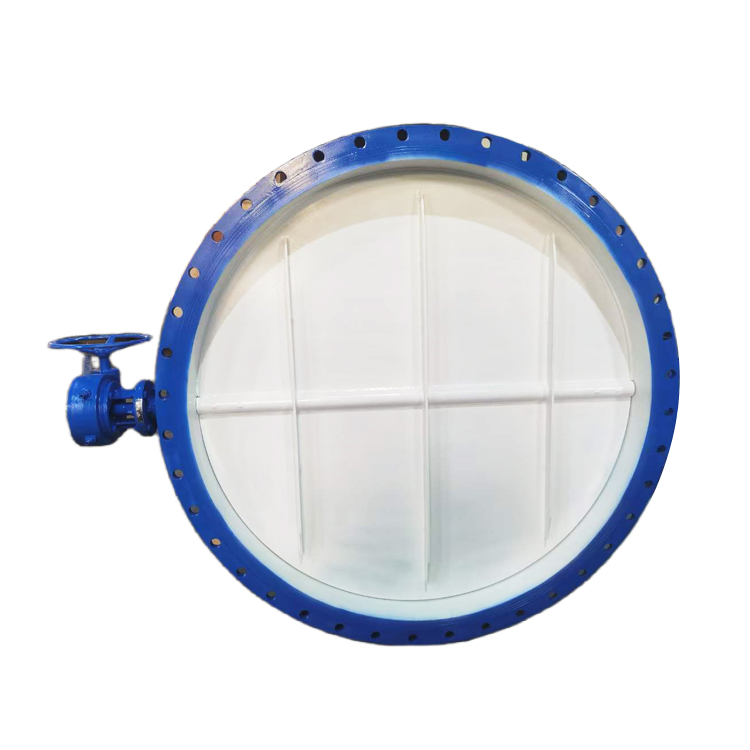

Steel gate valves are devices used to control water flow, widely applied in hydraulic engineering and water supply and drainage projects. Their main functions include water blocking, water stopping, regulating water level, and controlling flow rates.
Types and Structures
Steel gates can be divided into several categories according to their structure:
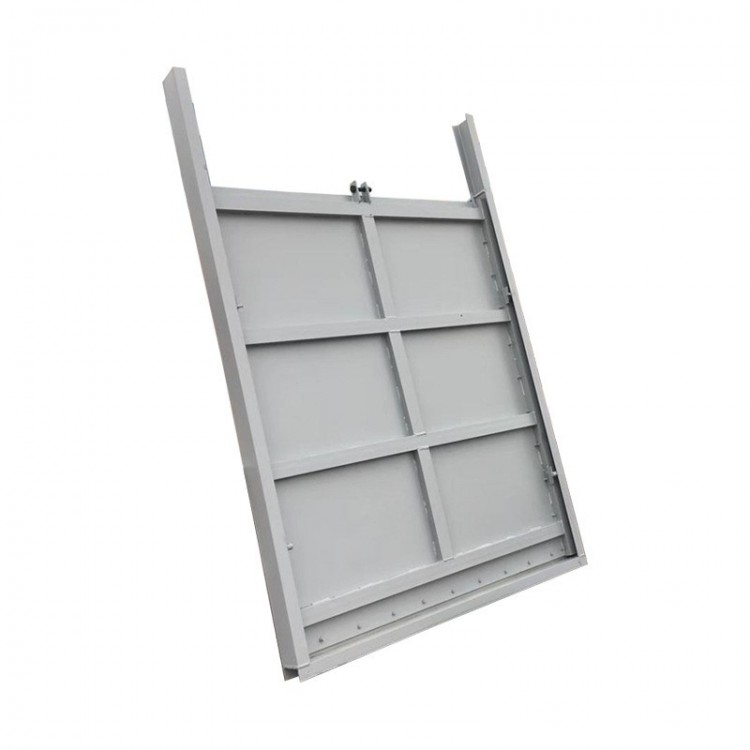
Flat Sliding Gate: The gate leaf moves vertically along the track, suitable for water heads of 8 meters or less.
Arc-shaped steel gate: Rotates around a hinge axis for opening and closing, commonly used in large open-top scenarios.
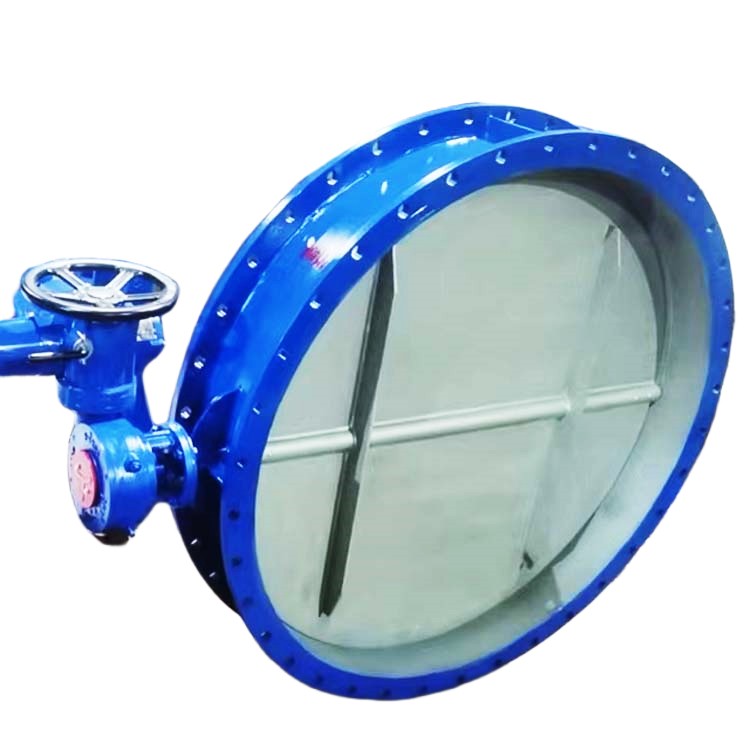
Integrated Gate Valve: Integrated with an opening and closing mechanism, capable of replacing high-pressure gate valves.
The structure of the steel gate mainly consists of three parts: the gate leaf, embedded components, and the opening and closing mechanism. The gate leaf structure includes the load-bearing frame, walking support, and rubber sealing device, which, when paired with the gate channel, allows for vertical lifting or rotation. The embedded components include main tracks, lintel bottom sill, and other components, which are anchored to the second-stage concrete with anchor bolts. The opening and closing equipment is configured with either a winch-type or screw jack opener depending on the gate type.
Materials and Manufacturing Processes
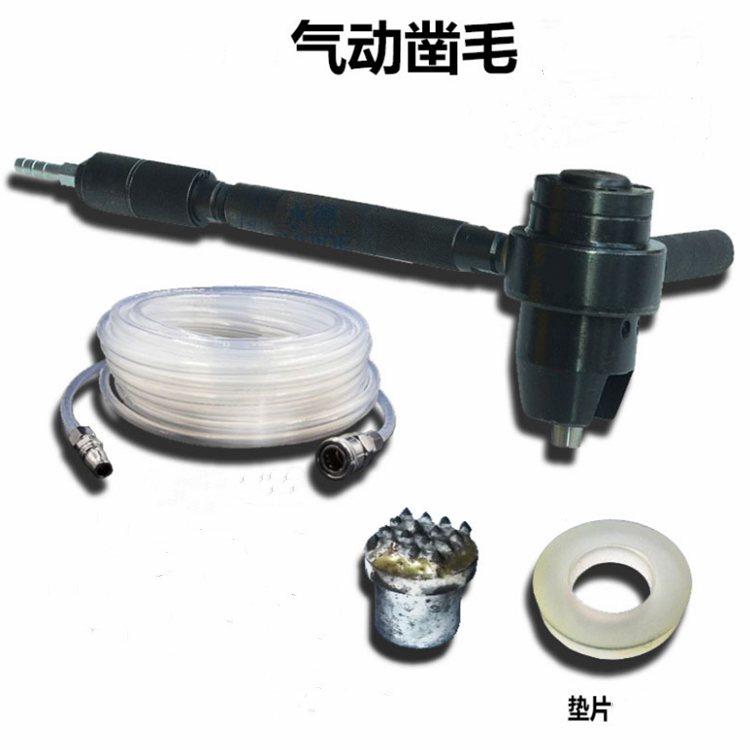
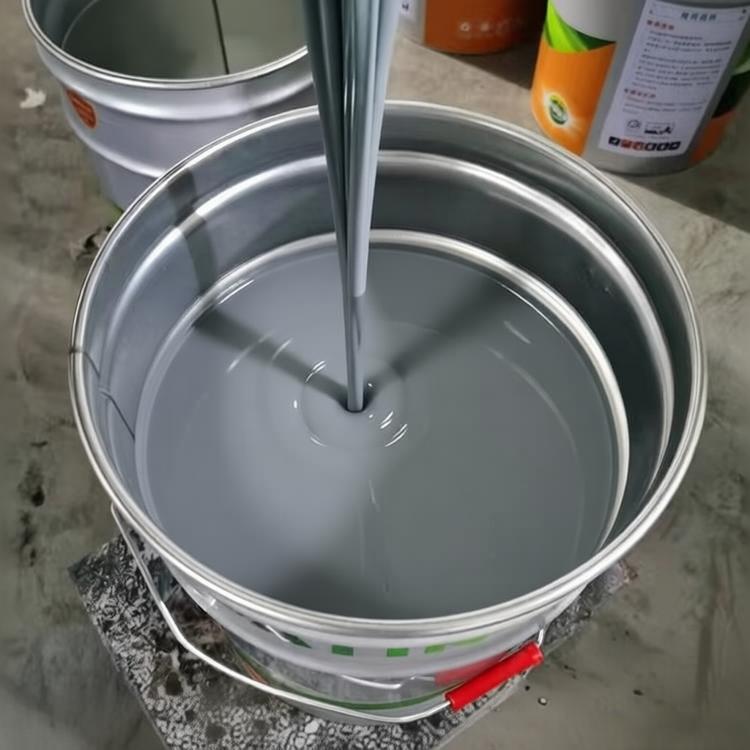
Material for steel gates commonly includes low-carbon steel plates or stainless steel, with surface treatments such as sandblasting to remove rust and hot galvanizing for corrosion resistance. Modern steel gates can control water leakage to 0.03-0.72 liters/minute·meter, and are widely used in river management, hydropower intake, urban flood prevention, and other fields.
Application Areas and Maintenance
Steel gates are widely used in hydraulic engineering such as regulating reservoir capacities at reservoir complexes, controlling flow rates in river channel improvements, and flood control and drainage in pumping stations. Additionally, they are applied in municipal areas for wastewater treatment plant weir diversion, rainwater storage pond level control, and managing flow distribution in agricultural irrigation channels.
In terms of installation and maintenance, transport requires horizontal placement to prevent deformation. The installation process includes verifying the pre-buried part location, adjusting the gap between the door and the track, and testing the联动 operation of the opening and closing mechanism. Every six months, lubricating grease should be replenished during operation and maintenance. The rubber water stop should be replaced every three years. In extreme water pressure conditions, a drain valve must be installed to prevent damage to the sealing system due to overpressure.