

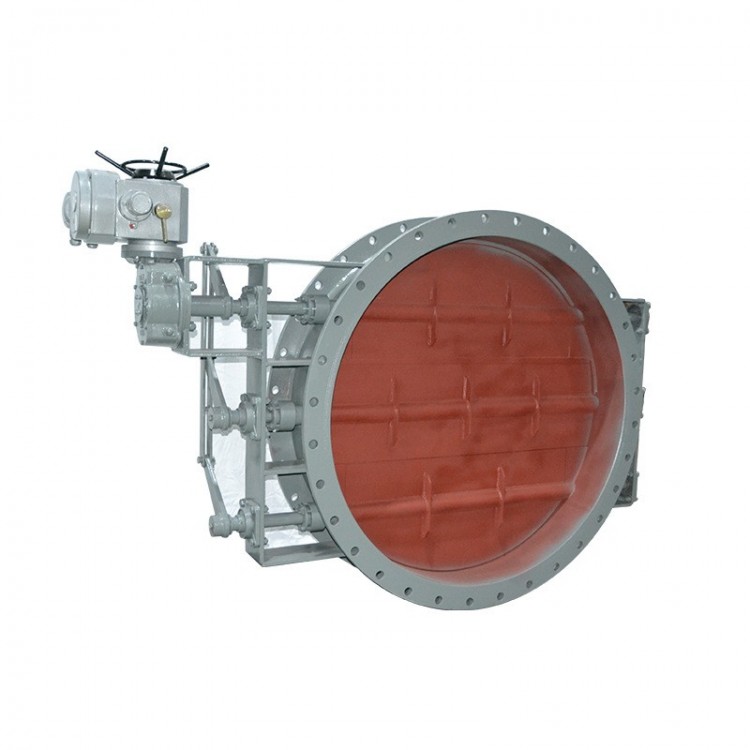















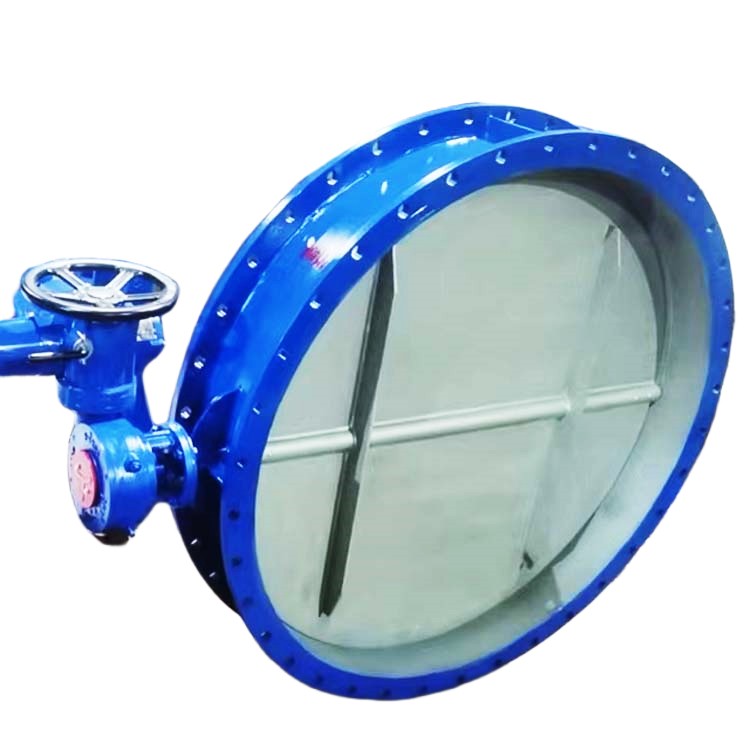
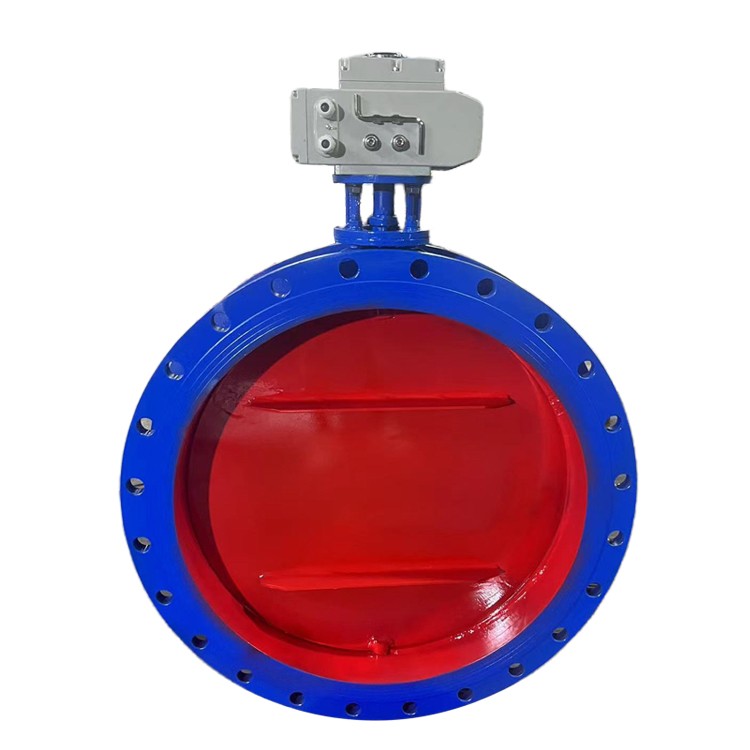
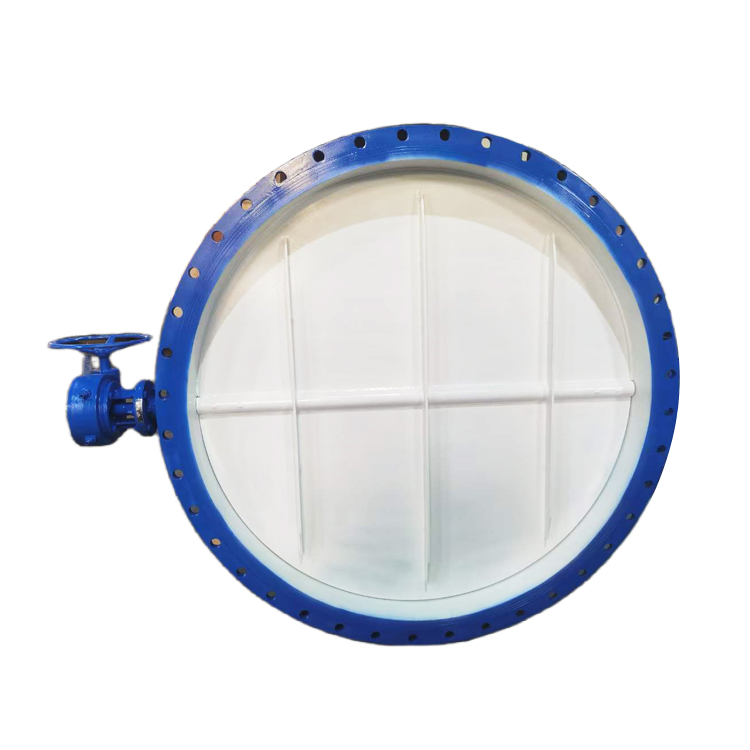

Electric shutter valves are valves used in conjunction with electric actuators, featuring low torque for opening and closing, sensitive operation, reliable performance, large bore size, and light weight. They are extensively used in industrial departments such as metallurgy, building materials, electricity, petrochemicals, and light industry, in applications like fans, air conditioners, electrostatic precipitators, and various large pipelines. They are primarily used for electric or manual adjustment and cutting of dust and gases.
Structural Features
Electric louver valves are mainly composed of the valve body, louver blades, valve shaft, connecting rod mechanism, and driving unit. Their working principle involves the driving unit outputting torque, which is then transmitted to each valve shaft through the connecting rod mechanism. The rotation of the valve shafts drives the louver blades to rotate, thereby altering the cross-sectional area of the pipeline, achieving the purpose of regulating the flow rate of the medium or cutting off the medium. The louver blades are made up of several blades that rotate around their respective axes. The shaft ends are sealed with flexible graphite woven packing, featuring high-temperature resistance and self-lubrication properties.
Application Scenarios
Electric louver valves are widely used in dust-laden cold or hot air gas pipelines for ventilation and environmental protection projects in industries such as metallurgy, building materials, chemicals, power stations, and glass. They are particularly suitable for large diameters, high flow rates, and low pressure differences, and can be used as flow control or cut-off devices for gas mediums. Moreover, electric louver valves can be paired with various actuators to form equipment with different performance, meeting various industrial needs.