
















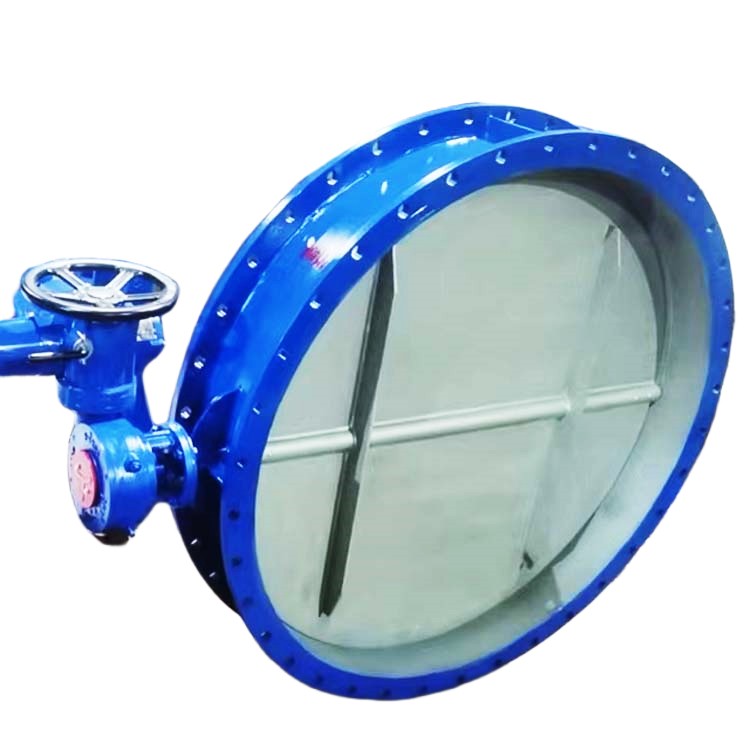
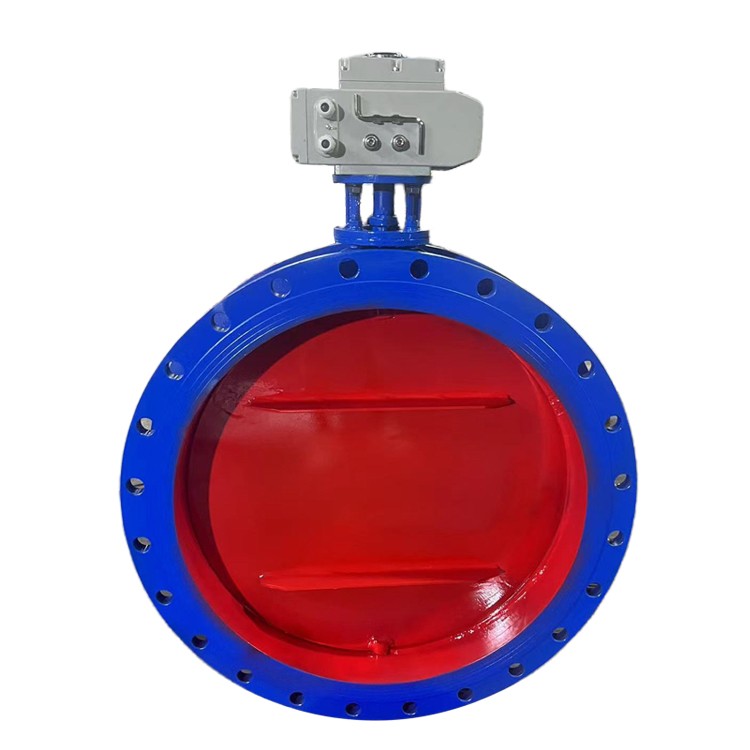
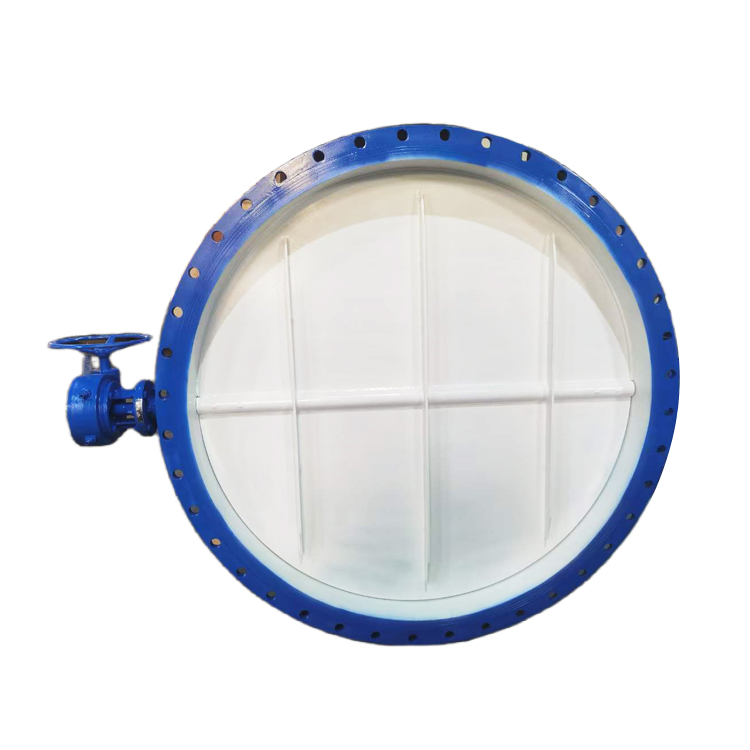

Electric circular louvre valve is a device used for regulating and controlling gas flow, widely applied in industrial fields such as metallurgy, construction materials, chemicals, and power stations. It consists of multiple rotatable circular louvre blades, which control the flow by adjusting the opening and closing angles of the blades. Each blade is supported by a bearing and driven by an electric actuator (or manual device) to achieve the opening and closing of the valve and the adjustment of flow rate.
Operating Principle
The operation principle of the electric circular louvre valve is relatively simple. When it's necessary to adjust the gas flow in the pipeline, the electric actuator drives the rotation of each valve leaf shaft synchronously through a crank and connecting rod mechanism. As the opening and closing angle of the louvre blades changes, the effective flow area of the valve also varies, thereby controlling the gas flow.
Structural Features
Electric circular blinds valve features include:
Lightweight: Made with lightweight materials for easy installation and maintenance.
Low Flow Resistance: The unique design of the blade ensures minimal resistance when fluid passes through the valve, enhancing the flow efficiency.
Simple structure: easy to manufacture and maintain.
Flexible operation: The rotating design of the blade allows for greater flexibility in the opening and closing process of the valve, with easy operation.
Continuous Adjustment: Achieves variable flow adjustment, catering to different working condition flow requirements.
Application Scope
Electric circular louvre valves are widely used in ventilation and dust removal systems in industries such as metallurgy, mining, cement, chemicals, and power generation. They can not only be used to regulate and cut off the flow of air, flue gas, dust, and combustible gases in pipelines but also to protect the environment and reduce pollution.


















