














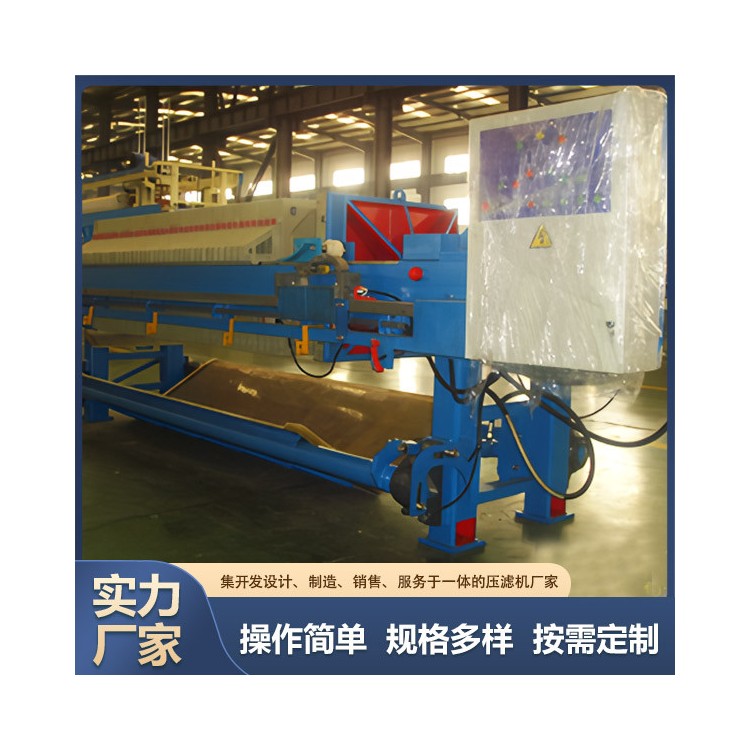
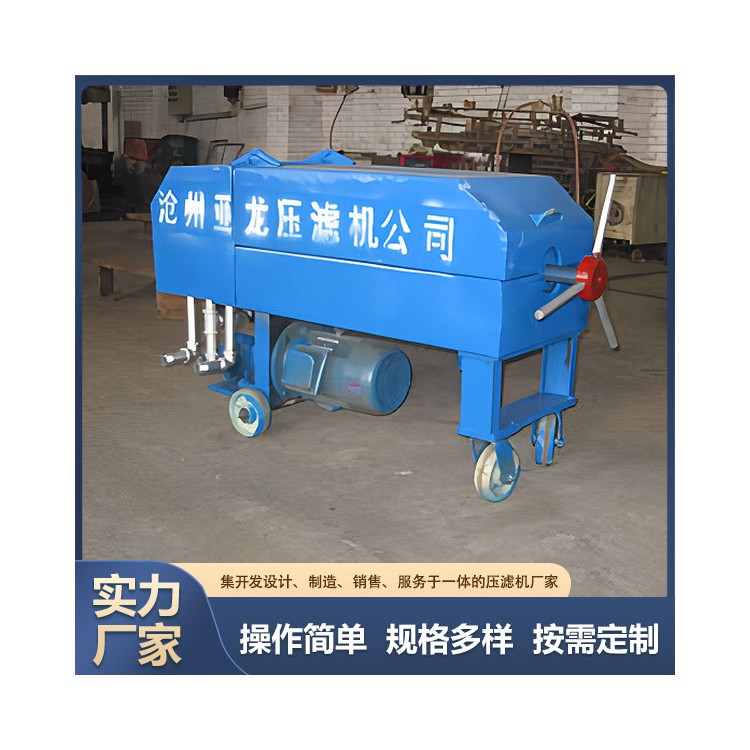
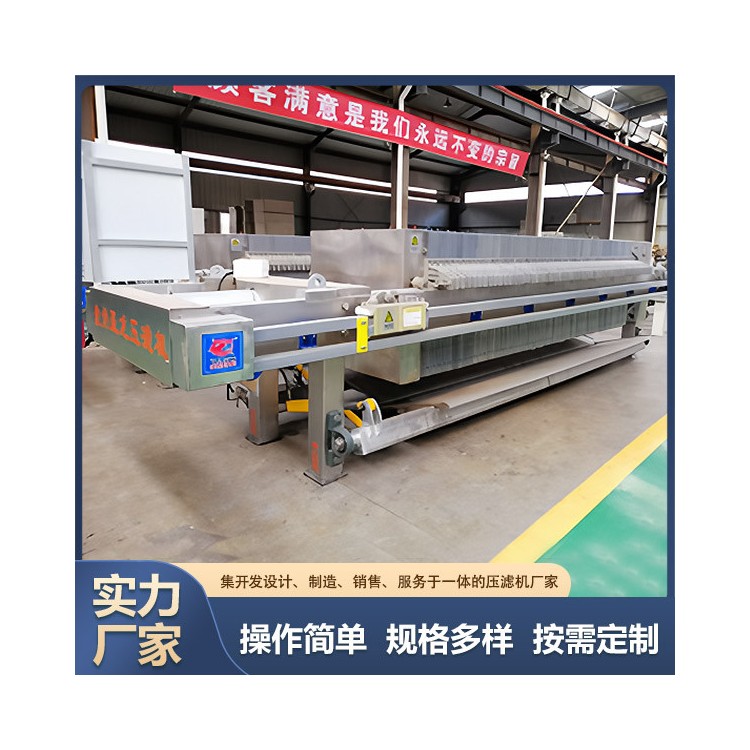
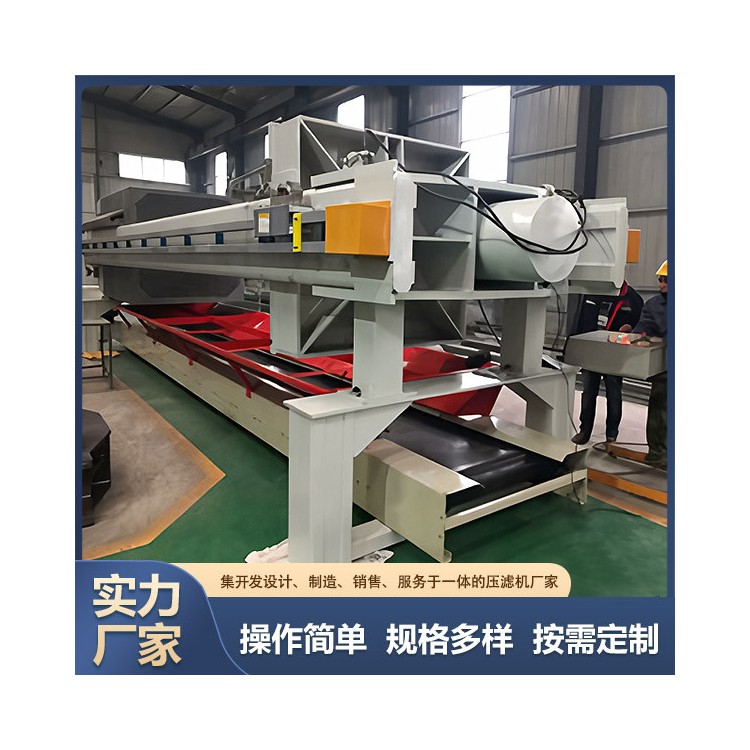
The SZD type combined electrostatic precipitator is available in two forms: tubular and plate-type electrostatic precipitators. The tubular electrostatic precipitator has an electrode installed at the center of a round tube, with the inner wall of the tube serving as the dust collection surface, often constructed with multiple rows of tubes in parallel. The plate-type electrostatic precipitator is equipped with discharge electrodes between a series of parallel channels.
Vertical and horizontal electrostatic precipitators can be categorized based on the air flow direction. Vertical electrostatic precipitators are typically tubular, with air flowing from bottom to top and are often operated under positive pressure. Horizontal electrostatic precipitators feature a horizontal air flow, and due to their higher separation efficiency and ease of maintenance, they are commonly used in the industrial sector.
The SZD type composite electrostatic precipitator integrates three complex dust collection mechanisms: electrostatic cyclone, electrostatic suppression, and electrostatic aggregation.
The SZD type combined electrostatic precipitator is used in industries such as building materials, metallurgy, chemicals, and power, for pollution control, material recovery, and cement mill dust collection.
The SZD combined electrostatic precipitator dedusting plate is cleaned by the impact of the tamping hammer, causing accumulated dust on its surface to be collected in the dedusting bag. The specific resistance of the dust is an indicator of conductivity, which has a direct impact on the dedusting efficiency. If the specific resistance is too low, dust particles are difficult to remain on the dust collection electrode, leading to their return to the air stream. If the specific resistance is too high, the charge of dust particles reaching the dust collection electrode is not easily released, and a voltage gradient formed between the dust layers can cause local breakdown and discharge phenomena. Additionally, the properties of the dust will also affect the dedusting efficiency and the service life of the dedusting equipment.
The SZD combined electrostatic precipitator is suitable for power plant boilers and various industrial boilers, as well as industrial furnaces in the metallurgy, building materials, and non-ferrous metallurgy industries. The dust resistivity should be within the range of 102-1012.cm, with a dust collection efficiency of over 99.5%.
WeChat Official Account

Scan to follow Official Account


















