







I. Product Introduction
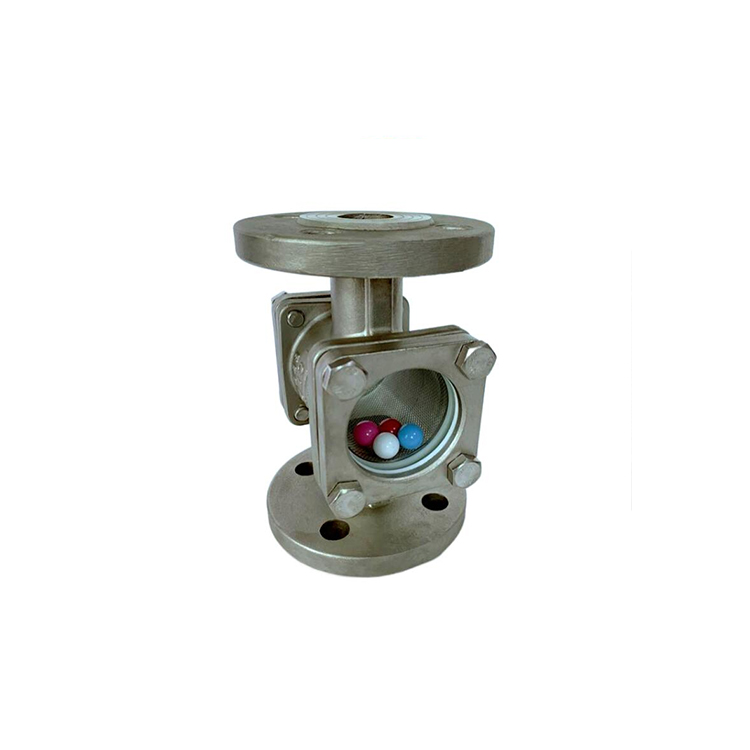
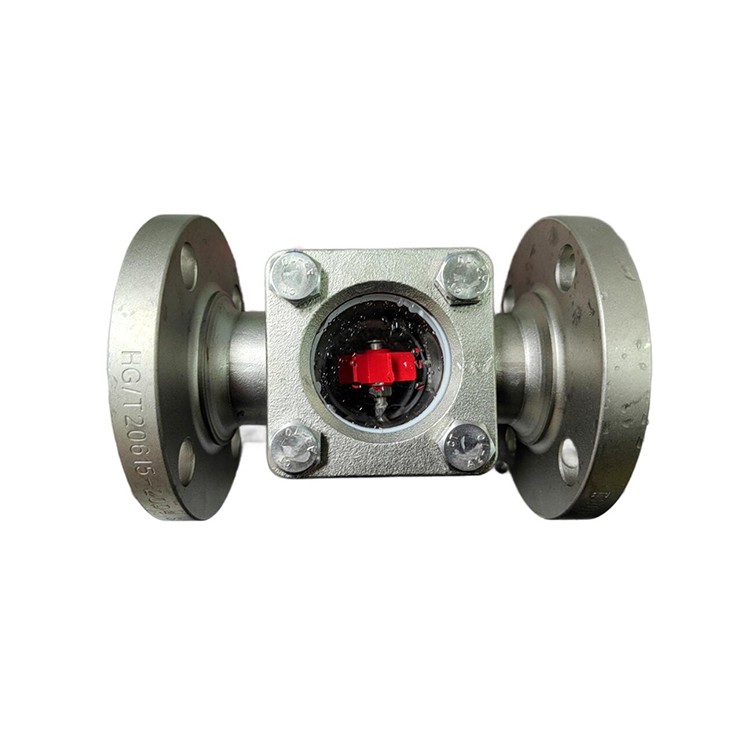
Bubbling sight glass, also known as a flow indicator (bubbling indicator; impeller sight glass; water flow indicator; oil flow observer; liquid flow display; flow observer), is a necessary accessory for observing the flow of media inside pipelines.
When the medium in the pipeline passes through the float glass, it pushes the float inside to bounce. By observing the float's movement through the viewing window, you can determine if there is medium flow in the pipeline.
Used to observe the turbidity and flow of liquid and gas mediums. Widely applied in cooling systems, lubrication systems, fuel supply systems, and industrial production facilities in oil, chemical, chemical fiber, food, and other industries. It allows for real-time observation of the flow reactions of liquids, gases, and steam, and is an indispensable accessory for ensuring normal production.
Section II: Structural Format
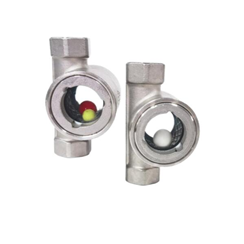 | 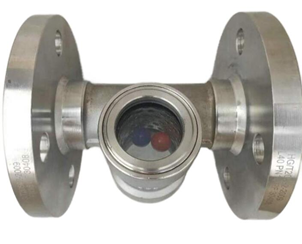 |
Internal threaded connection | Bolted Cover |
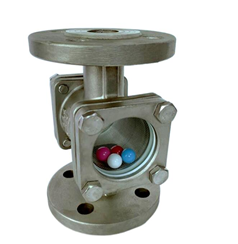 | 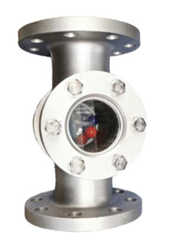 |
German Standard Square Head Nipple Cap | European Standard Round Head Caps |
III. Performance Parameters
1. Main Material: Carbon Steel, 304, 304L, 316, 316L.
2. Window Material: Tempered Borosilicate Glass, High Borosilicate Glass, Quartz Glass
3. Buoy Material: PP, PTFE
4. Nuts and Bolts: B7/2H, A2-70, A4-70, etc.
5. Sealing Washers: Nitrile rubber washers, Teflon washers, high-temperature-resistant Teflon washers, metal washers, graphite washers;
6. Sealing Surfaces: Bulb face (RF), Flat face (FF), Mated face (MFM), Tongue and groove (TG).
7. Connection Methods: Flange connection, internal threaded connection, external threaded connection, socket weld connection, clamp connection.
8. Flange Standards: HG20592, GB, SH, HGl, JB, ANSI, JIS;
9. Manufacturing and Inspection Standards: HG/T4284-2011
10. Operating Temperature: Carbon Steel: -30℃ to +350℃; Stainless Steel: -80℃ to +480℃
11. Glass Temperature Resistance: Tempered borosilicate glass: ≤280℃, high borosilicate glass: ≤450℃, quartz glass: ≤850℃, with a rapid temperature change allowance of <60℃.
12. Glass Pressure Resistance: Tempered borosilicate glass: ≤3.0 MPa, quartz glass: ≤5.0 MPa
13. Exterior Paint: Carbon steel: Corrosion-resistant paint; Stainless steel: Pickling or polishing treatment.
IV. Maintenance and Care
1. Buoy float sight glasses are used for observing the flow and reaction of liquid mediums, and their viewing window glass should be kept clean and dust-free.
2. Window glass is a fragile part. Handle the mirrors with care during installation. The mirror bracket should be flat and smooth, with the sealing gasket installed flat between the glass and the bracket. The gasket should be undamaged and free of grease. Ensure the mirror bracket and lid are properly aligned before tightening the screws; then, tighten diagonally slowly.
3. The float cover mesh may clog over time; once a clog is detected, it should be promptly removed and washed.
4. Glass has certain limitations in terms of temperature and pressure resistance; please strictly follow the instructions on the manual.
5. Allow for rapid temperature changes below 60°C; glass may crack due to excessive temperature differences.