
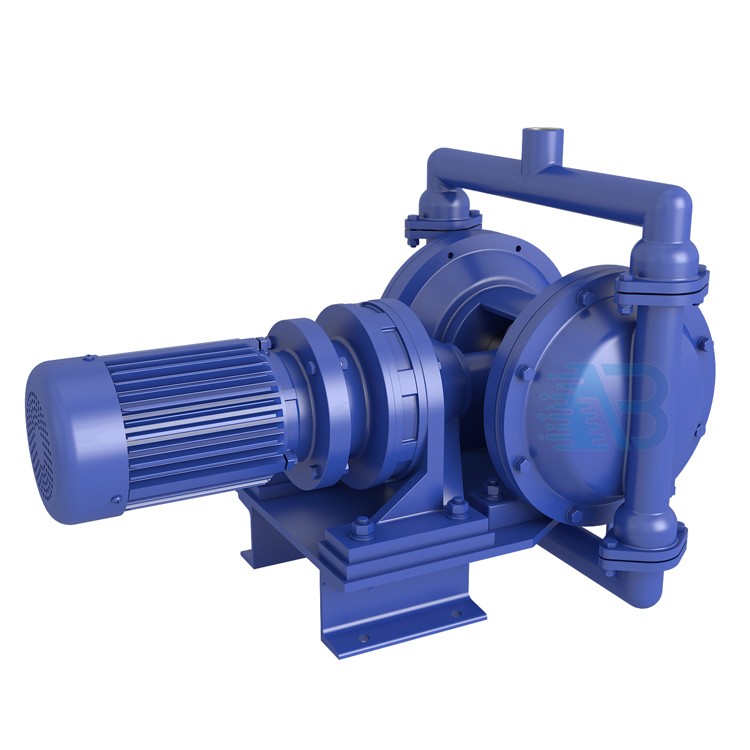








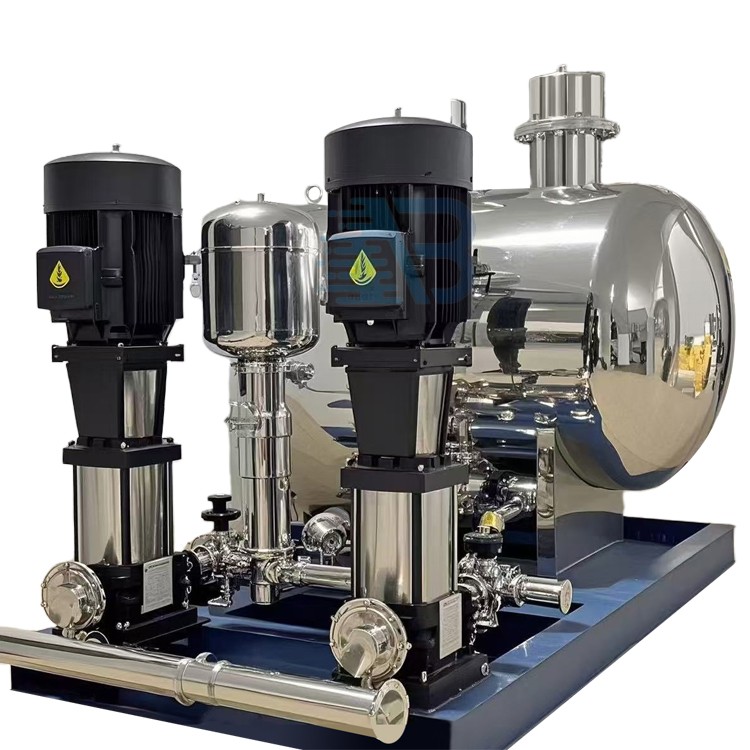
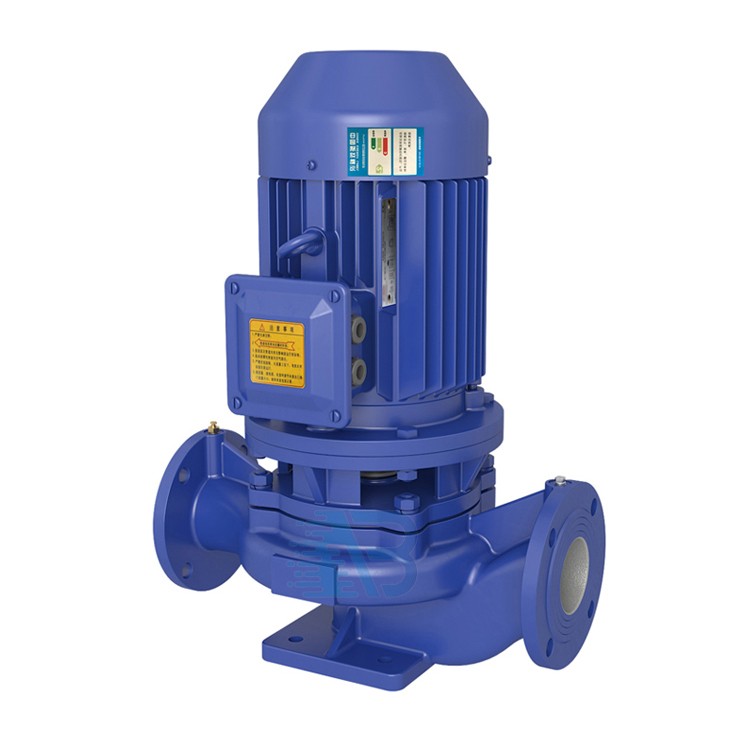

An electric diaphragm pump is a new type of pump primarily used in industries such as petrochemical, ceramics, and metallurgy. Its features include no need for priming water, strong self-priming capability, no medium leakage, and a long service life. The electric diaphragm pump operates by the motor driving the diaphragm to reciprocate, utilizing the alternating opening and closing of a one-way ball valve to achieve liquid intake and discharge.
Operating Principle
The working principle of the electric diaphragm pump is that the motor drives the reducer, causing the diaphragm to move back and forth. Inside the pump chamber, the one-way ball valve alternates between opening and closing with the diaphragm's movement, thereby suctioning and discharging the liquid. This design ensures that the pump has no shaft seal, keeping the medium completely separate from the transmission mechanical parts, thereby avoiding leakage issues.
Application Fields
Electric diaphragm pumps are widely used in industries such as painting, ceramics, environmental protection, wastewater treatment, construction, sewage discharge, and fine chemicals. Due to their strong self-priming ability, simple structure, and easy maintenance, electric diaphragm pumps hold a significant position in these fields.
Advantages and Disadvantages
Advantages:
No need for water injection; strong self-priming ability.
Medium will not leak outward, with a long service life.
Compact in structure, lightweight, and small in volume.
Suitable for various mediums such as mud, granules, etc.
Disadvantages:
Particle diameter is restricted, typically applicable to particles less than 10 millimeters in diameter.