



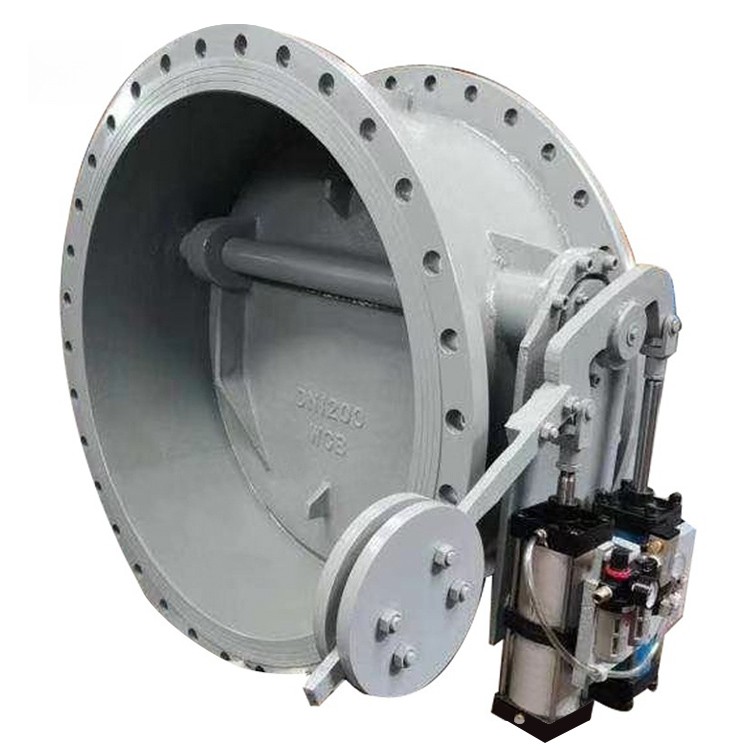















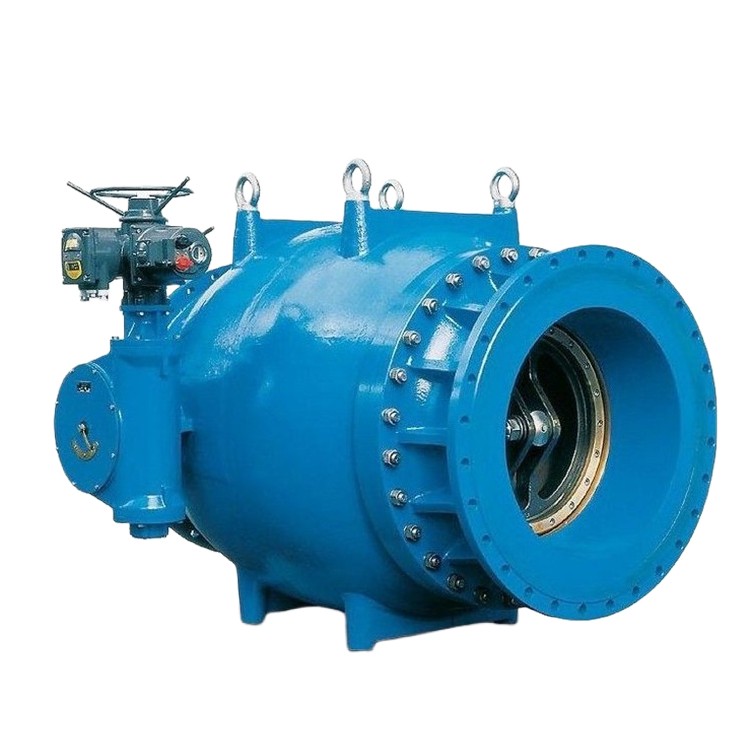
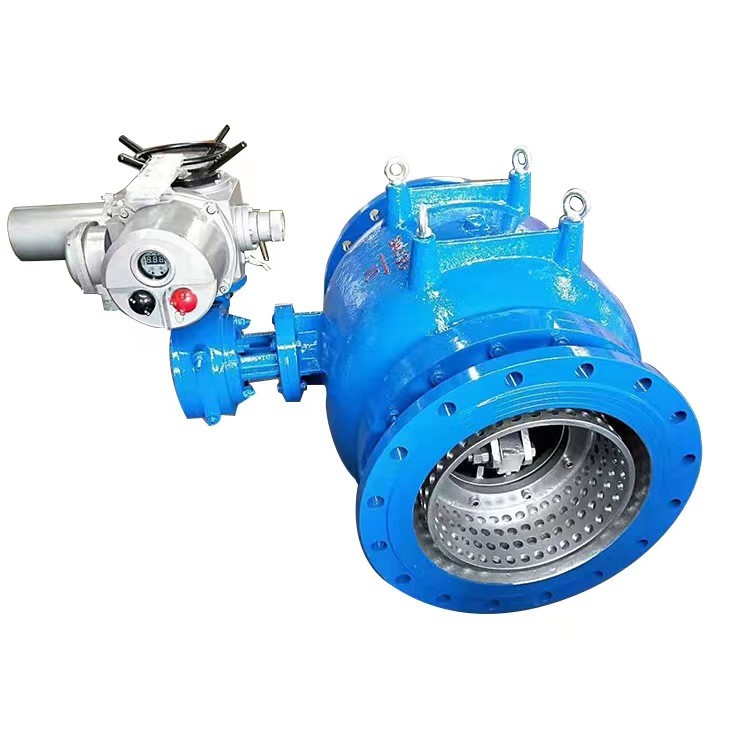
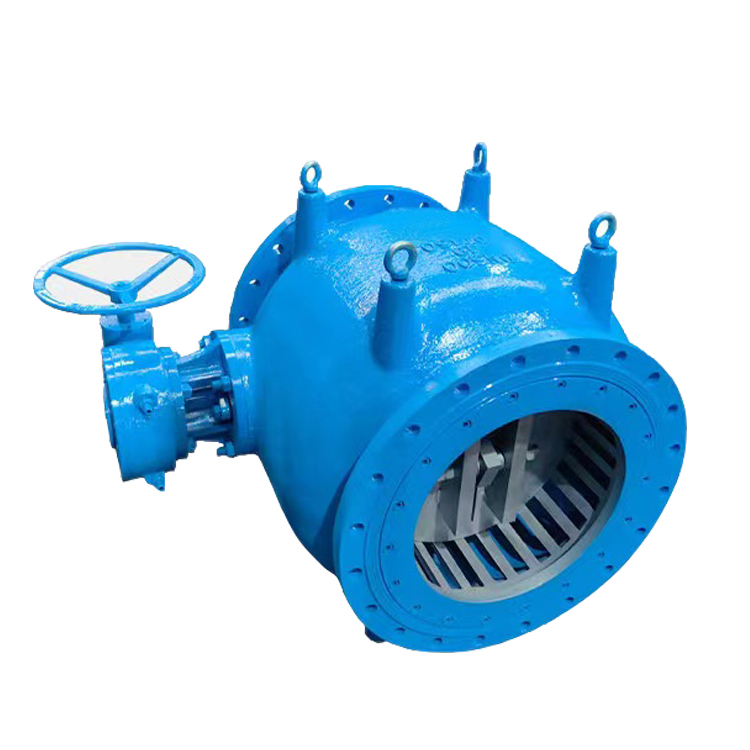

Pneumatic check valves are a specialized valve that combines an air actuated device with a check valve, primarily used for rapidly cutting off fluid flow and preventing backflow of the medium, while also featuring a cushioning function to reduce impact.
Working Principle
The pneumatic check valve is driven by a pneumatic actuator to move the valve disc. When the medium flows normally, the valve disc opens under the pressure of the air source. When the medium reverses or stops flowing, the pneumatic actuator responds quickly and closes the valve disc, simultaneously using a spring or hydraulic cushioning device to slow down the closing speed and prevent pipeline shock.
Structural Features
Actuator: Single-acting or double-acting cylinder used, with a reset spring in single-acting models, which automatically returns to its original position in case of a fault.
Sealed Design: The valve disc and seat are lined with sealing materials (such as rubber or metal sealing rings) to ensure tightness.
Installation Direction: Must be installed horizontally or vertically to ensure the medium flow direction aligns with the valve body arrow.
Application Scenario
Emergency Cut-off: Designed for applications requiring rapid response, such as oil and natural gas pipelines.
Safety Protection: Prevents pump reversal or release of container medium, safeguarding equipment from damage.
Automation Control: Accompanied by electrical components (such as positioners, solenoid valves) for remote monitoring and adjustment.


















