



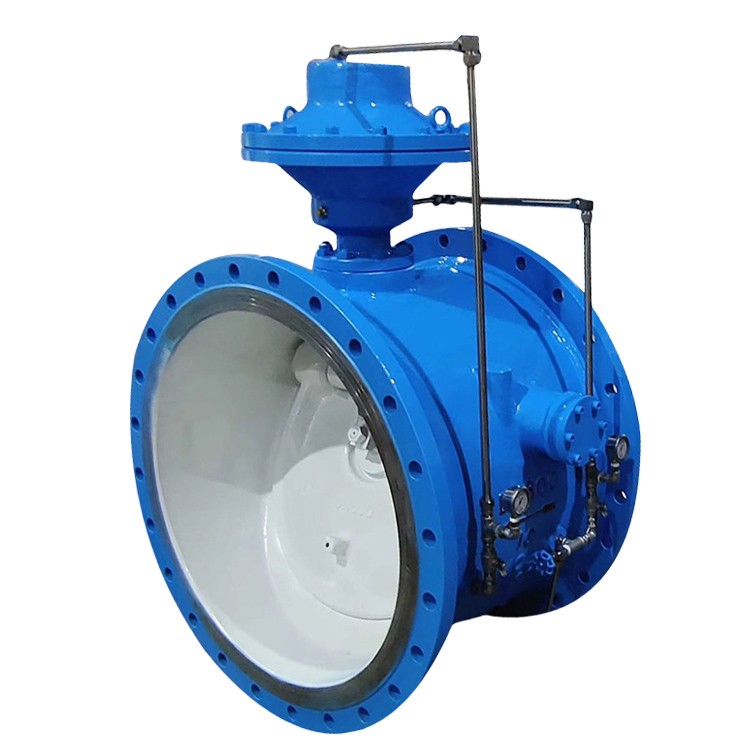

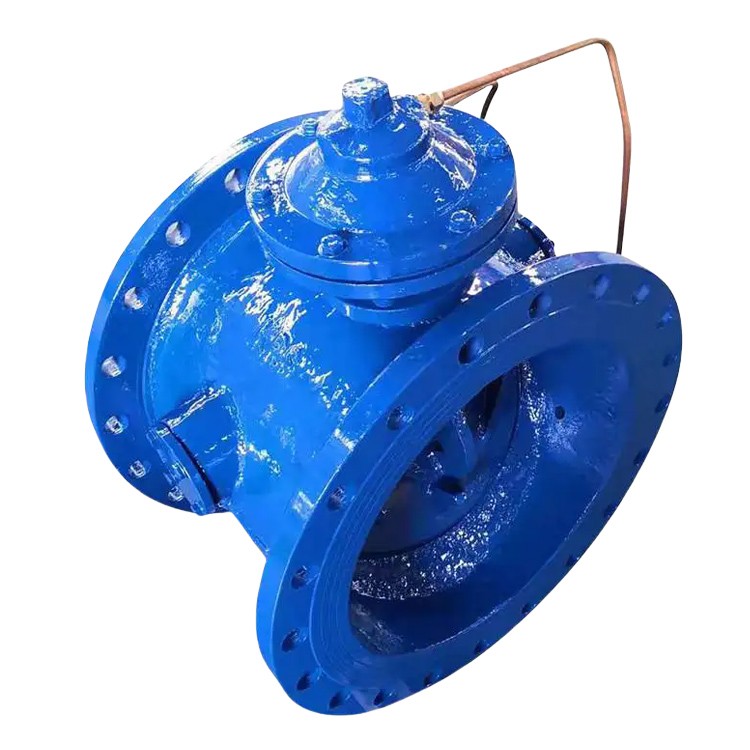
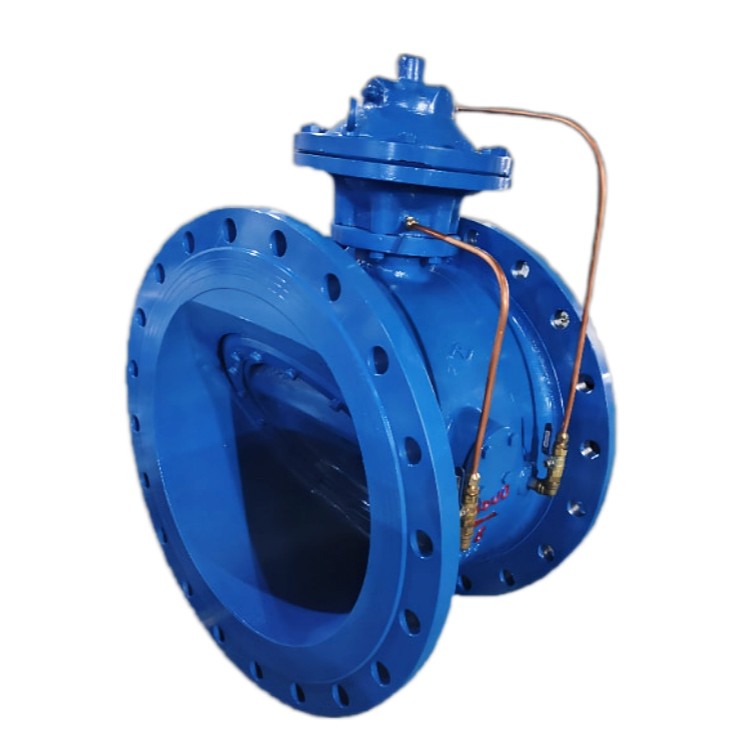
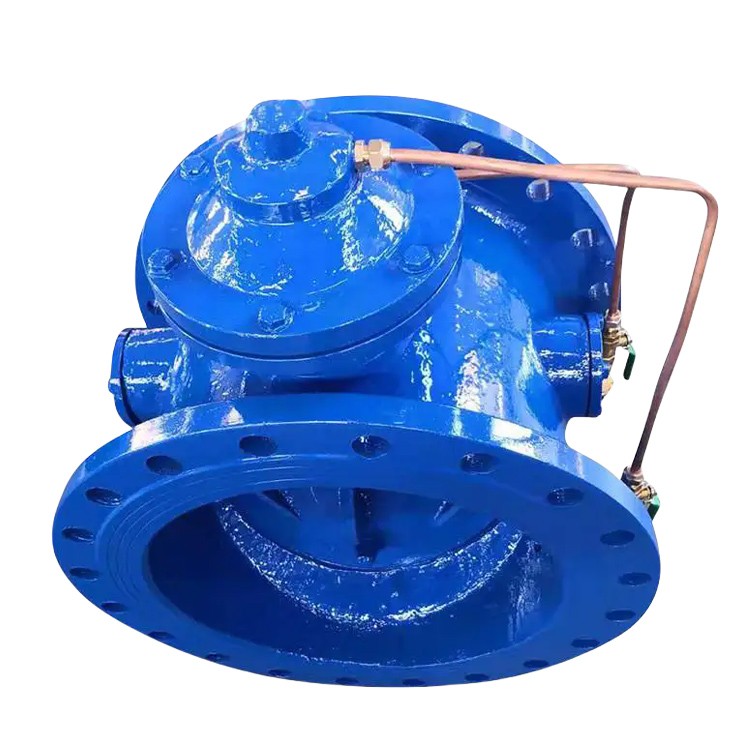















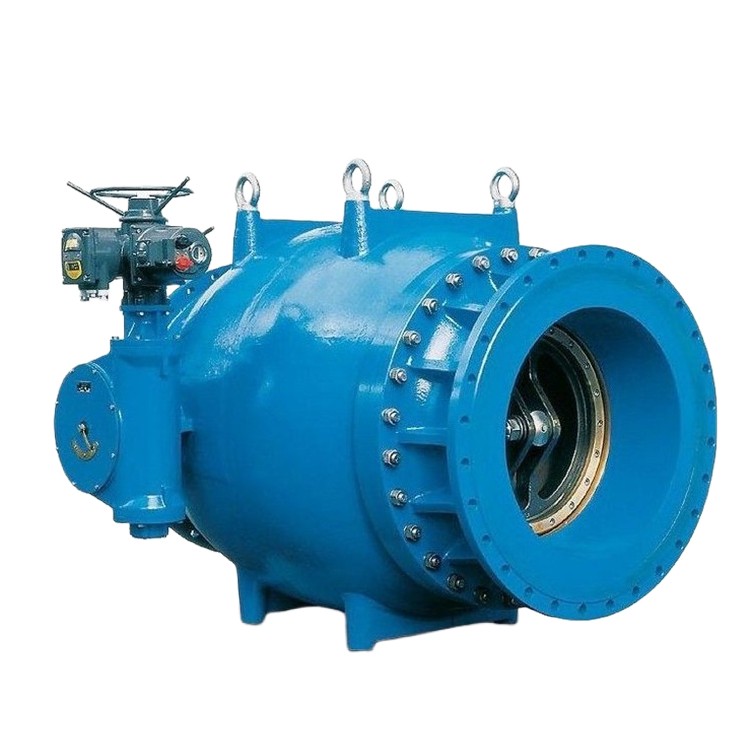
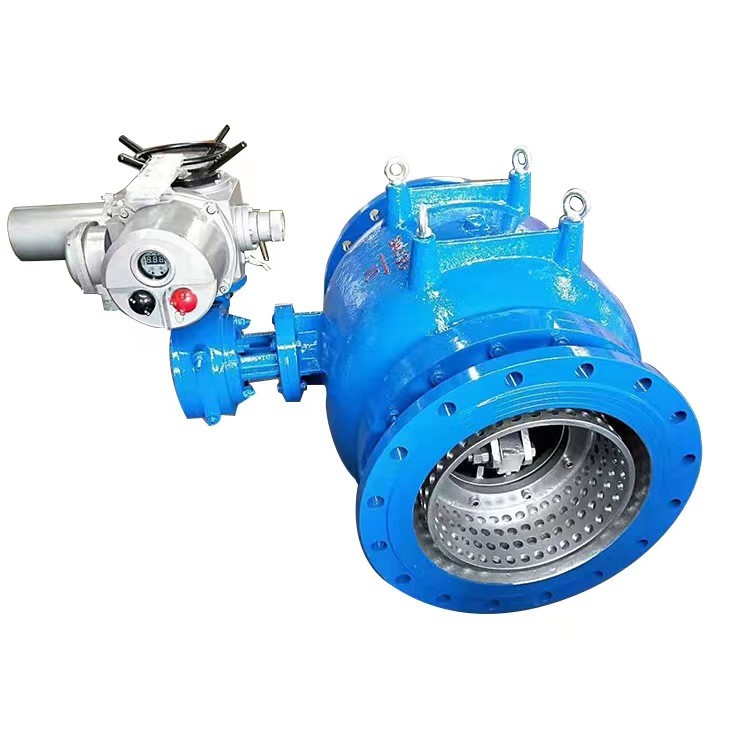
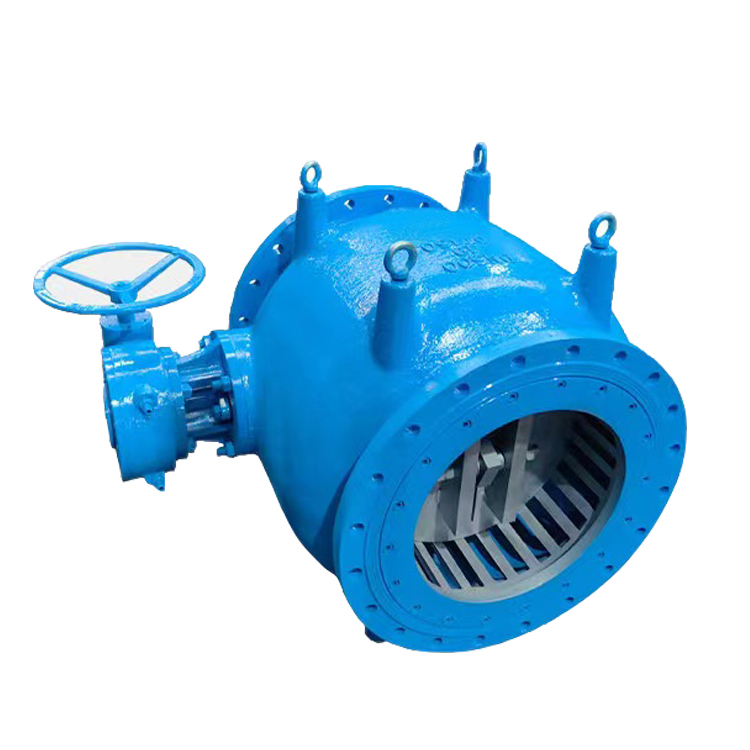

Diaphragm-type pipe force valve is a valve that controls fluid flow through the movement of a diaphragm, primarily used in water supply and drainage systems for automation in pump stations, metallurgy, petrochemical industries, etc. Its core component is an elastic diaphragm, which achieves fluid on-off through the up and down movement of the diaphragm, featuring no leakage, corrosion resistance, and simple structure.
Operating Principle
Diaphragm-type pipe force valves control the opening and closing of valves through diaphragm movement. When the pump starts, the diaphragm closes the valve under the action of fluid pressure; when the pump stops, the diaphragm rapidly closes the valve under the force of gravity, cutting off the water flow. This structure enables automatic unloading and delayed closure functions.
Structural Features
Valveless Design: The core component is an enhanced rubber diaphragm, with a valveless structure to prevent medium leakage.
Material Selection: Valve bodies are typically made of cast steel or stainless steel, while diaphragm materials include fluoro-resin and sanitized stainless steel, suitable for corrosive media such as strong acids and alkalis.
Drive Method: Supports manual, pneumatic, or electric operation. Some models are expandable to include features such as overpressure protection and flow adjustment.
Application Scenario
Industrial Field: Widely used in water supply and drainage systems for metallurgy, petrochemical, and municipal industries.
Sanitary Applications: Compliant with FDA standards, suitable for sterile or high-purity environments such as food and beverage industries.
Special Conditions: Use with caution in high-pressure and high-temperature environments, generally limited to pressures below 1.6 MPa and temperatures below 150°C.


















