














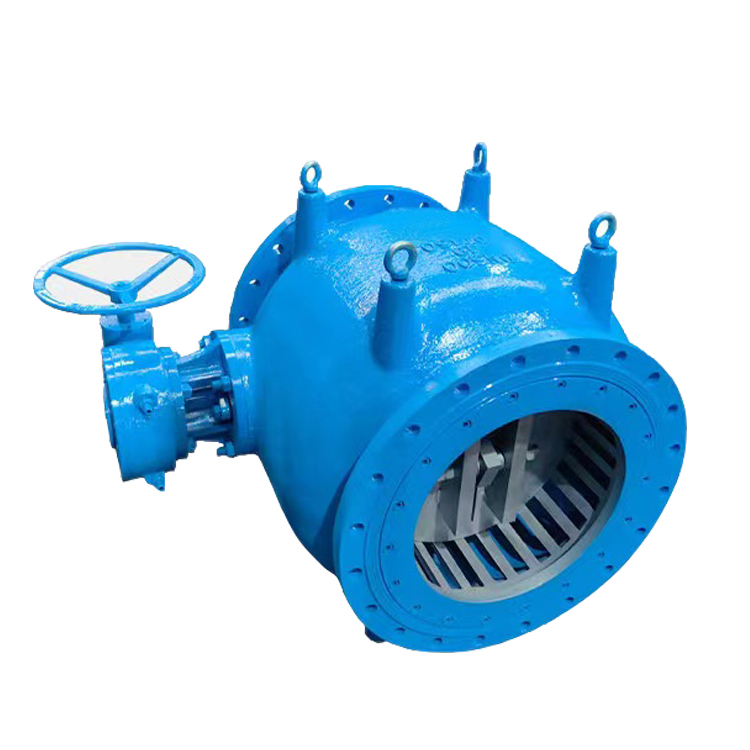

Safety relief valves and pressure retention valves are two complementary pressure control devices, primarily used in fire protection and industrial piping applications. The core difference lies in their control modes and applicable scenarios.
Safety Relief Valve
Prevents overpressure in pressure equipment (such as boilers, pressure vessels) by automatically releasing pressure when the pressure exceeds the set value, and then shutting off automatically once the pressure is restored. Its core structure includes the valve seat, valve disc, spring, and sealing components, which require regular verification to ensure reliability.
Check valve
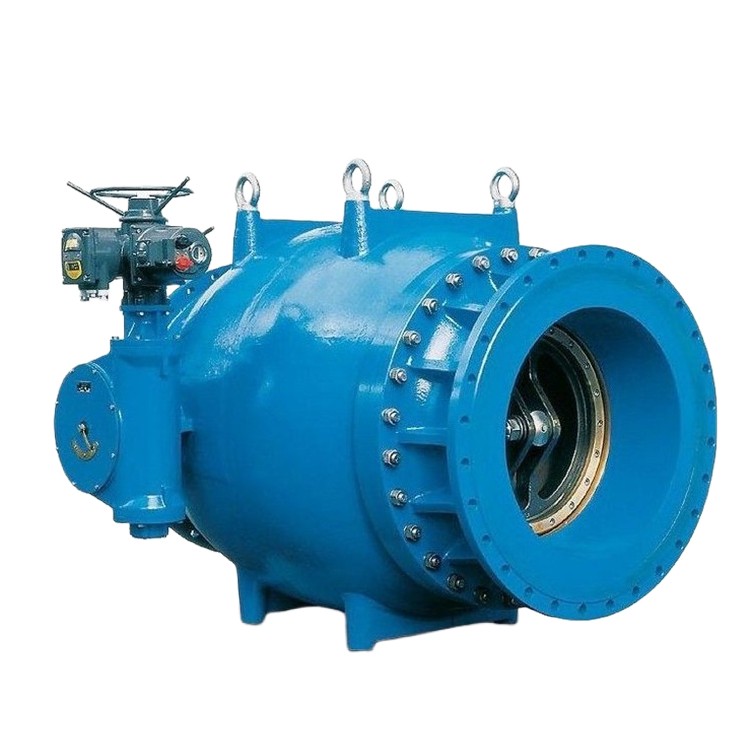
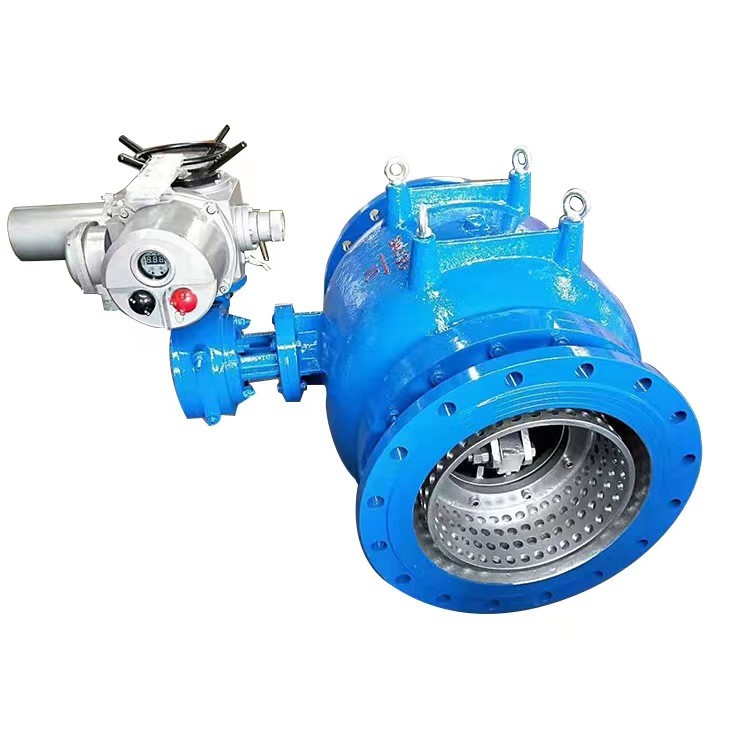
Primarily used to maintain stable upstream water pressure in pipelines, preventing overpressure or underpressure. Automatically shuts off when the pressure falls below the set value, keeping the pressure within a safe range. Its structure includes a main valve, guide valve, and filter screen, capable of filtering impurities and accommodating different pipe diameters (such as DN40-800mm), with a working pressure range of 1.0-2.5MPa.
Dual-function valve
Some products, such as diaphragm-type safety pressure relief valves, combine two functions: they can relieve pressure to protect the system and also maintain pressure stability. These valves typically feature a gate design, offering rapid response and thermal insulation properties, making them suitable for scenarios like high-rise building fire protection systems.