

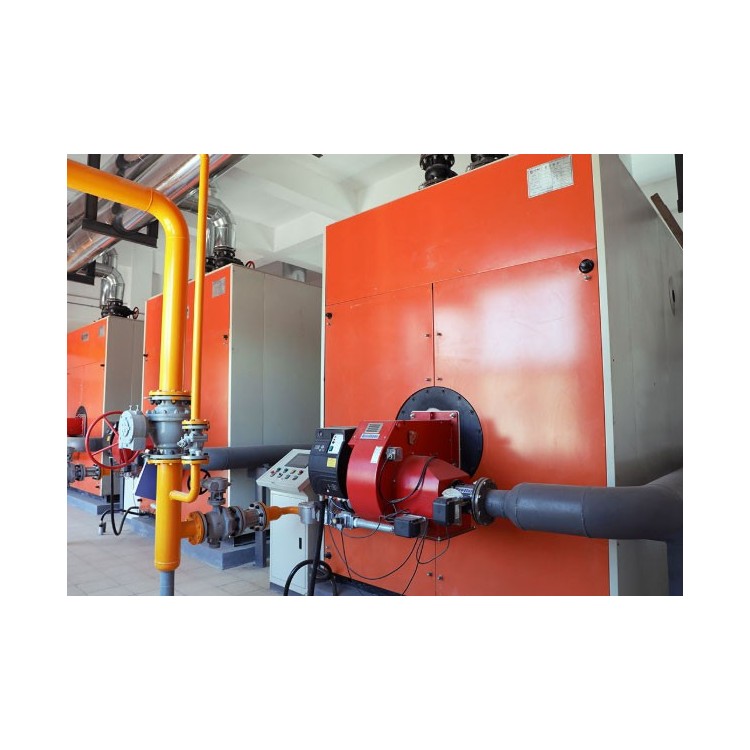

Product Details
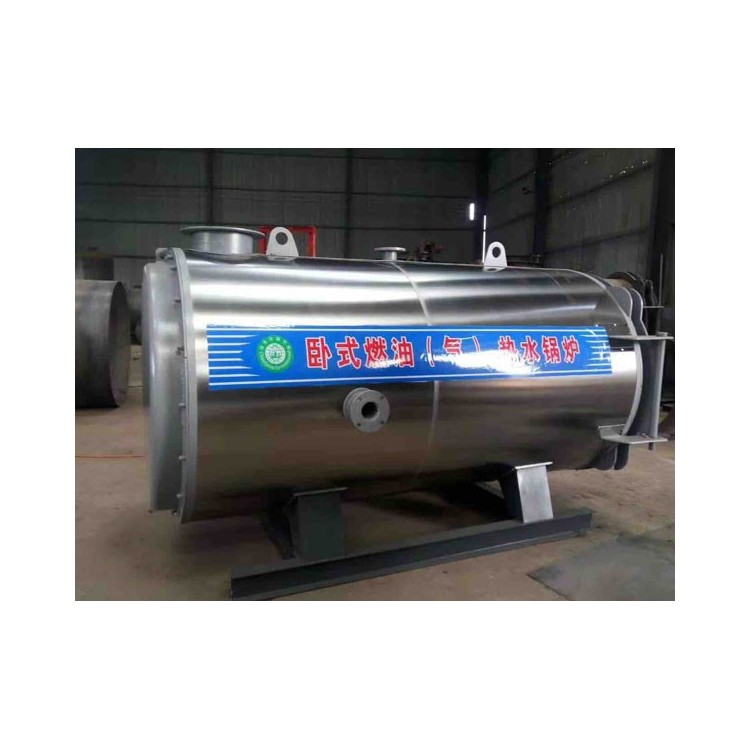
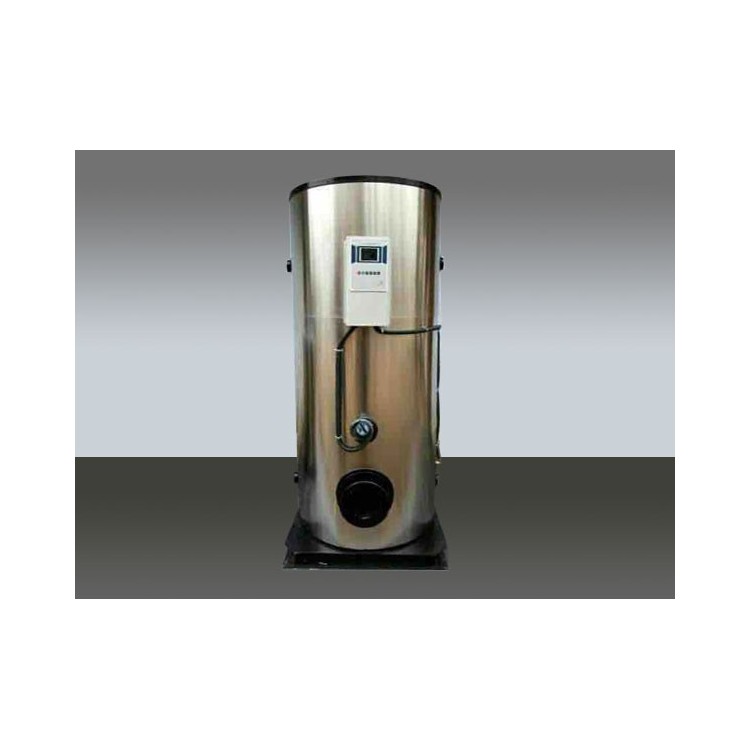
Boilers primarily consist of the boiler body, electrical control box, and control system. They are characterized by their environmental friendliness, cleanliness, lack of pollution and noise, and full automation. As finite energy resources decrease and prices skyrocket, electric heating boilers, as a new type of boiler equipment, are gaining increasing recognition. The electric heating tube is the core component of electric heating boilers, directly determining their service life. It is advisable to choose metal tubular electric heaters for water heating, converting electrical energy directly into heat energy (producing hot water or steam), without the need for combustion to convert chemical energy into heat. This eliminates the need for air and fuel supply for combustion, and prevents the emission of harmful gases and ash, fully complying with environmental protection requirements. Electric heating boilers use electricity as the energy source, converting electrical energy into heat energy, heating heat medium water or organic carriers (heat transfer oil) to certain parameters (stability, pressure) through the boiler's heat exchange section, and then outputting the required thermal energy. Electric boilers can be categorized by their purpose into: KS-D electric water boilers, CLDR (CWDR) electric water boilers (including electric heating and electric bath boilers), LDR (WDR) electric steam boilers, and others.
Performance Advantages
1. Boasts a larger steam space and excellent steam quality.
2. Fully automatic and intelligent control technology, no need for dedicated staff. Flexible operation mode, can be set to manual or automatic.
3. The boiler can be set to operate automatically during specified time periods as needed, allowing for multiple different working shifts per day. This enables the boiler to automatically start different heating groups at different times, cyclically switching between them, ensuring that all contactors have equal usage time and frequency, thereby extending the equipment's lifespan.
4. The controller performs automatic pressure control, calculation, and tracking. It can automatically start and stop the feed pump and electrical heating tube during load changes, and can also be manually controlled.
5. Equipped with comprehensive protective features, including electric leakage protection, low-water protection, ground protection, steam over-pressure protection, overcurrent protection, power supply protection, and more.
6. The boiler body is made of boiler steel plates, with both longitudinal and circumferential welds being automatically welded and X-ray inspected. The small-scale boiler body is integrated with mechanical and electrical systems, facilitating installation and connection. The large-scale boiler body is designed with a separate electrical control unit to prevent the high temperature of the body from affecting the electrical control components, ensuring stable operation of the electrical control devices.
7. A compact, scientifically designed structure and advanced manufacturing techniques make the boiler occupy less space, convenient for transportation, and save usage area.
8. Silent operation, pollution-free, high thermal efficiency; the boiler body is insulated with thermal insulation materials, resulting in minimal heat loss and energy conservation.
9. The boiler's outer packaging is designed with high-quality color steel sheets, featuring an aesthetically pleasing and corrosion-resistant appearance.
All electrical components are marked with CE and CCC certifications, ensuring the product's lifespan.
11. Advanced circuit design, meticulously crafted, with neat and reasonable wiring, easy to operate.
12. The electric heating tube is connected to the furnace body with a flange, making it easy to disassemble and maintain.
13. Equipped with an automatic water refilling system, safety protection features including water shortage, over-temperature, over-pressure, automatic power-off with alarm, and electric leakage protection.
14. PLC microcomputer programmable control and display screen; temperature setting for automatic control of water temperature is achieved through a human-machine interface. The display screen shows equipment status, operating parameters, and fault alarms.
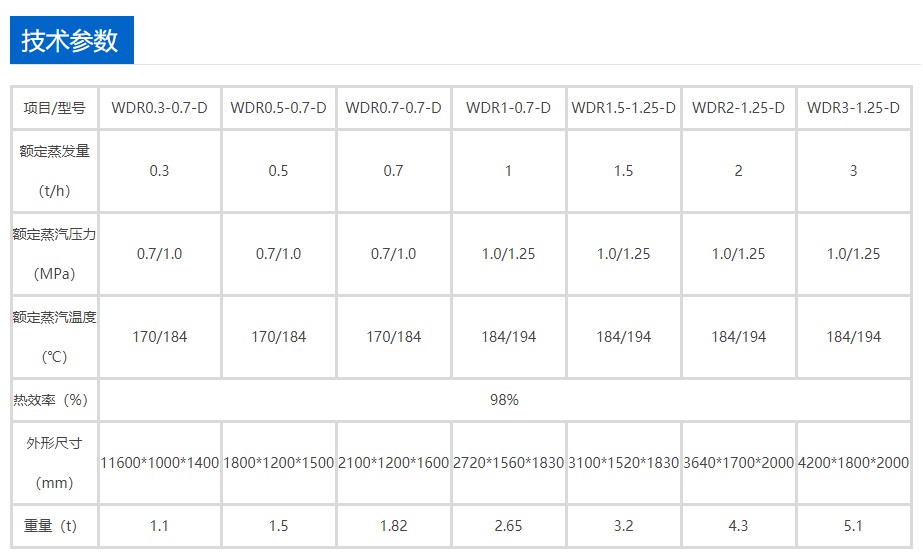
Technical Specifications