

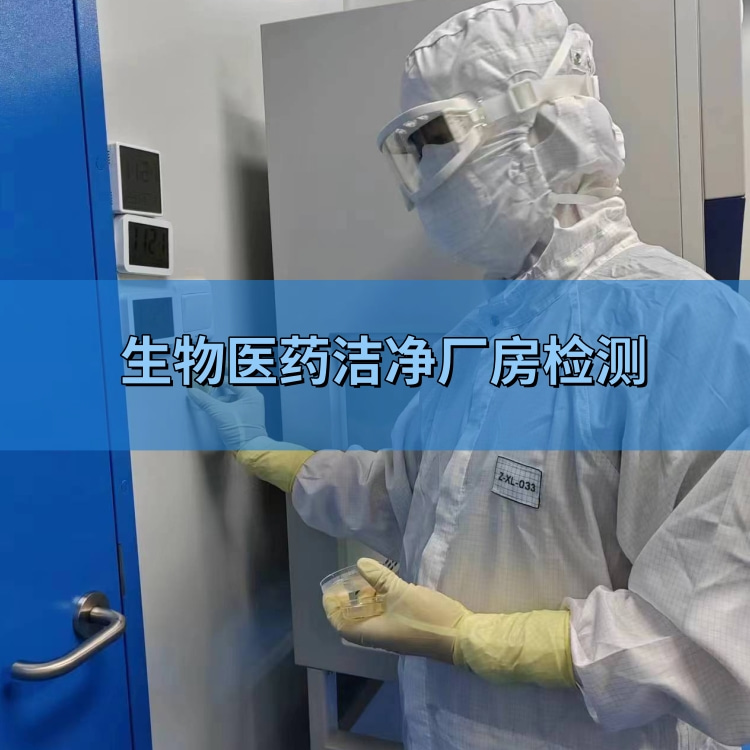











Biopharmaceutical Cleanroom Inspection
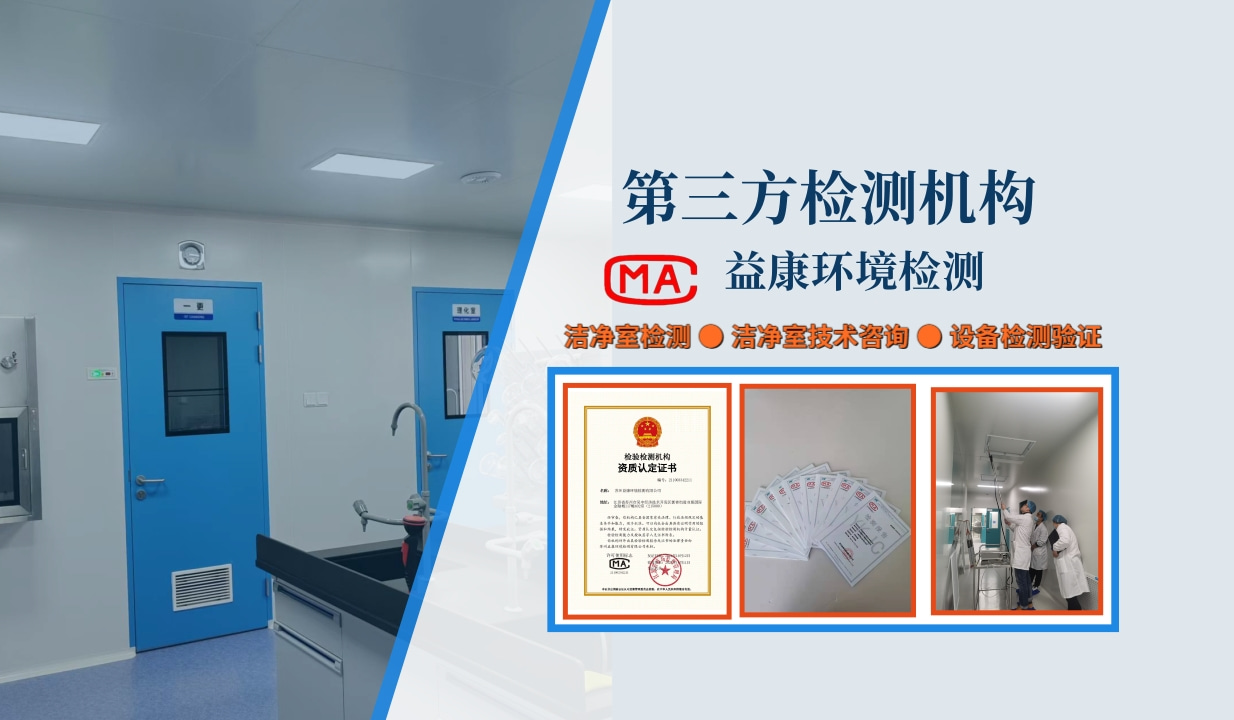
Pharmaceutical cleanrooms, as the core controlled environment for drug production, directly impact the quality and safety of medication through their cleanliness, temperature and humidity control, and microbial control. Suzhou Yikang Environmental Monitoring Co., Ltd., with its CMA certification and experience in the pharmaceutical industry, has formulated this testing plan for pharmaceutical cleanrooms (including aseptic drug production areas, non-aseptic drug production areas, and pharmaceutical excipient production areas, etc.). We strictly adhere to standards such as the "Good Manufacturing Practices for Pharmaceuticals" (GMP), "Design Code for Cleanrooms and Areas in Pharmaceutical Industry" (GB 50457-2019), and "ISO 14644-1 Cleanrooms and Associated Controlled Environments," providing pharmaceutical manufacturers with precise and compliant testing services.
I. Inspection Basis and Scope of Application
(1) Core Basis
- Regulations: "Good Manufacturing Practices for Drug Production" (Order No. 27 of the National Medical Products Administration), "Administrative Measures for the Qualification Identification of Inspection and Testing Institutions."
- Standard Categories: "Code for Design of Cleanrooms and Clean Zones in Pharmaceutical Industry (GB 50457-2020)", "ISO 14644-1 Cleanrooms and Associated Controlled Environments — Part 1: Classification of Air Cleanliness", "ISO 14698-1 Control of Microbial Contamination — Part 1: General Principles and Methods", "Test Methods for Suspended Particles in Cleanrooms and Clean Zones in Pharmaceutical Industry (GB/T 16292-2010)", "Test Methods for Settled Bacteria in Cleanrooms and Clean Zones in Pharmaceutical Industry (GB/T 16294-2010)".
- Customer Requirement: Based on the application scenarios of the pharmaceutical factory's cleanroom (such as)Biological ProductsManufacturing facilities (including production workshops for oral solid dosage forms), cleanroom grades (such as Grade A, B, C, D), and special process requirements; supplement customized testing criteria.
(II) Scope of Application
This solution is applicable to the final acceptance inspection and testing of new cleanrooms in pharmaceutical factories, regular maintenance testing of existing cleanrooms (recommended every 6-12 months), verification testing of clean environments after process changes, and performance review testing after cleanroom renovations. It covers areas such as clean production zones, clean auxiliary areas (e.g., weighing rooms, blending rooms), and clean storage areas (e.g., sterile drug storage rooms).
Section II: Inspection Content and Technical Requirements
(1) Basic Environmental Parameter Testing
- Temperature
- Testing Method: Utilize calibrated wireless temperature and humidity recorders, placing monitoring points according to the principle of "one monitoring point per 50㎡, or 50㎡ for less than 50㎡" within the cleanroom. Conduct continuous monitoring for 24 hours, recording data every 30 minutes.
- Technical Requirements: Class A/B cleanroom temperature controlled at 20-24°C, Class C/D cleanroom temperature controlled at 18-26°C, temperature fluctuation range ≤ ±2°C.
- Equipment Requirements: Temperature and humidity recorder accuracy ±0.3℃ (within the range of 20-25℃), resolution 0.1℃.
2. Moisture
- Testing Method: Conducted simultaneously with temperature detection, record humidity data at the same location.
- Technical Requirements: Grade A/B cleanroom relative humidity 45%-60%, Grade C/D cleanroom relative humidity 40%-65%, humidity fluctuation range ≤±5%.
- Equipment Requirements: Humidity Measurement Accuracy ±3% RH (within the range of 40%-60% RH), Resolution 0.1% RH.
3. Pressure Differential
- Testing Method: Utilize a high-precision differential pressure gauge (accuracy ±1Pa) to measure the static pressure difference at the gaps in doors or walls between the cleanroom and adjacent areas (such as between clean and non-clean zones, different cleanliness grade areas, and cleanroom and corridors). Measure at each testing point three times and take the average.
- Technical Requirements: Pressure in high-purity areas is greater than in low-purity areas; pressure difference between A/B grade clean zones and adjacent lower-grade areas ≥10Pa, between C/D grade clean zones and adjacent non-clean areas ≥5Pa, and between cleanrooms and outdoor areas ≥10Pa; all cleanrooms should maintain positive pressure (except for special processes like negative-pressure weighing rooms, where pressure difference between negative-pressure rooms and adjacent areas ≤-5Pa).
Noise
- Testing Method: Utilize a sound level meter (compliant with GB/T 3785.1 standard), place measurement points at the operator's height in the cleanroom (1.2m from the ground), 1m around the equipment, and in corridors, etc. Measure at each point three times, and take the equivalent continuous A-weighted sound level.
- Technical Requirements: Cleanroom noise ≤ 60dB(A), sterile operation area (such as Grade A cleanroom) noise ≤ 55dB(A).
5. Luminance
- Testing Method: Utilize a lux meter (accuracy ±5%) to place measurement points on critical areas such as cleanroom work surfaces, equipment operating surfaces, and corridor floors (1 point per 10㎡), and measure the light intensity at a height of 0.8m above the ground.
- Technical Requirements: Operating area illumination ≥300lx, passageway and auxiliary area illumination ≥200lx, excluding areas where shading is required.
(II) Air Cleanliness Level Testing
- Air Changes Per Hour (ACH)
- Testing Method: Use an anemometer (accuracy ±0.01m/s) to measure wind speed at the clean room's air intake (outlet of the high-efficiency air filter). Measure wind speed at 3-5 points per intake, then calculate the average wind speed. Calculate the air volume per intake based on the intake area, sum up the air volumes of all intakes to obtain the total air volume of the clean room, and then convert the air changes per hour by multiplying the clean room's volume (length × width × height).
- Technical Requirements: Class A clean area (unidirectional airflow) air velocity ≥ 0.36 m/s (vertical unidirectional flow) or ≥ 0.45 m/s (horizontal unidirectional flow); Class B clean area air changes ≥ 60 times/h; Class C clean area air changes ≥ 25 times/h; Class D clean area air changes ≥ 15 times/h (specifically adjustable according to customer process requirements, but must comply with GMP standards).
2. Cleanliness (Dust Particles)
- Testing Method: Based on GB/T 16292-2010, utilize a laser dust particle counter (particle size resolution 0.1μm, counting efficiency 50%@0.3μm, 100%@0.5μm) and establish sampling points according to the principle of "one sampling point per 2㎡ in Class A clean area, one sampling point per 4㎡ in Class B clean area, and one sampling point per 8-16㎡ in Class C/D clean areas"; each sampling point must have a sampling time of ≥1min and a sampling volume of ≥1L.
- Technical Requirements (Static Inspection):
Grade A Cleanroom: Particle concentration ≤ 3520 particles/m³ (0.5μm), ≤ 20 particles/m³ (5.0μm)
Class B clean area: Particle concentration ≤ 35,200 particles/m³ for 0.5μm particles, ≤ 293 particles/m³ for 5.0μm particles.
Cleanroom Class C: Particle concentration ≤352,000 particles/m³ (0.5μm), ≤2,930 particles/m³ (5.0μm)
D Class Clean Room: 0.5μm particle concentration ≤ 3,520,000 particles/m³, 5.0μm particle concentration ≤ 29,300 particles/m³
- Dynamic inspection requirements: Determined based on the pharmaceutical manufacturer's production process, it must meet the microbial and particle control needs throughout the product production process.
(Microbial Pollution Detection)
- Sediment Bacteria
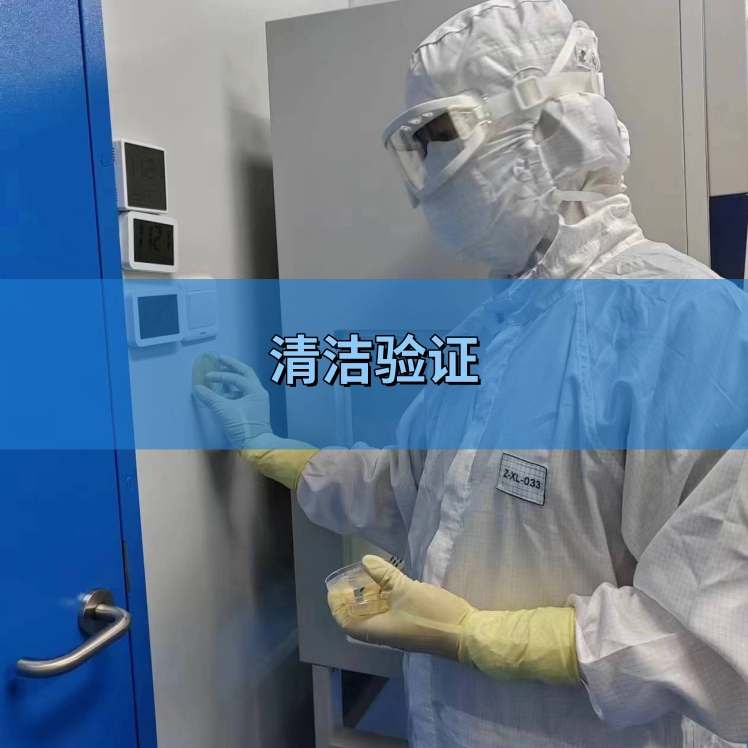
- Testing Method: According to GB/T 16294-2010, use 90mm diameter nutrient agar plates (sterile) and place them in a cleanroom following the layout: "1 point per 1㎡ in Class A clean area, 1 point per 2㎡ in Class B clean area, and 1 point per 4-8㎡ in Class C/D clean areas." After the plates are uncovered for 30 minutes, cover them and incubate in a 30-35℃ incubator for 48 hours, then count the number of colony-forming units.
- Technical Requirements (Static Inspection):
Grade A Cleanroom: Settling bacteria concentration ≤ 1 CFU/plate
B Grade Clean Room: Settling bacteria concentration ≤5 CFU/plate
Class C clean area: Settling bacteria concentration ≤50 CFU/plate
Class D Cleanroom: Sediment colony count ≤ 100 CFU/plate.
2. Suspension bacteria
- Testing Method: Use a aerosol sampler (sampling flow rate 100L/min) to collect samples at the same location as the settling bacteria. The sampling time is determined by the cleanliness level (A grade: ≥1000L, B grade: ≥500L, C grade: ≥100L, D grade: ≥50L). After sampling, incubate the culture medium at 30-35℃ for 48 hours and count the colony-forming units.
- Technical Requirements (Static Inspection):
Grade A clean area: Airborne particle concentration ≤ 1 CFU/m³
Class B clean zone: Airborne bacteria concentration ≤ 10 CFU/m³.
Class C Clean Area: Floating particle concentration ≤100 CFU/m³
D Cleanroom: Airborne particle concentration ≤ 200 CFU/m³.
Surface Bacteria (Microorganisms on Objects)
- Testing Method: Employ aseptic cotton swab technique to collect samples from critical areas such as work surfaces in cleanrooms, equipment surfaces (e.g., contact surfaces of filling machines), walls, and floors. Each testing area should cover 100cm². Swab the area with sterile physiological saline using an aseptic cotton swab, then immerse the swab in sterile diluent and spread the eluate on nutrient agar culture media. Incubate at 30-35°C for 48 hours to count colonies; or use the contact plate method (diameter 55mm contact plate) by pressing the surface for 30 seconds and then culturing.
- Technical Requirements: A/B grade cleanroom surface bacteria ≤ 5 CFU/100cm², C/D grade cleanroom ≤ 10 CFU/100cm², and pathogenic bacteria (such as Staphylococcus aureus, Pseudomonas aeruginosa) must not be detected.
Section 3: Inspection Process and Cycle
(1) Initial Communication and Preparation
- Customer Requirement Confirmation: Coordinate with pharmaceutical factory to clarify the scope and classification of cleanroom areas, special process requirements (e.g., if dynamic testing is required), and testing time (recommend avoiding peak production periods).
- Data Collection: Obtain cleanroom floor plans, air conditioning system parameters, and past inspection reports (if available) to facilitate the development of placement plans.
- Equipment and Personnel Preparation: Inspection equipment (such as dust particle counters, airborne particle samplers) must be pre-calibrated and carry calibration certificates. Inspection personnel must wear protective gear appropriate for the cleanliness level (e.g., for Class A cleanrooms, sterile protective suits are required).
(II) On-site Inspection Implementation
- Environmental Pre-treatment: The cleanroom air conditioning system must operate continuously for ≥24 hours prior to testing (new or renovated cleanrooms require ≥48 hours), ensuring stable environmental parameters.
- Facility Marking: Determine sampling point locations based on cleanroom area and grade, label each test point with a unique number, and record the coordinates of the points.
- Item-by-item inspection: Conduct inspections in the sequence of "Basic Environmental Parameters → Air Cleanliness → Microbial Contamination," and record raw data in real-time (e.g., temperature fluctuation curves, particle count results). Capture on-site inspection photos (sampling points, equipment operation status).
- Negative Control Setup: Set up a blank control (such as unexposed culture media) during the microbial detection process to verify the sterility of the experimental system.
(3) Data Processing and Reporting
- Data Verification: After testing is completed, the technical team reviews the original data to ensure completeness and accuracy (e.g., parallel sample relative deviation ≤10%), excluding the effects of operational errors and equipment malfunctions.
- Report Compilation: A CMA testing report will be issued within 5-7 business days, including testing basis, items tested, raw data, comparison with standard limits, testing conclusions, and improvement suggestions (e.g., adjust air conditioner dampers if pressure difference is not up to standard).
- Report Delivery: Delivered to customers in both hardcopy (with CMA certification stamp) and electronic versions, along with copies of the equipment calibration certificate.
(4) After-Sales & Tracking Service
- Report Analysis: Dedicated customer liaison, interpreting test results, and answering standard inquiries (e.g., differences between dynamic and static testing).
- Problem整改Support: If detection indicators fall short of the standards (e.g., excessive dust particles), assist clients in identifying the cause (e.g., leakage of high-efficiency filters, unreasonable air flow organization), and provide整改solutions.
- Regular Follow-up: Visit customers 1 month after the inspection is completed to assess the整改 effects, and prioritize re-inspection if needed.
IV. Quality Assurance & Service Commitment
- Qualification Assurance: Our company holds a CMA qualification certification, with inspection reports having legal efficacy, suitable for official audits such as pharmaceutical factory GMP certification and production license renewal.
- Staff Assurance: Inspection personnel have completed specialized training in pharmaceutical cleanroom inspections, hold certifications in microbiological and cleanroom inspections, and are familiar with pharmaceutical GMP regulations.
- Equipment Assurance: All testing equipment is regularly sent to authorized metrological institutions for calibration to ensure accurate test data.
- Timeliness Commitment: Reports issued within 5-7 business days after on-site inspection, customer concerns addressed within 24 hours, resolved within 7 business days.
- Confidentiality Commitment: Strictly protect the pharmaceutical factory's cleanroom parameters, production processes, and other business secrets; detect data will not be disclosed to third parties without permission.
Section 5: Contact Information
Testing Institution: Suzhou Yikang Environmental Testing
Contact Address: 4th Floor, Building 117, Shuangyin International, Dongfang Avenue, Wuzhong District, Suzhou
Business Contact: Manager Liu
Contact Number: 0512-66985755 18915420690
Email: yikang006@126.com