












Gas Pressure Control System
Equipment Introduction
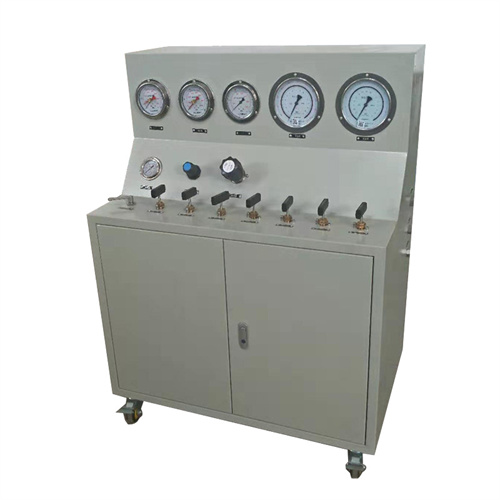
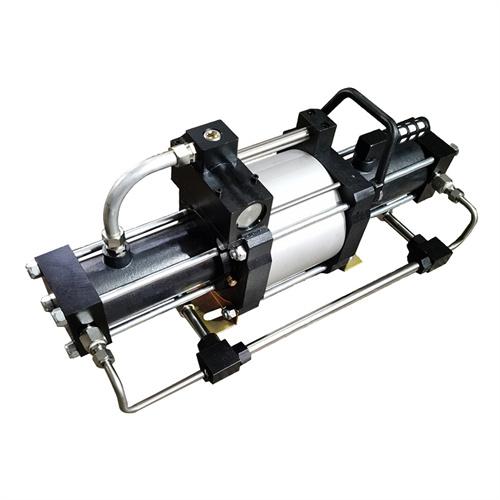
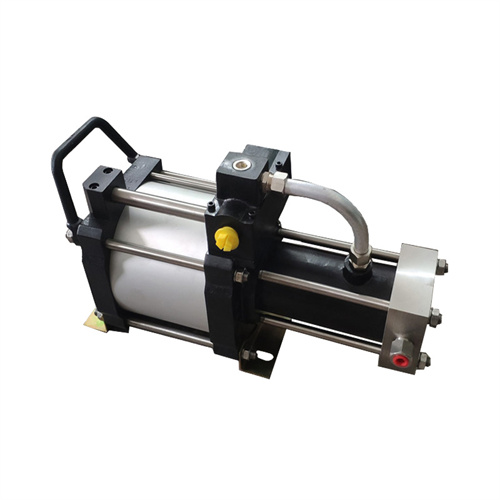
Gas pressure control systems refer to distribution equipment that adjusts, controls, and distributes gases according to the user's gas supply requirements. In addition to gas distribution stations, they are suitable for various gases such as nitrogen, oxygen, helium, etc., for distribution, branch pressure regulation, and flow adjustment. The maximum pressure can reach 140 MPa, with the minimum pressure at 0.05 MPa. The flow is designed according to product requirements, automatically regulating pressure, flow, and other parameters. Optional mixing gas tanks are available, and control methods can also be manual, PLC, or computer control.
Categories
Gas distribution panels can also be categorized by medium, including air gas distribution panels, nitrogen gas distribution panels, helium gas distribution panels, oxygen gas distribution panels, argon gas distribution panels, and more.
Features
The air circuit section is a major component of the distribution station, used to complete gas supply, distribution, and testing tasks. It is typically composed of elements like filters, regulators, check valves, manual stop valves, solenoid valves, pressure transmitters, and flow signal pressure gauges, all connected through pipes. The electrical circuit section is part of the electrical control system and cannot operate independently, mainly used for electrical control and measurement. It is usually made up of elements such as solenoid valves, pressure transmitters, switches, indicator lights, resistors, and connectors, all connected through wires. The frame is the supporting component for the air and electrical circuit elements, also serving as a protective structure, composed of the frame, panels, and so on.