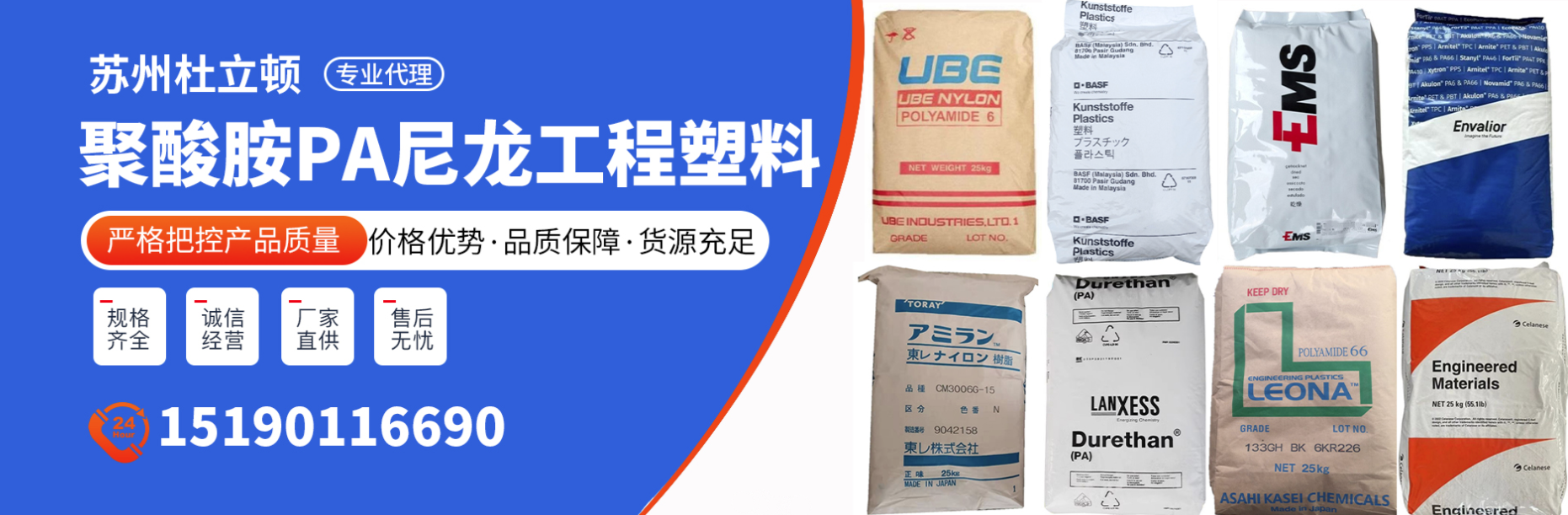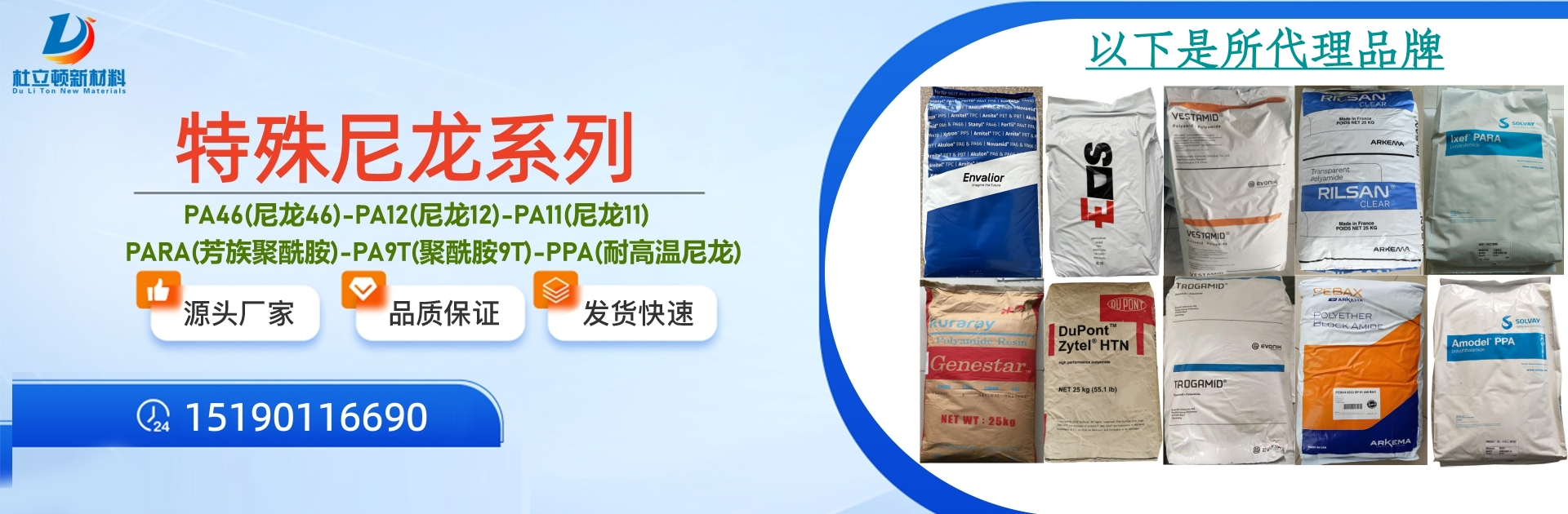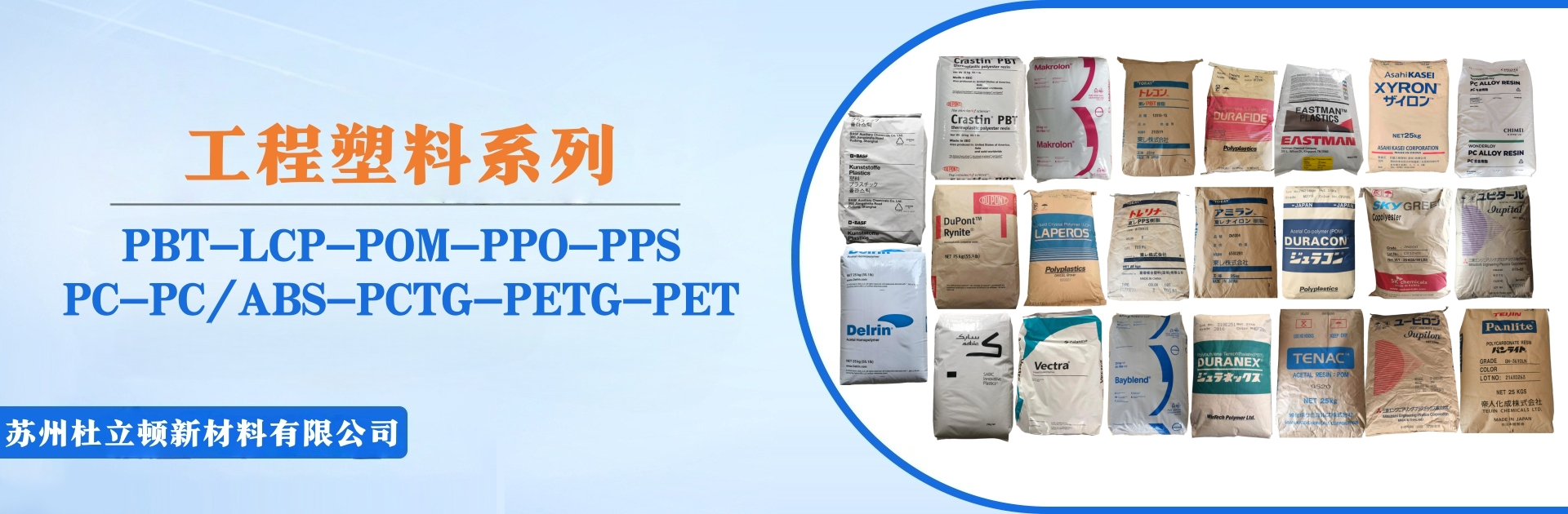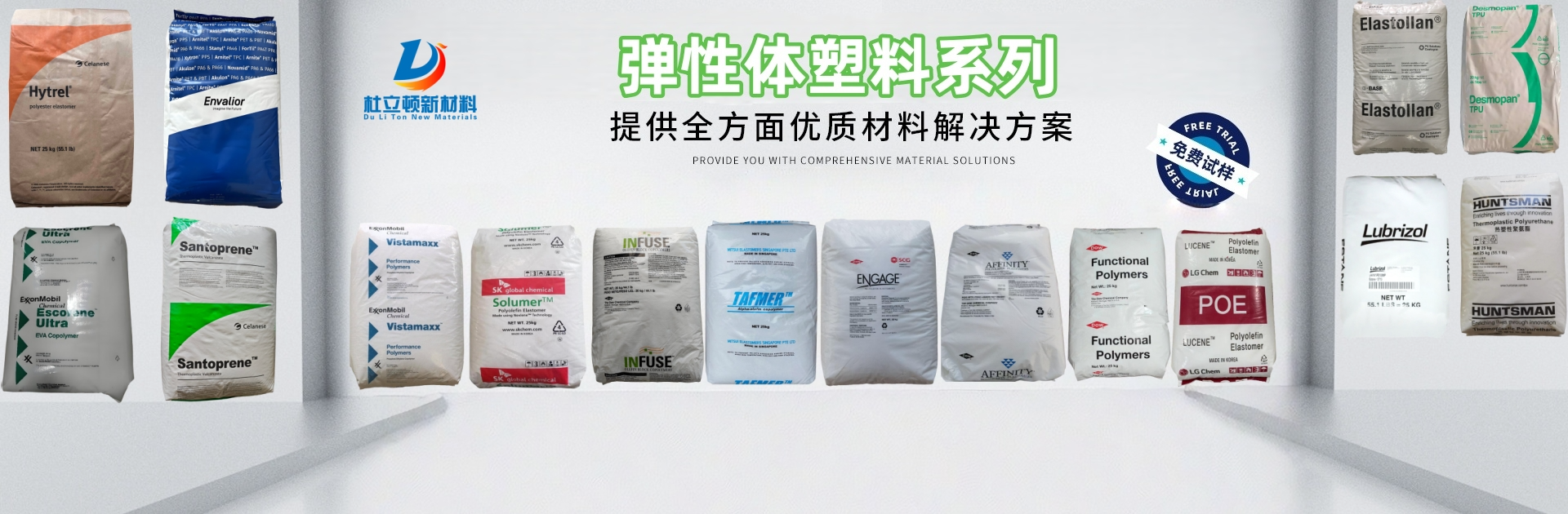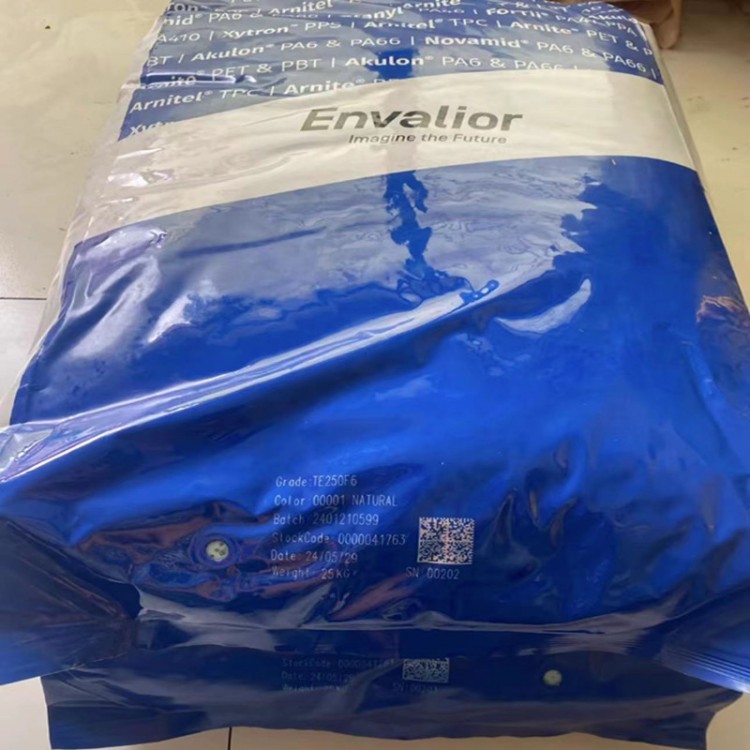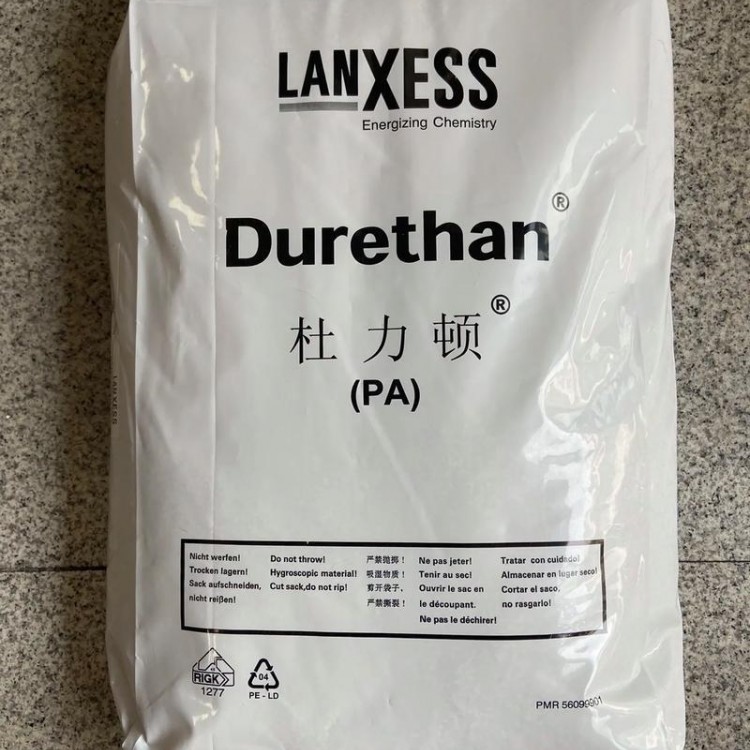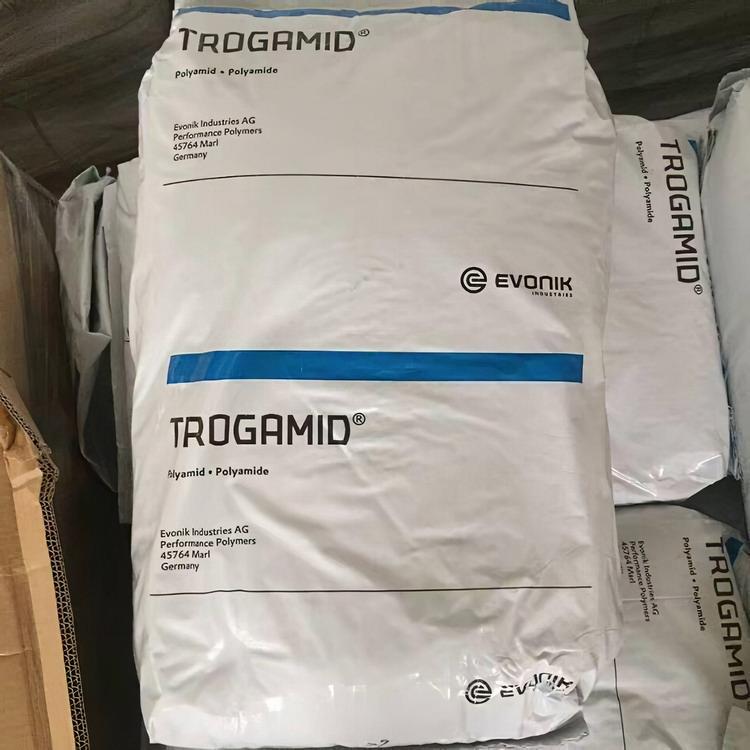
PA46-PA12-PBT-POM-PA66-PA6-PPA-POM-PA9T-TPEE-TPU-POE plas...



EVA is a copolymer of ethylene and vinyl acetate, known in Chinese as Ethylene-Vinyl Acetate Copolymer (Ethylene-Vinyl Acetate Copolymer) or Ethylene Vinyl Acetate Copolymer, abbreviated as EVA. The content of vinyl acetate (VA) typically ranges from 5% to 40%. Compared to polyethylene (PE), EVA, with the introduction of vinyl acetate monomer into its molecular chain, reduces high crystallinity, enhancing toughness, impact resistance, filler compatibility, and thermal sealability. It is widely used in the production of foam footwear materials, functional greenhouse films, packaging molds, hot melt adhesives, wire and cable, and toys. The applications of EVA are quite extensive, with China's annual market consumption continually increasing, especially in the shoe industry, where it is used in the soles and interior materials of high-end tourist shoes, hiking boots, slippers, and sandals. It is also widely used in the new energy field, such as photovoltaic materials and solar cell adhesives.
EVA Properties
EVA is a copolymer made from LLDPE (linear low-density polyethylene) and vinyl acetate (VA).
EVA Aggregation Method:
High-pressure Molding Polymer (Plastic Products)
2. Solution Polymerization (PVC Processing Aid)
3. Emulsion Polymerization (Adhesive Products)
4. Suspended Aggregation
Vinyl acetate (VA) contents exceeding 30% are processed using emulsion polymerization.
Low-Vinyl Acetate (VA) content is processed using high-pressure bulk polymerization.
Key Factors Influencing EVA Performance:
Melt Index (MI, also known as Melt Flow Index)
2. Content of VA% Acetic Acid
The melt index (MI) being constant, the higher the vinyl acetate (VA) content, the greater the elasticity, softness, solubility, and transparency. As the VA content decreases, its properties approach those of polyethylene (PE), with increased rigidity, improved wear resistance, and enhanced electrical insulation.
When the content of VA remains constant, an increase in Melt Index (MI) leads to a decrease in softening point, improved processability, and surface luster, although strength will decrease. Otherwise, as the MI decreases, the molecular weight increases, enhancing impact resistance and resistance to environmental stress cracking.
EVA boasts excellent softness, rubber-like elasticity, and retains good flexibility at -50°C. It also features transparency, surface luster, good chemical stability, resistance to aging and ozone, and is non-toxic. It has good compatibility with fillers, coloring, and molding properties. The polarity of the acetic acid group increases elasticity and viscosity, while decreasing crystallinity and electrical properties. It is soluble in hydrocarbons and oils.
EVA Applications
1. Widely used in the fields of foam shoe materials, functional greenhouse films, packaging molds, hot melt adhesives, electrical cables, and toys.
2. EVA products with vinyl acetate content ranging from 5% to 10% include elastic films, etc.
3. Ethylene Vinyl Acetate (EVA) with a content of 20~28% is primarily used in hot melt adhesives and coated products.
4. Ethylene acetate content ranges from 5% to 45%, with main products including films (such as agricultural films), sheets, injection and molding products, foamed products, hot melt adhesives, etc.
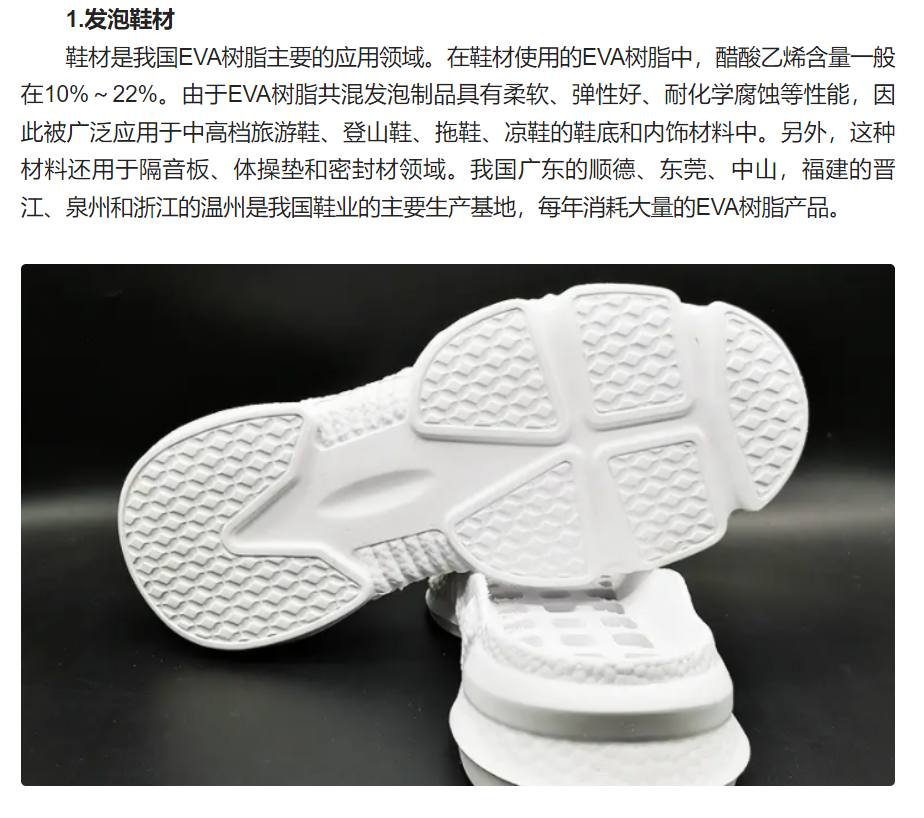
(1) Foam Footwear Materials. Footwear is one of the primary applications for EVA resins in China. The vinyl acetate content in the EVA resins used for footwear typically ranges from 15% to 22%. Due to the softness, good elasticity, and resistance to chemical corrosion of EVA resin blended foamed products, they are widely used in the soles and interior materials of high-end tourist shoes, hiking boots, slippers, and sandals. Additionally, this material is also utilized in soundproofing panels, gymnastics mats, and sealing materials.
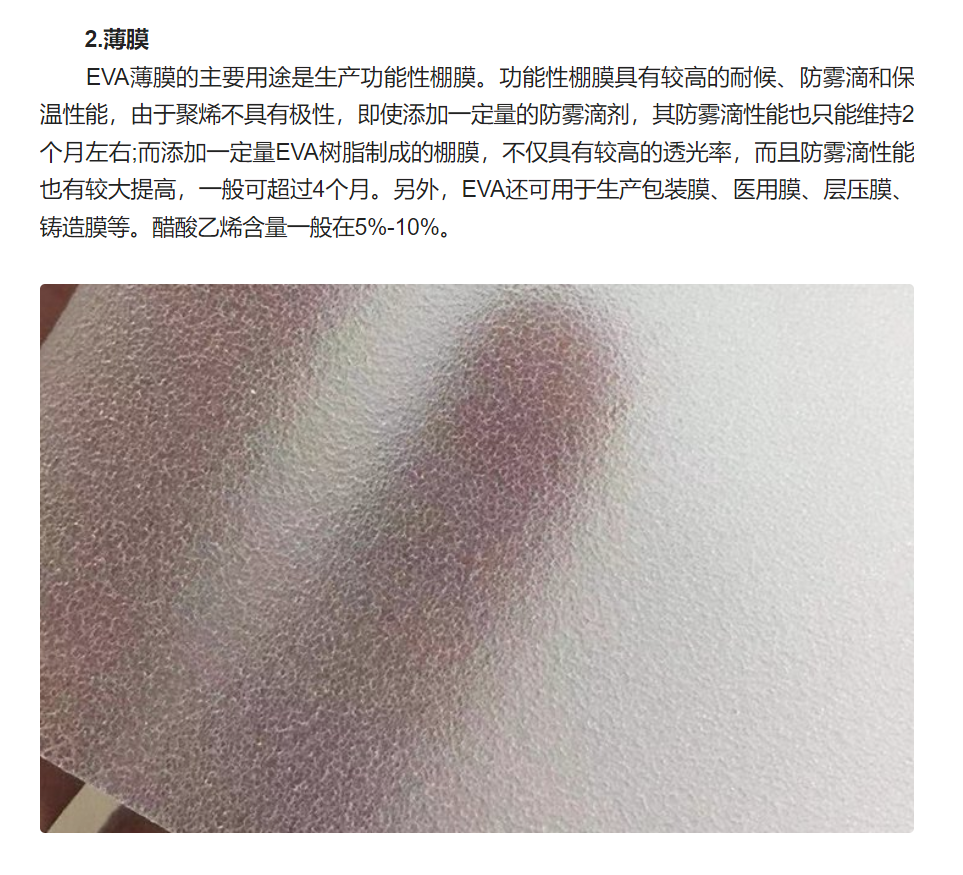
(2) Film. The primary use of EVA film is in the production of functional greenhouse films. Functional greenhouse films offer high weather resistance, anti-dewdrop, and thermal insulation properties. Since polyethylene is non-polar, even with the addition of a certain amount of anti-dewdrop agents, its anti-dewdrop performance can only last for about 2 months. However, greenhouse films made with a certain amount of EVA resin not only have a higher light transmission rate but also significantly improved anti-dewdrop properties, typically exceeding 4 months. Additionally, EVA can be used to produce packaging films, industrial films, laminated films, casting films, and more.
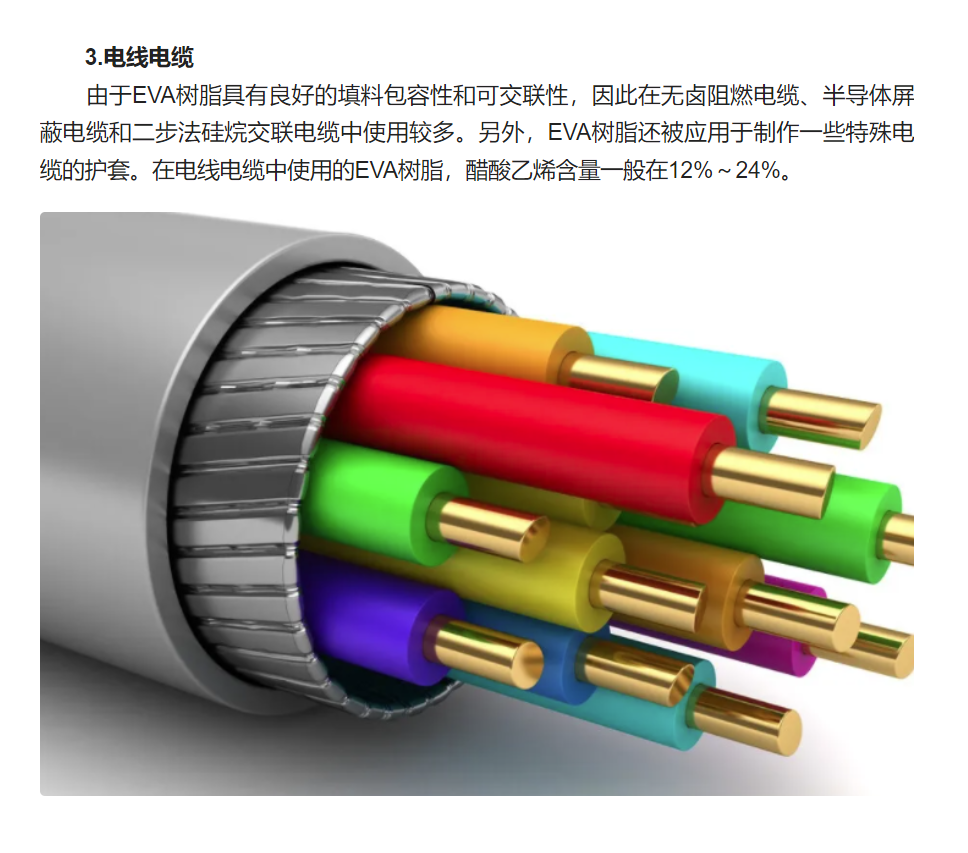
(3) Wire and Cable. With the continuous development of computer and network engineering, due to considerations for the safety of machine rooms, there is an increasing use of halogen-free flame-retardant cables and silicone cross-linked cables. EVA resins, with their good filler compatibility and cross-linkability, are widely used in halogen-free flame-retardant cables, semiconductor shielded cables, and two-step silicone cross-linked cables. Additionally, EVA resins are also applied in the sheathing of some special cables. The EVA resins used in wire and cable typically contain 12% to 24% vinyl acetate.
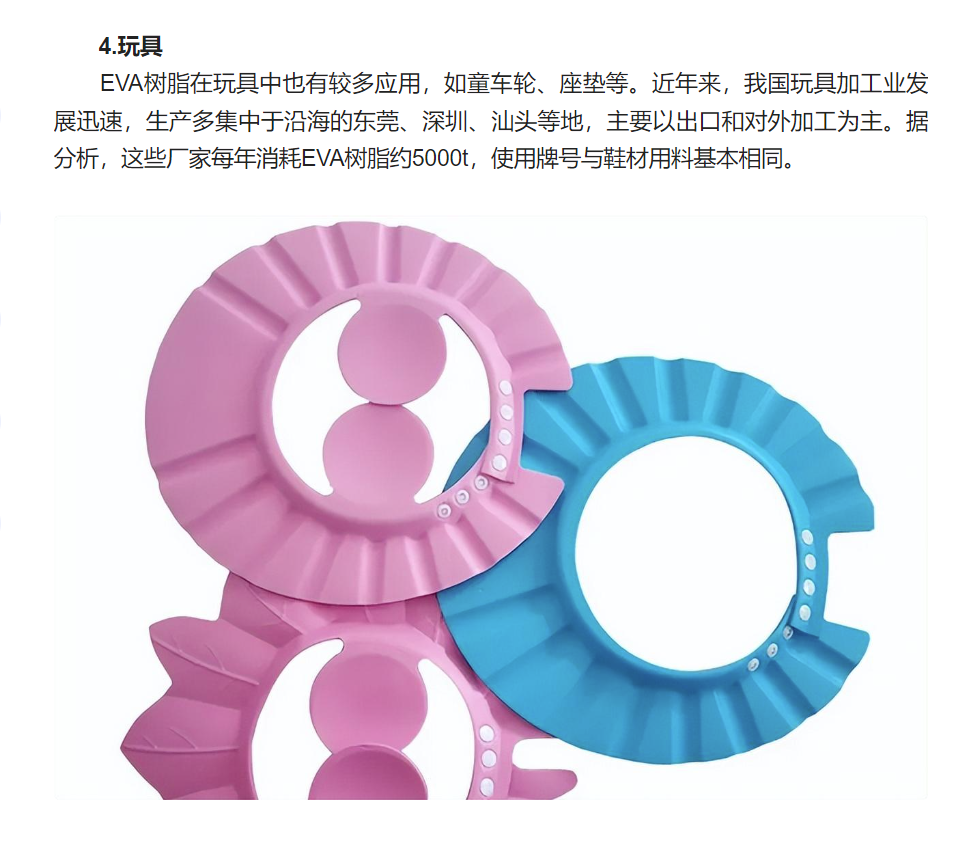
(4) Toys. EVA resin is also widely used in toys, such as children's wheelies and cushions.
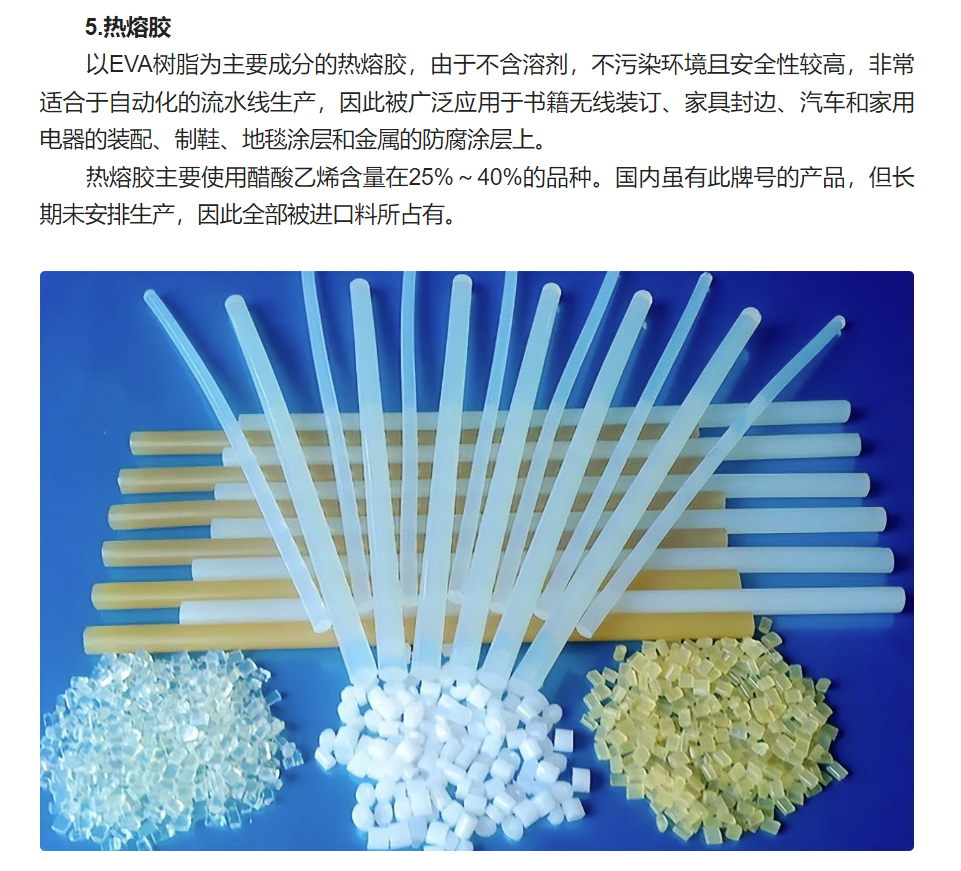
(5) Hot Melt Adhesives. Hot melt adhesives primarily composed of EVA resins are highly suitable for automated production lines due to their solvent-free nature, environmental friendliness, and safety. They are widely used in book binding, furniture edging, automotive and household appliance assembly, shoe manufacturing, carpet coating, and corrosion protection for metals.
(E) Other. EVA resin also has a relatively wide application in areas such as inks, luggage, and wine bottle pads, with an estimated consumption of not less than 15 kt in these fields.
Categorized by use:
(1) Films, Sheets, and Laminates: Featuring sealing, adhesive, softness, toughness, and shrinkage properties, suitable for elastic packaging films, heat-shrinkable films, agricultural films, food packaging films, laminated films, and can be used as the intermediate layer in polyolefin laminated films.
(2) General Goods: Features excellent flexibility, resistance to environmental stress cracking, and climate resistance, making them suitable for industrial materials such as electrical wire insulation sheath, home appliance accessories, and window sealing materials.
(3) Our daily necessities category includes sports equipment, toys, cushions, belts, sealed container lids, and EVA rubber soccer balls.
(4) Automotive accessories include shock absorbers, mud flaps, and interior and exterior decorative parts.
(5) Foam Products: Pressurized foaming includes foam plastic slippers, sandals, building materials, etc. Injection foaming features various industrial components, women's shoe soles, hot melt adhesives, and more.
Ethylene-Vinyl Acetate Copolymer (EVA) Molding and Processing
EVA is suitable for injection molding, extrusion, blow molding, calendering, roller molding vacuum heat forming, foaming, coating, hot sealing, welding, and other forming processes.
EVA Plastic Brand
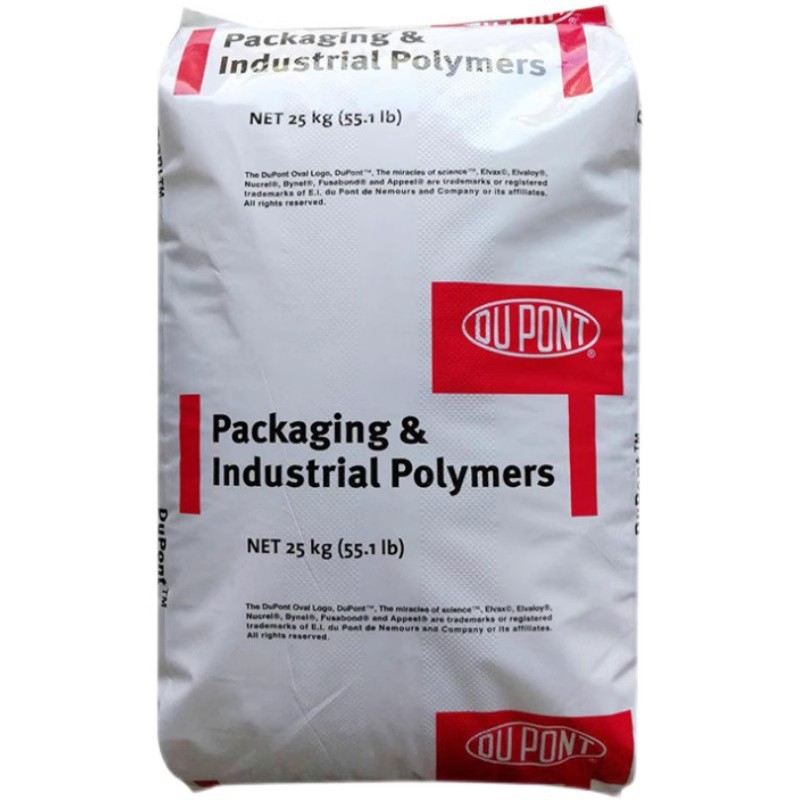
EVA DuPont Grades: An Overview of Their Properties and Applications
DuPont EVA 150 VAC with 30% content, MI: 33, suitable for adhesive and blended products.
DuPont EVA 200W features a 28% VAC content and a MI of 2500, ideal for processing and strength, suitable for hot melt adhesives and coatings.
DuPont's EVA 205W with 28% VAC content and MI: 800 is ideal for processing and strength, suitable for hot melt adhesives and coatings.
DuPont's EVA 210 VAC content: 28%, MI: 400 for low molecular weight and high gloss. Used in hot melt adhesives.
DuPont EVA 220, with a 28% VAC content and MI of 150, is suitable for adhesive and compound products.
DuPont EVA 230 VAC content: 28%, MI: 110 for adhesives and compounded products
DuPont EVA 240 VAC with 28% VAC content, MI: 43 for adhesive and compound applications
DuPont EVA 250 VAC with 28% content, MI: 25, for adhesive and blending products
DuPont EVA 260 with 28% VAC content, MI: 6 for specialized product needs
DuPont EVA 265 with 28% VAC content and MI:3 is used for specialized products.
DuPont EVA 310 with 25% VAC content, MI: 400, is used for medium molecular weight applications with the lowest viscosity.
DuPont EVA 350 VAC with 25% content and MI:19 is suitable for blending with grade 460, yielding materials with various hole sizes and shoe applications.
DuPont EVA 360 VAC with 25% VAC content, MI:2 is suitable for blending with brand 460, resulting in materials with various hole sizes and shoe applications.
DuPont EVA 3130VAC with 12% content, MI: 2.5, for injection grade, relative density 0.940
DuPont EVA 3135 with 12% VAC content and MI of 0.25 is suitable for extrusion use, film grade, with a relative density of 0.930.
DuPont's EVA 40W, with a 40% VAC content and MI of 65, is used for blending resins, adhesive raw materials, and other products such as laminating adhesives and inks.
DuPont EVA 460 VAC content: 18%, MI: 2.5 - Soft, suitable for footwear and soles.
DuPont EVA 470 with 18% VAC content and MI of 0.7 is suitable for blow molding hollow products.
DuPont's EVA 500W features a 14% VAC content and a MI of 2500, offering excellent processability and strength. Ideal for hot melt adhesives and coatings.
DuPont EVA 550 with 15% VAC content, MI: 8 for injection grade.
DuPont's EVA 560 VAC with 15% VAC content and MI of 2.5 is used for blending resins, adhesive raw materials, films, and other products.
DuPont EVA 565 VAC with 15% content, MI: 1.5 for footwear and insole products
DuPont EVA 650 with 12% VAC content, MI: 8 for injection molding and similar products
DuPont EVA 660 with 12% VAC content and MI of 2.5 is used for hollow molding, foam molding, and extrusion products.
DuPont EVA 670 with 12% VAC content and MI of 0.3 is used for hollow molding, foam molding, and film products, etc.
DuPont EVA 750 VAC with 9% VAC content, MI: 7, is suitable for extrusion, injection molding, and profile products.
DuPont's EVA 760 VAC with 9.3% VAC content and MI: 2 is suitable for extrusion applications, such as profiles and other products.
DuPont's EVA 770 VAC with 9.5% VAC content and MI of 0.8 is suitable for extrusion applications, such as profiles and pipes.
EVA Dupont models in the U.S. are numerous and not listed one by one. For more information on models, performance, and applications, please contact us!
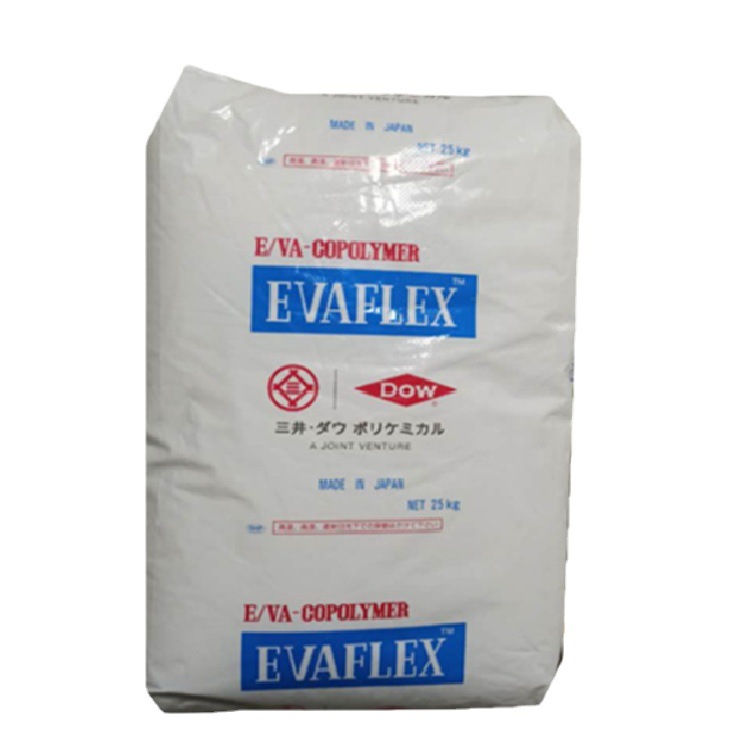
EVA Mitsubishi Chemical EVAFLEX Series Resins
Supplying EVA from Mitsui Chemicals, 260, VA content with 28 melt index.
2. Supplying EVA from Mitsubishi Chemical, 150 VA content, MFI 30, hot melt grade
3. Supplying EVA from Mitsubishi Chemical, 250 VA content, MFI 25, hot melt grade
4. Supplying EVA from Mitsubishi Chemical with 28% VA content and a melt index of 400, thermal melt grade
5. Supplying EVA from Mitsubishi Chemical, 220, VA content 28, Melt Index 150, Hot Melt Grade
6. Supplying EVA from Mitsubishi Chemical, with 40W, 40% VA content, and 65 MFI (Melting Index) thermal grade.
7. Supplying EVA from Mitsubishi Chemical: 240, 51A, 51B,
8. Supplying Mitsubishi Chemical EVA with 560 g/10 min, 14% VA content, and MFI 3.5
Supplying EVA from Mitsubishi Chemical, 550 grade, with 14% VA content and 15 melt index.
10. Supplying EVA from Mitsubishi Chemical, 460, 14% VA content, MFI 2.5
11. Supplying EVA from Mitsubishi Chemical, 450, with 18% VA content, MFI 150
Supplying Mitsui Chemicals EVA with 25% VA content, MFI 2
Supplying Mitsubishi Chemical EVA with 410 VA content and melt index of 500, thermal melting grade.
14. Supplying Mitsubishi Chemical EVA with 420 VA content and 150 melt index, heat melting grade
15. Supplying Mitsubishi Chemical EVA with 265 VA content and 3 melt index
16. Supplying Mitsui Chemicals EVA with 28% VA content and 200 melt index, heat melting grade
17. Supplying Mitsui Chemicals EVA with 620 VA content and melt index of 2
Mitsui Evaflex EVA, select models:
EVA40W、150、210、220、250、260、310、360、410、420、421、450、460、550、560、K706N、P0607、P0803、P1207、
P1403、P1405、P1407、P1450、P1905、P1907、P2505、P2805、P2807、P3307、V5254
www.114global.com © Zhongshang 114 Hebei Network Technology Co., Ltd.Address: Room 6009, Oriental New World Center, No.118 East Zhongshan Road, Qiaoxi District, Shijiazhuang City, Hebei ProvincePlatform Service Hotline: 4006299930