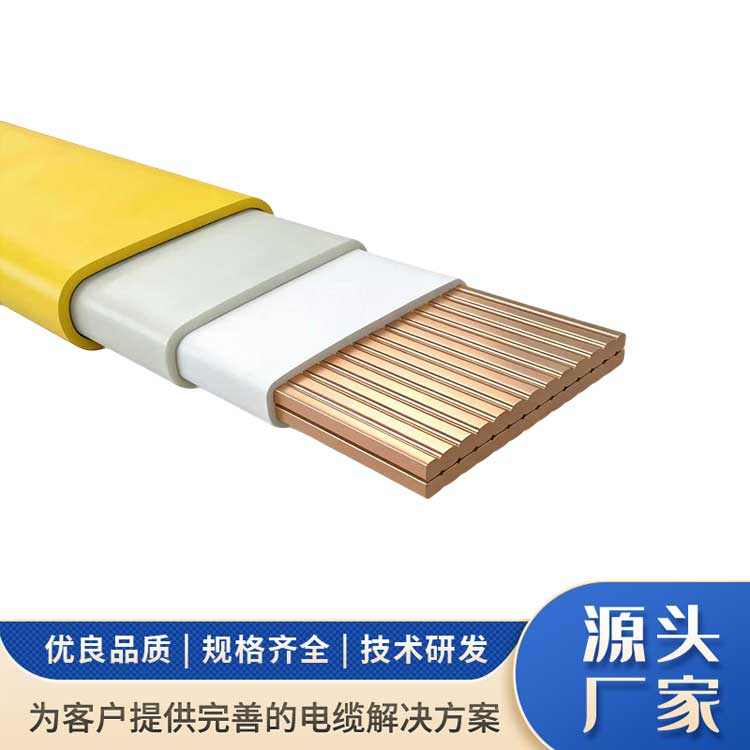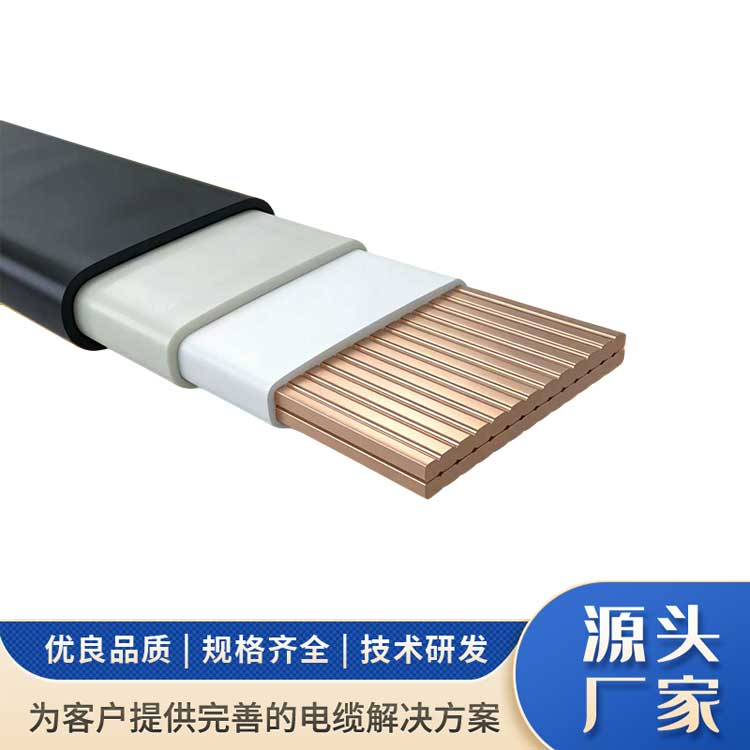

Dedicated to providing the industry with efficient and re...

The grounding system for the railway's underground installations has been integrated into a single unit through grounding wires: The grounding system consists of grounding systems, grounding systems, grounding systems, grounding systems, grounding systems, grounding systems, grounding systems, and grounding systems.
Traction Power Return Systems, Power Supply Systems, Signaling Systems, Communications, and other Electronic Information Systems. Grounding devices for buildings, ballasts, platforms, bridges, tunnels, noise barriers, and more.
Conduction Ground Wire: It is also the main circuit for traction return current. In principle, it is a shared grounding system, formed by equipotential connections to constitute the equipotential bodies of railways, subways, or light rail. Essentially, it is equivalent to a large copper rod with good conductivity.
The comprehensive grounding system is composed of the following components: ground wires passing through the ground. The grounding devices and leads of each equipment make up the system. The main body is the continuous grounding wire laid on both sides of the line, taking full advantage of the grounding devices within the structures of bridges, tunnels, and roadbed sections along the line to form a low-resistance, equipotential comprehensive grounding platform. Metal structures within a 5-meter range of the electrified overhead contact wire and facilities requiring grounding should be connected to the comprehensive grounding system. The grounding devices of railway equipment buildings within a 20-meter range on both sides of the line should also be connected to the comprehensive grounding system. For third-party facilities (public buildings, public power systems, metal pipelines, etc.) that are inconveniently connected to the railway comprehensive grounding system at the same potential, reliable isolation or insulation measures must be implemented.
The ground wire material goes through: Pure copper strands insulated with insulating cables, 50mm², 70mm²: The drawback is that the ground wire should have full contact with the soil, but the insulation severely hinders discharge, affecting the grounding effect. If some manufacturers claim that their sheath is conductive, then their sheath serves no purpose, so it's best not to use them.
Galvanized Flat Steel: 40 x 4 or 50 x 5 flat steel. Its drawback is severe corrosion, especially for high-speed rail. The lifespan of subway usage is over 50 years, while the lifespan of galvanized flat steel is generally only 7-10 years. Copper-plated Round Steel: 521964 4W (8mm), 5238 GW (10mm), 5213 GW (13.4mm), with good conductivity, tensile strength, effective corrosion resistance, and good anti-theft performance.


www.114global.com © Zhongshang 114 Hebei Network Technology Co., Ltd.Address: Room 6009, Oriental New World Center, No.118 East Zhongshan Road, Qiaoxi District, Shijiazhuang City, Hebei ProvincePlatform Service Hotline: 4006299930