A comprehensive biotechnology development company integra...

Development Overview of External Fixation for Fractures of the Clavicle
The traditional splint fixation therapy, a precious heritage from our ancestors in treating fractures, has stood the test of time since ancient times. In the past two decades, through the integration of traditional Chinese and Western medicine, this therapy has been further developed and improved in clinical practice, achieving new advancements. This article briefly summarizes the following based on relevant literature:
I. A Review of External Fixation for Plateau Fractures
Traditional Chinese orthopedics has a long and profound history. Over the centuries, medical practitioners have developed numerous practical fixation methods through long-term clinical practice. As early as the Zhou Dynasty, there was a specialized branch called "Zhe You" (fracture and abscess), suggesting that people at that time had the initial methods for stabilizing bone fractures. In the Jin Dynasty, Ge Hong, in his book "Elbow Post Emergency Prescription," innovatively used bamboo plates to fix fractures, thereby pioneering the history of external fixation with small splints for bone fractures.
The "Secret Formula for Treating Fractures and Continuations" by Lao Dao Tang, a Tang Dynasty figure, is the first monograph on bone injuries in our country. It introduced for the first time the method of using cedar bark splints to fix bone fractures. It states, "For binding, use several sheets of cedar bark, tightly wrapping around the area, leaving a gap, and the binding must be done three times, ensuring it is tight." Furthermore, it advocates against binding areas like "the hollows where the feet turn," fearing that extension may be hindered later. Instead, it suggests wrapping the area with silk and then regularly exercising it. This illustrates the equal importance of locally immobilizing the injury and maintaining joint function, integrating the two into a holistic approach, thus laying the foundation for the principle of combining movement and rest in treating bone fractures.
During the Song and Yuan dynasties, the external fixation techniques inherited from the Tang Dynasty were utilized, selecting willow branches as the material for external fixation based on local conditions. After using a hanging method to realign vertebral fractures in "The Effective Prescriptions of World-Famous Doctors" by Wei Yilin, large mulberry and cedar bark plates were used to stabilize the fractures, preventing curvature. It is evident that a correct and relatively reliable method of external fixation for kyphotic fractures of the spine had been developed during that time. The extensor fixation method in China during the 14th century is still used in clinical practice today.
During the Ming and Qing dynasties, numerous books on orthopedics were published. The representative work, "The Essentials of Fracture Setting," states: "In cases of falls and injuries, although manual techniques may be applied for adjustment, it is feared that they may not be fully appropriate, leading to the plight of treatment being as effective as no treatment at all. This cannot be said to be a thorough understanding of medical principles. Love because of the body's vertical and horizontal, and side profiles, to create devices to correct them, using auxiliary techniques where manual methods fall short, hoping to reunite what is divided, correct what is misaligned, lower what is elevated, and elevate what is sunken." This theoretically clarifies that external fixation not only maintains the effects of the reset position but also aids in the reset process.
During this period, anatomical knowledge of the skeletal system began to gradually move away from analogical imagery and towards development. Based on this, a variety of external fixation devices were established, elevating the proper application of fixation techniques to a new level. Among them, "The Essentials of Orthopedic Technique: General Discussion of Devices" summarized ten types of devices, such as bamboo poles, lumbar columns, bamboo screens, cypress fences, and knee-holding circles. However, the most significant advancement was the application of supra-articular splints in fractures of the elbow, wrist, and ankle joints.t21This method of fixation does not fully immobilize the joint, yet it effectively controls stress activities detrimental to bone healing, marking a significant advancement in the treatment of fractures in our country. The currently applied methods of super-articular external fixation and the patterned chain splint fixation are改良 and innovations of this technique.
In summary, the traditional splint external fixation therapy has always demonstrated an integrated view of movement and rest, providing us with valuable experience and beneficial insights for further exploring scientifically sound methods of bone fracture external fixation.
II. The Role and Principle of External Fixation Plates in Fracture Treatment
Throughout the history of fracture treatment both domestically and internationally, the oldest method was to bind several pieces of wood or bamboo strips to the fractured limb. It is evident that initially, the understanding and methods of fracture immobilization were consistent across cultures. However, with the development and breakthroughs in the West, the widespread application of plaster bandage technology and open internal fixation after the 19th century, there was a significant divergence in the choice of immobilization methods and viewpoints between traditional Chinese and Western medicine.
The perspectives of "extensive immobilization" and "complete rest" once dominated the international medical field, but they ultimately contradicted the physiological functions of limbs and the biomechanical properties of skeletal soft tissues, leading to an increasing number of complications such as "fracture disease." As a result, over the past three decades, Western scholars have begun to question these views, advocating for early functional activity while immobilizing. Although the fundamental understanding of fracture healing remains elusive, the key lies in managing the dialectical relationship between immobilization and activity. Based on this understanding, Chinese and Western orthopedic professionals in our country have, using modern sciences such as physiology, pathology, and biomechanics, developed a comprehensive new treatment method for fractures characterized by novel splint fixation. This method has enhanced the traditional Chinese medicine approach to fractures.
Modern research indicates that the combined approach of immobilization and movement in the treatment of fractures: ① Small splints can effectively prevent the displacement of fractured bones (immobilization), while muscle groups can contract more physiologically (movement); ③ Reducing internal or external rotational or angular forces to no longer impede or disrupt callus formation and union (immobilization), ④ Promoting the resolution of hematomas, absorption of edema, and early functional recovery (movement), ⑤ Ensuring the reciprocal promotion between neurons and muscles closely related to the repair of fractures (movement).[5]These arguments not only scientifically clarify the original understanding of our motherland, but also further enrich and perfect the modern histological perspectives on bone healing.
The mechanical principle of the small splint for fixing a fractured bone involves utilizing an equal but opposite external fixing force to counteract the tendency force for the fracture to realign. The principle includes: 1. The constraint force of the band on the splint, 2. The compressive stress of the pad on the fracture ends, 3. The necessary adhesive force to counteract the muscle tension causing the overlap and displacement of the fracture, and 4. Fully utilizing the intrinsic muscle contraction power of the limb, restoring the internal dynamic imbalance caused by the fracture to balance.
In promoting bone fracture healing, it is currently believed that after the application of a splint, when the upper and lower joints of the fractured area flex and extend, and the muscles along the longitudinal axis of the骨干 contract and relax, the resulting opposing compressive forces at the fracture ends vary in size. This antagonistic cyclic physiological effect can generate electrical effects, leading to callus formation. Additionally, through increased blood circulation and metabolism post-activity, it creates favorable nutritional conditions locally, which is conducive to calcium deposition and the growth of new cells. However, it is crucial to ensure that the local area remains effectively fixed during activity; otherwise, it may hinder the healing of the fracture.
Recently, scholars have conducted tests on the local external fixation mechanism of plywood using electrical measurement methods, which have preliminarily proven its biomechanical effects.
Section III: Clinical Applications and Innovations of External Fixation with Plating
The various external fixation methods established by generations of medical professionals have provided us with excellent references for clinical practice and research on fractures. In recent years, based on the inheritance, learning, and exchange, significant work has been carried out in the improvement of splints, the updating of equipment, and the development of traction fixation devices, yielding impressive results.
In the field of splint material selection, in addition to the traditionally used willow wood, cedar bark, and bamboo boards, we also selectively employ materials such as hard cardboard, plastic boards, and aluminum sheets, each with unique characteristics in terms of elasticity, sharpness, water absorption, and strength. By selecting or combining these materials, we can design a variety of splints with different shapes and forms to fit the limb's contours, suitable for fractures in many limb areas.
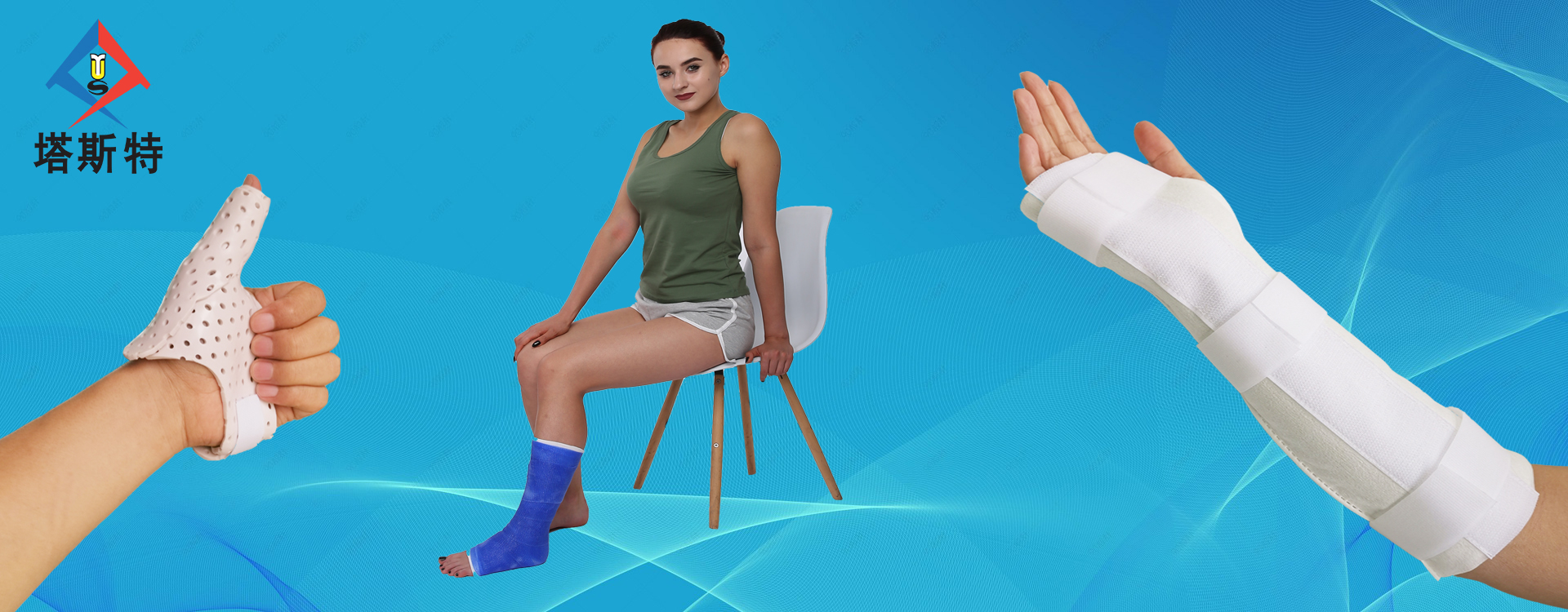
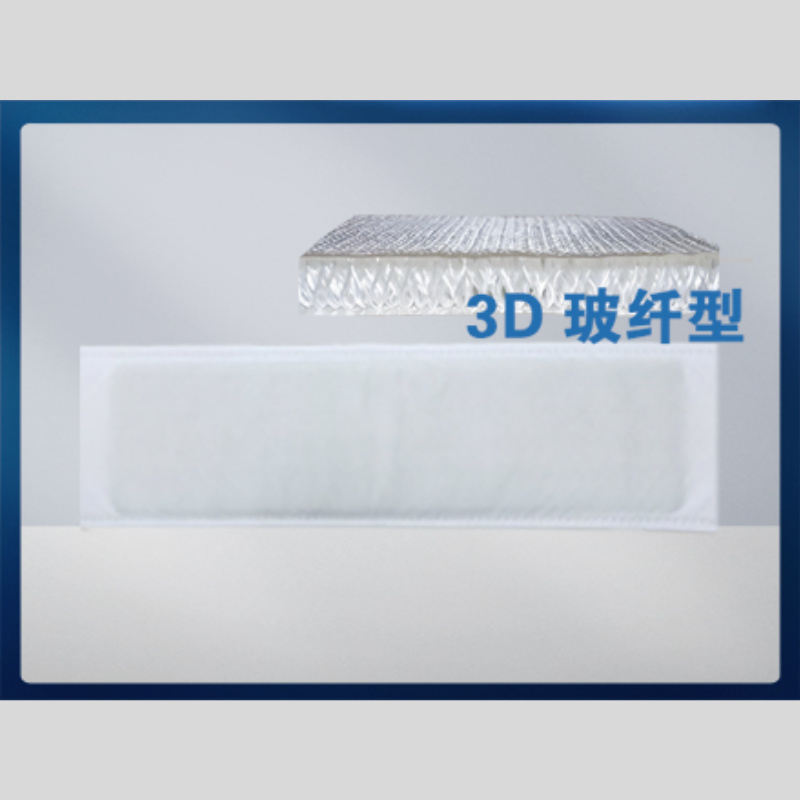
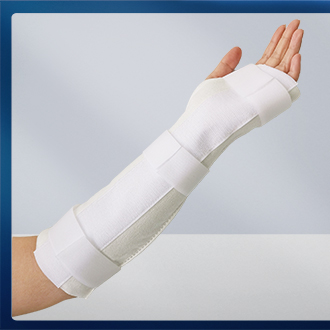
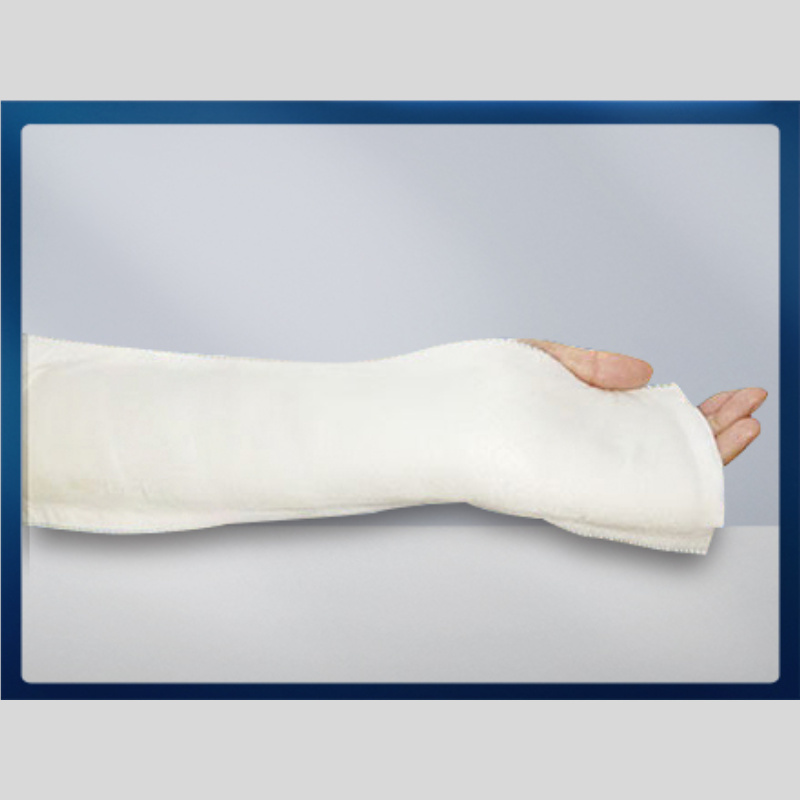
In recent years, new high polymer materials have emerged, including glass fiber high polymer sheets, polyester fiber high polymer sheets, and low-temperature thermoplastic sheets. They are easy to operate and convenient to use. Products such as the knee valgus/varus chain plates, wing-shaped plates, telescopic plates, elastic plates, straight bend paper plates with silk, and axillary tubes fully utilize the traditional solid characteristics of Chinese medicine, making them more conforming and reliable.
In the field of producing splinting apparatus and its devices, many units have gained experience in the combined use of traditional Chinese and Western medicine in treating fractures. Starting from biomechanical principles, they primarily focus on the fixation of intra-articular fractures, periarticular fractures, and lower limb fractures. This includes using abduction splints for neck femoral fractures, ratchet aluminum plates for fixation of diaphyseal fractures, and two-plate splints for non-stable tibia and fibula fractures. Additionally, the fracture reduction and fixation device is used for various refractory fractures, integrating fixation, reduction, and mobility. A variety of distinctive local splint fixation devices with steel needle traction have been showcased, and the application of these methods has yielded excellent results.
The development and clinical application of various fixation devices based on splints, which organically integrate the three steps of fracture reduction, fixation, and functional activity, fully demonstrates the holistic concept of our motherland. This approach effectively addresses the shortcomings and issues associated with solely using splints and pressure pads to fix joint fractures and unstable fractures, thereby expanding the scope of application.


www.114global.com © Zhongshang 114 Hebei Network Technology Co., Ltd.Address: Room 6009, Oriental New World Center, No.118 East Zhongshan Road, Qiaoxi District, Shijiazhuang City, Hebei ProvincePlatform Service Hotline: 4006299930