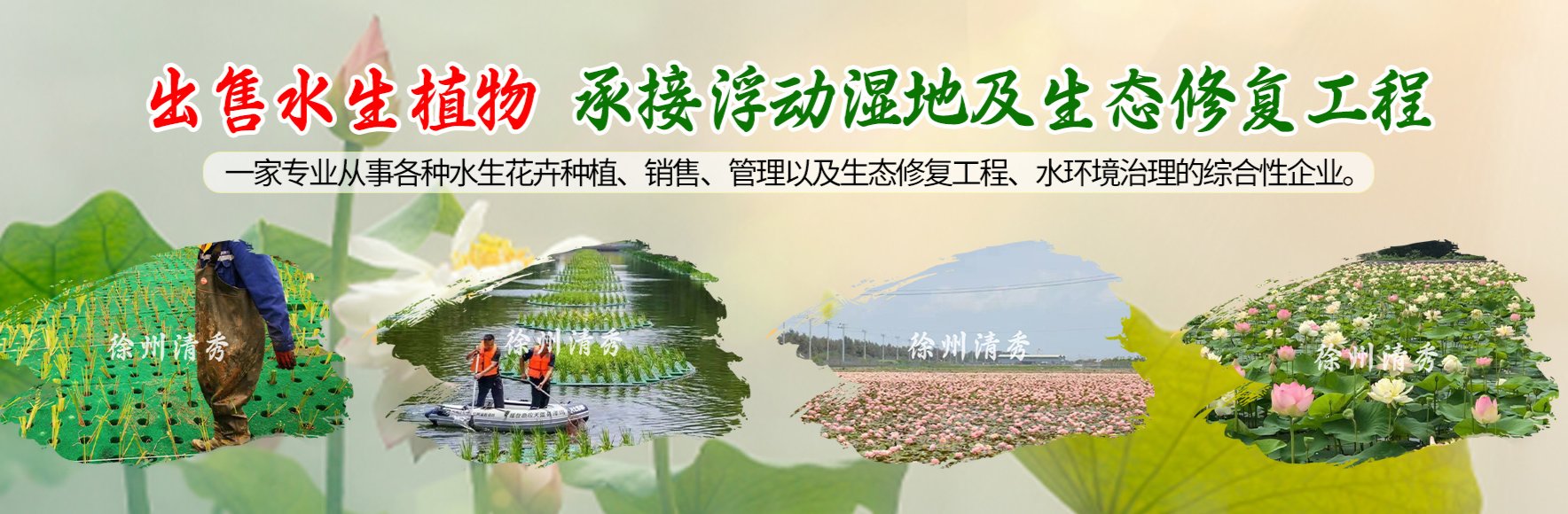

A comprehensive enterprise specializing in the cultivatio...



Product Recommendation
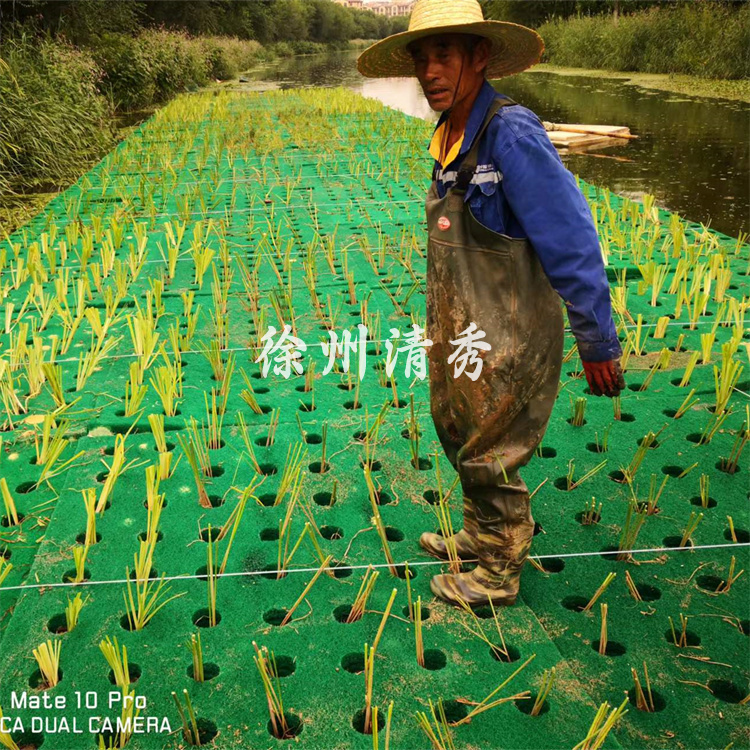
Floating Wetlands: Advanced Water Purification Technology, Creating a New Subaqueous Ecosystem Balance
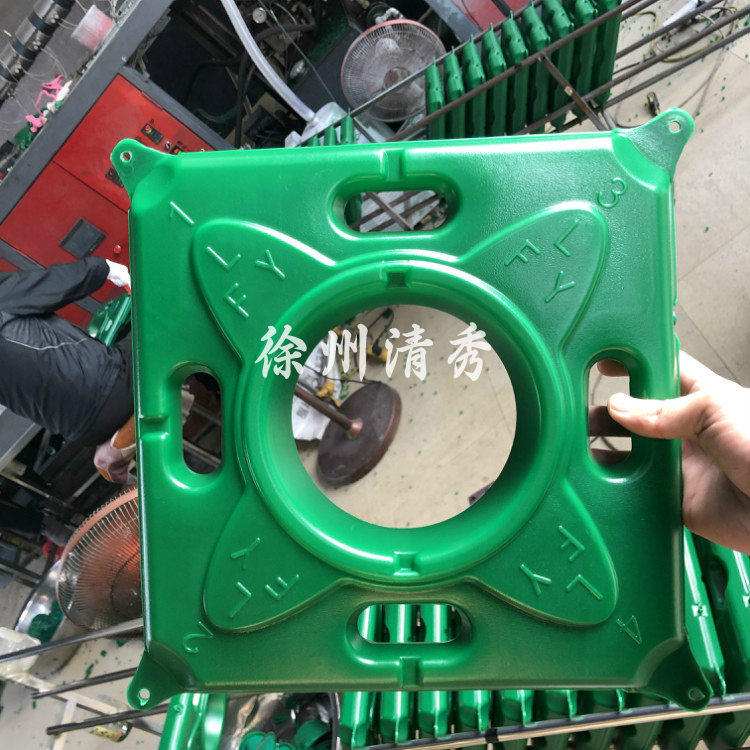
Ecological Floating Island: A dual benefit of water purification and landscape creation, essential equipment for aquatic restoration.
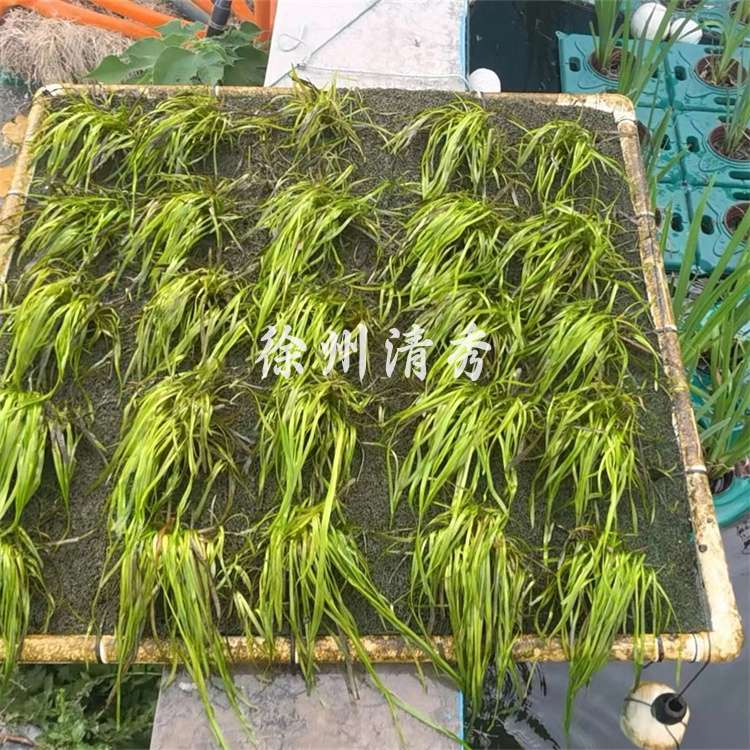
Ecological Submerged Bed: Core water purification equipment, aiding in the treatment of eutrophication in water bodies.
Floating Wetlands: Advanced Water Purification Technology, Creating a New Subaqueous Ecosystem Balance
Ecological Floating Island: A dual benefit of water purification and landscape creation, essential equipment for aquatic restoration.
Ecological Submerged Bed: Core water purification equipment, aiding in the treatment of eutrophication in water bodies.
How to Plant lotus flowers in detail
The cultivation method for lotus (bowl lotus) is different from that of other flowers. Since bowl lotus seeds are particularly hard, they require cracking treatment. Remember, there was an article that mentioned finding ancient lotus seeds in a pond, and they were still able to germinate, demonstrating the incredible protective power of the seed shell. Let's analyze step by step how to cultivate bowl lotus.
One, the seed husk of lotus seeds has a special structure that is hard and thick. After the seeds are fully mature and dry, water and air are not easily permeable, and the respiration rate is very slow, causing them to enter a state of enforced dormancy. This is why lotus seeds can remain buried in the soil for hundreds or even thousands of years without germinating or rotting, which is the reason for their longevity. To allow the lotus seeds to absorb water and oxygen after sowing and break their enforced dormancy to enter the germination and growth stage, the seed husk must be cracked before the seeds are stratified.
Lotus seeds are orthotropous, with the embryo located at the top of the seed. When breaking the shell, the base of the seed, where it is attached to the receptacle, or the concave end of the lotus seed, should be cracked. This can be done using scissors or a vice. Before sowing, it is generally sufficient to abrade the fruit skin (the hard shell of the lotus seed) until the brown seed coat is visible. When cracking the shell, only create a 2-3 millimeter crack at the base to avoid injury to the embryo. After soaking the seeds for a day, once the embryo absorbs water and swells, and the fruit skin softens, you can manually remove one-third of the fruit skin along the crack to expose the embryo, facilitating its growth. Note: Do not make the crack too large or numerous, as removing the entire hard shell of the lotus seed will leave the embryo unprotected, making it more susceptible to rot and death.
To germinate seeds, soak them in warm water around 50 degrees Celsius. The water used for soaking must be clean, free from grease and impurities, and should not exceed 50 degrees Celsius to avoid affecting germination. As the water temperature naturally drops, maintain it around 30 degrees Celsius, avoiding temperatures above 40 degrees or below 20 degrees. If the water temperature is above 40 degrees, although the seeds may germinate quickly the first day, their growth will be suppressed later. When the water temperature is below 20 degrees, seed germination and growth will be excessively slow. For a small amount of seeds at home, you can use a thermos to maintain the temperature. Under 30 degrees Celsius, it usually takes 3 days for seeds to germinate, with the sprouts emerging from the crack. During this period, change the water 1 to 3 times a day and promptly remove seeds that do not germinate. Generally, if seeds do not germinate after 7 days, they will not germinate anymore. Seeds without germination ability often float to the surface of the water, with yellow sprouts and rotten, smelly cotyledons. (Seeds can also be soaked directly in tap water without using warm water or heating; it usually takes about two days for germination.)


www.114global.com © Zhongshang 114 Hebei Network Technology Co., Ltd.Address: Room 6009, Oriental New World Center, No.118 East Zhongshan Road, Qiaoxi District, Shijiazhuang City, Hebei ProvincePlatform Service Hotline: 4006299930