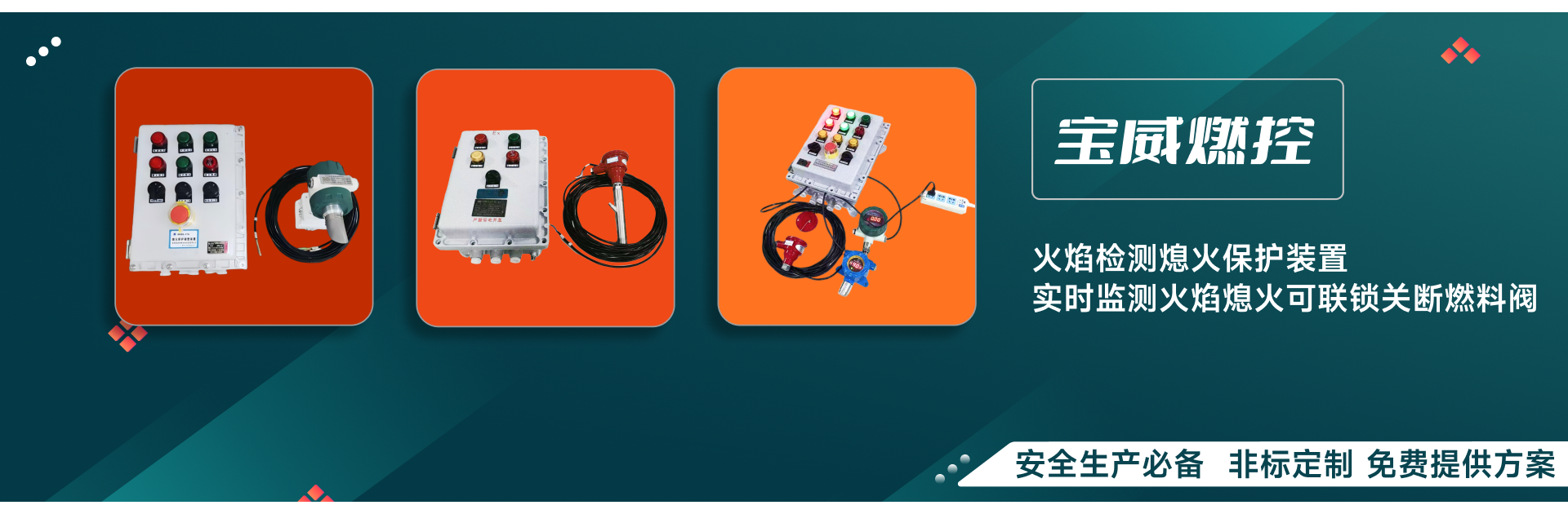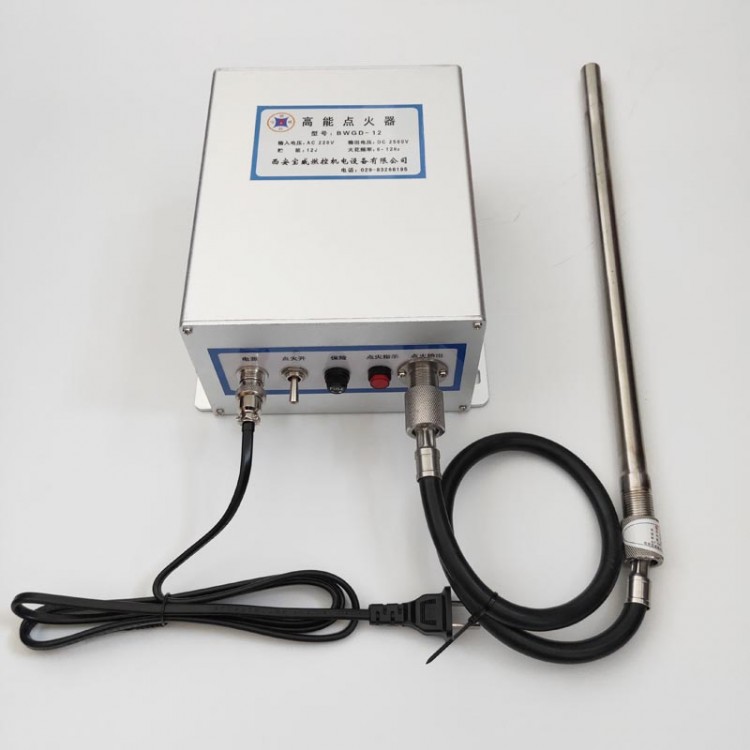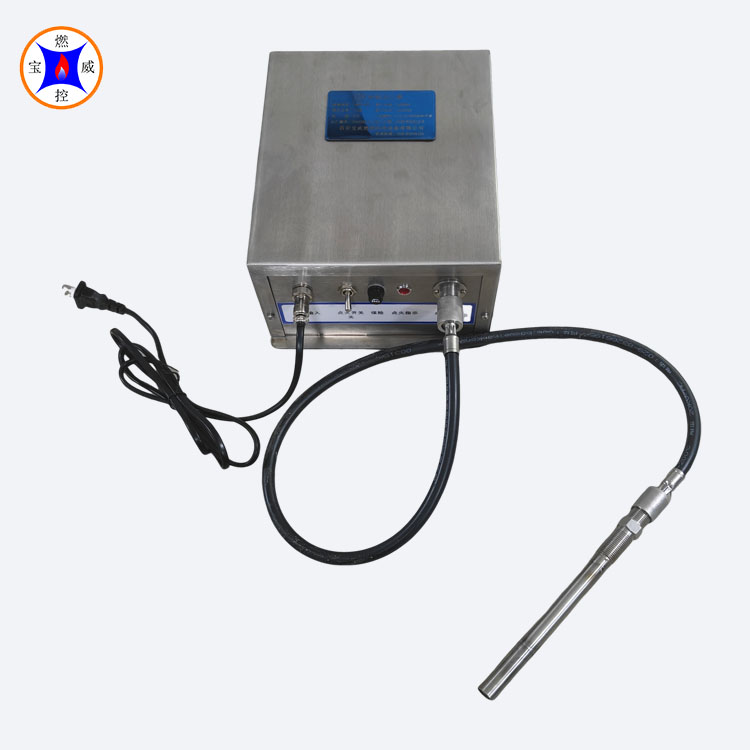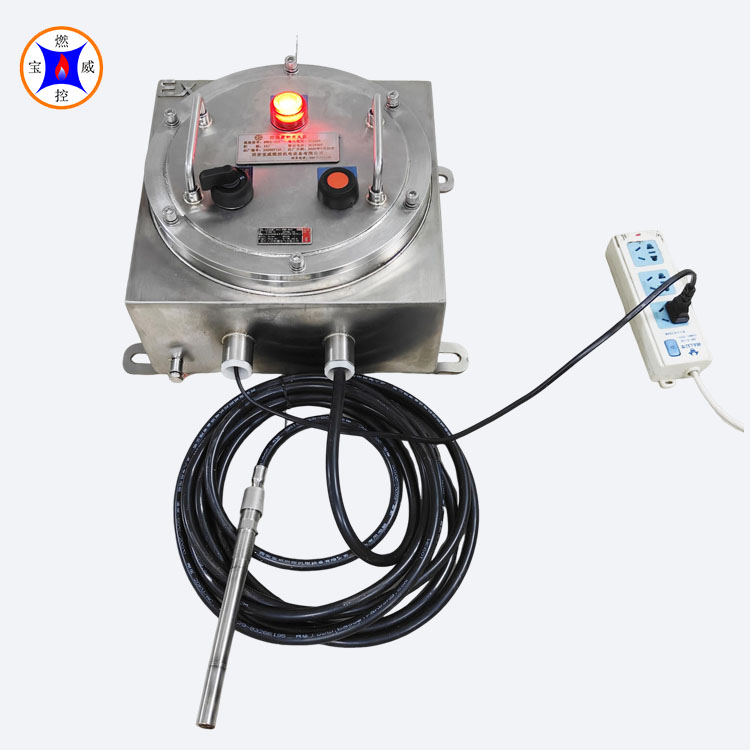

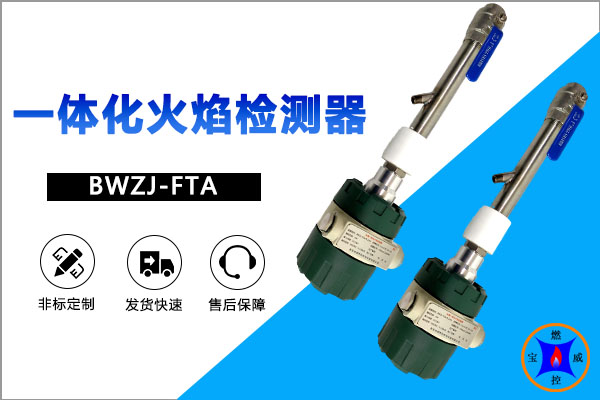
Integrated Flame Detectors, Explosion-Proof Flame Detecto...

When selecting an ultraviolet flame detector, we must consider multiple factors to ensure the chosen equipment can accurately and quickly detect flames while maintaining high stability and reliability in the operating environment. This article will elaborate on the aspects to consider when choosing an ultraviolet flame detector.
I. Understanding Product Structure and Working Principle
The ultraviolet flame detector is primarily composed of key components such as an ultraviolet sensor, signal processing circuit, microprocessor, and alarm device.Significant SectionsIt is an ultraviolet sensor capable of detecting specific wavelengths of ultraviolet radiation in flames and converting it into an electrical signal.
Evaluate Performance Parameters
1. Sensitivity and Stability
Sensitivity is a measure of the flame detector's responsiveness to flames.SignificantHigh-sensitivity detectors can detect weaker flame signals. Stability refers to the performance of the equipment over extended periods of operation. An excellent detector should maintain stable detection performance under the operating environmental conditions.
2. Interference Resistance
In practical applications, ultraviolet flame detectors may be subject to interference from natural light sources such as sunlight, fluorescent lights, or artificial light sources. Therefore, anti-interference capability is a factor that cannot be overlooked when selecting.
Section III: Consider Applicable Scenarios
Ultraviolet flame detectors have a wide range of applications, including petrochemical, power, coal, and gas industries. When selecting one, the appropriate type of detector should be determined based on the specific application scenario and requirements.
Section 4: Focus on Installation and Maintenance
Installation Location
The installation location of the detector significantly impacts its performance. It should be positioned away from detrimental environmental factors such as high temperatures, corrosive gases, and sources of electromagnetic interference to ensure the stability of the detector. Additionally, the monitoring range and field of view of the detector must also be considered.
2.Debugging
Upon completion of the installation, the detector must be calibrated to ensure proper operation and achieve the anticipated detection results. During the calibration process, focus on performance indicators such as sensitivity and response time, and adjust according to the actual situation.
3. Maintenance and Upkeep
Regular maintenance and care of the detectors are crucial for their long-term stable operation. Maintenance tasks include cleaning the sensors and checking electrical connections to prevent performance decline due to dust accumulation or wire aging.
In summary, selecting an ultraviolet flame detector requires a comprehensive consideration of factors such as product structure, performance parameters, applicable scenarios, installation, and maintenance. By carefully comparing and evaluating different brands and models, and aligning with specific application scenarios and needs, we can choose the UV flame detector that suits us best.。


www.114global.com © Zhongshang 114 Hebei Network Technology Co., Ltd.Address: Room 6009, Oriental New World Center, No.118 East Zhongshan Road, Qiaoxi District, Shijiazhuang City, Hebei ProvincePlatform Service Hotline: 4006299930