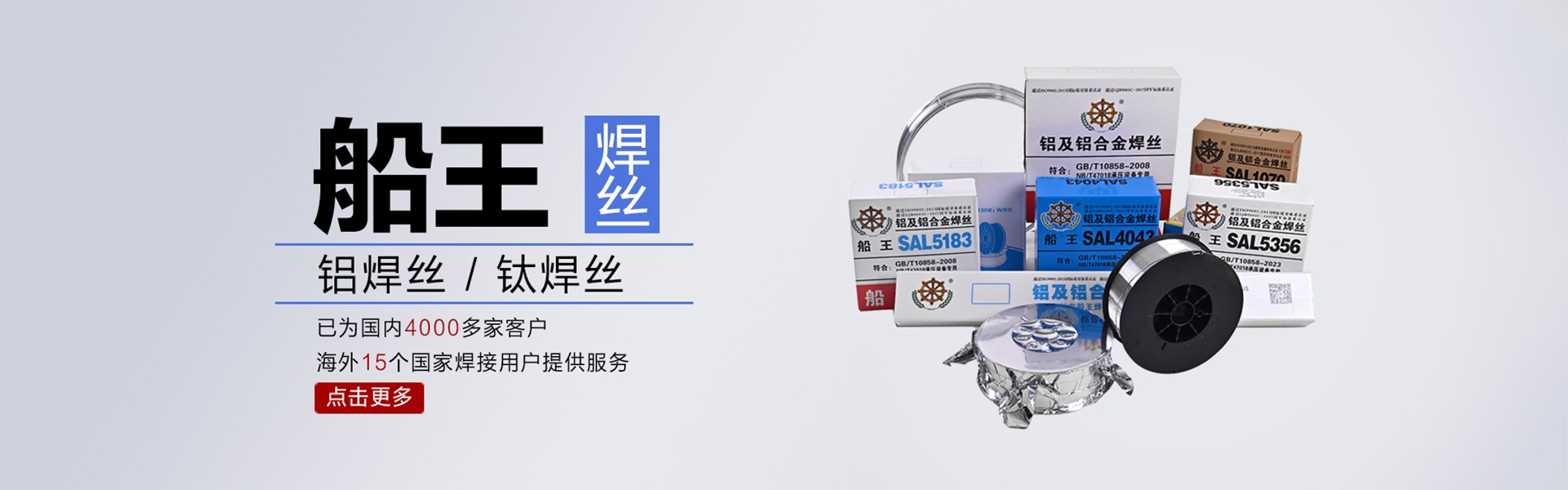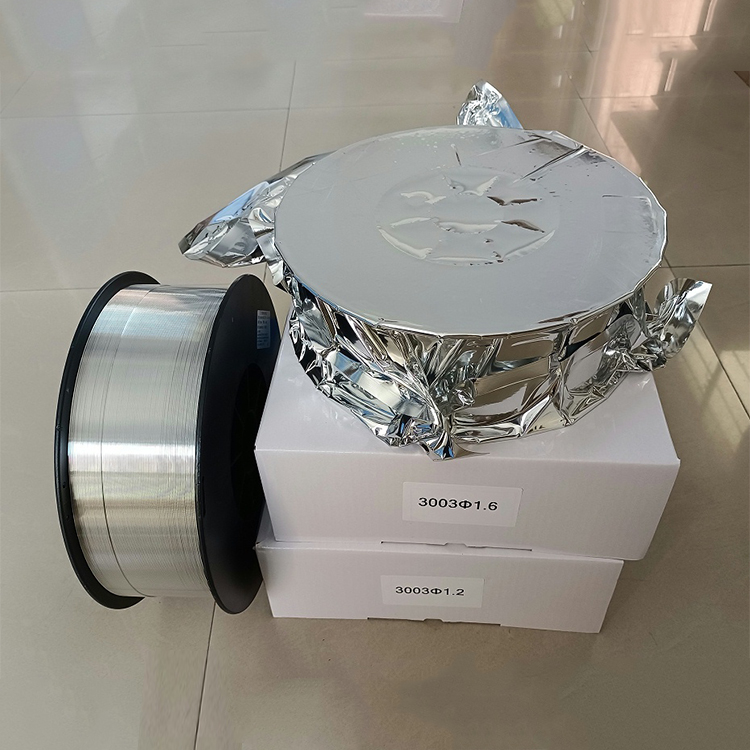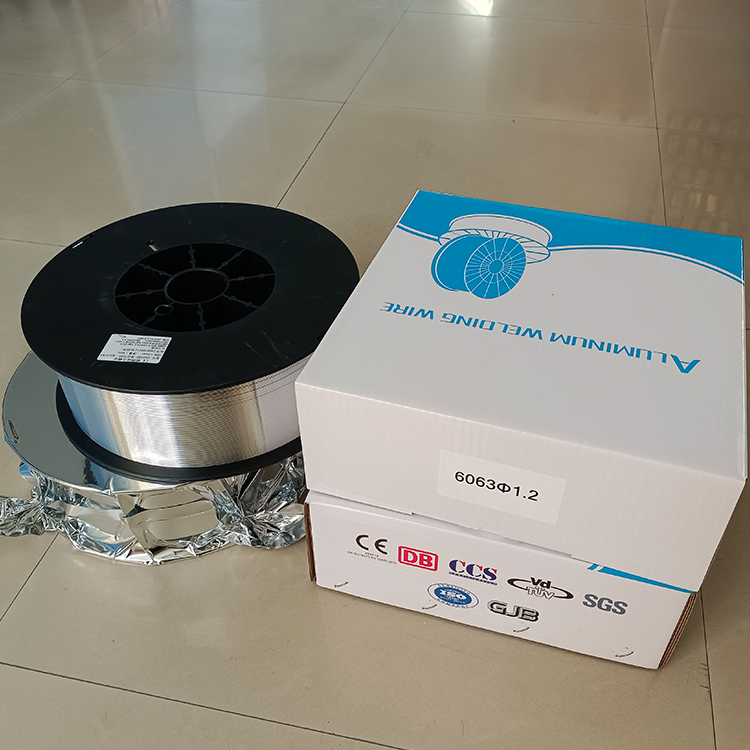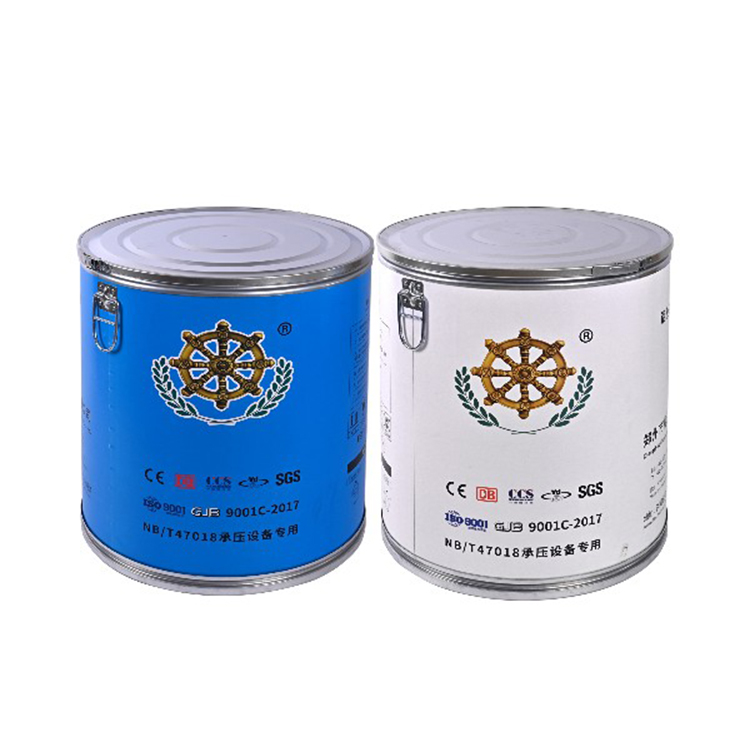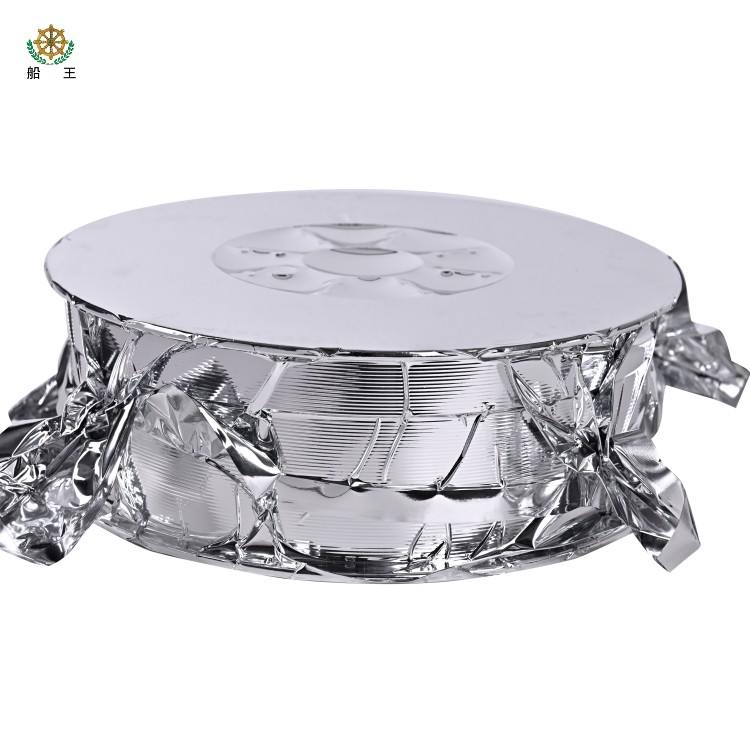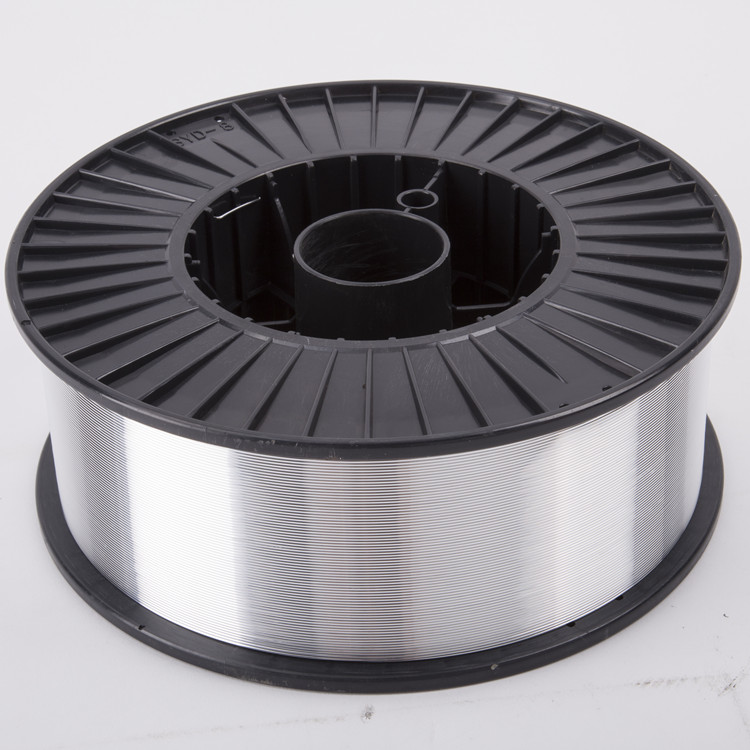

Focused on the research, development, and production of aluminum and aluminum alloy welding wires, later expanded to include titanium and titanium alloy welding wire products.
400-803-0676
InspectionAluminum Alloy Welding WireWelding quality can be assessed from various aspects such as appearance, dimensions, internal defects, and mechanical properties. The following are common testing methods:
1. Appearance Inspection
- **Visual Inspection**: Observe the weld seam surface with the naked eye or a magnifying glass for defects such as undercut, burn-through, incomplete penetration, cracks, and porosity.
- **Dimension Measurement**: Utilize micrometers, calipers, and other tools to measure the dimensions, angles, and spacing of welds to ensure they meet design specifications.
2. Sealing Integrity Testing
- **Hydrostatic Testing**: A method of checking the tightness of welds by pressurized water, suitable for welding containers.
- **Pneumatic Test**: Introduce compressed air into the container, apply soapy water to the weld seam surface, and observe for any bubble formation.
3. Non-destructive Testing
- **Radiographic Testing**: Utilizing X-rays or gamma rays to penetrate weld seams to detect internal defects such as pores and slag.
-Ultrasonic Testing: Detects internal defects such as cracks and pores by utilizing the propagation and reflection characteristics of ultrasound within welds.
- **Penetration Testing**: Utilizing penetrants with fluorescent or red dyes to detect defects on or near the surface of welds.
Magnetic Particle Inspection: Suitable for ferromagnetic materials, it detects surface or near-surface defects through the use of a magnetic field and magnetic particles.
4. Metallographic Testing
- **Macro Inspection**: Observe the macro structural organization of the weld.
- **Microscopic Inspection**: Observe the microstructure of the weld seam under a microscope to analyze for any abnormal grain growth or defects.
5. Mechanical Property Testing
- **Tensile Test**: Measures the tensile strength and elongation of the weld joint.
- **Bend Test**: Evaluates the plasticity and toughness of the weld joints.
- **Impact Test**: Evaluates the toughness of weld joints under low temperatures or dynamic loads.
6. Chemical Composition Analysis
Chemical Analysis Test: Inspects the chemical composition of welding wire and welds to ensure compliance with standard requirements.
7. Standard Comparison
We compare the quality of our welding joints against national standards (such as GB/T 10858 - 2023) or industry standards to ensure compliance.
Through these methods, a comprehensive evaluation can be achieved.Aluminum Alloy Welding WireThe quality of our welding is ensured to meet the requirements of engineering applications. The specific detection method chosen should be based on the welding material, design requirements, and application scenario.
Contact us

Service Hotline
13803713400
Company Telephone
400-803-0676

Address
Henan Province, Zhengzhou City, Yingyang Yulong Town, Maozhai Industrial Area
www.114global.com © Zhongshang 114 Hebei Network Technology Co., Ltd.Address: Room 6009, Oriental New World Center, No.118 East Zhongshan Road, Qiaoxi District, Shijiazhuang City, Hebei ProvincePlatform Service Hotline: 4006299930