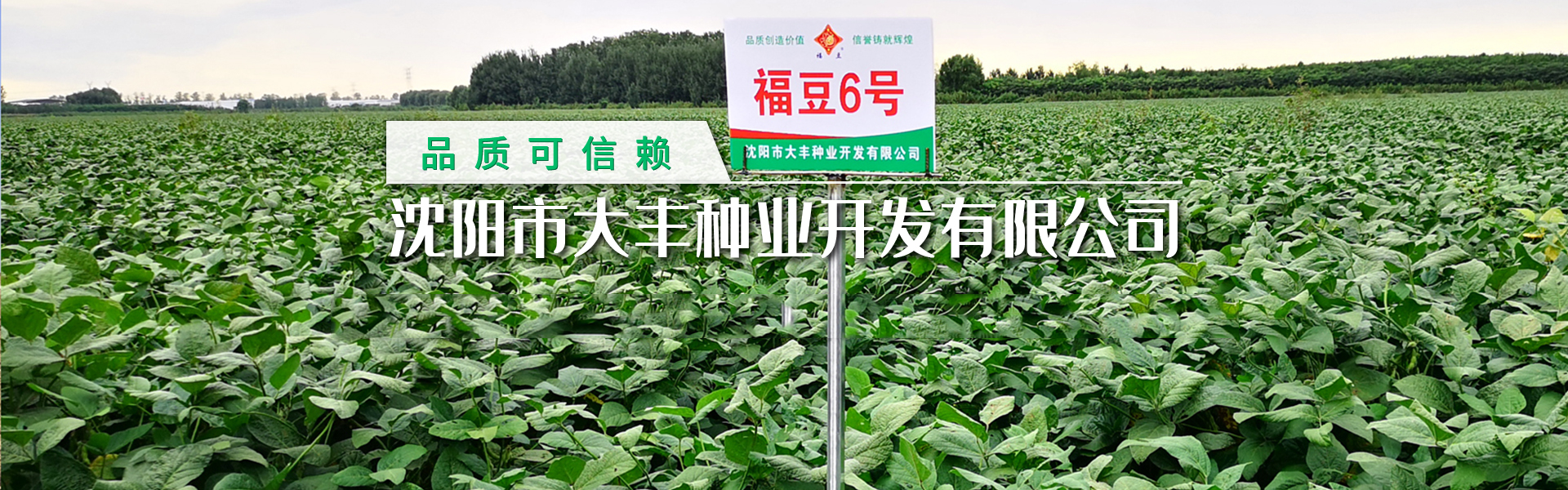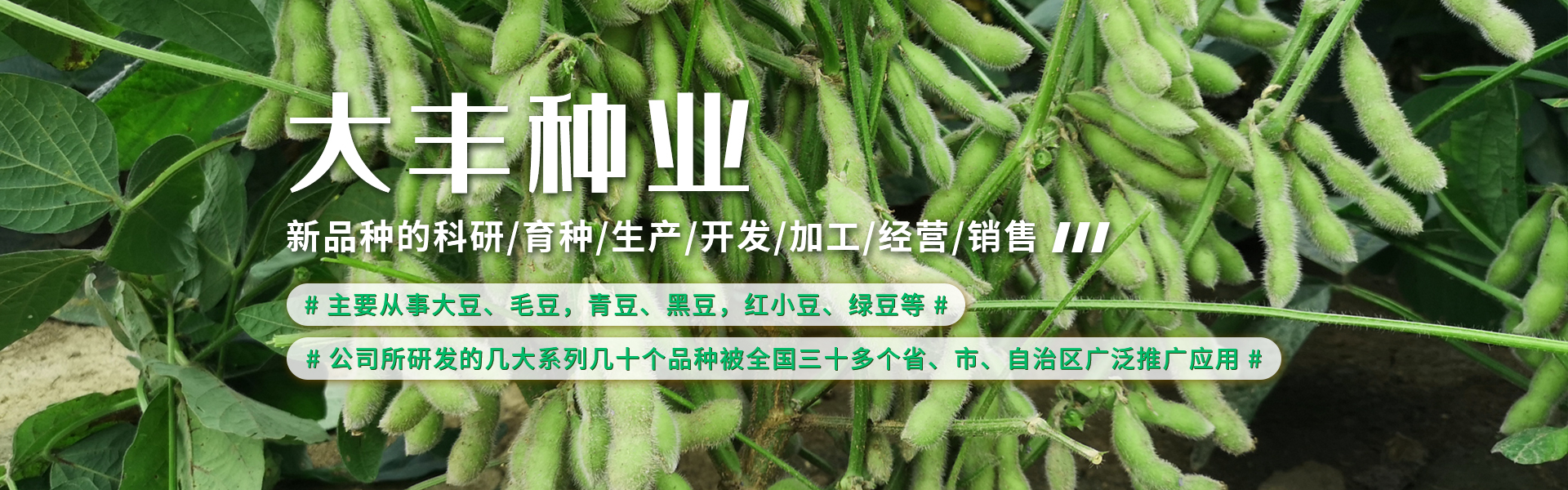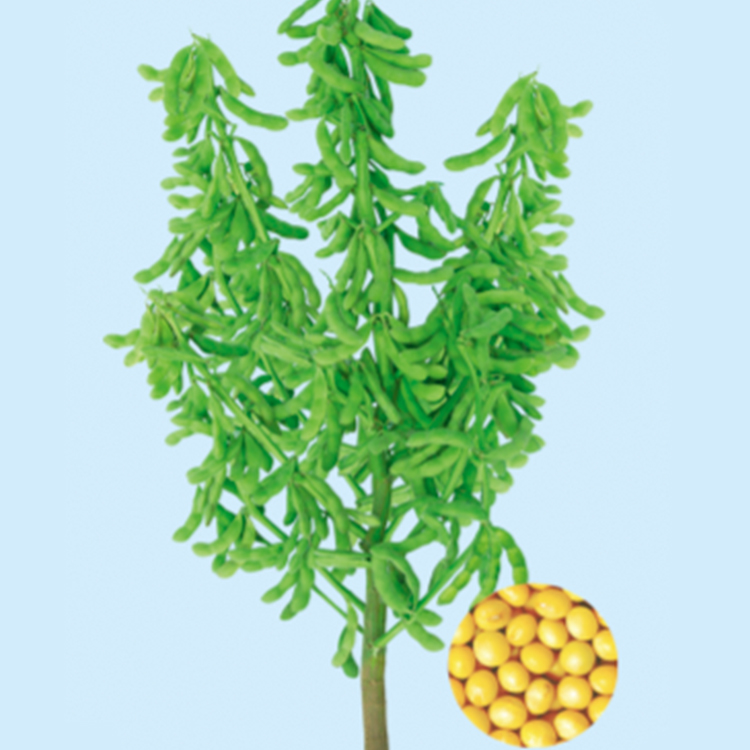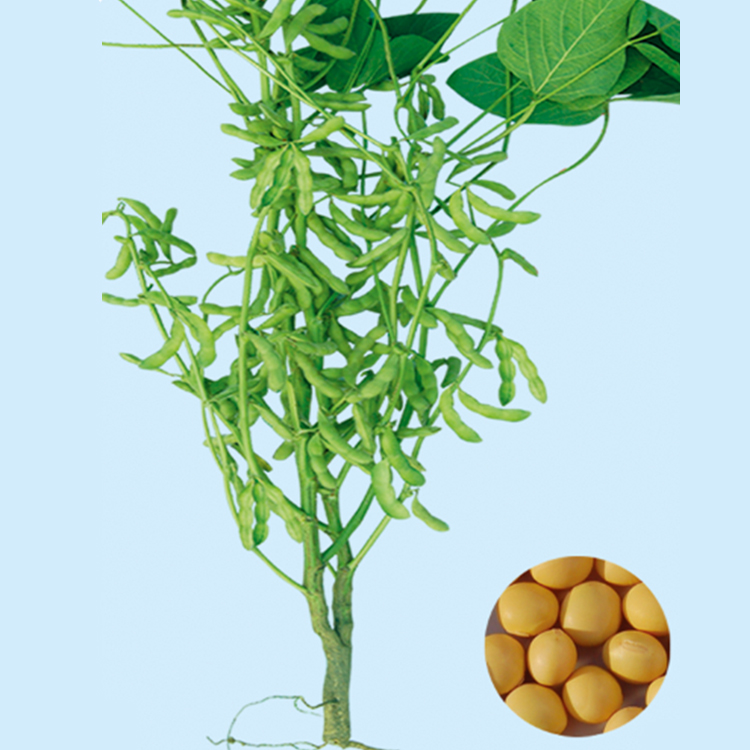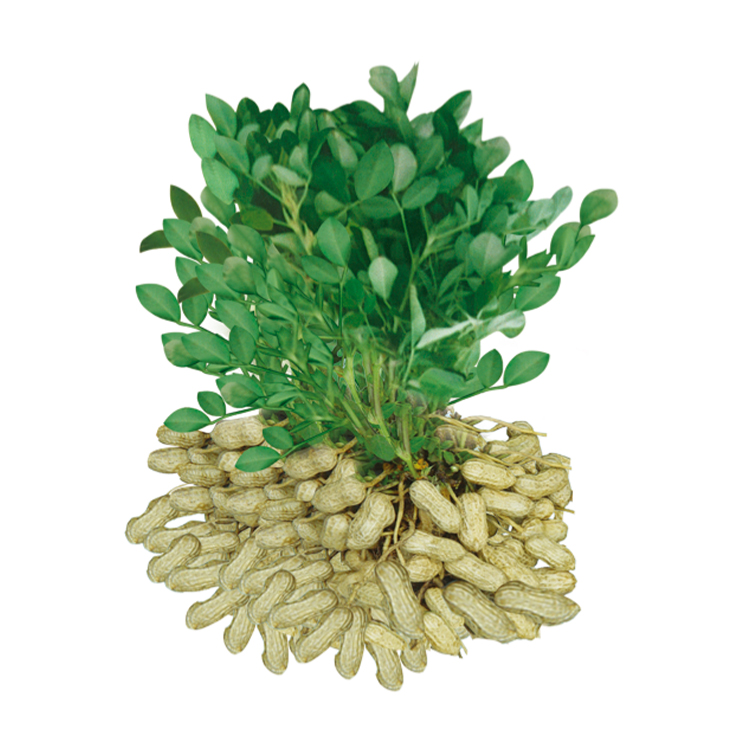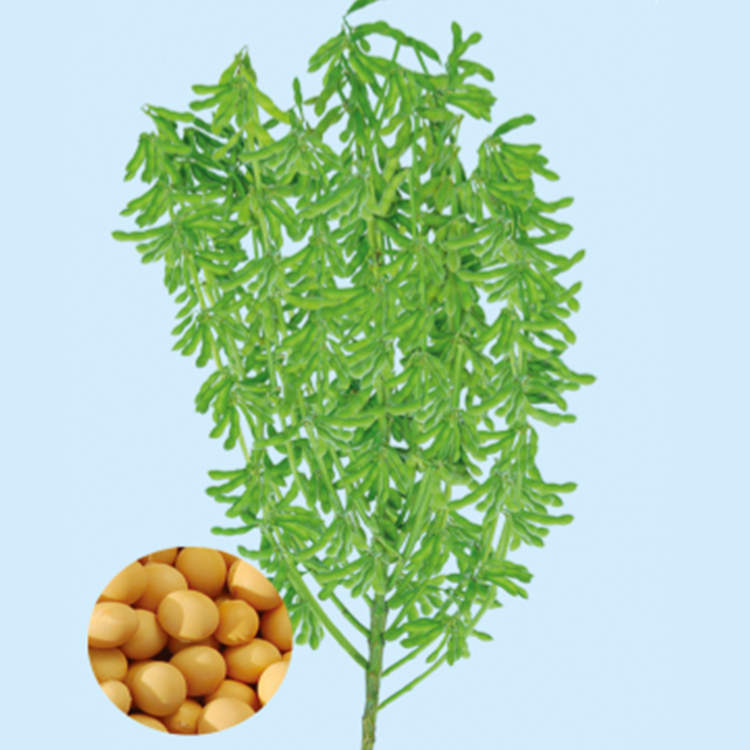
Primarily engaged in the research, breeding, production, ...



Product Recommendation
Mung beans are available in early, mid, and late maturing varieties, with each variety having different planting times. The growth cycle typically lasts around 3 months and offers high profits. You can choose to grow green beans, either by direct seeding or transplanting seedlings, ensuring timely land preparation and furrow creation for drainage. During the growing period, it's essential to loosen the soil, weed, and control pests and diseases.
Pea Planting Season
Mung beans have a long history of cultivation in China, and they are originally from our nation. The mung beans from Hutang Village, Lixian County, Pingshang, Jiangxi Province, China, are renowned worldwide.
Mung beans are primarily categorized into early, mid-season, and late-maturing varieties. Early-maturing cultivation typically occurs from late February to early March, with mid-season varieties planted from late April to early May, yielding from July to August. Late-maturing varieties are sown in June and July, harvested from late September to early October, with the southern regions of China allowing for a one-month delay in autumn sowing.
Mung bean growth cycle
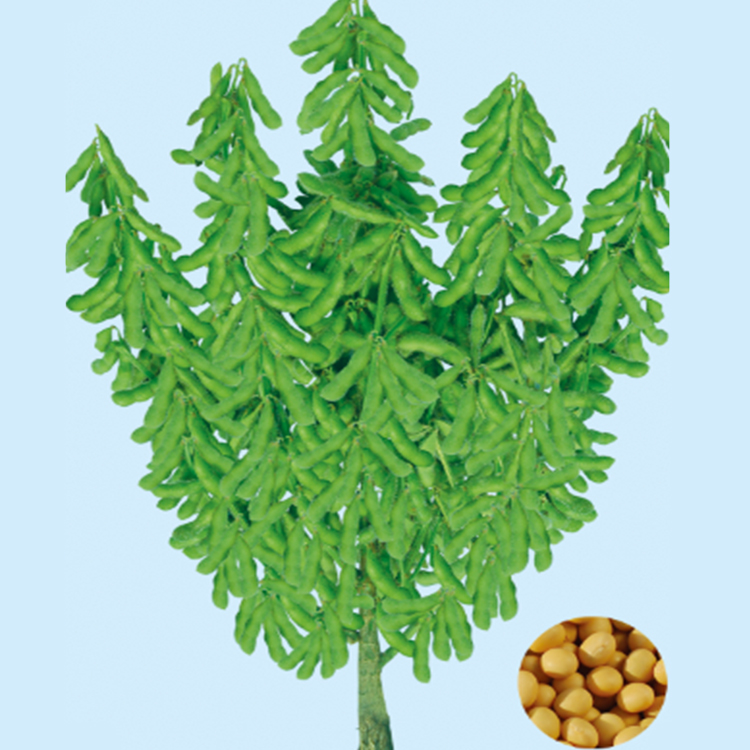
Soybeans for summer harvest should be sown from late April to mid-May, with a growth period of 3 months, and harvested in July and August. It's essential to soak the seeds before planting to ensure they absorb enough moisture for quicker germination and growth.
Initially, only the cotyledons emerge, which gradually grow larger as they absorb light, water, and nutrients. Once the true leaves appear, the growth rate accelerates, and many leaves sprout quickly. Gradually, the plant grows taller, eventually blooming and producing pods. As the pods mature, they become the soybeans we see.
Key Pea Planting Techniques
Sowing and seedling cultivation
Early-maturing seedlings should focus on transplanting, while mid and late-maturing types are direct-seeded. Whether direct-seeding or seedling transplanting, timely land preparation and bed creation are essential. The width of the beds varies by region, generally, in areas with lower groundwater and good drainage, the beds can be wider; conversely, they should be narrower. However, deep ditches must be dug for proper drainage.
2. Field Management
Mung beans require timely loosening of soil and weed removal about three times throughout their entire growth cycle. When loosening the soil, combine it with soil addition to promote root growth. Generally, irrigation is not necessary. However, if temperatures are extremely high, use drainage ditches for irrigation about two times. Pests that harm mung beans include red spiders, aphids, and caterpillars, so attention should be given to pest control.


www.114global.com © Zhongshang 114 Hebei Network Technology Co., Ltd.Address: Room 6009, Oriental New World Center, No.118 East Zhongshan Road, Qiaoxi District, Shijiazhuang City, Hebei ProvincePlatform Service Hotline: 4006299930