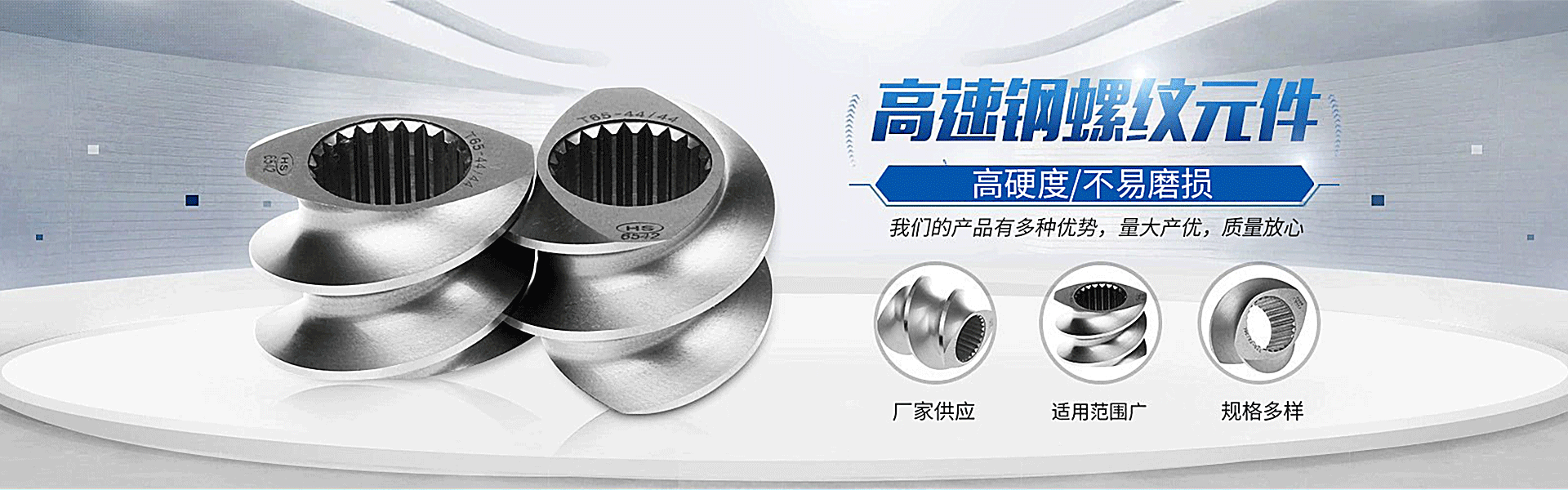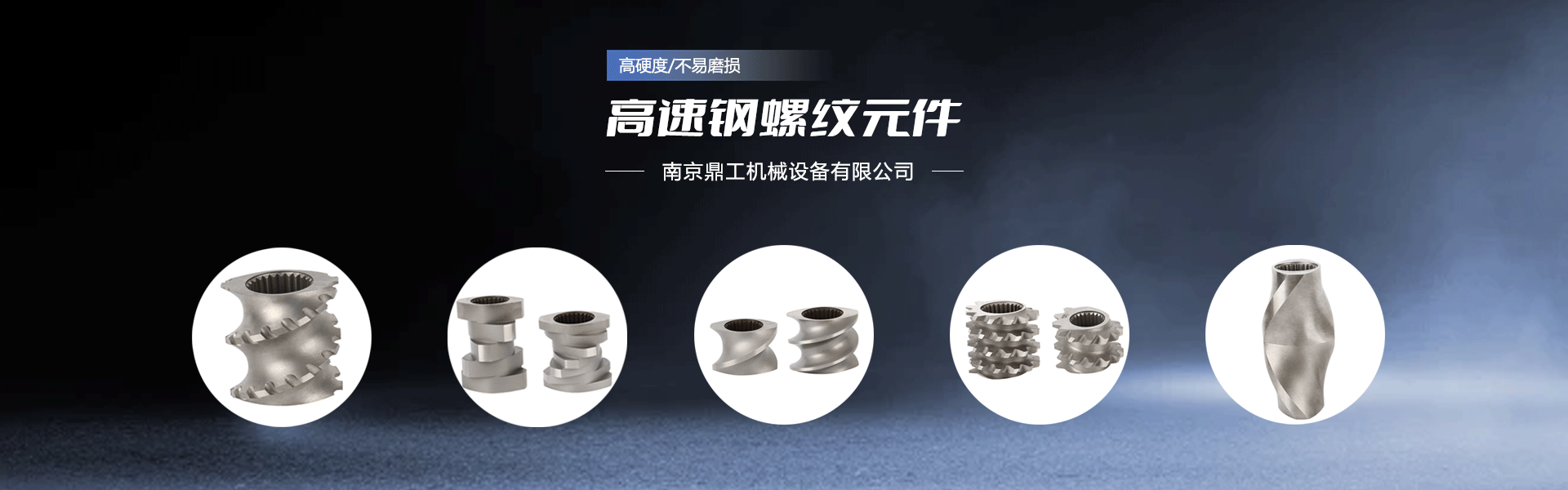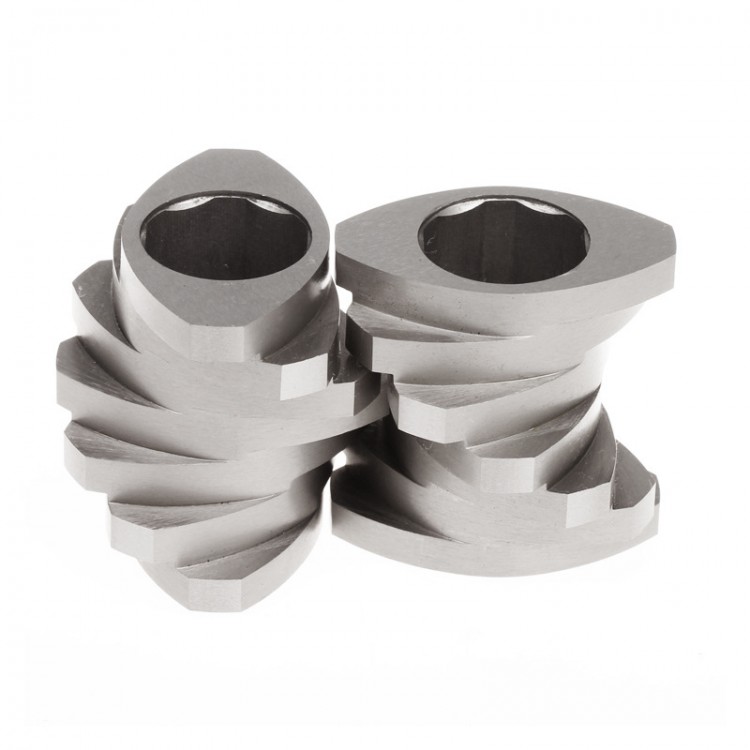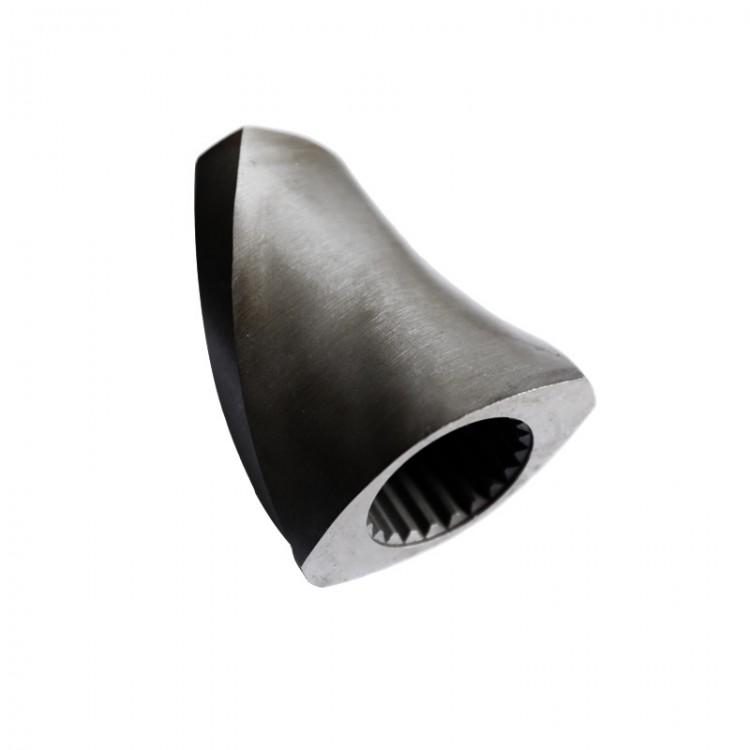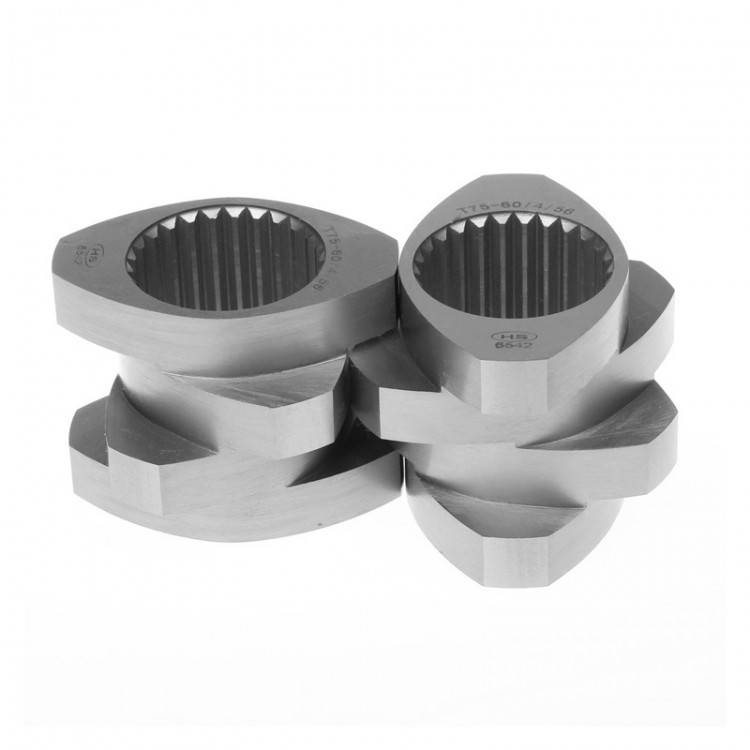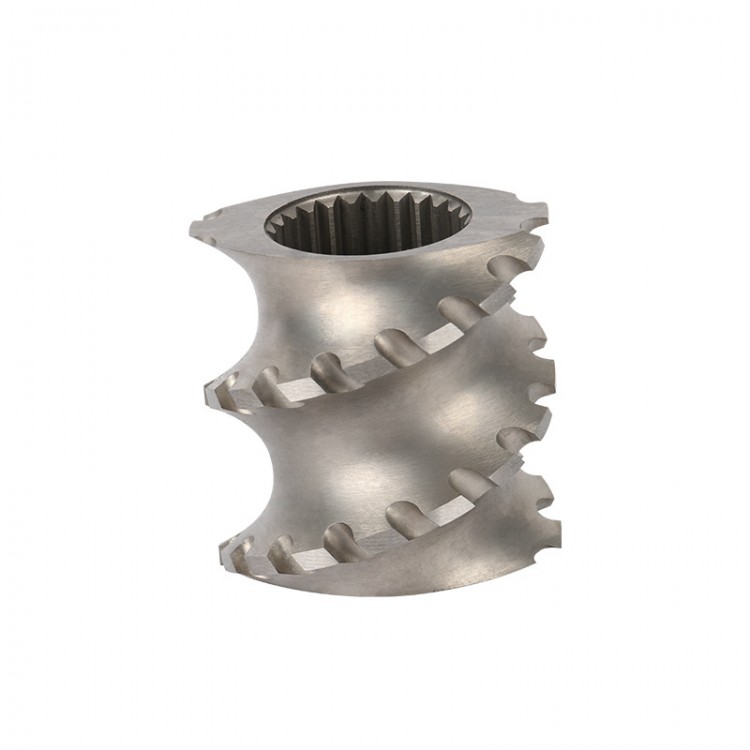
Threaded Components, Cylinder, Cylinder Sleeve, Mandrel, Heater, Screw Head, Feeding Machine, Feeding Screw, O-Type Alloy Sleeve
18936896101
Wear Cause:
Each type of plastic has an ideal plasticizing temperature range, and the barrel processing temperature should be controlled to approach this range. As granular plastic enters the barrel from the hopper, it first reaches the feeding section, where inevitable dry friction occurs. When these plastics are not heated sufficiently and melt unevenly, it is easy to cause increased wear on the inner wall of the barrel and the surface of the screw. Similarly, in the compression section and homogenization section, if the plastic's melting state is disordered and uneven, it will also accelerate wear.
2. The rotational speed should be properly adjusted. Due to the addition of reinforcing agents in some plastics, such as glass fibers, minerals, or other fillers, these materials often have a much higher frictional force than molten plastic. During injection molding these plastics, using a high rotational speed increases the shearing force on the plastic but also causes the reinforcing agents to produce more shredded fibers. These shredded fibers, with their sharp ends, significantly increase the wear and tear. The abrasive action of inorganic minerals as they slide rapidly over the metal surface is also considerable. Therefore, the rotational speed should not be set too high.
The screw rotates within the barrel, and the friction between the material and both causes the working surfaces of the screw and barrel to gradually wear down: the screw diameter decreases, and the barrel's inner hole diameter increases. Consequently, the diameter gap between the screw and barrel gradually widens with their continued wear. However, since the resistance from the barrel's front head and分流 plate remains unchanged, this increases the leakage flow of the extruded material as it advances, meaning the amount of material flowing from the diameter gap towards the feed direction increases. This results in a decrease in the production output of the plastic machinery. This phenomenon also increases the material's residence time within the barrel, leading to material decomposition.
4. Fillers such as calcium carbonate and glass fiber in the material can accelerate the wear of the screw and barrel.
5. Due to uneven plasticization of materials or the presence of metallic impurities mixed in, the screw shaft experiences a sudden increase in torque. This torque exceeds the screw shaft's strength limit, resulting in a breakage. This is an unconventional accident-related damage.
Maintenance Precautions:
Do not start the machine if the screw has not reached the pre-set temperature.
2. To prevent metal shavings and debris from falling into the hopper, a magnetic hopper must be added when processing recycled material to prevent iron filings and other debris from entering the cylinder.
When using antislip materials, ensure the plastic in the hopper is fully melted to prevent damage to the transmission system components when the screw retracts.
When using new plastic, the excess material on the screw should be thoroughly cleaned.
When the temperature of the molten plastic is normal yet black spots or discoloration is continually observed in the molten plastic, the rubber screw should be inspected.
6. During processing, strive for uniform plasticization of the material and avoid the inclusion of metallic impurities. This will reduce the screw rotation torque.
Contact us

Service Hotline
18936896101
Company Telephone
18936896101

Address
11 Ta Jiaqiao, Husu, Jiangning District, Nanjing City
www.114global.com © Zhongshang 114 Hebei Network Technology Co., Ltd.Address: Room 6009, Oriental New World Center, No.118 East Zhongshan Road, Qiaoxi District, Shijiazhuang City, Hebei ProvincePlatform Service Hotline: 4006299930