

Product Details

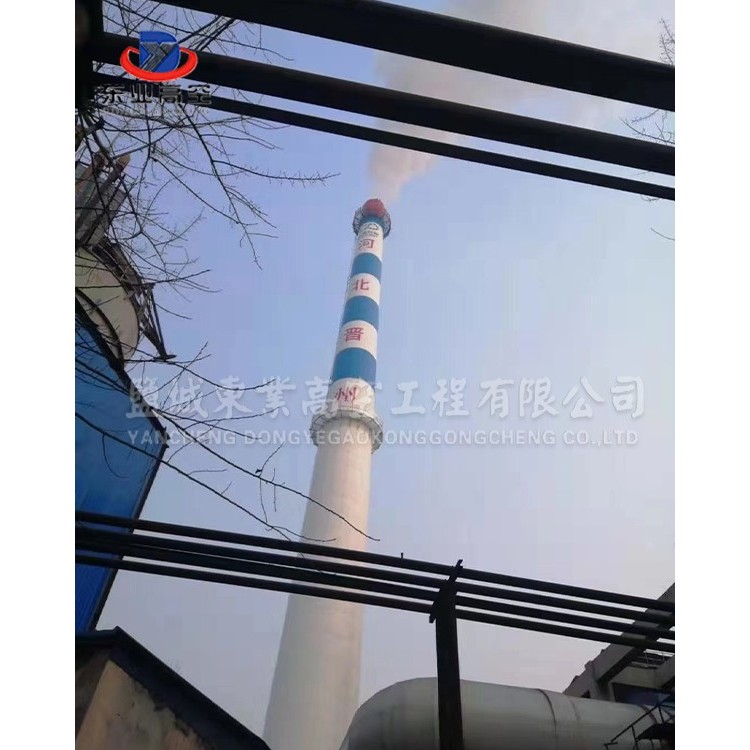
Chimney Corrosion Protection, New Chimney Construction, Chimney Demolition, Chimney Aesthetics



价 格Negotiable
最小起订0 Piece库存0 Piece
 Business Card
Negotiable
Negotiable

Negotiable

Negotiable
80-meter chimney anti-corrosion a
Negotiable
 Chimney interior corrosion preven
Negotiable
Chimney interior corrosion preven
Negotiable
 100-meter chimney inner wall anti
Negotiable
120-meter chimney anti-corrosion
Negotiable
Chimney interior corrosion preven
Negotiable
100-meter chimney inner wall anti
Negotiable
120-meter chimney anti-corrosion
Negotiable
Chimney interior corrosion preven
Negotiable
 Chimney paint with navigation mar
Negotiable
Chimney Anticorrosion and Aesthet
Negotiable
Chimney paint with navigation mar
Negotiable
Chimney Anticorrosion and Aesthet
Negotiable
 Chimney exterior anti-corrosion p
Negotiable
Chimney exterior anti-corrosion p
Negotiable
The primary function of the chimney is to exhaust smoke and fumes, improving combustion conditions. In high-rise buildings, various vertical shafts such as stairwells, ventilation ducts, air supply ducts, exhaust ducts, elevator shafts, and pipeline shafts are typically provided in varying numbers. When the indoor temperature is higher than the outdoor temperature, the less dense hot air rises naturally through these vertical channels. It escapes through gaps in doors and windows and various openings from the upper floors. Cold outdoor air, being denser, enters from the lower levels to compensate, creating the chimney effect. The chimney effect is the result of the combined action of the thermal pressure due to the indoor-outdoor temperature difference and the wind pressure outdoors, with the former usually being predominant. The thermal pressure is directly proportional to the air density difference caused by the indoor-outdoor temperature difference and the height difference between the intake and exhaust air openings. This indicates that the higher the indoor temperature is above the outdoor temperature and the taller the building, the more pronounced the chimney effect becomes. It also suggests that the chimney effect in residential buildings generally occurs only during winter. Theoretically, the midpoint of the building's height is considered the neutral zone, where rooms below this level are believed to intake air from the outside, and rooms above this level to exhaust air indoors.
Key considerations in the construction of chimney corrosion prevention include:
1. The construction site must be clean and tidy, with ventilation measures in place, and the content of harmful gases must not exceed the specified requirements. Flammable materials, except for paints used in the anti-corrosion of chimneys, are strictly prohibited from being stored on the construction site. That is to say, pay attention to environmental safety and keep the site clean.
2. Smoking is prohibited on the site. Welding or open flame operations are not allowed within a 10-meter radius. Explosion-proof lighting equipment must be used during construction. Construction personnel should wear necessary protective gear, work in containers in shifts, and ensure good ventilation. Anti-slip measures must be in place, and workers must wear safety belts.
3. After the chimney anti-corrosion work is completed, when cleaning tools and containers with waste solvents, do not pour them carelessly; proper disposal is recommended. In case of any unexpected incidents, place them in designated areas.

Phone Consultation