
Fiberglass Storage Tanks, Fiberglass Pipe
15132883828
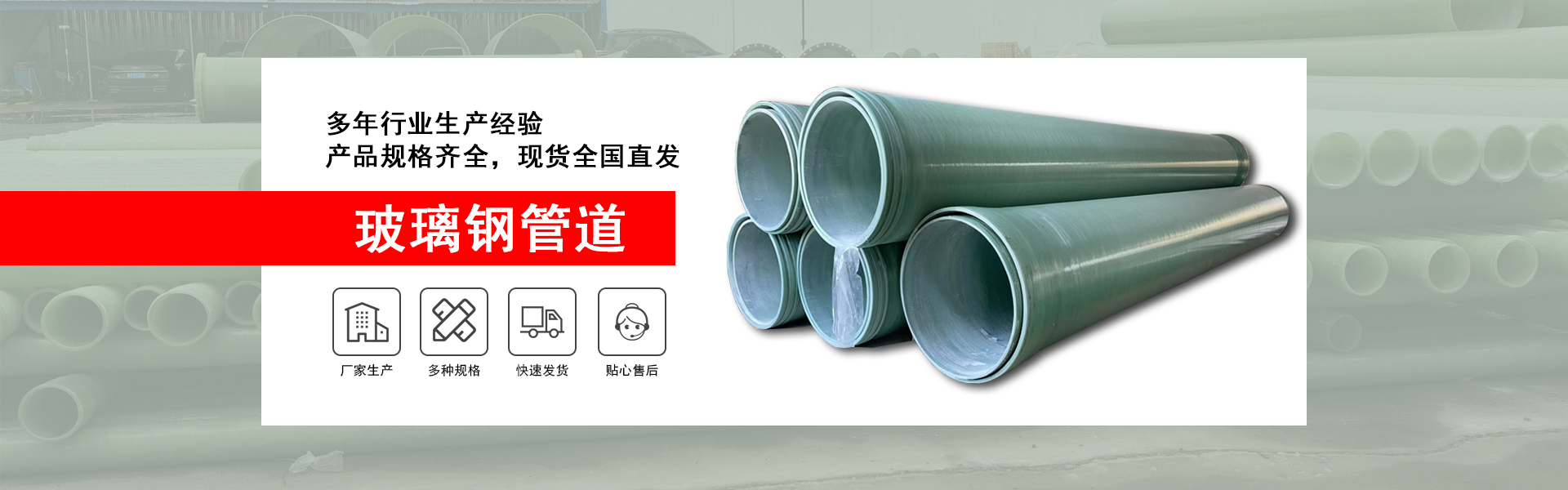
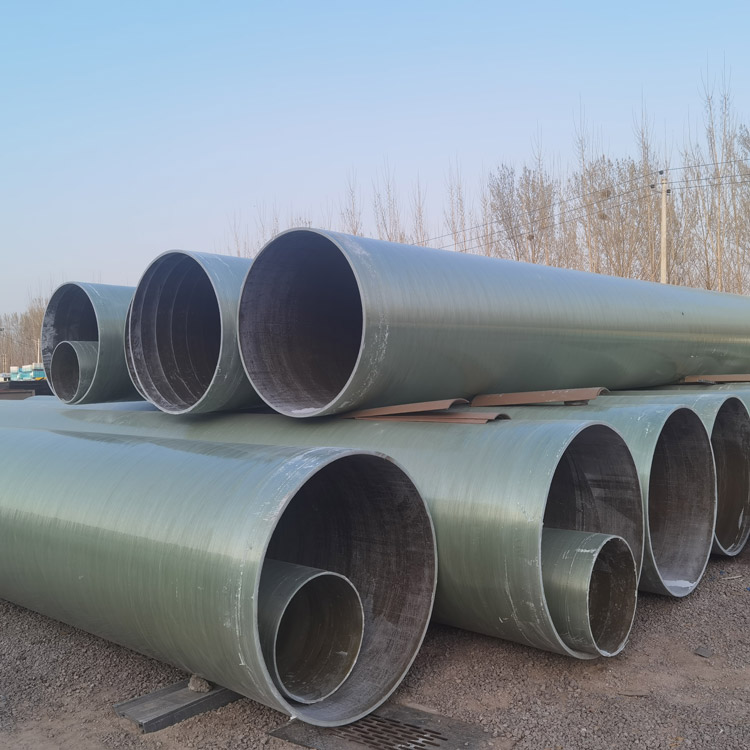
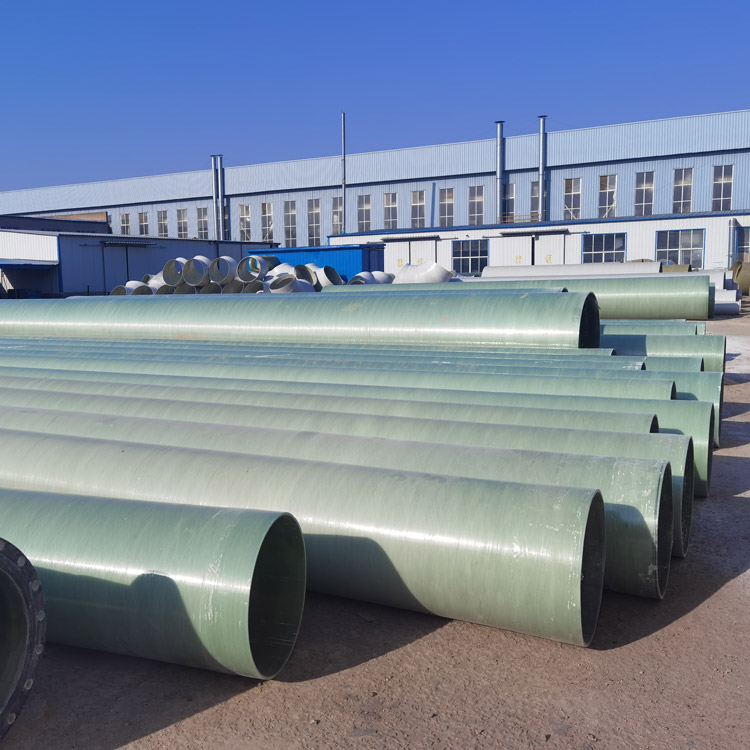
One should be cautious when laying glass fiber reinforced plastic (FRP) pipe, as the trench bottom may be uneven and contain sharp hard objects such as hard soil lumps and stones. Generally, low-lying areas' trenches are excavated mechanically, which can be moist or waterlogged due to the lower terrain. The presence of hard objects like gravel, bricks, and obstructions is likely, especially when the water level in the trench is high and these objects are submerged below the waterline, making them difficult to detect. After the FRP pipeline is installed on the water surface, it is directly backfilled, causing the pipeline to be pressed directly on these hard objects. Although the backfill soil may be loose initially and not damage the pipeline, the settling and compaction of the backfill soil over time, combined with internal pressure and fluid flow within the pipeline after startup, can cause slight vibrations. As time goes on, the point-loading effect of the hard objects on the FRP pipeline increases, and the points of contact where the pipeline is being acted upon by the hard objects will eventually be damaged. Additionally, an uneven trench bottom can cause uneven stress on the pipeline, leading to stress concentration at higher points during backfilling, potentially damaging the pipeline or causing unnecessary wear. This wear is exacerbated when pulsating pressure is present within the pipeline system.
Significant water accumulation and cave-ins within the trench. Groundwork construction often coincides with the rainy season, and due to the low-lying terrain of the construction site, the water level in the trench can reach over 1.0 meters after excavation. Due to the lightweight nature of high-pressure glass steel pipes, once installed and placed in the trench, they float on the water surface. The buoyancy of water makes it difficult to compact the glass steel pipes into the bottom of the trench during backfilling, resulting in a depth that does not meet design specifications. Additionally, with excessive water in the trench, it is challenging to maintain the levelness of the bottom and to discern any obstacles such as pipeline and hard debris like rocks, thus ensuring the construction quality of the glass steel pipes is difficult. Water accumulation in the low-lying trench areas can easily lead to cave-ins, where large, chunky soil masses may fall directly onto the glass steel pipelines, damaging the lines.
Three, the presence of hard objects like stones in the backfill soil of the trench and the impact force of mechanical backfilling. The backfill soil in low-lying areas is relatively moist, and some is basically in a muddy mass state. During the backfilling process, it is difficult to detect hard objects like stones mixed in the mud. These stones, buried at the bottom of the trench, come into direct contact with the fiberglass pipeline, posing significant harm to it. It is also possible that due to the larger size of the stones, they can directly砸坏fiberglass pipeline under the impact of gravity during the backfilling process. During mechanical backfilling, when the bucket is full of soil, it is directly backfilled from a height into the trench, which can also damage the pipeline due to the considerable impact force.
Other factors include improper operations by construction workers, such as. During construction, due to the harsh working conditions in low-lying areas, workers fail to follow standard procedures. For instance, when connecting pipes, they do not clean the mud and water from the threaded parts thoroughly, resulting in insufficient threading depth and allowing water, mud, and other debris into the pipes. Additionally, workers casually throw tools, particularly in the case of high-pressure fiberglass pipes.
Contact us

Service Hotline
15343189388
Company Telephone
15132883828

Address
No Chinese content provided.
www.114global.com © Zhongshang 114 Hebei Network Technology Co., Ltd.Address: Room 6009, Oriental New World Center, No.118 East Zhongshan Road, Qiaoxi District, Shijiazhuang City, Hebei ProvincePlatform Service Hotline: 4006299930