


- AllProduct Category





Recommended Products
详情描述
I. Definition and Function
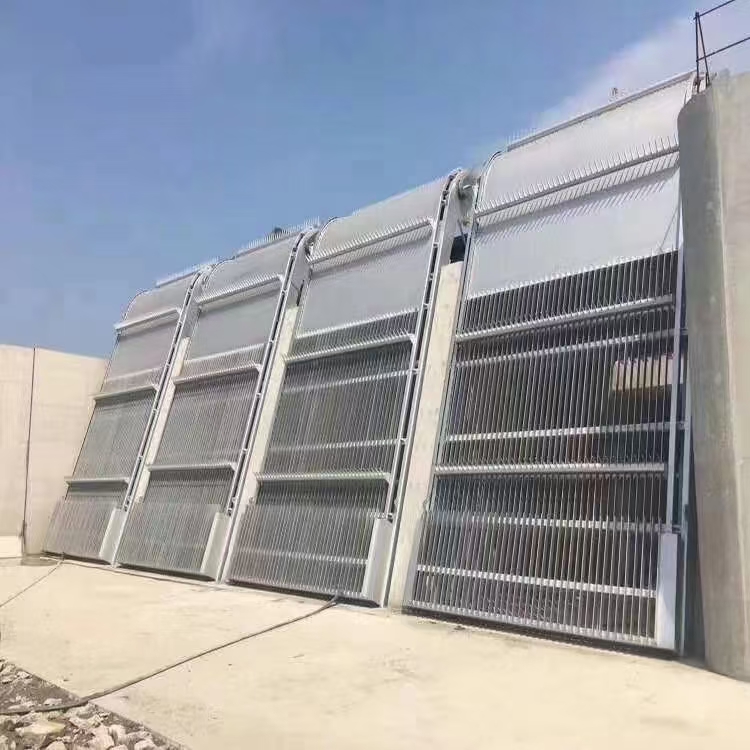
Sluice gates are a type of gateAutomatic water level controlHydraulic facilities, primarily used in scenarios such as reservoirs, rivers, and ponds, regulate water flow by opening or closing, enabling functions like water storage, flood release, navigation, and irrigation.
II. Core Types and Structural Features
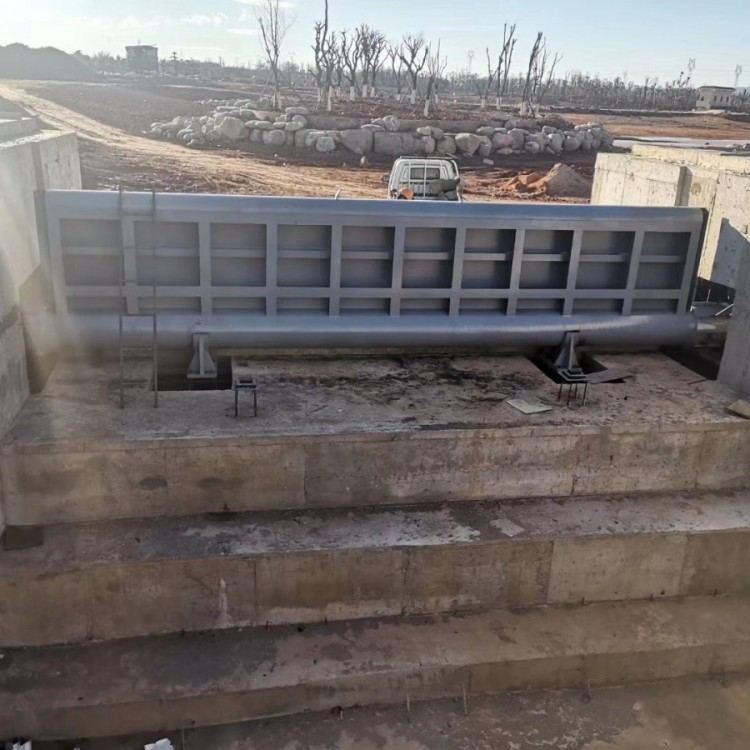
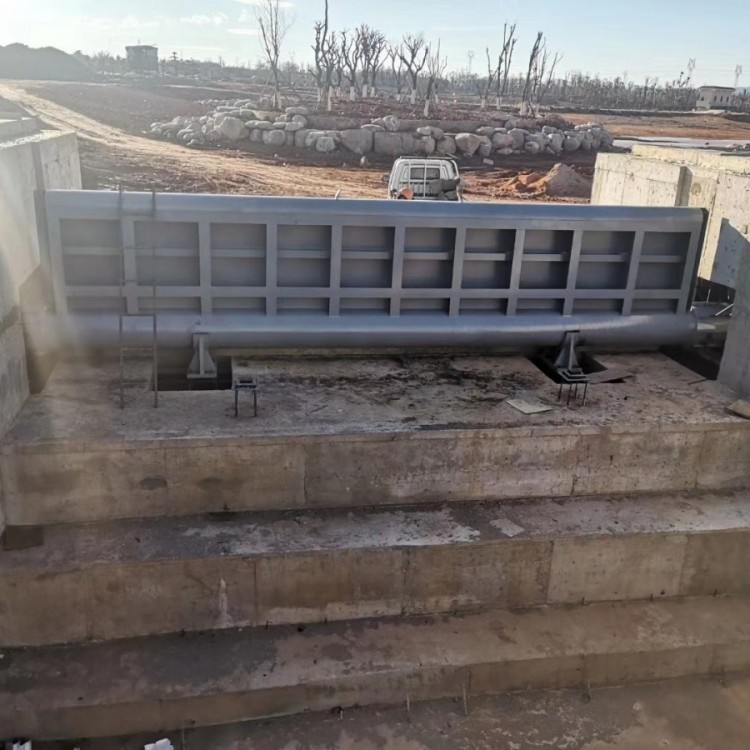
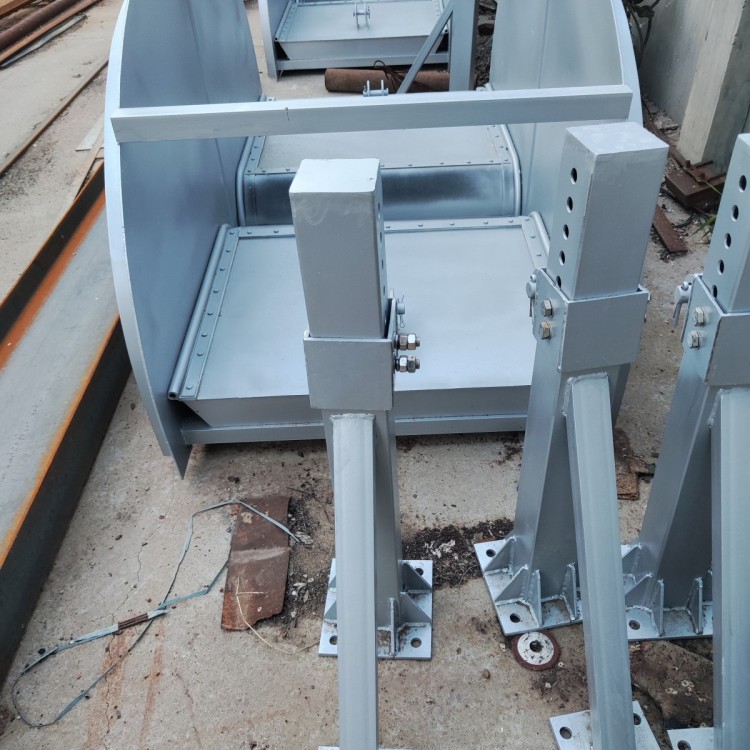
1. Hydraulic Self-Controlled Flip Plate Gate
StructureComposed of panels, legs, pads, casters, rods, etc., featuring a double-pivot linkage design.
PrincipleBased onLeverage Balance and RotationUtilizing the balance between water pressure and the weight of the gate, the water level is controlled through a damping feedback system. When the water level rises, the gate automatically opens to release flow; when the water level falls, it closes to store water.
DevelopmentThe technology has gradually matured from double hinge, multi-hinge, roller linkage to slider types.
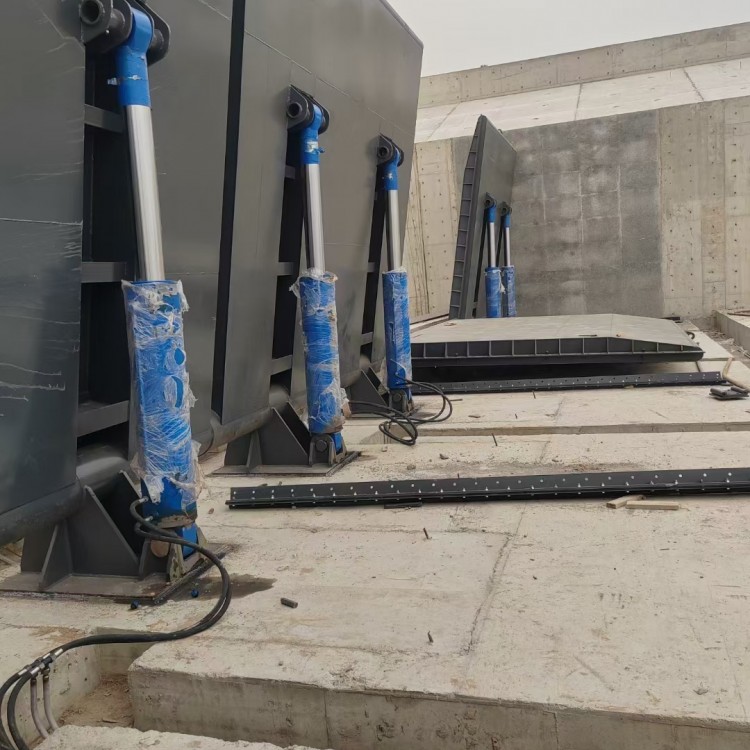
2. Hydraulic flap gate
StructureComposed of curved/straight dam surfaces, hydraulic rods, support rods, hydraulic cylinders, pump stations, etc.
Principle: ThroughHydraulic System DriveGate lifting for precise water level control. Operable remotely or automatically adjusts according to water level.
Section 3: Application Scenarios
Flood and Drainage ControlQuickly adjust water levels to mitigate flood threats.
Irrigation and Water SupplyPrecise water volume control for agricultural irrigation and urban water supply.
Landscape engineeringCreate artificial waterfalls and other water features to enhance the urban environment quality.
Shipping and Power GenerationAdjust navigation water depth to enhance hydropower plant efficiency.
River managementImprove water quality and enhance navigation capabilities.
IV. Advantages and Limitations
Advantages
Automated ControlNo human intervention required; real-time response to water level changes.
Simple and reliable structureHydraulically controlled with no complex transmission components, offering flexible operation.
Sealant performance excellentFeatures: Rubber waterstop, strong sealing.
AdaptableSuited for complex environments with high sand, stone, and cold conditions.
Landscape ValueCombine with design to create an aesthetically pleasing water feature.
Limitations
Hydraulic Automatic Control TypePossible vibration and impact at low opening, which may affect structural safety over time; initial water level is high, while the closing water level is low.
Hydraulic TypeHydraulic systems require regular maintenance and demand a high level of operational expertise.
V. Technological Advancements and Innovations
Smart upgradeIntegrate the internet for remote monitoring and automation control.
Structural OptimizationFeatures such as the pre-inclined angle design and improved weir shape enhance performance.
Material InnovationUtilizing high-strength steel and corrosion-resistant materials to extend service life.
询价单

