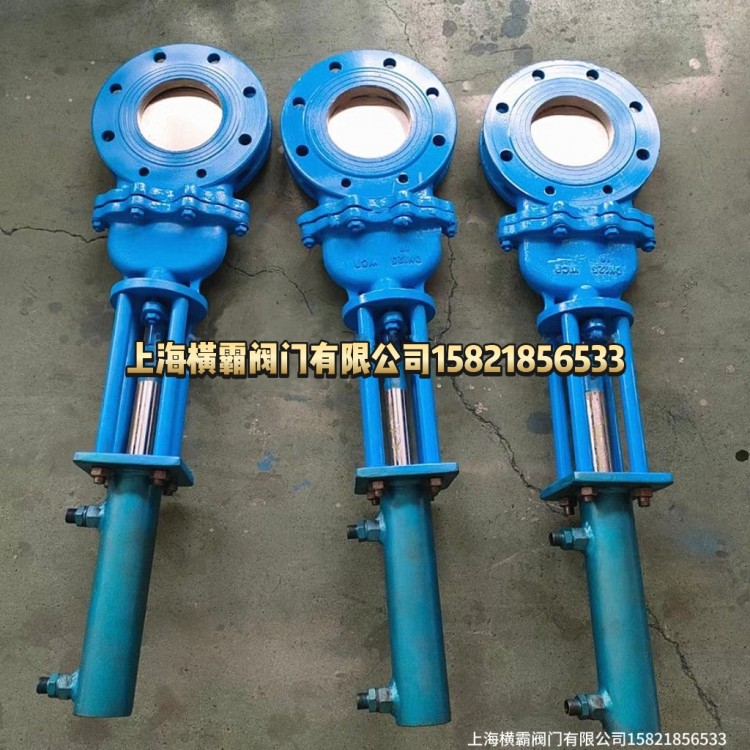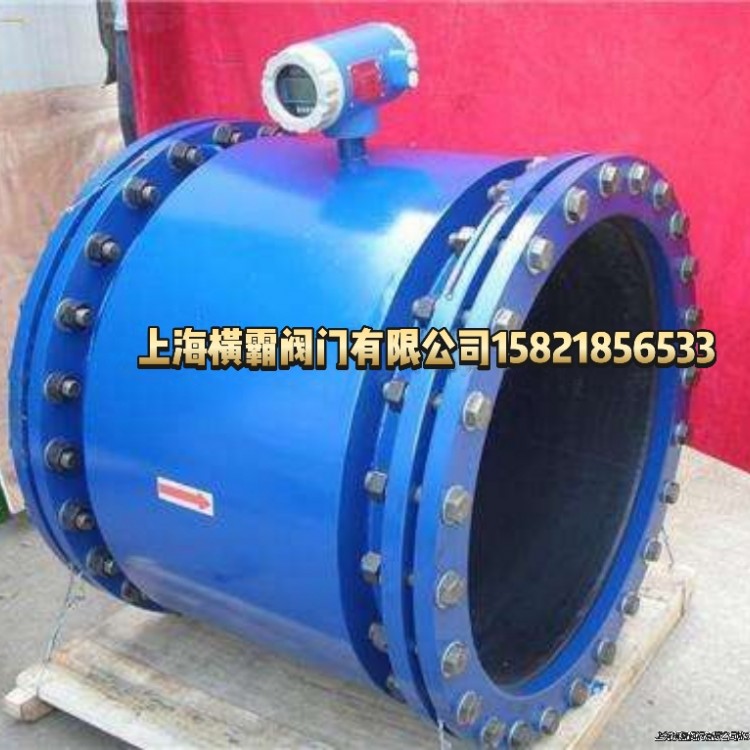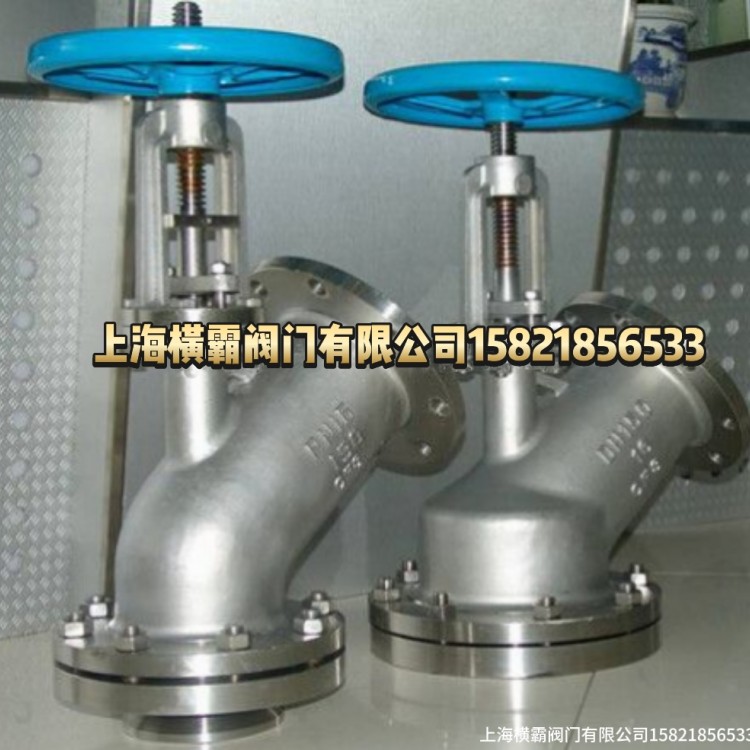
Valve and plug sales; Pump and vacuum equipment sales; Pi...

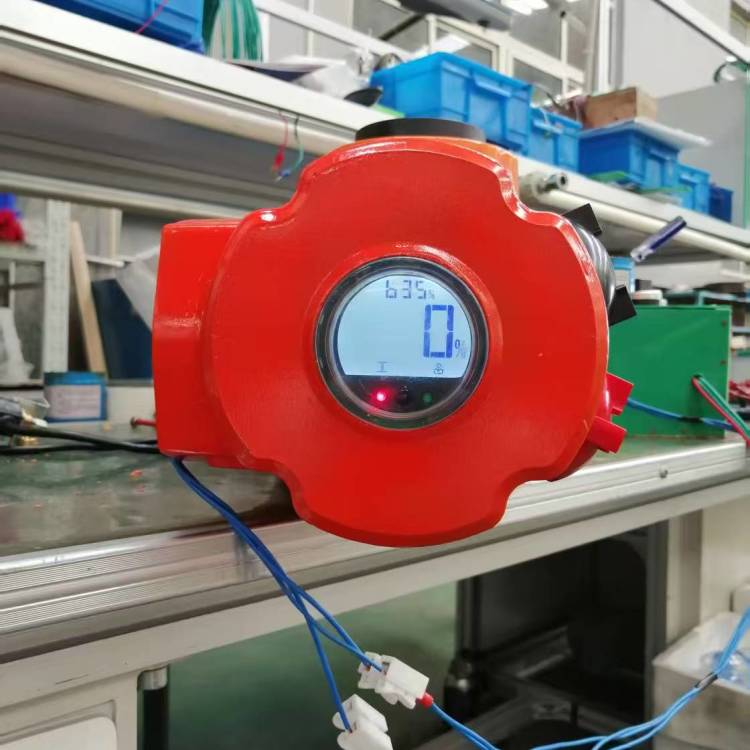
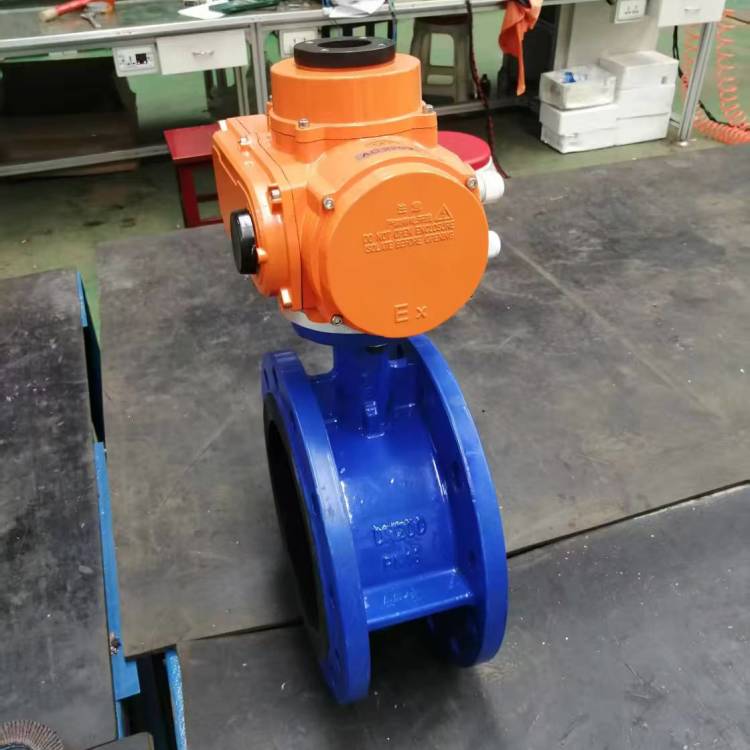
The working principle of the door electric actuator mainly includes motor drive, mechanical transmission, control signal reception and processing, as well as safety protection aspects.
Electric Motor Drive
The motor is a core component of the electric valve actuator, commonly using either a DC motor or an AC motor. The motor's function is to convert electrical energy into mechanical energy, providing power for the valve's movement. Upon connecting the motor to the power source, the current passing through the motor's winding generates a magnetic field. This field interacts with the permanent magnets within the motor's rotor, causing the rotor to begin rotating. By adjusting the voltage and current of the power source, the speed and output torque of the motor can be controlled to meet the varying needs of different valve operations.
Mechanical Transmission
The rotational motion of electric motors must be converted into linear or rotational motion of valves through mechanical transmission devices. During this process, components such as decelerating mechanisms, gear drives, and link mechanisms play a crucial role. The decelerating mechanism is used to reduce the motor's speed and increase the output torque to meet the requirements of valve operation. Gear drives and link mechanisms convert the rotational motion into linear motion or change the direction of motion, ensuring that the valve can open or close accurately. In the mechanical transmission process, transmission efficiency and precision are crucial. Transmission efficiency determines the energy transfer efficiency, directly affecting the energy consumption and performance of the valve electric actuators; while transmission precision is related to the accuracy and stability of the valve's operation, which is particularly important for situations requiring flow control.
Control Signal Reception and Processing
Valve electric actuators are typically equipped with control systems, which receive external control signals and convert them into corresponding action commands. Control signals can originate from the host computer of industrial automation systems.PLC or other controllers. The control system receives these signals to determine the need for valve operation and outputs corresponding control commands to the motor driver. During the processing of control signals, the stability and reliability of the signals are crucial. The control system must accurately interpret and process the signals to ensure the operation of the valve electric actuators.
Security Protection
During the operation of valve electric actuators, safety protection issues must be considered. This includes various protective measures such as overload protection, overheat protection, and limit protection. In case of abnormal conditions like overload or overheating in the motor or transmission unit, the safety protection device will promptly cut off the power supply or take other actions to prevent equipment damage or accidents.


www.114global.com © Zhongshang 114 Hebei Network Technology Co., Ltd.Address: Room 6009, Oriental New World Center, No.118 East Zhongshan Road, Qiaoxi District, Shijiazhuang City, Hebei ProvincePlatform Service Hotline: 4006299930