





- AllProduct Category
-
Stainless Steel Sand Cylinder
Fiberglass Sand Tank
Fiberglass Products
PE Drainage Channels
Stainless Steel Water Tank
Automatic Medication Injector
Geotextile Membrane
Ultraviolet Disinfection Unit
Multi-Function Rainwater Control System
Rainwater Purification Underground Integrated Unit
Rainwater Harvesting System






详情描述
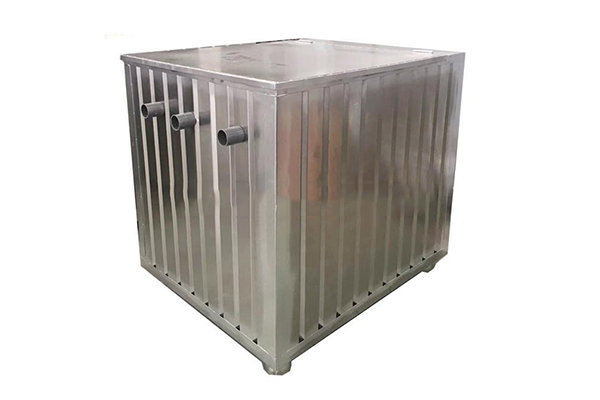
Rainwater Harvesting Stainless Steel Underground Integrated Unit
The drainage system refers to the overall combination of facilities for the collection, conveyance, treatment, and discharge of wastewater, organized in a certain manner. The drainage system is primarily divided into stormwater drainage and sewage drainage systems, with the requirement to separate stormwater from sewage.
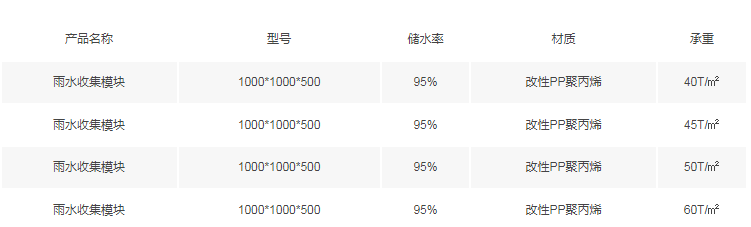
Product Specifications
Waste Water System Introduction
The drainage system refers to an integrated overall arrangement of facilities for the collection, conveyance, treatment, and discharge of wastewater, combined in a certain manner.
The drainage system is mainly divided into stormwater drainage and wastewater drainage systems, with stormwater and wastewater to be separated.
The layout of the drainage system should be meticulously planned, striving to achieve:
The drainage ditches should be positioned at the lowest point of the controlled area to facilitate gravity drainage as much as possible.
2. Drainage areas should be divided into high, medium, and low zones based on topography, ensuring high water is drained at high levels and low water at low levels, with natural drainage as the primary method and pumping as a supplementary measure.
3. The outlet of the drainage dry trench should be chosen in an area with lower water levels in the overflow zone and a relatively stable riverbed.
4. The arrangement of lower-level drainage channels should facilitate the drainage of upper-level channels, with dry ditches laid out as straight as possible.
5. The drainage ditches should be arranged to avoid poor soil areas to save engineering costs and ensure safe and timely drainage.
6. In drainage areas prone to external water intrusion, interception ditches or overflow channels should be installed to directly lead surface and groundwater from outside into the main drainage channel or storage area.
The drainage system refers to an integrated combination of facilities for drainage collection, transportation, water quality treatment, and discharge. It is a general term for various drainage ditches (tubes) and buildings used for flood prevention and saltwater control. It mainly consists of field drainage regulation networks, drainage ditches at different levels, flood retention lakes, flood discharge sluices, pumping stations for drainage and water extraction, and drainage capacity areas (see figure). Excess water within the drainage area first flows into the field drainage regulation network, then through various drainage ditches or lakes for water storage, and finally discharged into the drainage area through drainage sluices or pumping stations.


